

This bill is expected to strengthen existing Australian laws and help the government improve its ability to protect national secrets.
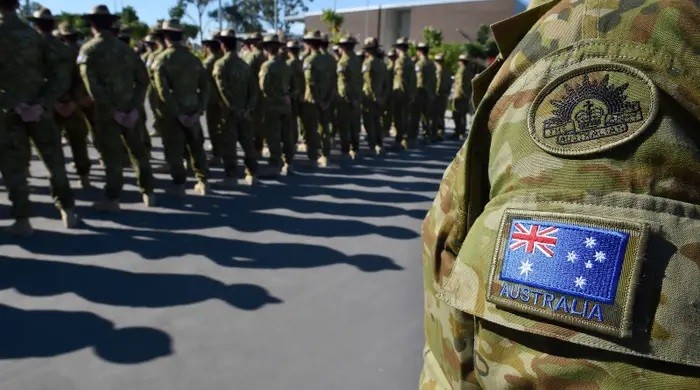 |
| Australia has been strengthening its national security legislation recently. (Source: AAP) |
The Australian Department of Defence announced that Prime Minister Anthony Albanese's government will introduce the National Military Secrets Protection Bill on September 14th.
In 2022, under the direction of Australian Deputy Prime Minister Richard Marles, the Department of Defence began developing new legislation to prevent the transfer of sensitive defense information to foreign militaries, which would be detrimental to Canberra, while also ensuring that individuals who disclose such information would face additional penalties.
Once passed, the new law will require certain former members of the Australian Defence Force and former Australian Defence Force officers to seek permission if they intend to work for a foreign military, foreign government, or foreign governmental organization.
In addition, all Australian citizens and permanent residents require similar authorization when participating in overseas training involving controlled military goods, as well as military tactics, techniques, and procedures.
Australians working or who have worked in the defense industry possess national secrets and are obligated to keep those secrets confidential outside of their work with the Commonwealth. This is a long-term obligation, and disclosing any of those secrets would be considered a crime.
Australia has introduced robust laws to protect sensitive defense information, including related offenses under the Criminal Code Act 1995 and secrecy provisions. This new law is expected to further expand Australia's already strong policies and legislation.
Deputy Prime Minister Richard Marles stressed: “This new law will help strengthen Australia’s national security by ensuring our military secrets are kept confidential. This sensible reform reinforces the robust laws we already have in place by enhancing the government’s ability to prevent the unwanted transfer of sensitive defense information to foreign militaries. Importantly, it is not intended to prohibit former defense personnel from seeking employment opportunities overseas. This is about keeping Australia’s secrets in the hands of Australians.”
Source


![[Photo] Prime Minister Pham Minh Chinh holds a phone call with the CEO of Russia's Rosatom Corporation.](/_next/image?url=https%3A%2F%2Fvphoto.vietnam.vn%2Fthumb%2F1200x675%2Fvietnam%2Fresource%2FIMAGE%2F2025%2F12%2F11%2F1765464552365_dsc-5295-jpg.webp&w=3840&q=75)







































































Comment (0)