

Priority should be given to developing waste-to-energy as a stable source of electricity.
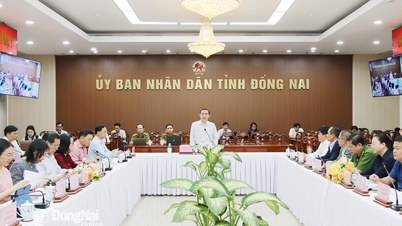
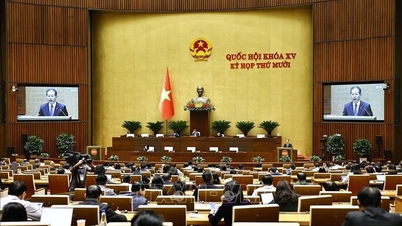
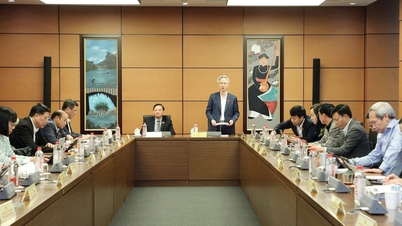
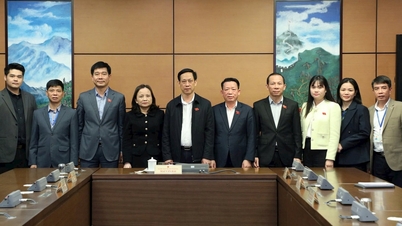
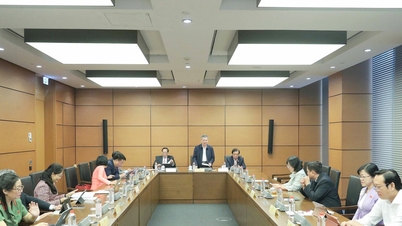
Discussing the draft Resolution of the National Assembly on mechanisms and policies for national energy development in the 2026-2030 period, the National Assembly Deputies of Group 6 expressed their high agreement with the necessity of issuing a Resolution of the National Assembly on mechanisms and policies for national energy development in the 2026-2030 period to remove current difficulties and obstacles for renewable energy projects as well as direct electricity trading... However, the delegates also suggested that it is necessary to review and amend and supplement a number of articles and clauses accordingly.
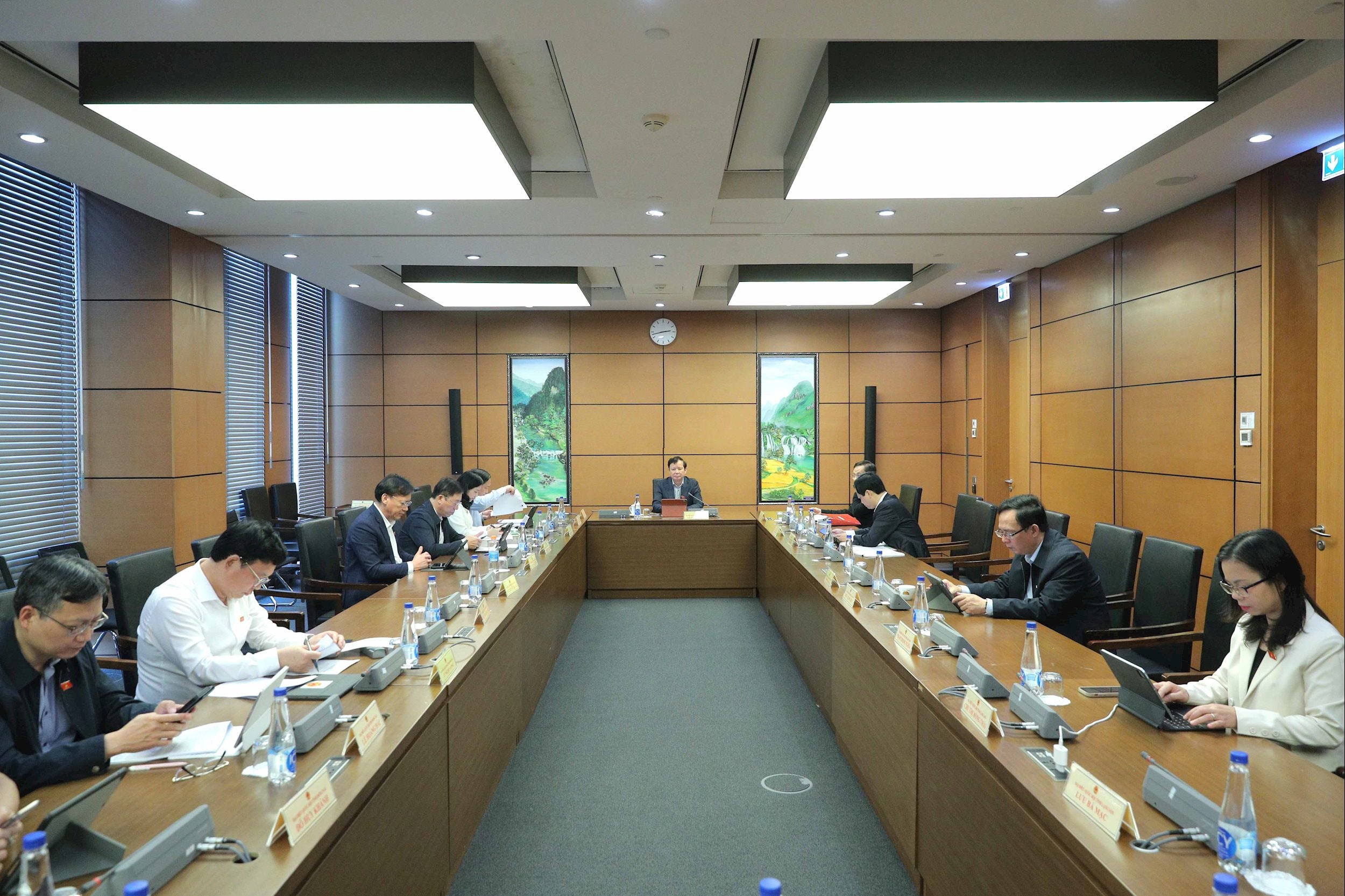
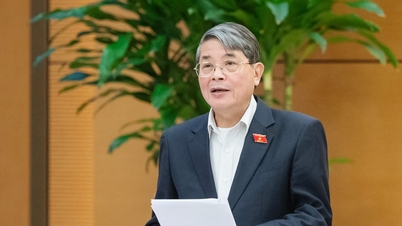
National Assembly Deputy Vu Ngoc Long ( Dong Nai ) pointed out that the energy sector is currently facing many legal and policy problems, especially related to 12 laws and another resolution such as the Planning Law, Investment Law, Bidding Law, Electricity Law...
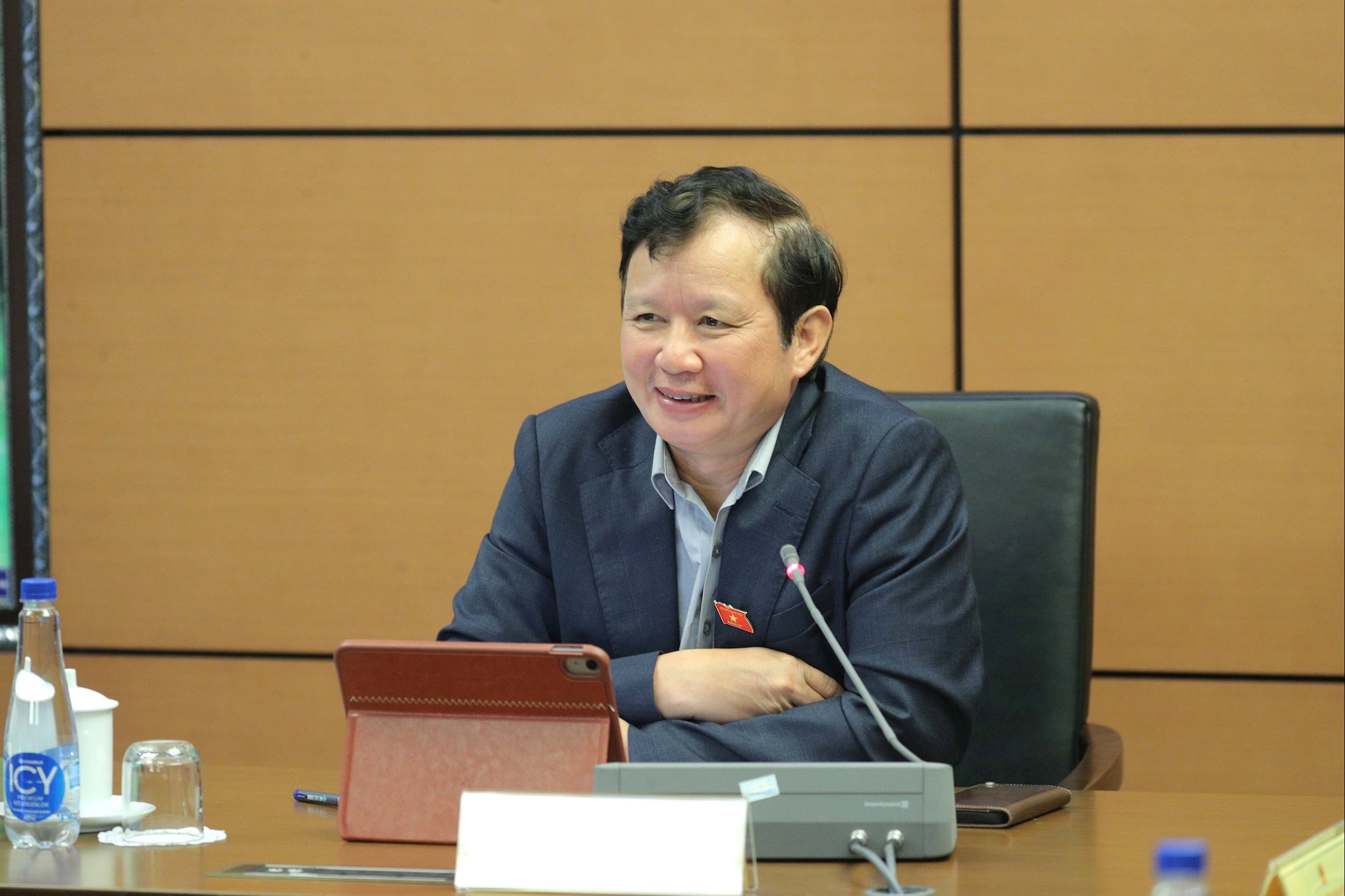
Expressing concern about legal risks if the Resolution applies a series of special mechanisms until the end of 2030, National Assembly Deputy Vu Ngoc Long said that when the 16th National Assembly continues to issue new laws such as the Law on Renewable Energy, the risk of legal conflicts is very high, because the Resolution cannot have a higher effect than the law. This could cause localities, especially decision-makers, to face risks if they apply special mechanisms but then go against the newly issued law.
Delegate Vu Ngoc Long also warned that “comprehensive” removal and more power devolution to localities would place the burden of responsibility on the implementation level. For example, if the province does not require the granting of an investor for a 110kV power project according to the Resolution, but the new law stipulates that it is mandatory, legal problems will arise.
To ensure effectiveness and legal safety in implementation, National Assembly member Vu Ngoc Long proposed: adding strong sanctions for investors who register but do not implement, causing waste of planning and quotas, affecting serious investors. Because, the draft still lacks this provision.
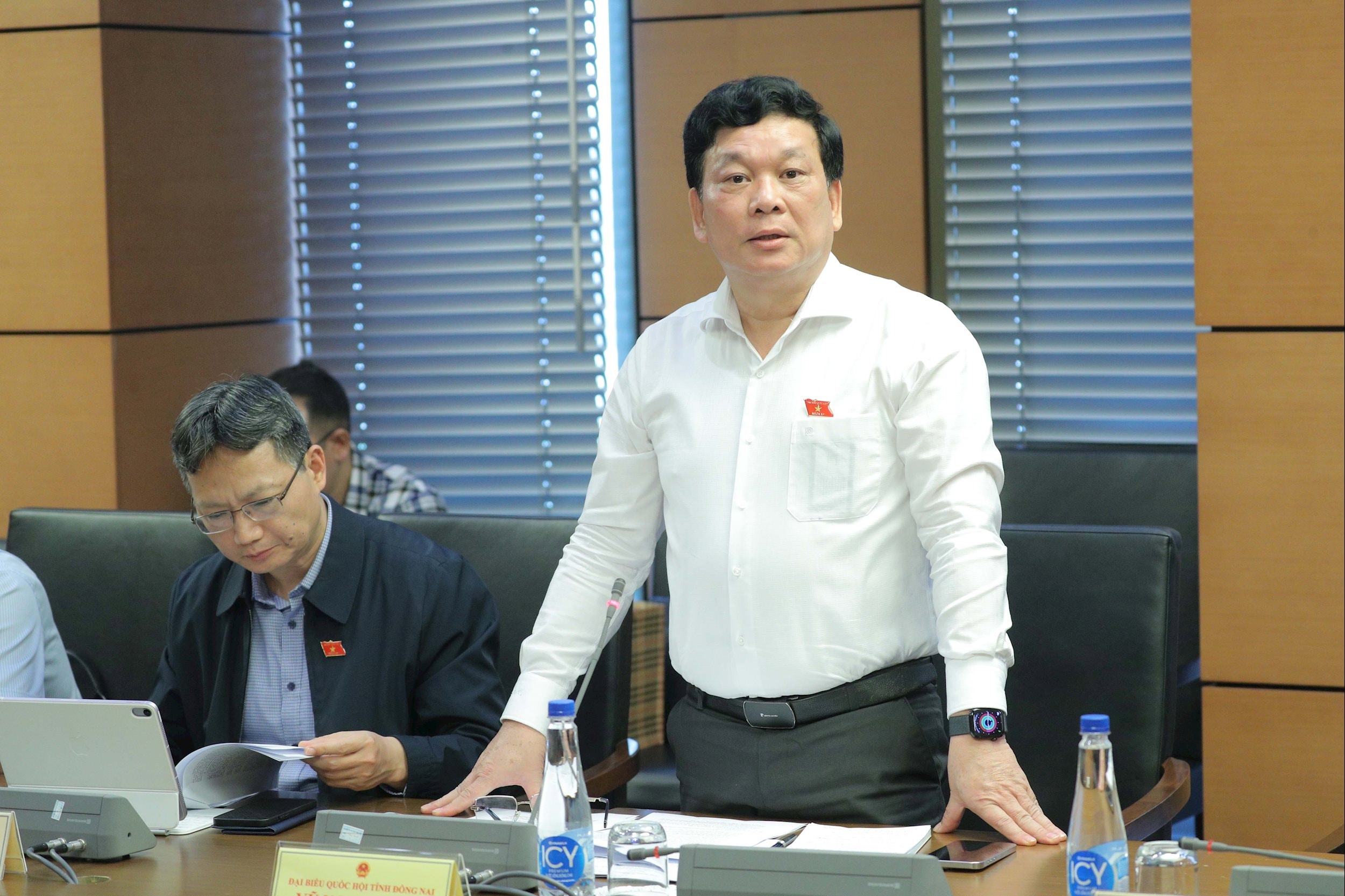
In addition, priority should be given to developing waste-to-energy as a stable source of electricity. "Waste-to-energy not only treats urban waste but also creates a clean and stable source of electricity, overcoming the disadvantages of wind and solar power, which require expensive storage batteries and are not effective in the short term," the delegate emphasized. Accordingly, it is recommended to have strong incentive mechanisms and technological standards (such as requiring an incinerator temperature of 1200–1500°C) to reduce pollution and limit fly ash.
On the other hand, it is necessary to soon license fly ash and waste-to-energy by-products as construction materials. Currently, these by-products are still in stock, although they can be reused and reduce processing costs.
In addition to flexible removal mechanisms until 2030, delegate Vu Ngoc Long also emphasized the need for a mechanism to protect decision-makers and avoid risks when implementing specific policies. At the same time, he proposed to synchronize laws in an inter-sectoral manner, not amending individual laws, but reviewing all 12 laws related to energy to unify long-term policies, avoiding the situation of patchwork and repeated amendments such as the Law on Planning and the Law on Land.
Removing transmission bottlenecks, opening mechanisms for private participation in power infrastructure
Expressing the need to issue a National Assembly Resolution on mechanisms and policies for national energy development in the 2026-2030 period, National Assembly Deputy Nguyen Tuan Anh (Dong Nai) also focused on warning about the risk of instability, lack of transparency and creating market barriers if the regulations in this draft Resolution are not closely reviewed.
Analyzing in detail the articles and clauses of the draft resolution, delegates said that the mechanism for flexible adjustment of electricity planning in the draft is currently too broad and lacks limits, which can disrupt stability and reverse legal procedures by allowing project approval first, planning adjustment later, and even extending to 2030, causing a lack of confidence in the issued planning.

Delegate Nguyen Tuan Anh also noted that giving absolute priority to state-owned enterprises in selecting investors could reduce competition, limit the participation of the private sector and foreign investors, and go against the direction of diversifying capital sources. Regarding offshore wind power - a key area of power planning, the delegate said that the draft sets out too high capital conditions and a rigid price ceiling, which can easily exclude capable investors and cause projects to lose momentum in the context of rising global costs.
From the above analysis, delegate Nguyen Tuan Anh proposed reviewing capital and price conditions to ensure investment attraction; narrowing the scope of application of exception mechanisms; and balancing flexibility in planning with the requirements of transparency, rule of law and policy stability.
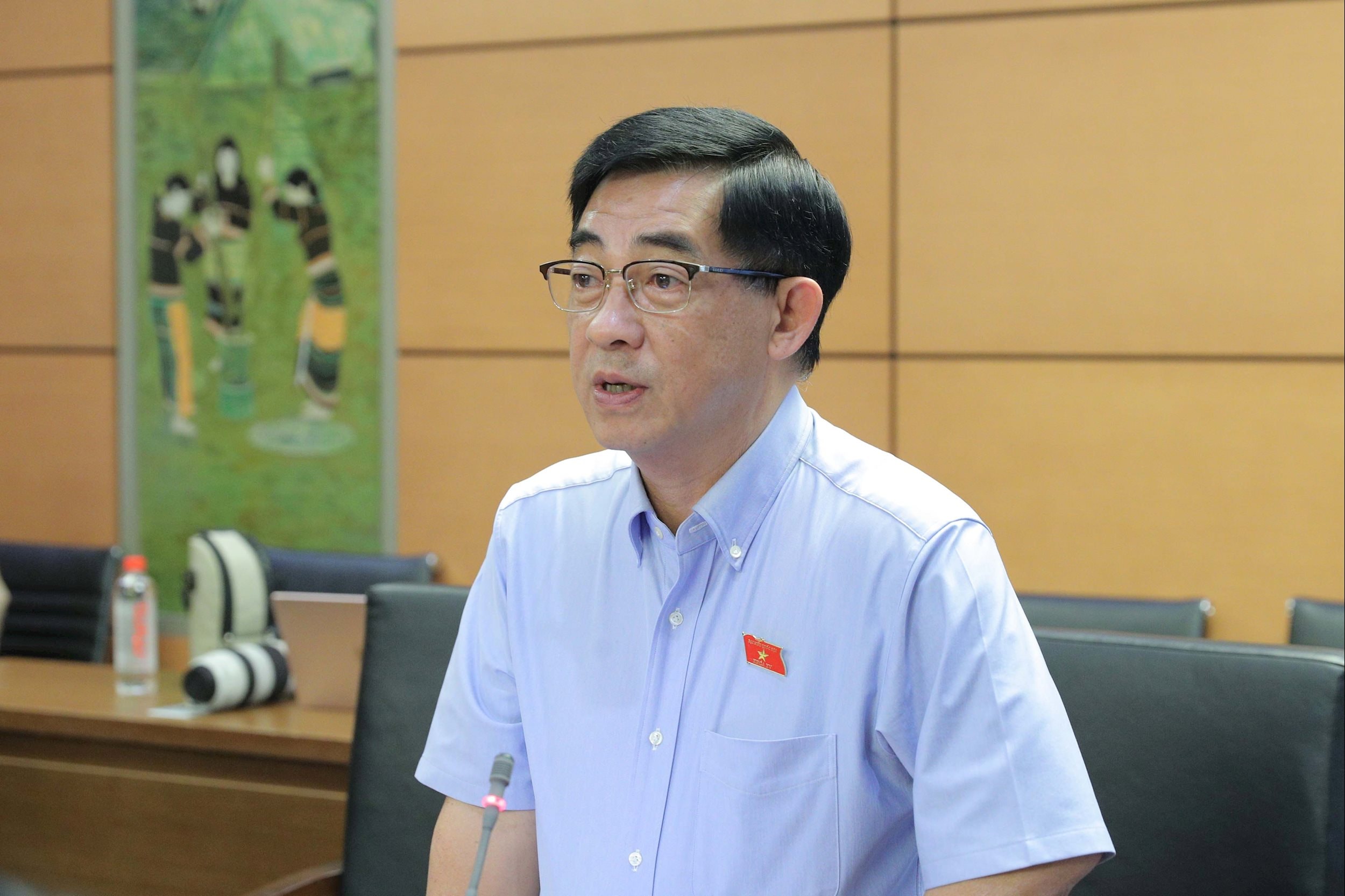
From the perspective of industrial production practices, National Assembly member Huynh Thanh Chung clearly stated the actual energy picture in industrial zones where the demand for electricity increases rapidly but the ability to meet the load cannot keep up. According to the delegate, the core problem does not lie in the national power planning but in the transmission and distribution stage, where there is a lack of capital, lack of land and slow resolution of planning problems. Specifically, at a 110kV transformer station in Dong Nai, it has been "suspended" for many years simply because the construction location could not be agreed upon and there was no capital source for implementation from the transmission unit - the delegate cited a practical example.
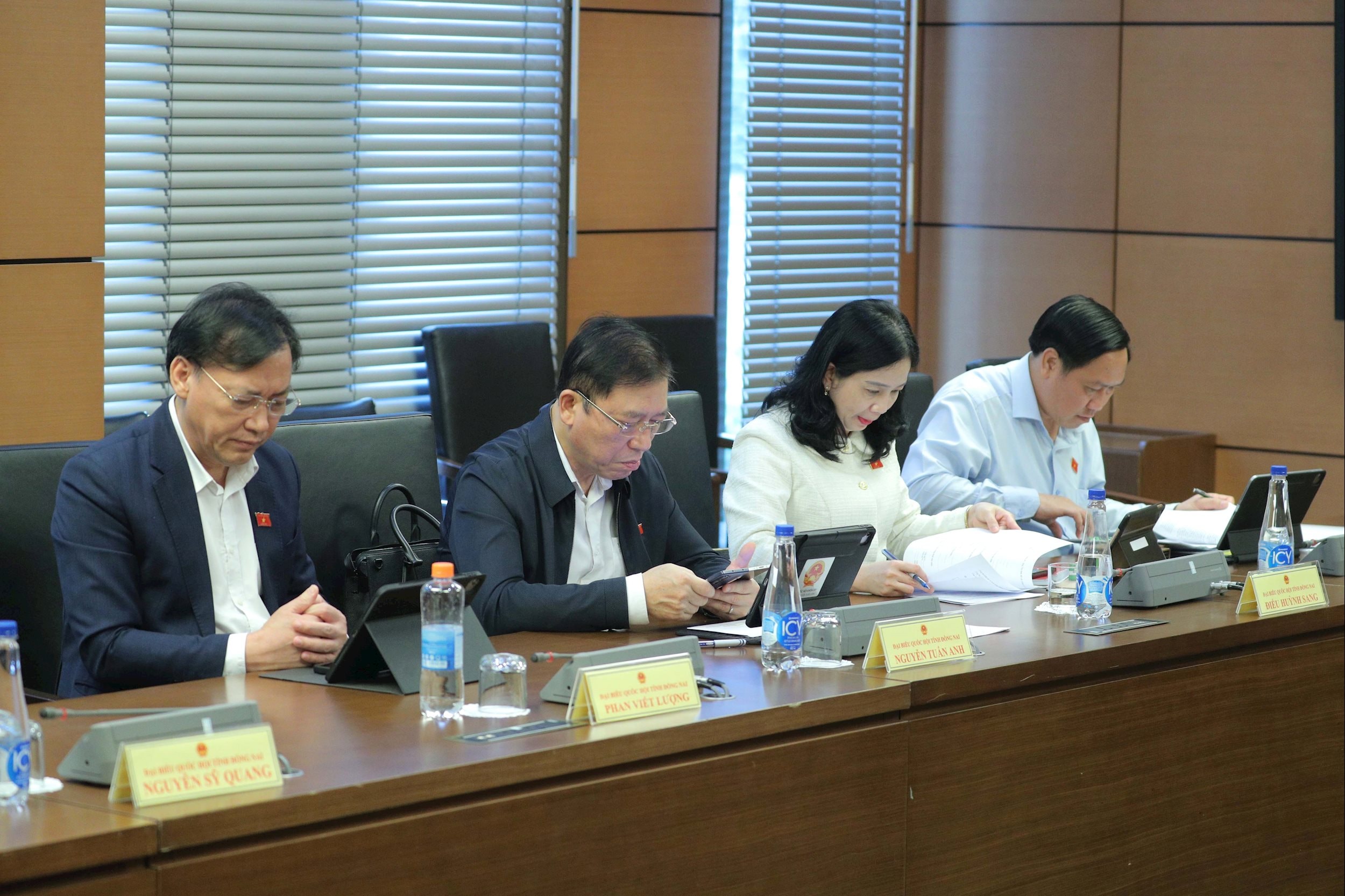
From that reality, delegate Huynh Thanh Chung suggested that the draft Resolution should flexibly adjust planning and land procedures, and at the same time establish a clear mechanism to allow the private sector to participate in investing in power infrastructure and supporting energy projects. In addition, it is proposed to expand the concept of "energy storage" in the draft to create a legal corridor for industrial park infrastructure investors to autonomously build many types of storage systems to effectively handle the difference between peak and off-peak hours, thereby ensuring a stable and quality power source for industrial production.
Also at the group meeting this afternoon, December 4, discussing the draft Law on Specialized Courts at the International Financial Center, the National Assembly Deputies Group 6 emphasized the requirements of this Law project to ensure transparency, predictability and compliance with international practices in the process of building a new institution; at the same time, they said that the establishment of this court is necessary to create a modern judicial institution, playing the role of a reliable destination in resolving investment and business disputes. However, for this model to operate effectively, the National Assembly Deputies said that it is necessary to supplement many core regulations, avoiding delegating too much authority to internal procedural rules.
Specifically, the draft must clearly stipulate international principles on service, trial in absentia and the scope of appeal; clarify the mechanism for controlling conflicts of interest for judges, especially foreign judges; and at the same time specifically define the criteria for applying foreign law, as well as the responsibility of the parties to prove the content of that law.In addition, there needs to be a competitive mechanism for court fees and litigation costs, along with stable financial resources to ensure facilities and continuity of trial activities.
Source: https://daibieunhandan.vn/chinh-sach-nang-luong-phai-minh-bach-khong-tao-rao-can-thi-truong-10398248.html


![[Photo] Cat Ba - Green island paradise](/_next/image?url=https%3A%2F%2Fvphoto.vietnam.vn%2Fthumb%2F1200x675%2Fvietnam%2Fresource%2FIMAGE%2F2025%2F12%2F04%2F1764821844074_ndo_br_1-dcbthienduongxanh638-jpg.webp&w=3840&q=75)






























![[VIMC 40 days of lightning speed] Da Nang Port: Unity - Lightning speed - Breakthrough to the finish line](https://vphoto.vietnam.vn/thumb/402x226/vietnam/resource/IMAGE/2025/12/04/1764833540882_cdn_4-12-25.jpeg)



































Comment (0)