

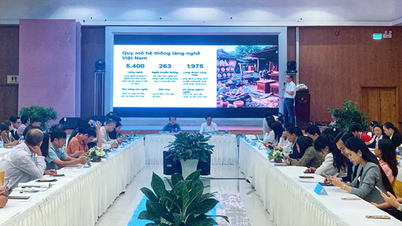
On the morning of June 24th, the National Assembly discussed the draft Law on Prevention and Combat of Human Trafficking (amended).
Representative Tran Khanh Thu ( Thai Binh ) cited a report from the Ministry of Public Security stating that in the 5 years from 2018 to 2022, 394 cases involving 837 individuals violating the law and committing human trafficking crimes were detected.
While over 80% of human trafficking cases occurred abroad between 2012 and 2020, there has been an increasing number of domestic human trafficking cases recently. In 2022 alone, domestic trafficking cases accounted for 45% of the total.
The United Nations identifies human trafficking as one of the four most dangerous crimes in the world. Delegates noted that, in recent times, human trafficking has continued to occur globally with increasingly sophisticated methods, causing particularly serious consequences.

Ms. Thu shared that nowadays, with the development of technology, perpetrators can simply sit in one place and use social media platforms like Zalo and Facebook to connect with and lure people abroad or trade victims within the country.
Continuing to cite the Ministry of Public Security's report, Ms. Thu stated that the number of human trafficking cases is increasing annually, especially recently with the emergence of trafficking in fetuses and trafficking in men for forced labor on fishing vessels.
Delegates expressed concern that in some areas, sophisticated methods of buying and selling newborns have emerged, disguised as spontaneous charitable organizations.
A newly emerging practice is the buying and selling of unborn fetuses, a socially dangerous act that violates ethics, customs, and traditions, and is not yet regulated by law. Representatives argue that criminal liability should be added to cases of buying and selling fetuses.
Representative Huynh Thi Phuc (Ba Ria - Vung Tau) suggested that the draft Law consider regulating new behaviors arising in practice regarding human trafficking.
Regarding the new practice of buying and selling fetuses in the womb, Ms. Phuc commented: "The buying and selling of fetuses begins from the time of pregnancy until the child is not yet born, so there are no consequences yet, leading to difficulties in handling the case."
According to criminal law, a child is considered a person and has citizenship rights only after birth, while a fetus in the womb is not yet considered the subject of criminal activity. This leads to a lack of legal basis for authorities to prosecute the buying and selling of fetuses.
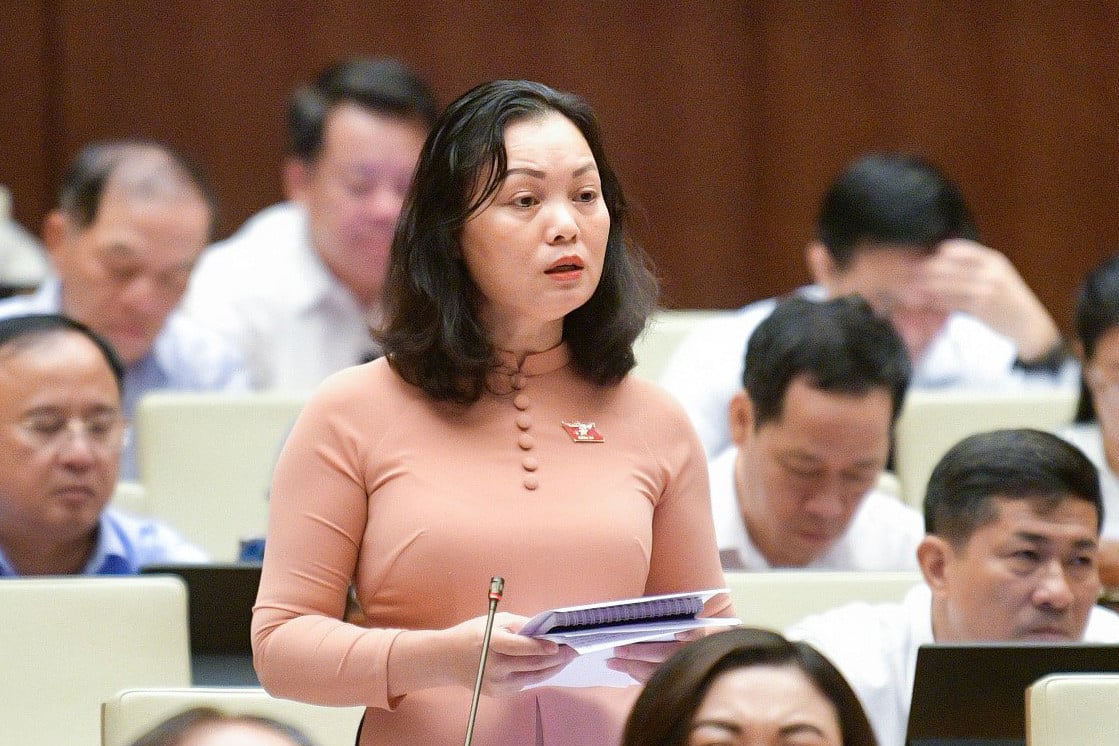
The representative analyzed that, from a legal perspective, the act of a mother selling her child should be classified as human trafficking and shows signs of the crime of human trafficking. However, in reality, the law does not yet have such a provision, so there is no basis for consideration.
The 2015 Penal Code and laws on preventing and combating human trafficking do not contain any provisions on this issue. Therefore, Ms. Phuc suggested that appropriate solutions be considered for the buying and selling of fetuses in the womb, given the increasingly complex and sophisticated nature of human trafficking.
Delegates noted that currently, those involved in human trafficking are concealing their activities through very complex forms such as tourism, signing economic contracts, labor export, arranging marriages through intermediaries, and adopting children through commercial legal entities…
Therefore, it is necessary to consider adding commercial legal entities as subjects of criminal responsibility for the crime of human trafficking. This aims to promptly adjust to the current reality of human trafficking, which often involves tightly organized, multinational operations.
Speaking afterward, National Assembly representative Thach Phuoc Binh (Tra Vinh) agreed with the above opinions on considering the addition of regulations related to the buying and selling of fetuses.
Representative Binh stated that, according to international conventions, children, including fetuses, need to be protected from the moment they are in the womb. The buying and selling of fetuses can be considered a serious violation of human rights and children's rights. This requires member states, including Vietnam, to have specific legal regulations.
Mr. Binh stated that some countries have specifically defined the buying and selling of fetuses as a crime. Several US states have clear regulations prohibiting the buying and selling of fetuses and considering it a serious offense. Referring to and learning from the experiences of these countries will help Vietnam improve its legal system.
"Although unborn, fetuses need to be protected like human beings, with all their basic rights. The buying and selling of fetuses not only violates the rights of the fetus but is also a serious insult to human dignity," Mr. Binh emphasized.
According to Mr. Binh, adding this act to the crime of human trafficking would demonstrate respect for and protection of the rights of the unborn child, in line with ethical and humanitarian values.
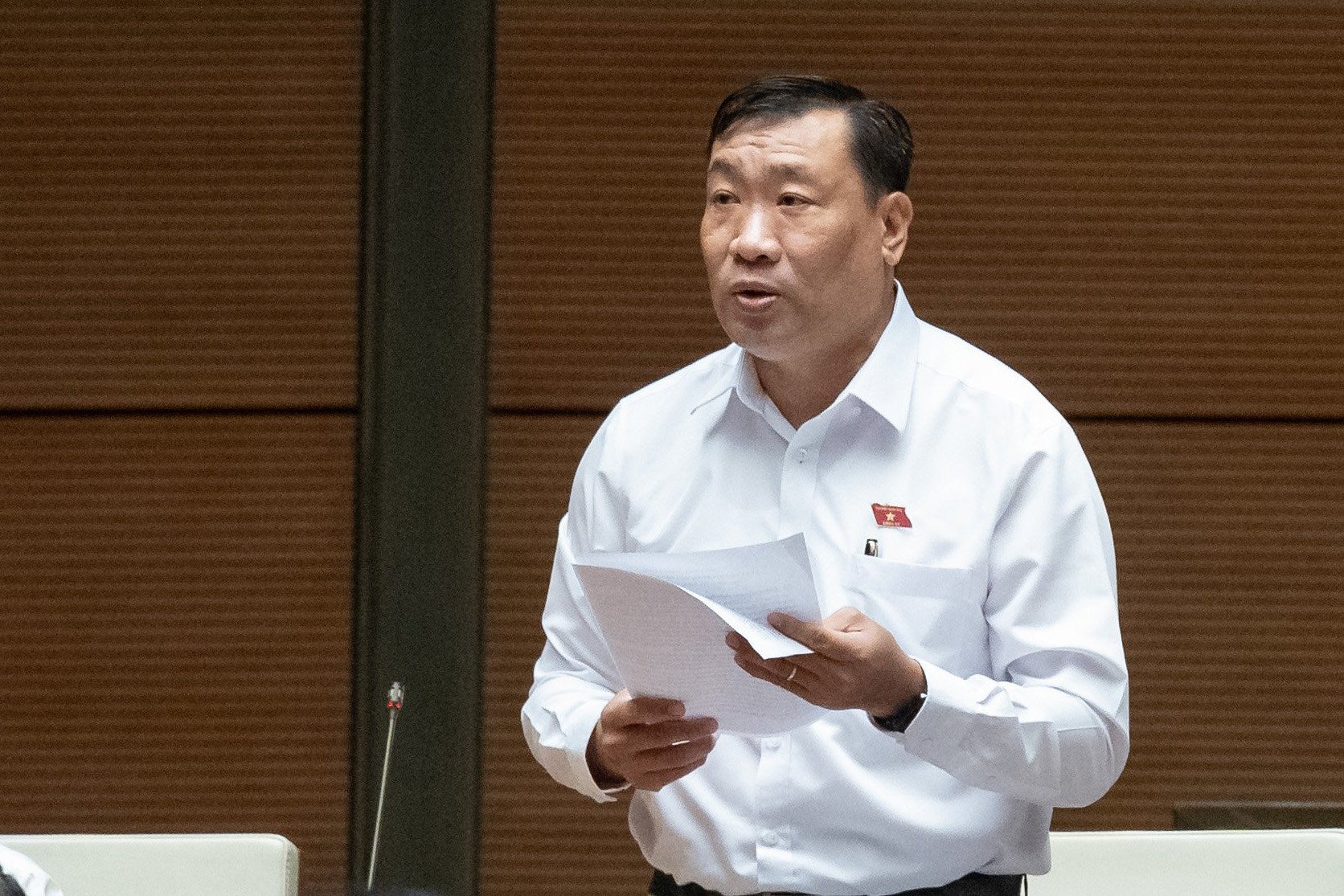
The lack of clear regulations creates loopholes for the trafficking of fetuses, leading to negative consequences for society. Adding these regulations will help prevent and deter unethical practices and protect the safety of both the fetus and the pregnant mother.
Delegates expressed concern that the buying and selling of fetuses is on the rise and becoming increasingly complex, especially since these cases often involve organized crime rings.
Therefore, adding these regulations will provide authorities with a legal basis to thoroughly handle these cases. "Protecting the fetus also means protecting pregnant mothers from coercive acts of selling their children," Mr. Binh emphasized.
Furthermore, Mr. Binh noted that attention should be paid to the difficulties in conducting investigations, gathering evidence, and identifying criminal acts, especially in the context of clandestine transactions.

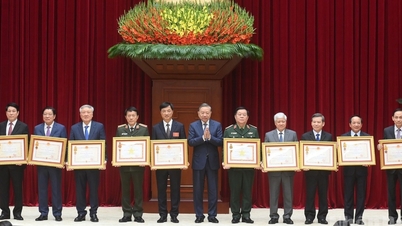
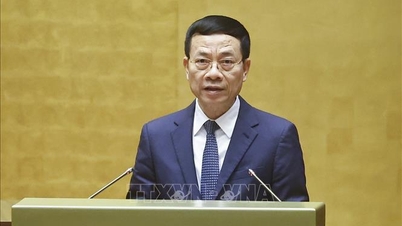
Minister of Public Security Luong Tam Quang presents the draft Law on Prevention and Combatting Human Trafficking.
Source: https://vietnamnet.vn/dai-bieu-quoc-hoi-de-xuat-xu-ly-hinh-su-voi-hanh-vi-mua-ban-thai-nhi-2294531.html








































































Comment (0)