

We need to reduce distribution monopolies.
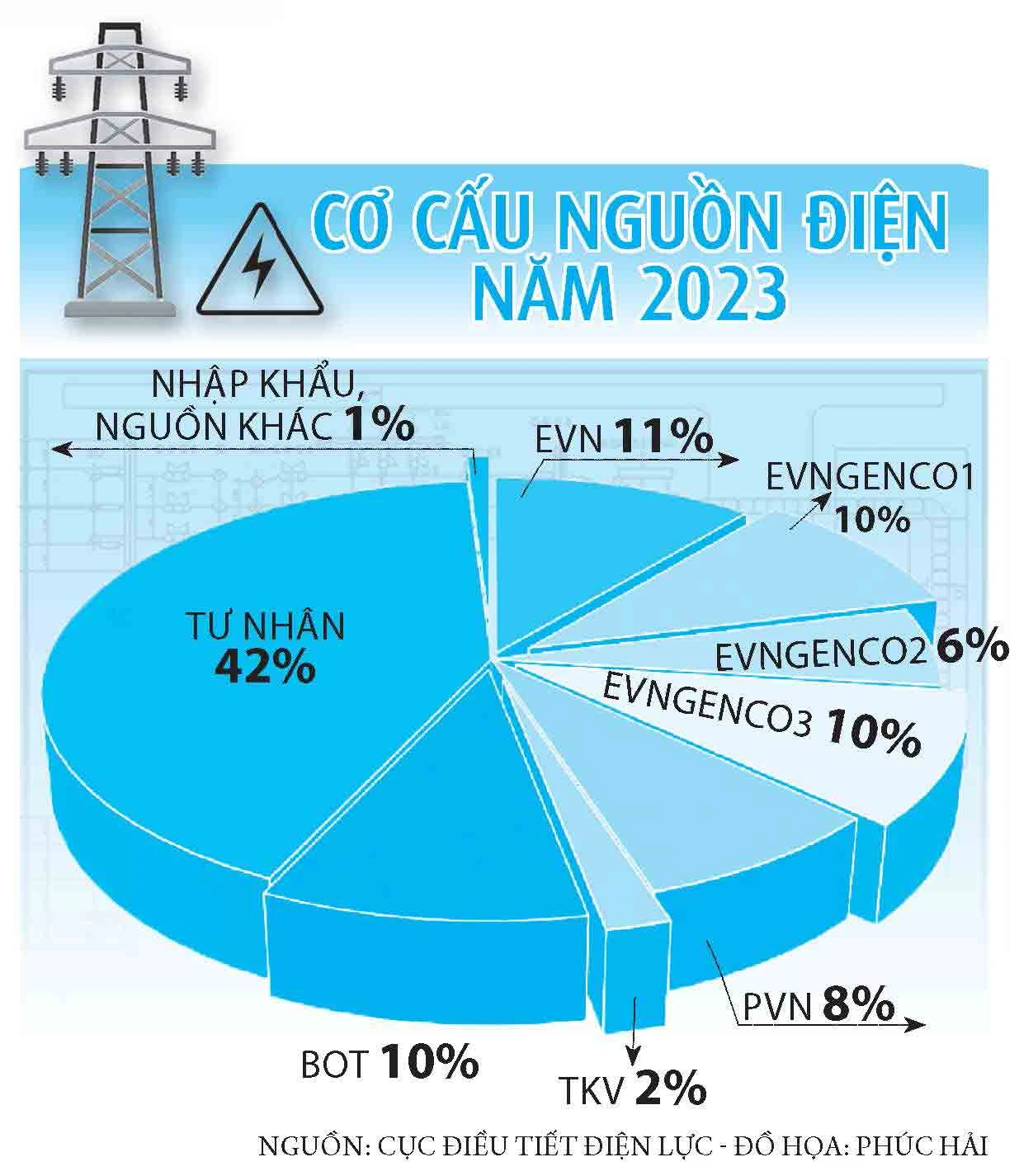
In a recent report, the Electricity Regulatory Authority stated that Vietnam Electricity Group (EVN), a state-owned enterprise, only controls 37% of electricity supply, with nearly 11% directly managed and 26% indirectly through its power generation corporations. In reality, EVN has long ceased to have a monopoly on electricity production, as the law allows for the participation of various economic sectors, particularly the private sector, which was among the first to develop power sources after 2006. Over the past five years, with policies encouraging the development of renewable energy, the private sector's electricity supply has grown significantly. Currently, 42% of electricity comes from the private sector.
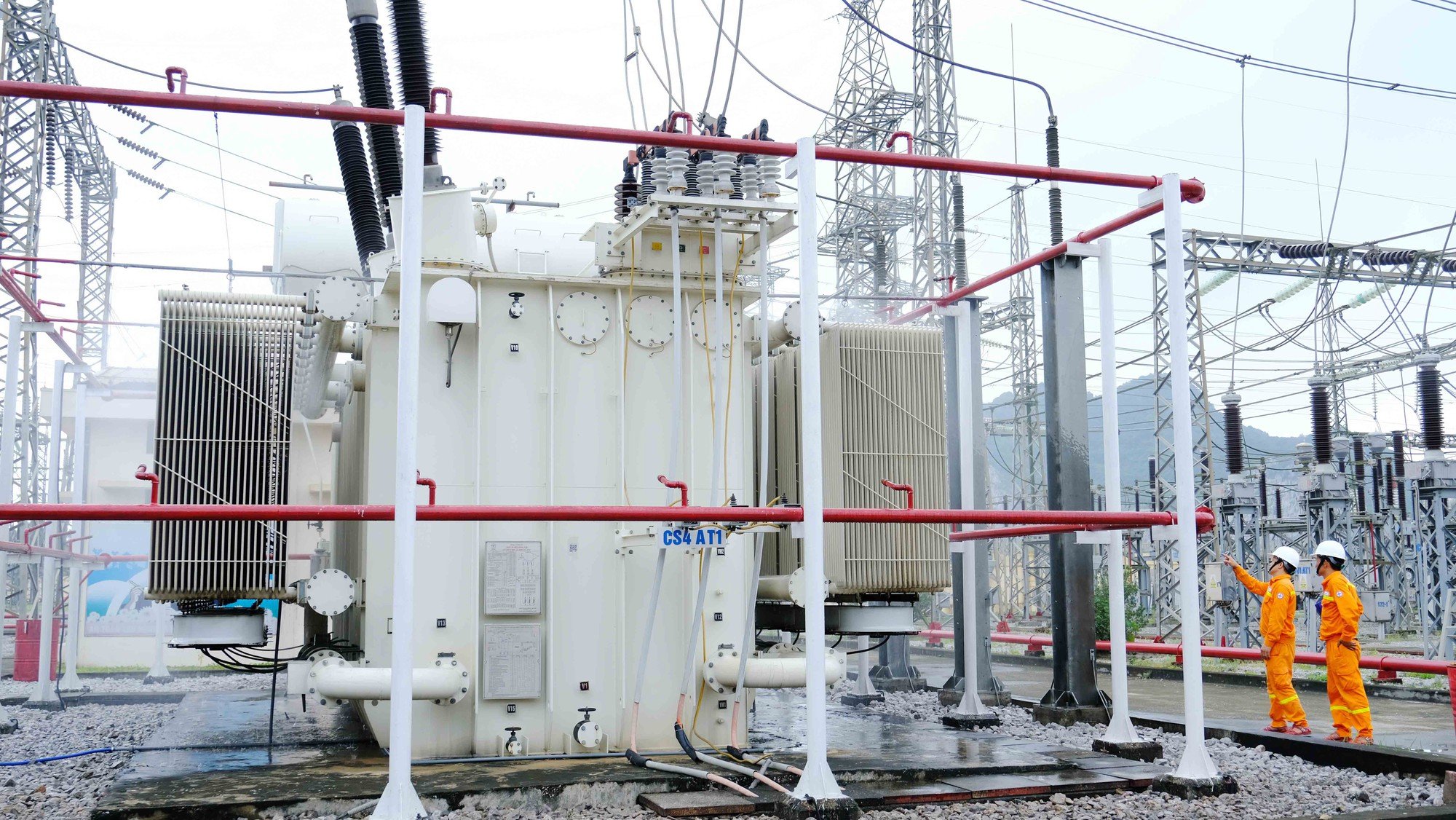
Each stage in the electricity production and distribution chain needs to be socialized.
While not a monopoly on electricity generation, the Vietnamese Electricity Law still stipulates that the State controls, manages, and operates the power grid in the transmission sector. Accordingly, EVN still owns most of the transmission system, from 500 kV and 200 kV ultra-high voltage lines to substations.
Dr. Tran Dinh Ba (Vietnam Economic Science Association), author of a research project on the electricity bank model since 2010, argues that the state's monopoly on electricity transmission creates significant difficulties for efforts to develop a competitive electricity trading market and power generation. While electricity is abundant, the state buys it at will, or refuses to buy it when it feels like it, citing overloaded transmission lines as the reason for not buying, leading to waste. Dr. Ba cites the example of policies encouraging private sector development of rooftop solar power, which resulted in abundant electricity supply in a very short time. Referring to the current situation in Northern Vietnam during the summer months, where electricity shortages are a concern, Dr. Ba suggests that simply encouraging private sector development of rooftop solar power and allowing direct buying and selling would eliminate the problem of surplus electricity that cannot be generated.
"I'm very surprised to hear about Vietnam facing a power shortage in the next few years, even extending to 2030. Why should a country with abundant renewable energy resources worry so much about electricity shortages? The South has excess solar power due to its many sunny days, and the North doesn't lack solar power if the mechanisms are more open. The solar radiation in the North is enormous, several times greater than in Europe, and comparable to the South, but its exploitation is not encouraged, leading to electricity shortages. We must 'break the rules' to allow the entire population to generate electricity, and allow direct electricity trading to mobilize all resources, promptly resolve difficulties, and unblock areas with power bottlenecks, especially solar power projects. Besides that, to reduce the monopolistic distribution of the electricity sector, we need to promote direct electricity trading mechanisms, selling to neighbors… This must be done decisively, and it is an important foundation for building a competitive electricity trading market and gradually eliminating monopolies. This is about transmission." "It's incredibly wasteful if there's no electricity to transmit," emphasized Dr. Tran Dinh Ba.
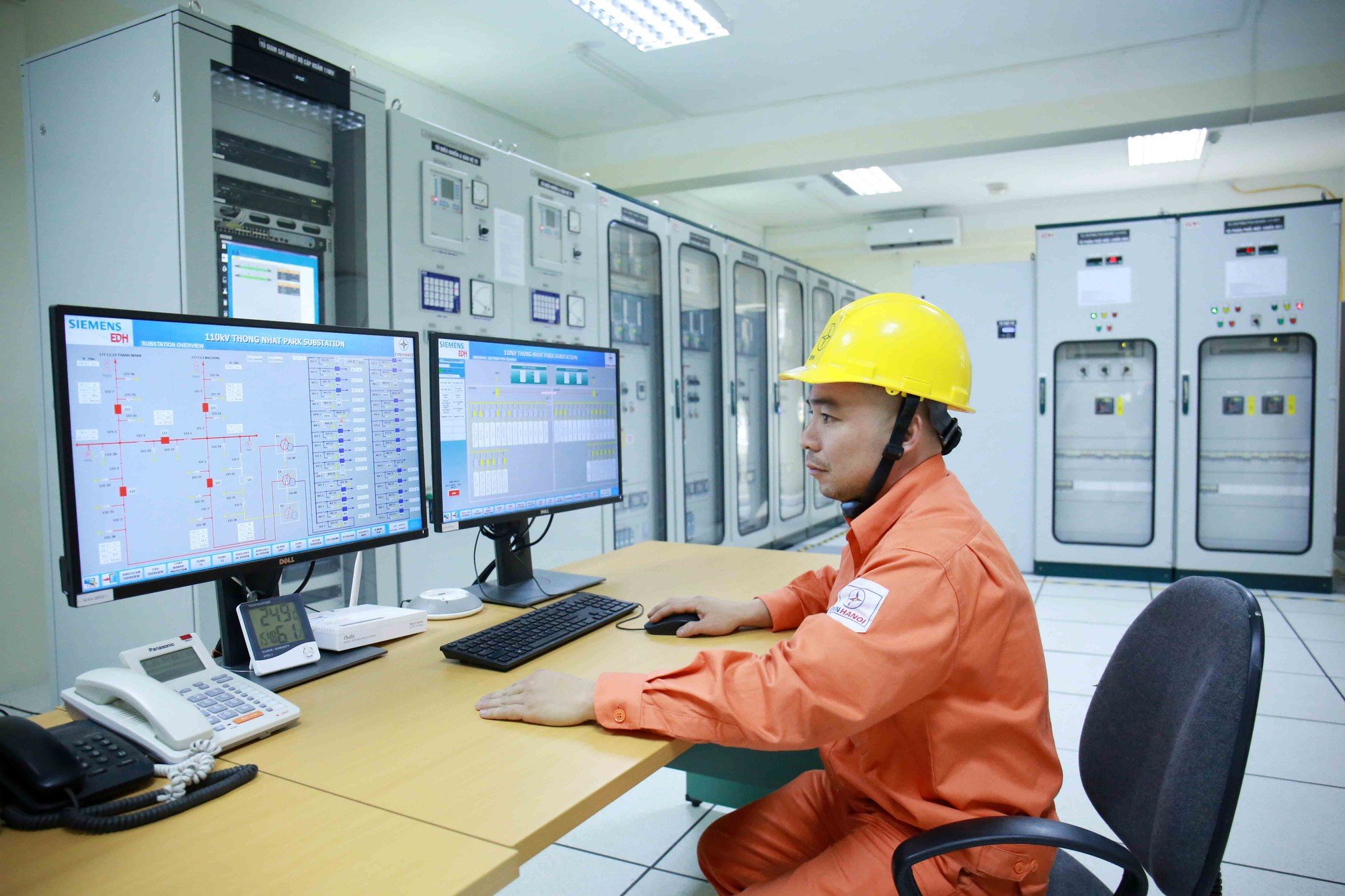
Sharing the same view, trade expert Vu Vinh Phu commented that the elimination of the monopoly simply doesn't mean that state-owned enterprises have a certain percentage of the power supply. The operating mechanism applied to the electricity sector still has elements of monopoly. Buying at state-regulated prices, selling at state-regulated prices, and even transmission prices are set by the state...
"It doesn't matter what percentage you hold, but I generate electricity and can't sell it to anyone else; I only sell it to you for redistribution. That's the monopolistic element. I really want to buy electricity from my neighbor who has surplus solar power, but I can't. My neighbor can't sell it to me either. I have to make a power purchase agreement with a state-owned enterprise. That's the monopolistic element. In my opinion, the electricity sector, like the oil and gas sector, should gradually loosen restrictions, allowing direct buying and selling, based on mutual agreement. The power purchase mechanism should be boldly implemented soon so that localities have the opportunity to attract investment, create jobs for local workers, and at the same time open opportunities for localities, factories, and residential areas to access renewable energy sources faster, fulfilling Vietnam's commitment at COP26 to achieve net-zero emissions by 2050," said expert Vu Vinh Phu.
Dr. Tran Dinh Ba (Vietnam Economic Science Association)
24 solar power companies want to sell directly, bypassing EVN.
The Ministry of Industry and Trade has just submitted a report to the Prime Minister and Deputy Prime Minister on the study of developing a mechanism for direct electricity trading between renewable energy power generation units and large electricity consumers (DPPA). This is an important legal basis for direct electricity trading between the two parties. Currently, regulations on electricity distribution prices, electricity system operation dispatch prices, and electricity market transaction prices have been proposed by the Ministry of Industry and Trade in coordination with the Ministry of Finance to be added to the Law on Prices, expected to take effect from July 1, 2024.
Notably, in this draft, the Ministry of Industry and Trade stipulates that direct electricity trading only applies to power generation units owning wind or solar power connected to the national grid with a capacity of 10 MW or more. Large electricity consumers are organizations and individuals purchasing electricity for production purposes from 22 kV and above. Thus, the mechanism of "selling electricity to neighbors," on a much smaller and simpler scale, is not addressed. Power generation and electricity purchase are directly connected via transmission lines, and both parties are responsible for complying with regulations, with power generation units responsible for investing in and constructing power projects in accordance with the planning. In addition, the draft also mentions the trading of electricity through the spot market.
In reality, there is a huge demand for projects to sell electricity directly. According to a survey by the Ministry of Industry and Trade in mid-2022, 24 out of 95 renewable energy projects wanted to sell electricity directly, bypassing EVN; 17 projects were being considered by investors regarding the possibility of finding and signing direct contracts with customers. In addition, through screening and consultation, the Ministry also sent survey questionnaires to 41 customers, of which 24 wanted to participate in the Direct Power Purchase Agreement (DPPA) mechanism with a total estimated demand of 1,125 MW.
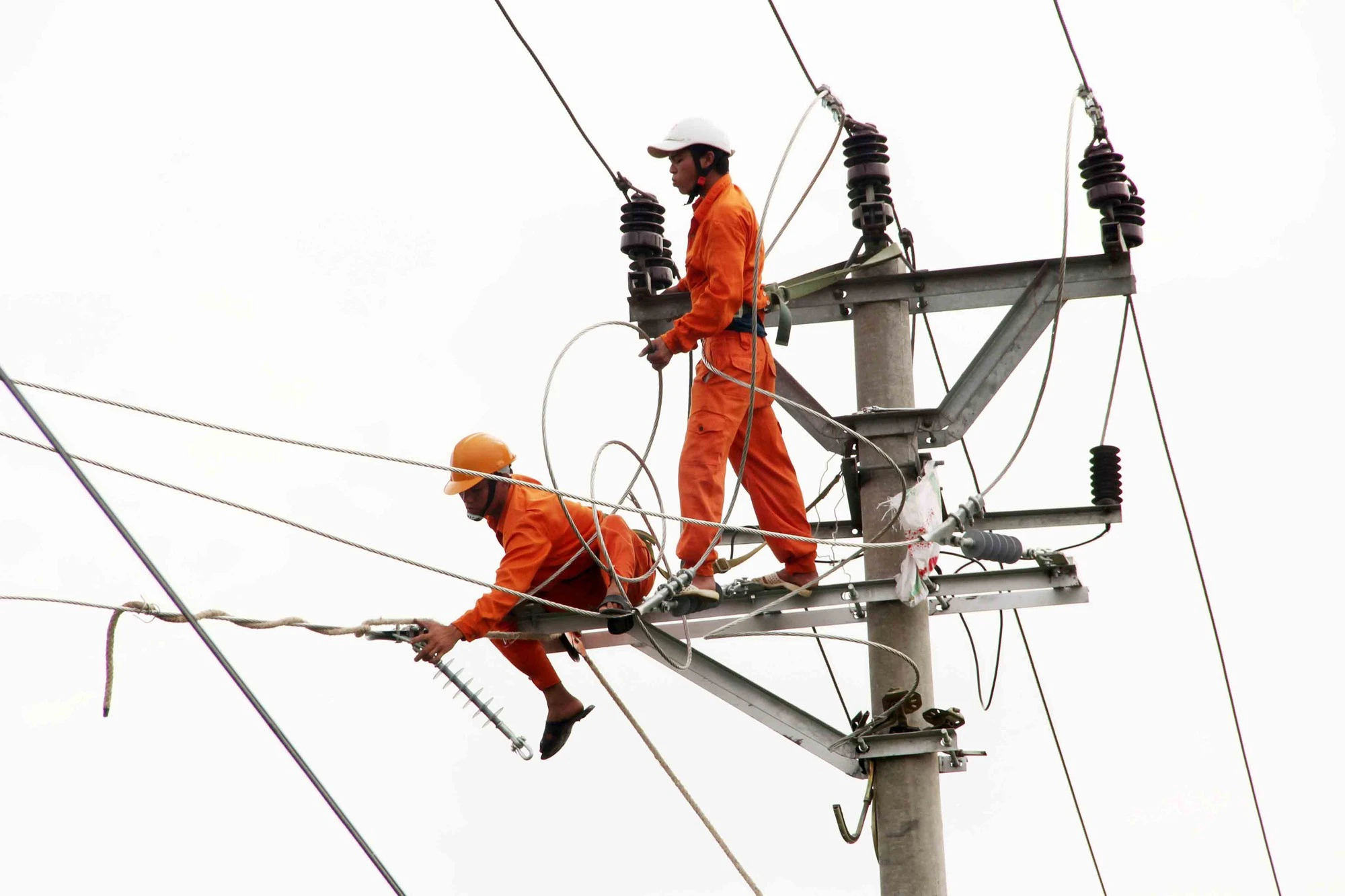
Mechanisms are needed to encourage private sector participation in the electricity trading and distribution market.
In a submission to the Government at the end of August, the Ministry of Industry and Trade proposed amending the Electricity Law, suggesting revisions to the regulations on the State's monopoly in electricity transmission; and simultaneously attracting all economic sectors to participate.
Dr. Tran Dinh Ba cited an example: "In the past, the socialization of electricity distribution was implemented but failed because private companies were unwilling to invest. Why is that? When pilot projects fail, we should immediately review whether the policy truly represents socialization, whether investors' rights are adequately protected, or whether we still want to cling to the state monopoly. I believe that, in the short term, we need to entrust localities, especially in the North, with meeting 25-30% of local electricity demand and allowing direct electricity trading on the grid using rooftop solar power. In my opinion, Resolution 55 of the Politburo on the strategic orientation for the development of Vietnam's national energy sector until 2030, with a vision to 2045, has allowed private investment in the electricity sector. This is an important basis for promoting the socialization of electricity production and distribution as soon as possible."
Strengthening a series of mechanisms and policies to realize the Power Development Plan 8.
Chairman of the Vietnam Energy Association, Tran Viet Ngai, stated: "The electricity sector still has a lot of work to do. However, all mechanisms and implementation plans are extremely slow. The National Power Development Plan 8 has been in place for half a year, yet no power generation or transmission projects have been implemented. The plan is merely a framework that the Government uses to approve which projects require bidding to find investors, and which projects are assigned to EVN, from gas, coal, pumped storage, wind power, etc.; who will do it, how, and where the capital will come from. Even for grid investment, roles and responsibilities must be clearly defined. You can't just create a list and tell anyone to do whatever they want without incentives; it might take 20 or 30 years to complete. Currently, private companies can build 500 kV, 220 kV, 110 kV, 22 kV transmission lines, etc., so why aren't there policies to encourage this?" In reality, EVN remains a "contractor" for the State, and the electricity sector has maintained a monopoly on electricity distribution for far too long.
Mr. Ngai said: "The reason for the electricity shortage in the North is not due to a lack of transmission from the South, but rather a lack of power sources. Therefore, socializing investment in transmission is also a way to increase investment resources for the electricity sector in general. Previously, there was competitive power generation between power plants, but for some unknown reason, it was abandoned. To develop power sources, we should gradually eliminate monopolies and socialize the direct sale of electricity to consumers, bypassing transmission. The only way to marketize the electricity sector is to allow private companies to participate in the electricity trading and distribution market."
Associate Professor Ngo Tri Long analyzed: Since 2013, Prime Minister's Decision 63 has developed the electricity market in three levels: competitive electricity generation market, pilot competitive electricity trading, and competitive retail electricity. However, over the past 10 years, we have mainly developed the competitive electricity production market, with many shortcomings in wholesale and retail markets, and competitive retail markets are nowhere near emerging. To date, although EVN is no longer the sole electricity producer, as a state-owned enterprise, it still maintains a high monopoly share because it remains the sole buyer from all power sources and the sole seller.
"The monopoly situation cannot end if it continues," Dr. Long emphasized, adding that the main idea of Resolution 55 is to combat monopolies in the electricity sector. To achieve this, it is necessary to allow more economic sectors to participate and move towards the socialization of investment in clean and renewable energy. Accordingly, this must be implemented across all three areas: power generation, operation, transmission, and distribution. The State should only focus on areas that the private sector does not handle or issues of national security and defense importance. Furthermore, to have a competitive electricity market and reasonable electricity prices for consumers, the monopoly on electricity trading, related to transmission and distribution, must be eliminated.
81/85 renewable energy transition projects have submitted proposals for price negotiations.
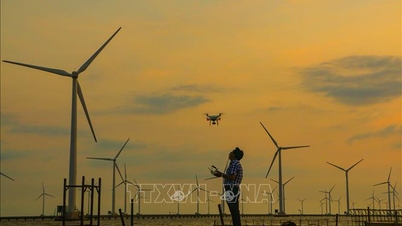
According to Vietnam Electricity Group (EVN), as of October 27th, 81 out of 85 wind and solar power projects with a total capacity of 4,597.86 MW have been approved. Of these, 69 projects with a total capacity of 3,927.41 MW requested a provisional price equal to 50% of the ceiling price in the price framework as stipulated in Decision No. 21 of the Ministry of Industry and Trade. EVN and the investors have completed price negotiations and initialed PPA contracts for 63 out of 69 projects. The Ministry has also approved provisional prices for 62 projects with a total capacity of 3,399.41 MW. EVN also stated that 24 projects have received acceptance of the works/parts of the works from competent state management agencies; 30 projects have been granted power operation licenses for the entire plant/parts of the plant; and 40 projects have received decisions to extend investment approval. However, there are still 4 projects with a total capacity of 136.70MW that have not yet submitted negotiation documents.
According to the approved Power Development Plan 8, electricity demand is projected to increase at an annual rate of 7.9-8.9%, and total power generation capacity will increase from 77 GW to 122 GW or 146 GW by 2030. Of this, 36-47% of electricity will be generated from renewable energy (including wind, solar, and hydropower). This leads to a huge need for the construction and renovation of new power transmission lines, with an estimated total investment cost of 15.2-15.6 billion USD. Meanwhile, the ability to borrow capital to continue investing in the power sector (power generation and transmission grid) is also limited, due to the high total debt of both EVN and the National Power Transmission Corporation (EVNNPT), without government guarantees. The financial situation of EVN and EVNNPT is unlikely to improve quickly due to the current electricity pricing and transmission tariff (79.08 VND/kWh), both of which are subject to government decisions. Private investment has been encouraged since 2004, but is limited by the legal framework.
According to Law No. 03/2022/QH15, private investors are permitted to develop and operate power grid assets. However, the investment framework, as outlined in the decrees and regulations guiding its implementation, has not yet been issued. To date, no model for private investment in the power grid has been implemented; only transmission projects linked to power generation have been permitted. Specific guidelines and regulations are needed to enable investors to develop power grid infrastructure projects under the Investment Law before implementation can begin.
Energy expert Nguyen Anh Tuan
Source link


![[Photo] Prime Minister Pham Minh Chinh holds a phone call with the CEO of Russia's Rosatom Corporation.](/_next/image?url=https%3A%2F%2Fvphoto.vietnam.vn%2Fthumb%2F1200x675%2Fvietnam%2Fresource%2FIMAGE%2F2025%2F12%2F11%2F1765464552365_dsc-5295-jpg.webp&w=3840&q=75)



































































Comment (0)