

In the context of increasingly complex climate change, stories of farmers clinging to staple crops like rice and cassava are no longer uncommon.
However, in Loc Ninh commune, a purely agricultural commune in Tay Ninh province, a silent but powerful "revolution" is taking place. The government, acting as a policy communicator, and the people, proactively grasping information, are gradually transforming the crop structure, making durian the main crop and opening up a new direction for sustainable poverty reduction.
"Favorable timing and location" for durian trees.
Loc Ninh possesses natural advantages that not every locality has. It has a tropical monsoon climate with two distinct rainy and dry seasons, and especially abundant water resources from its irrigation system, making it very suitable for fruit trees that require high humidity. More importantly, this area has fertile black soil and ancient alluvial deposits, considered "golden soil" for the development of durian trees – a crop known as the "king" of tropical fruits.
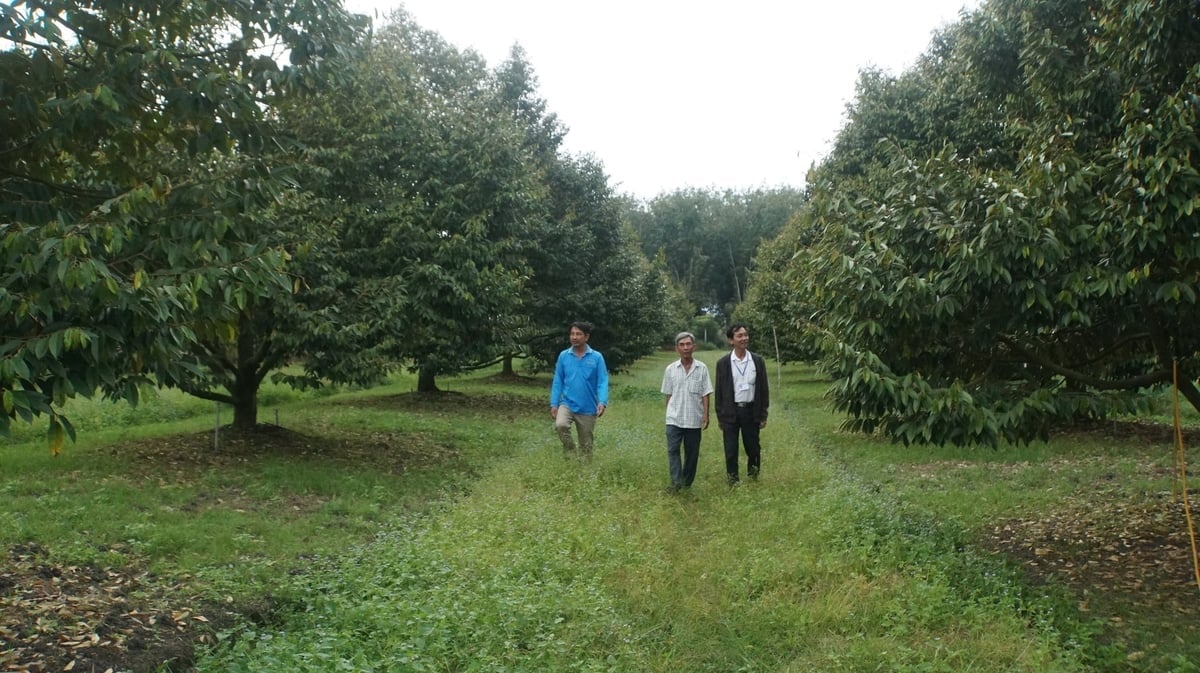
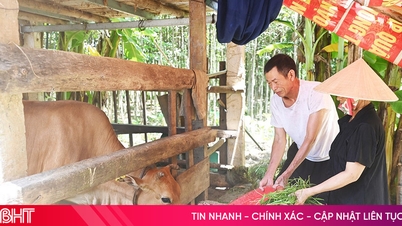
Durian cultivation opens a path out of poverty for people in Loc Ninh commune. Photo: Tran Trung.
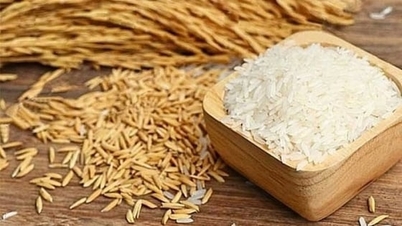
Previously, the majority of the villagers' cultivated land was focused on rice and cassava. Although these provided a stable food source, their economic value was low, and they were constantly under pressure from market prices and investment costs. Many households, despite their hard work, remained on the list of poor and near-poor households in the commune.
Recognizing the potential of the land and the limitations of traditional crops, the Loc Ninh commune government proactively initiated a policy of transforming the crop structure towards efficiency and sustainability. Significantly, this policy did not remain just a slogan but was implemented systematically through a series of comprehensive solutions.
First and foremost, public awareness campaigns were prioritized. The commune organized workshops and technical training sessions, inviting agricultural experts to provide on-site guidance to ensure people fully understood the new production process. Simultaneously, the government connected with the Social Policy Bank, facilitating access to preferential loans for farmers, and introduced high-quality durian varieties such as Monthong and Ri6, which are suitable for the local climate.
Beyond just production, the commune also supports the establishment of cooperatives to form sustainable supply chains, helping people secure stable markets and avoid the situation of "bumper harvests leading to price drops." These steps have created a foundation for people to boldly change their production mindset, embrace new information, and gain more motivation to improve their lives.
Farmers in Loc Ninh, accustomed to working the land from dawn till dusk cultivating rice, were initially hesitant. However, after witnessing successful pilot models and the persistent efforts of local officials, they boldly embraced the change.
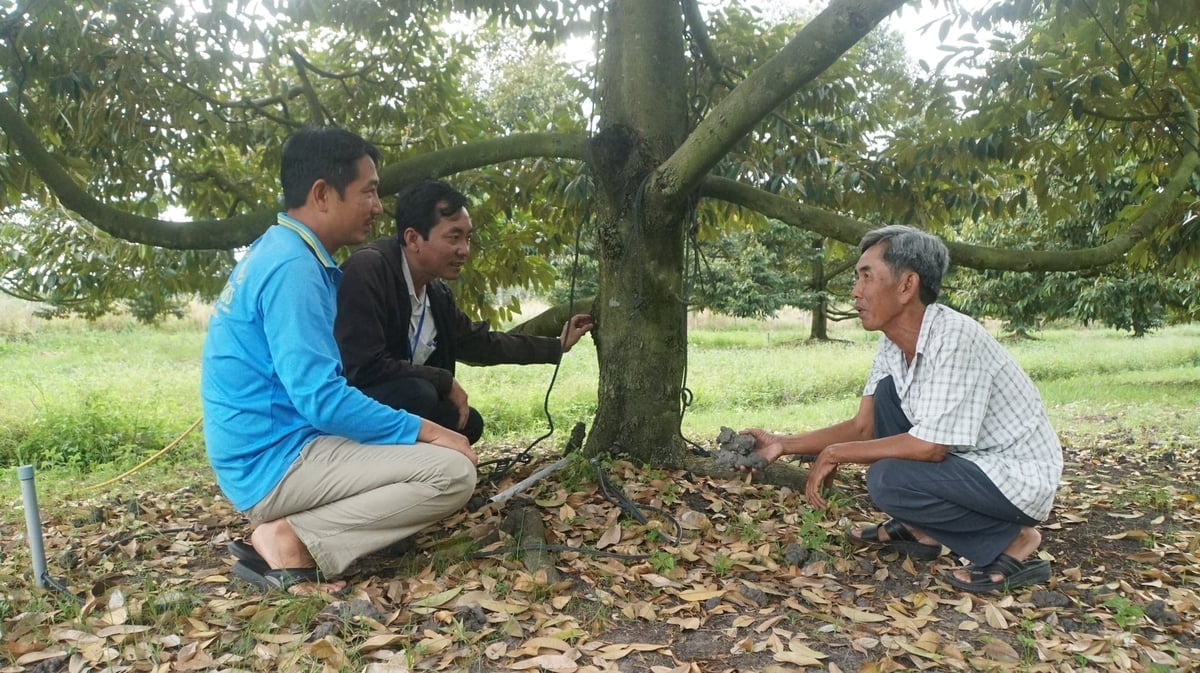
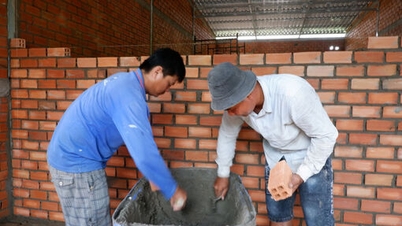
The people of Loc Ninh commune are gradually mastering cultivation techniques and taking control of their livelihoods from durian trees. Photo: Tran Trung.
Mr. Vo Van My, a model household in Loc Ninh commune, shared: "At first, I was very worried. Switching from rice to durian farming was like losing my entire fortune. But after listening to the commune officials' analysis and seeing how good my land was and how much water I had for irrigation, I took a chance and went ahead. Now I'm very happy; one sao (approximately 1000 square meters) of durian yields dozens of times more profit than rice farming."
The story of poverty reduction through fruitful results.
Success didn't come immediately, but perseverance paid off. In recent years, the first durian orchards have begun yielding harvests. The economic value this crop has brought has far exceeded all expectations.
“Previously, the hamlet mainly relied on agriculture, primarily rice cultivation, with some additions like cassava and longan for a while. However, fluctuating agricultural prices caused difficulties for the people. Therefore, they chose to switch to durian cultivation. They boldly abandoned longan, corn, and rubber plantations to make the switch. The current area is about 20-30 hectares. People only started growing durian about 5 years ago,” shared Mr. Nguyen Ba Quoc, head of Loc Trung hamlet, Loc Ninh commune.
Many households, previously classified as poor or near-poor, have risen to become well-off or even wealthy. Old, dilapidated houses have gradually been replaced with sturdy ones. The material and spiritual lives of the people have improved significantly.
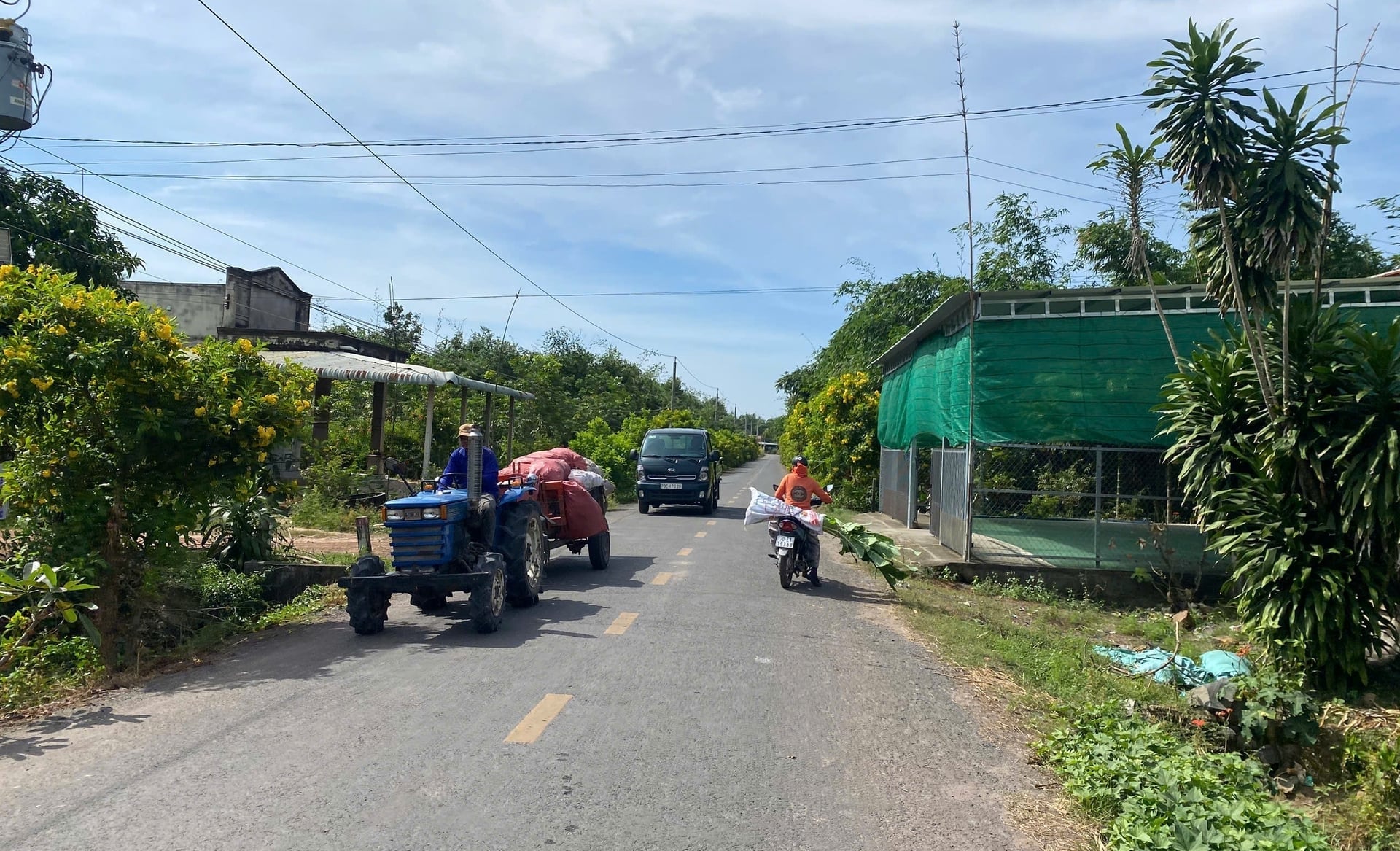
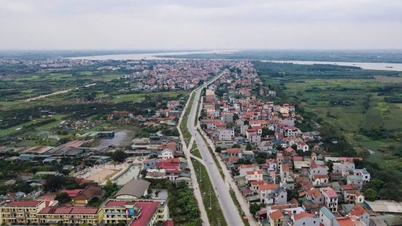
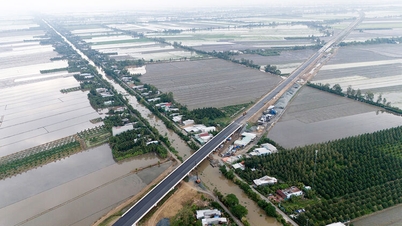
The rural landscape of Loc Ninh commune is increasingly improving thanks to the rational transformation of crop structure. Photo: Tran Trung.
This transformation model not only helps people increase their income but also makes a significant contribution to the local goal of sustainable poverty reduction. It demonstrates that maximizing natural strengths, combined with the government's responsiveness and the people's proactive approach to information and technology, is the key to success in modern agriculture.
Today, Loc Ninh is not only fragrant with the scent of ripening rice but also renowned for its durian. This revolutionary shift in crop structure has not only yielded material rewards but has also ignited faith and hope for a brighter future in this sun-drenched and windy land of Tay Ninh.
Source: https://nongnghiepmoitruong.vn/di-truoc-don-dau-bai-2-sau-rieng-mo-loi-thoat-ngheo-d789068.html






































































Comment (0)