

In people's lives, medicinal herbs have long been intertwined, playing a crucial role in diagnosis, treatment, and healthcare using traditional medicine. In recent years, along with the trend of returning to the use of natural herbs, the demand for medicinal herbs and products derived from them has increased significantly, opening up great opportunities for the Vietnamese medicinal herb industry.
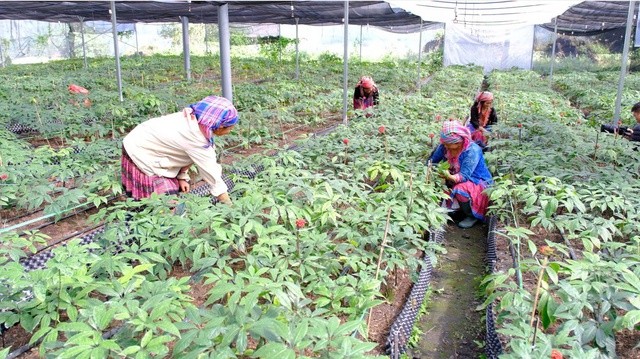
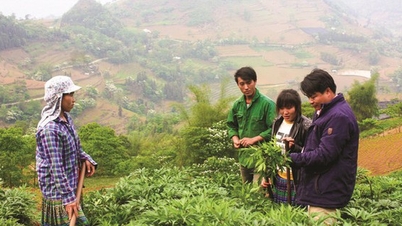
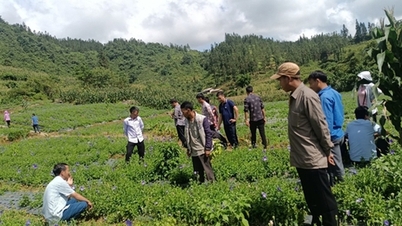
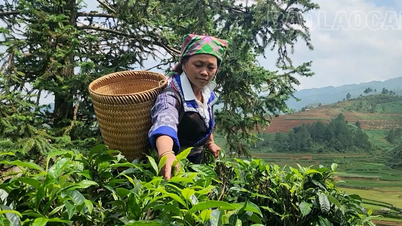
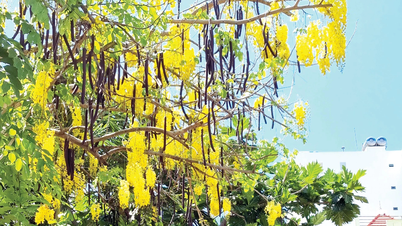
Currently, many medicinal herb growing areas have been established in mountainous and midland provinces such as Lao Cai, Lai Chau, Cao Bang, Quang Nam , Kon Tum, etc. Several businesses and cooperatives have proactively invested in production, building concentrated raw material areas, gradually meeting domestic and export demands. Some valuable medicinal herbs such as Centella asiatica, Ngoc Linh ginseng, turmeric, and golden flower tea have gained a firm foothold in the market.
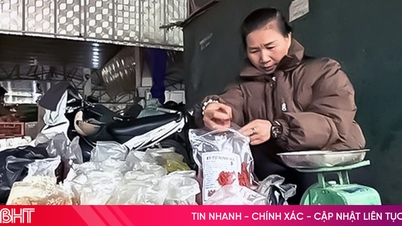
However, the medicinal plant industry still faces many limitations. Production scale remains fragmented and small-scale, lacking synchronized planning. Natural exploitation continues, leading to the depletion of genetic resources and threatening sustainability. Processing and preservation activities in many places do not meet standards, resulting in inconsistent quality of medicinal plants and affecting their effectiveness. This makes it difficult for Vietnamese medicinal plants to participate deeply in the global supply chain and reduces their competitiveness compared to other countries in the region.
GACP-WHO - An important international standard
Experts from the Department of Traditional Medicine Management and the Institute of Medicinal Materials have repeatedly emphasized that, without soon standardizing the processes of planting, harvesting, and preserving according to international standards, the Vietnamese medicinal plant industry will find it difficult to develop sustainably. This is a major obstacle preventing the abundant potential from being fully exploited, while the demand for clean, high-quality medicinal materials for both domestic and export markets is growing.
GACP-WHO (Good Agricultural and Collection Practices) is an important international standard for controlling the quality of medicinal herbs right from the initial stages. GACP-WHO includes requirements from seed selection, soil, irrigation water, fertilizers, cultivation processes, harvesting, processing, storage, and transportation, ensuring that medicinal herbs are clean, safe, and traceable.
Applying GACP-WHO standards not only helps improve the quality of medicinal herbs but also builds consumer confidence and enhances the reputation of Vietnamese products in the international market. This also serves as a foundation for developing pharmaceutical products, functional foods, and cosmetics derived from medicinal herbs, contributing to increased value and boosting exports.
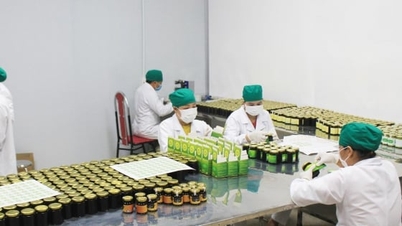
The health sector has clearly identified the development of standardized medicinal plants as a key strategy. First, it is necessary to plan concentrated cultivation areas for each major group of medicinal plants, linked to ecological advantages and local culture. Simultaneously, it is crucial to promote the application of science and technology in breeding, cultivation, and producing high-quality seedlings. Investment in post-harvest preservation and processing technologies is also needed to minimize losses and retain active ingredients.
Another crucial factor is developing a "four-party" linkage model: the State – scientists – businesses – farmers, aiming to create a closed value chain. In this model, businesses play a leading role in the market, scientists transfer technology, farmers organize production, and the State provides policy support, capital, and a legal framework. Only when sustainable production chains are formed can Vietnamese medicinal herbs establish their brand.
Furthermore, training human resources and providing GACP-WHO technical training to farmers and cooperatives is also essential. This is because this standard is not just a set of regulations, but also represents a shift in production mindset – from traditional farming to a modern, professional approach.
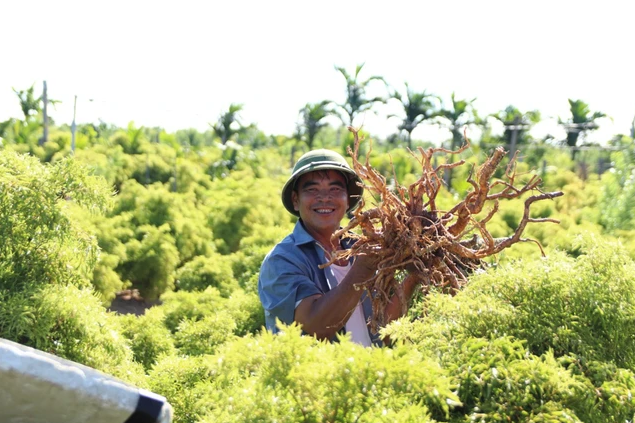
The health sector has been implementing numerous policies to support the development of medicinal plants. National programs on the development of traditional medicine and investment projects for key cultivation areas have been launched. However, to create a breakthrough, stronger incentive mechanisms are needed for businesses, especially in the areas of deep processing and export. The completion of national standards and regulations for medicinal plants, aligned with international integration, also needs to be accelerated.
According to the general direction, the goal in the coming period is to make Vietnam a center for standardized medicinal herbs in the region, meeting domestic needs and participating in the global market. The Department of Traditional Medicine Management also believes that developing medicinal herbs according to GACP-WHO standards not only preserves valuable genetic resources but also contributes to environmental protection and creates sustainable livelihoods for ethnic minorities in mountainous areas – where many endemic medicinal plants are concentrated.
In the context of increasing demand for medicinal herbs, developing cultivation areas and production chains according to GACP-WHO standards is considered the "key" to unlocking a sustainable future for Vietnam's medicinal herb industry. As current limitations are gradually overcome, as farmers master standardized techniques, and as businesses boldly invest in deep processing, Vietnam can absolutely build reputable medicinal herb brands and expand into international markets.
This is not only an inevitable direction to enhance the value of medicinal herbs, but also plays a crucial role in developing traditional medicine combined with modern medicine, better serving the healthcare and protection of the people.
Source: https://baolaocai.vn/dinh-huong-phat-trien-duoc-lieu-viet-dat-tieu-chuan-gacp-who-post880181.html































































Comment (0)