

Fierce war zone
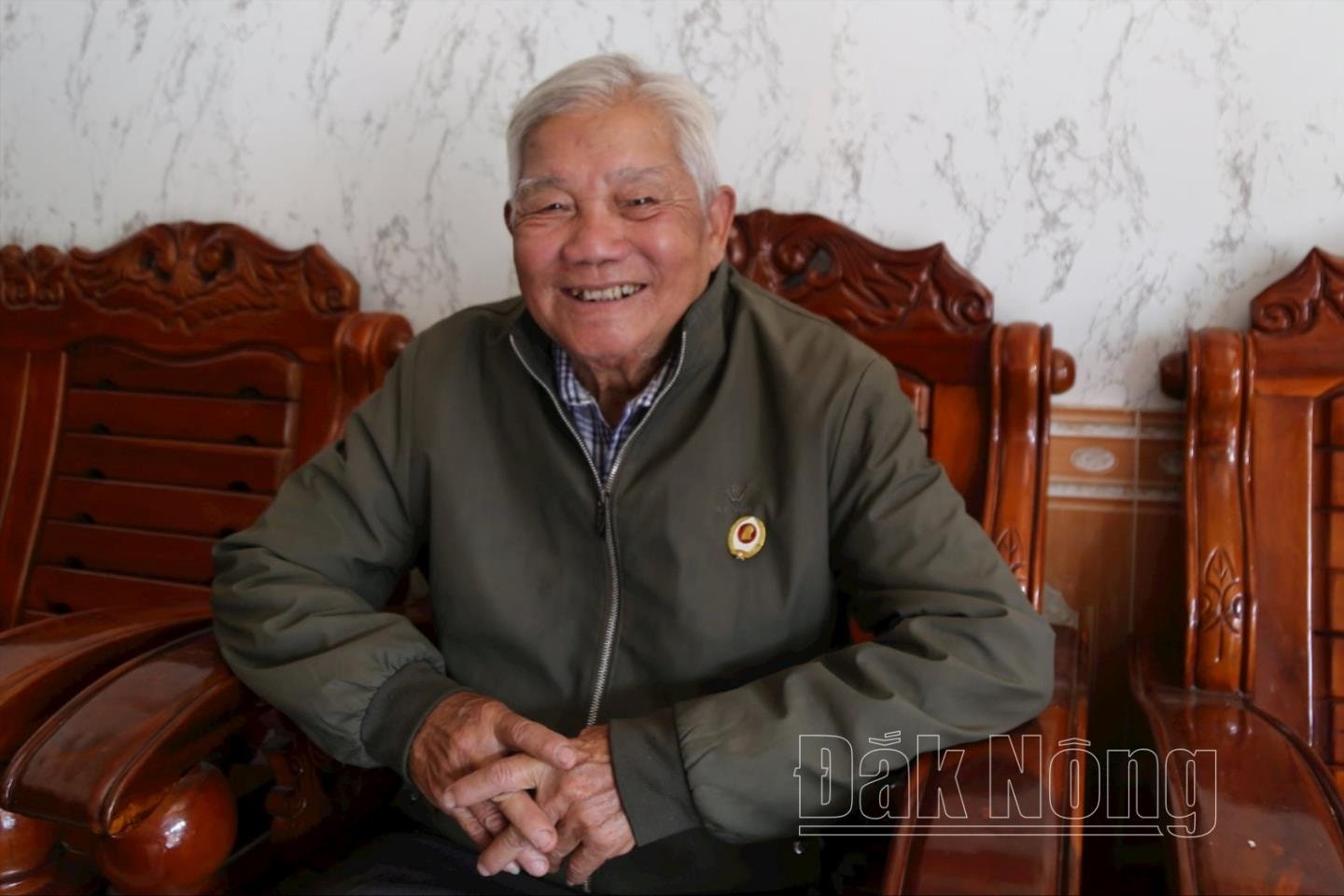
“All kinds of bombs and weapons that the US used in South Vietnam were dropped in Gia Nghia. The US even used B52 bombers to drop bombs and plant landmines and other explosive devices all over Gia Nghia,” recounted former soldier Nguyen Van Khanh, who currently lives in residential area 2, Nghia Trung ward, Gia Nghia city.
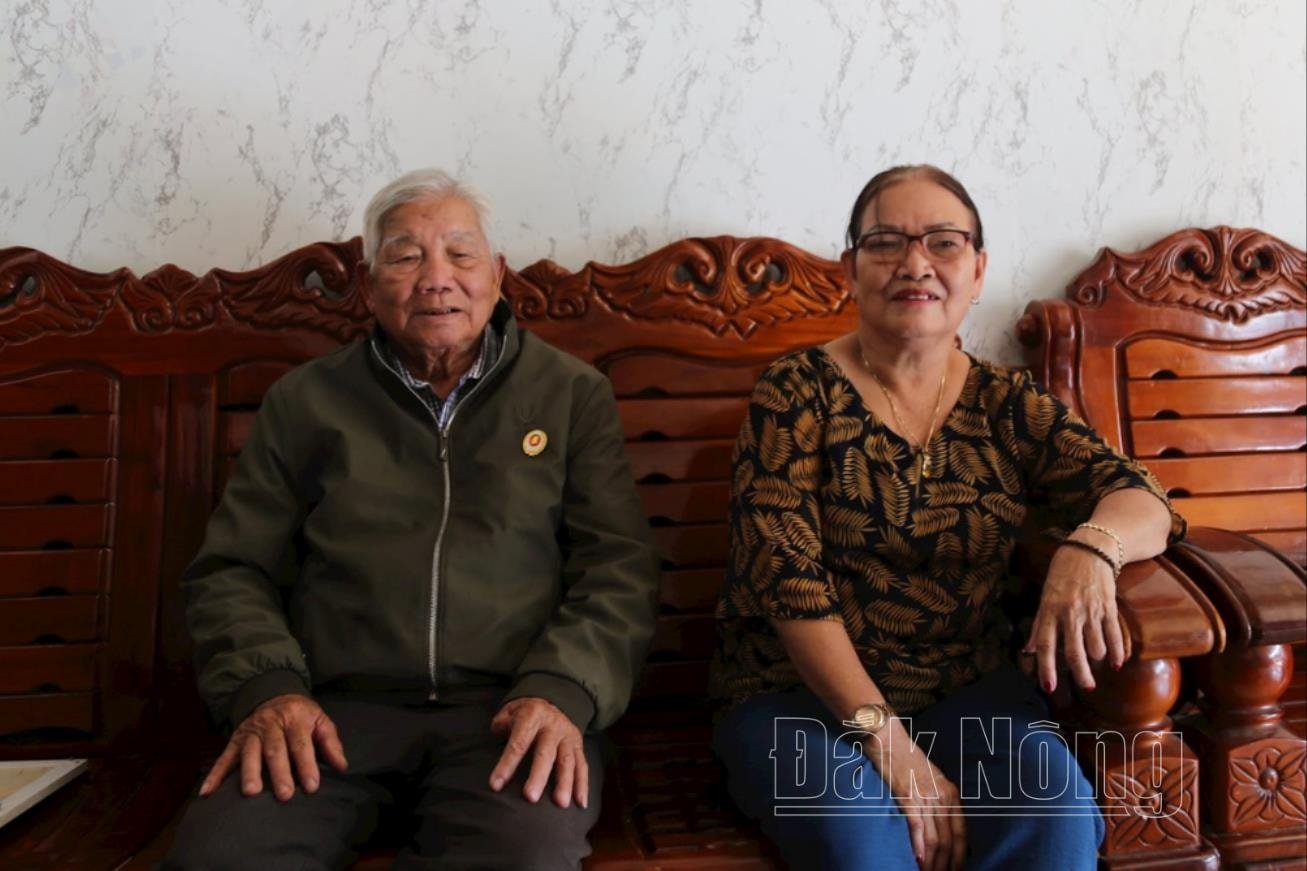
Mr. Khanh is 85 years old this year. He directly fought in the liberation of Chiayi. At that time, Mr. Khanh worked in logistics and transportation in Chiayi.
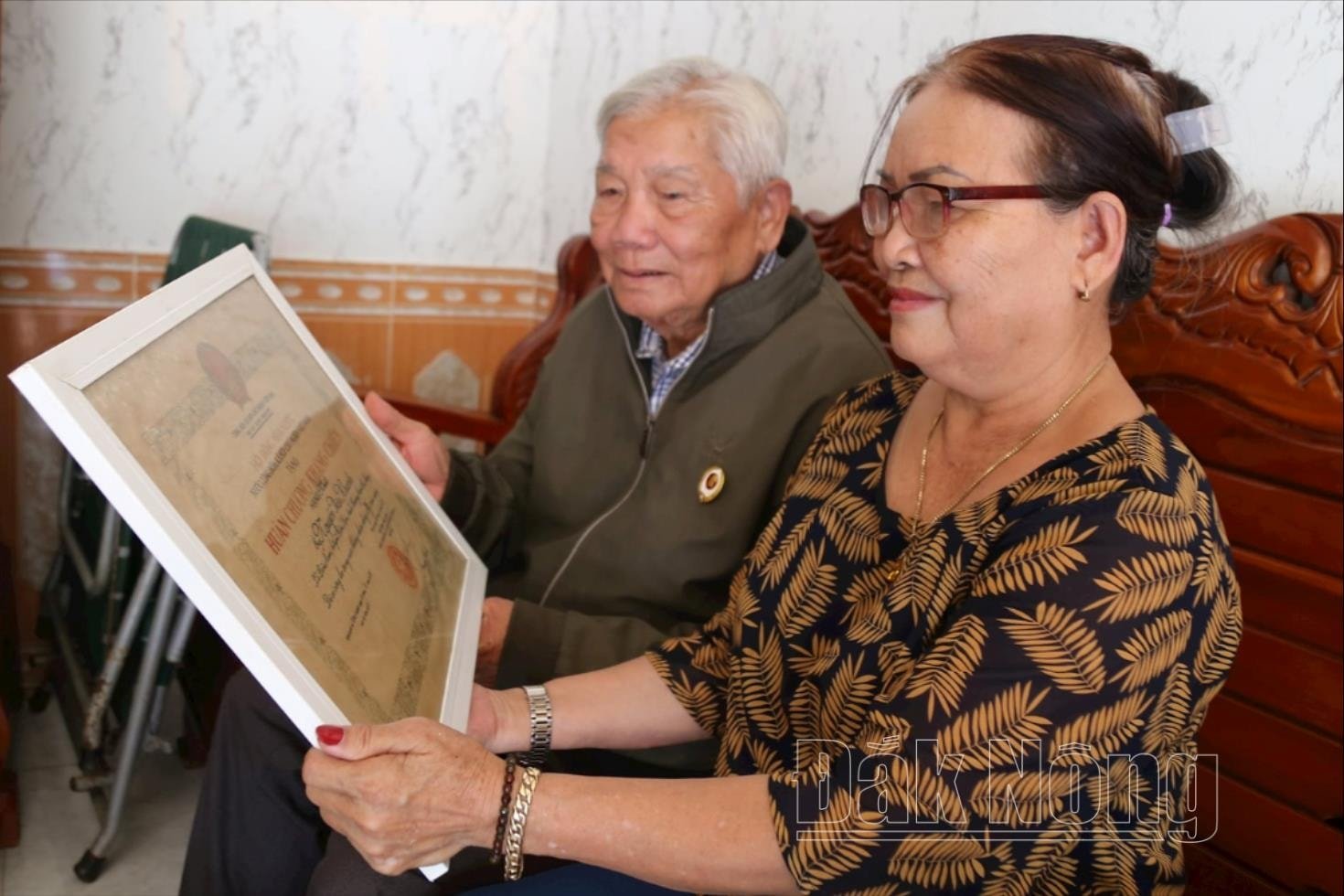
Throughout history, the place name Gia Nghia has changed several times and had different administrative boundaries. On January 23, 1959, Quang Duc province was established by Decree No. 24-NV of the President of the Republic of Vietnam; the provincial capital was Gia Nghia town. Gia Nghia was occupied and transformed into an important base area for the enemy.
With the plot of "draining water to catch fish", since 1962, in the Quang Duc area, the Saigon government deployed to gather people to establish strategic hamlets to eliminate our revolutionary forces, but they did not achieve the desired results.
In 1966, they were forced to shrink, and advocated concentrating ethnic minority groups to form new strategic hamlets on the outskirts of Gia Nghia town.
On the revolutionary government side, to meet strategic requirements and tasks, in December 1960, the Central Committee decided to establish Quang Duc province (codenamed B4), under Inter-province 4, directly commanded by Inter-zone 5.
By May 1971, Quang Duc province was dissolved for the fourth time. At this time, Gia Nghia belonged to Khiem Duc district under Lam Dong province under the direction of Zone 6.
To direct the resistance on the Gia Nghia front, in November 1974, Lam Dong Provincial Party Committee sent comrade Tran Thanh, Standing Member of the Provincial Party Committee, to directly command the general offensive and uprising in Gia Nghia and Khiem Duc.
The revolutionary struggle of the army and people of Gia Nghia is a vivid testament to a locality with a long tradition of tenacious struggle. That milestone was the liberation of Gia Nghia on the morning of March 23, 1975.
On March 10, 1975, Buon Ma Thuot ( Dak Lak province ) and Duc Lap district (now Dak Mil district) were liberated, marking the beginning of the disintegration of the entire enemy defense system in the Central Highlands. From March 18-22, 1975, the enemy fled from Gia Nghia and neighboring districts.
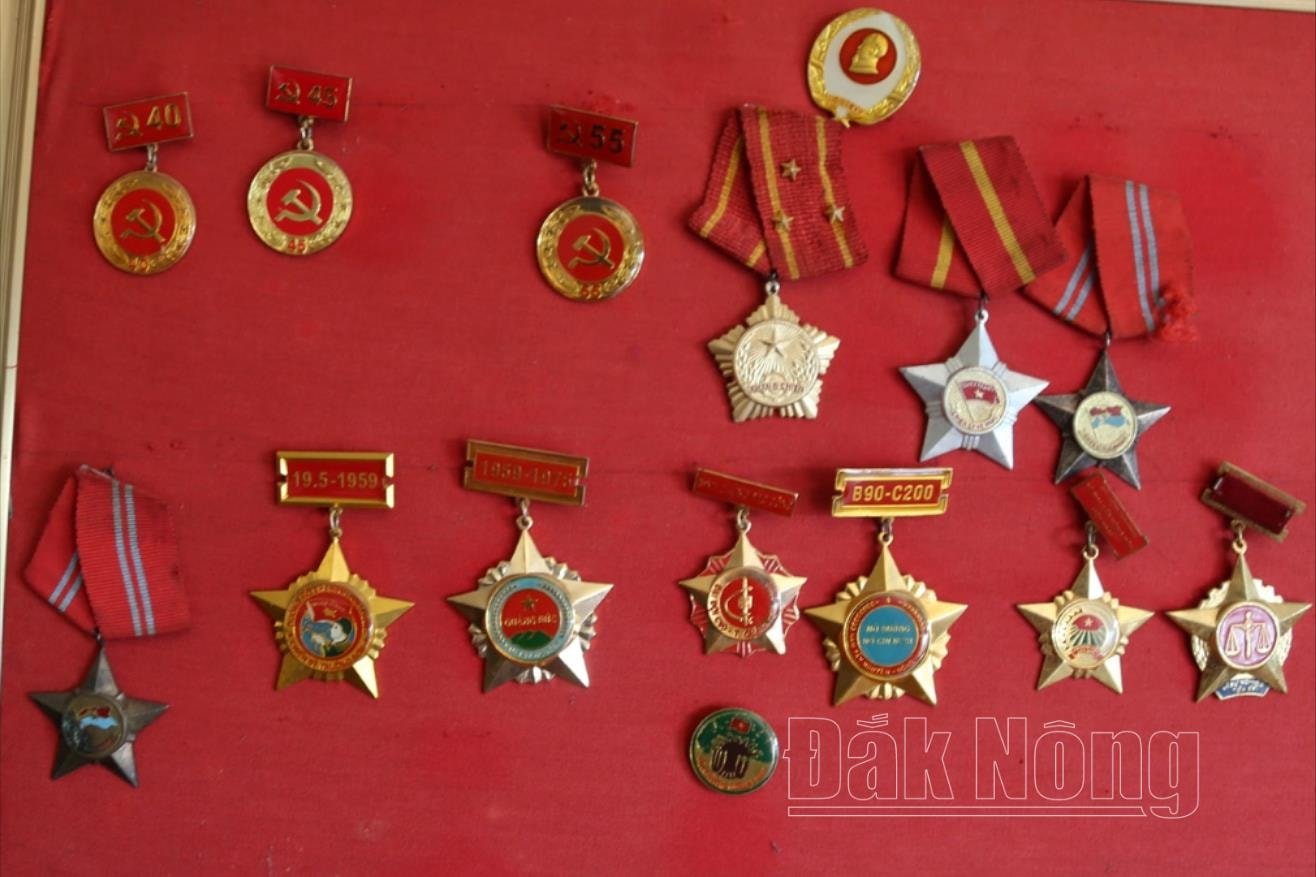
Recalling the heroic days, veteran Nguyen Van Khanh said: On March 21, 1975, the enemy initially started to withdraw because they knew that Duc Lap, Buon Ma Thuot had been defeated and were confused because logistical supplies were not provided.
On the evening of March 21, 1975, they burned the ammunition depot at the artillery hill in Gia Nghia with the aim of preventing our troops from using their weapons and ammunition. Their intention was to withdraw towards Duc Xuyen (now Krong No district), then to Buon Ma Thuot.
However, when they reached Duc Xuyen, they were intercepted by our troops. At that time, the enemy returned to Highway 28, crossed the Dong Nai River to retreat to Lam Dong but were also intercepted and defeated by us.
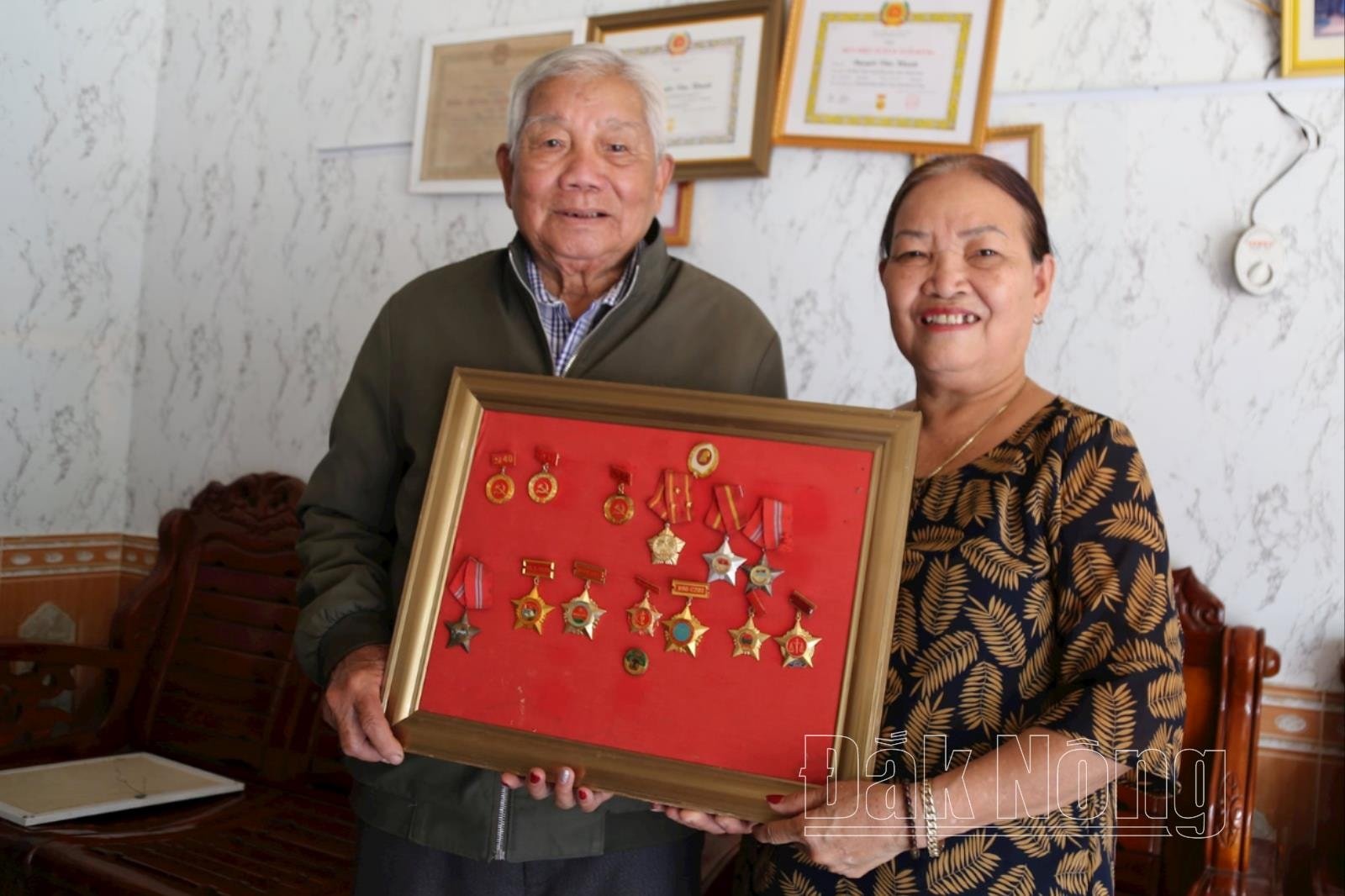
Veteran Nguyen Van Khanh shared that at that time, the enemy had about 100 soldiers, our troops only had about 50 locals and Regiment 66. Our Regiment 66 was assigned to liberate Quang Duc, but when they arrived, the enemy had already withdrawn and disbanded.
“After the enemy withdrew, our troops took over Gia Nghia. Around 6-7 a.m. on March 23, 1975, our liberation army took down the South Vietnamese flag and raised our own flag,” veteran Nguyen Van Khanh recounted.
On the morning of March 24, 1975, the Gia Nghia Military Management Committee was officially established with comrade Tran Thanh as Chairman. Gia Nghia - Dak Nong was completely liberated on March 23, 1975, following the Duc Lap victory and the Buon Ma Thuot victory.
The Gia Nghia victory had great historical significance, expanding the support corridor for the Southern provinces; completing the historical mission of ending the Central Highlands campaign, contributing to the complete liberation of the South, unifying the country, bringing our country into a new era.
Veteran Nguyen Van Khanh
Changes in Chiayi after 50 years
Mrs. Pham Thi Huong, 71 years old, wife of veteran Nguyen Van Khanh, one of the people living in Gia Nghia more than 50 years ago.
Ms. Huong shared: Before liberation, Gia Nghia had very few inhabitants. On March 23, 1975, my family and I were rounded up by the enemy, like hostages, and forced to walk through Lam Dong.
They forced the civilians to go ahead until they reached the Dong Nai River, where one plane crashed. At that point, they stopped taking the civilians, and the other planes withdrew as well.
At that time, their soldiers had dispersed and we didn't know where they went. After that, we made our way through Lam Dong province on our own. When we reached Duc Trong, we asked for food and water and stayed there for about a month.
After the reunification of the country, my family and I lived and worked there for a while before returning to Buon Ma Thuot, and only later did we go back to Gia Nghia.
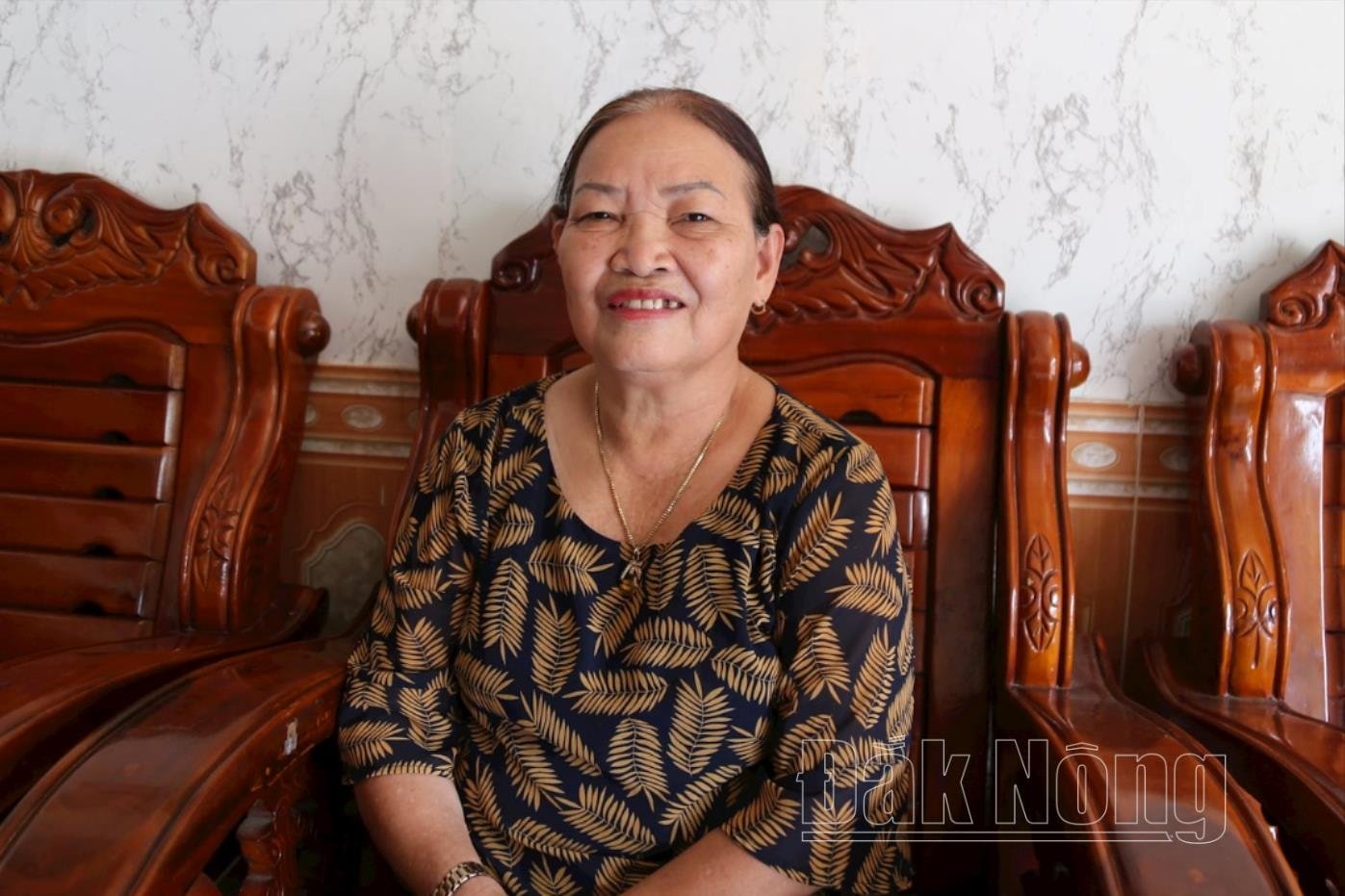
“At that time, Gia Nghia had a small population and faced numerous difficulties due to its low starting point and the severe consequences of war. Thanks to the propaganda and mobilization efforts of the Party, the army, and the government, more and more people from Gia Nghia returned. We felt secure knowing we had achieved independence, and we gradually overcame difficulties and developed the economy. From then on, our lives improved,” Ms. Huong shared.
Before 2004, Dak Nong district was one of the poor localities of Dak Lak province. After the re-establishment of the province in 2004, the City Party Committee...
Gia Nghia, through its terms, has focused on leadership, direction, making correct decisions, mobilizing all investment resources, maximizing potential and advantages, arousing the aspirations of the people of all ethnic groups, creating momentum for rapid and sustainable development.
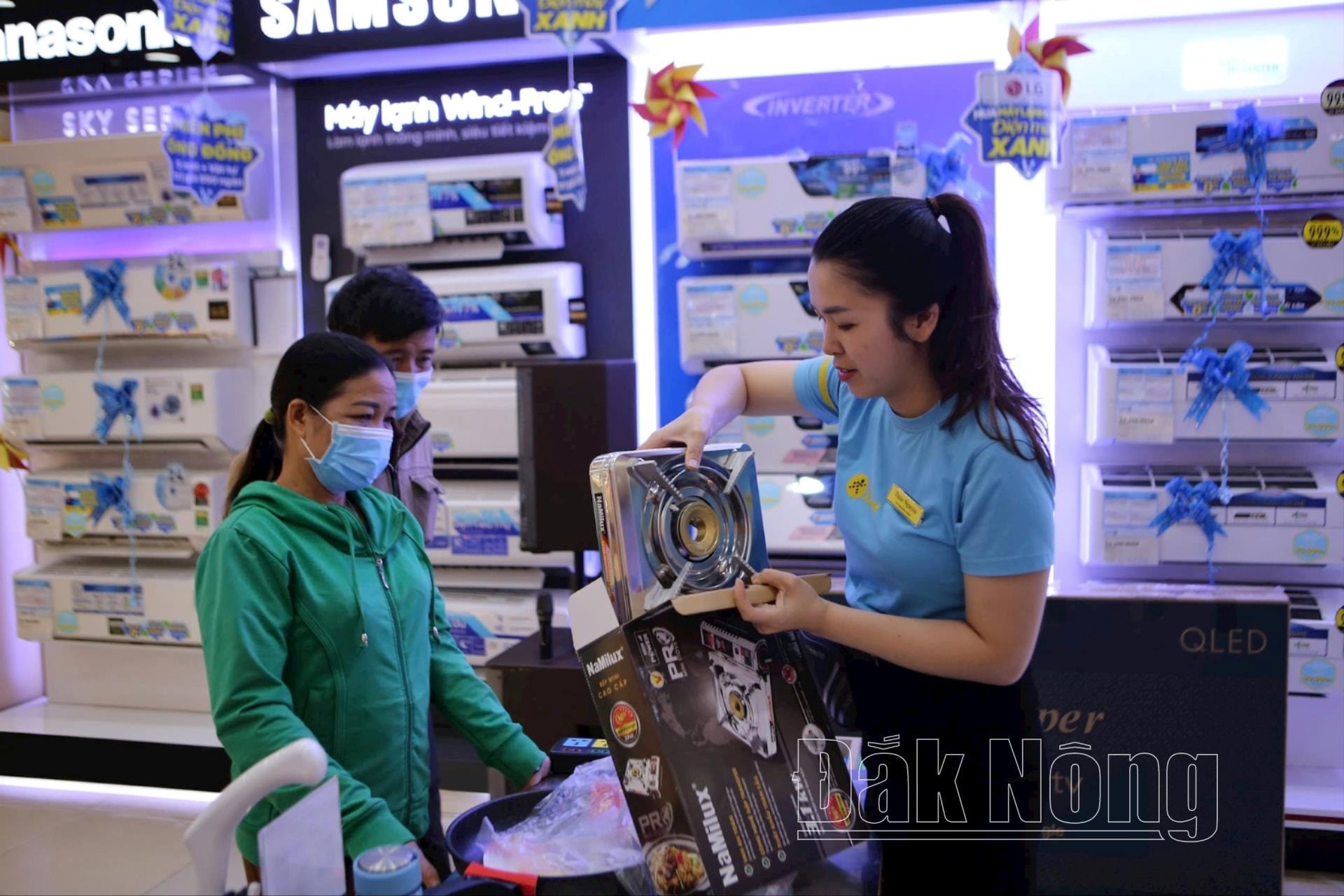
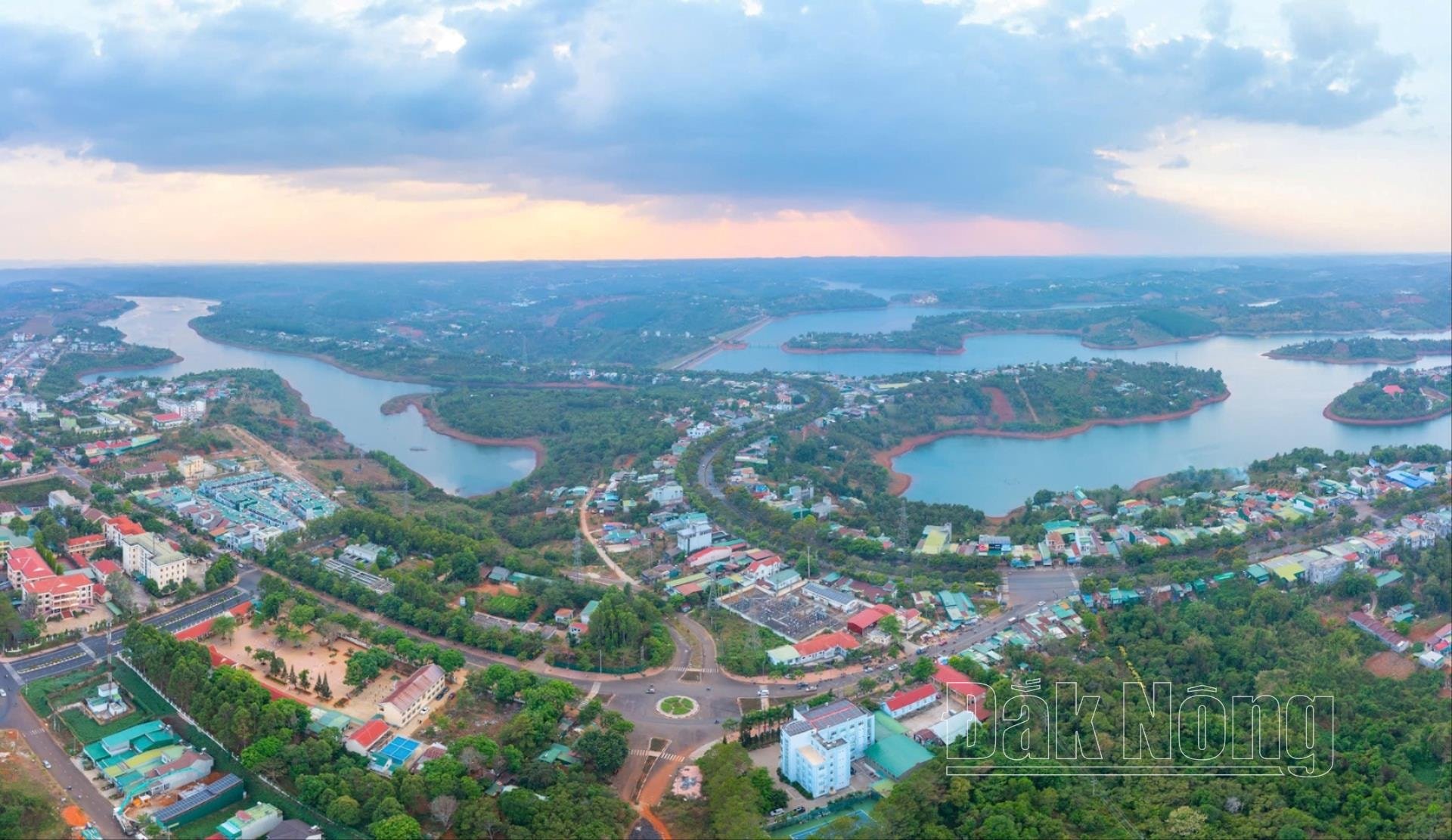
Over the past 20 years, Gia Nghia City has emerged from its former status as a poor district and achieved decisive results in its journey of construction and development.
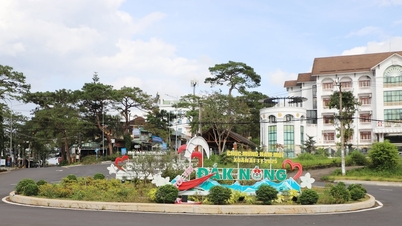
The lives of the people of all ethnic groups in Gia Nghia are constantly improving in all aspects. Today, Gia Nghia City is gradually changing and developing day by day towards a green, modern, and smart city.
K Gia Nghia's economy is developing quite dynamically, with growth reaching over 8% in 2024. The total product in the area (GRDP) for the 2020 - 2025 term is estimated to reach over 34,680 billion VND.
The estimated average growth rate of the city for the 2020-2025 term is 11.76%/year. The agriculture, forestry and fishery sector is estimated to reach over VND4,631 billion. The industry and construction sector is estimated to reach VND17,218 billion.
The service sector is estimated to reach VND 12,830 billion. The average per capita income in Gia Nghia is projected to reach approximately VND 54.23 million in 2024 and is expected to reach VND 57.05 million in 2025.
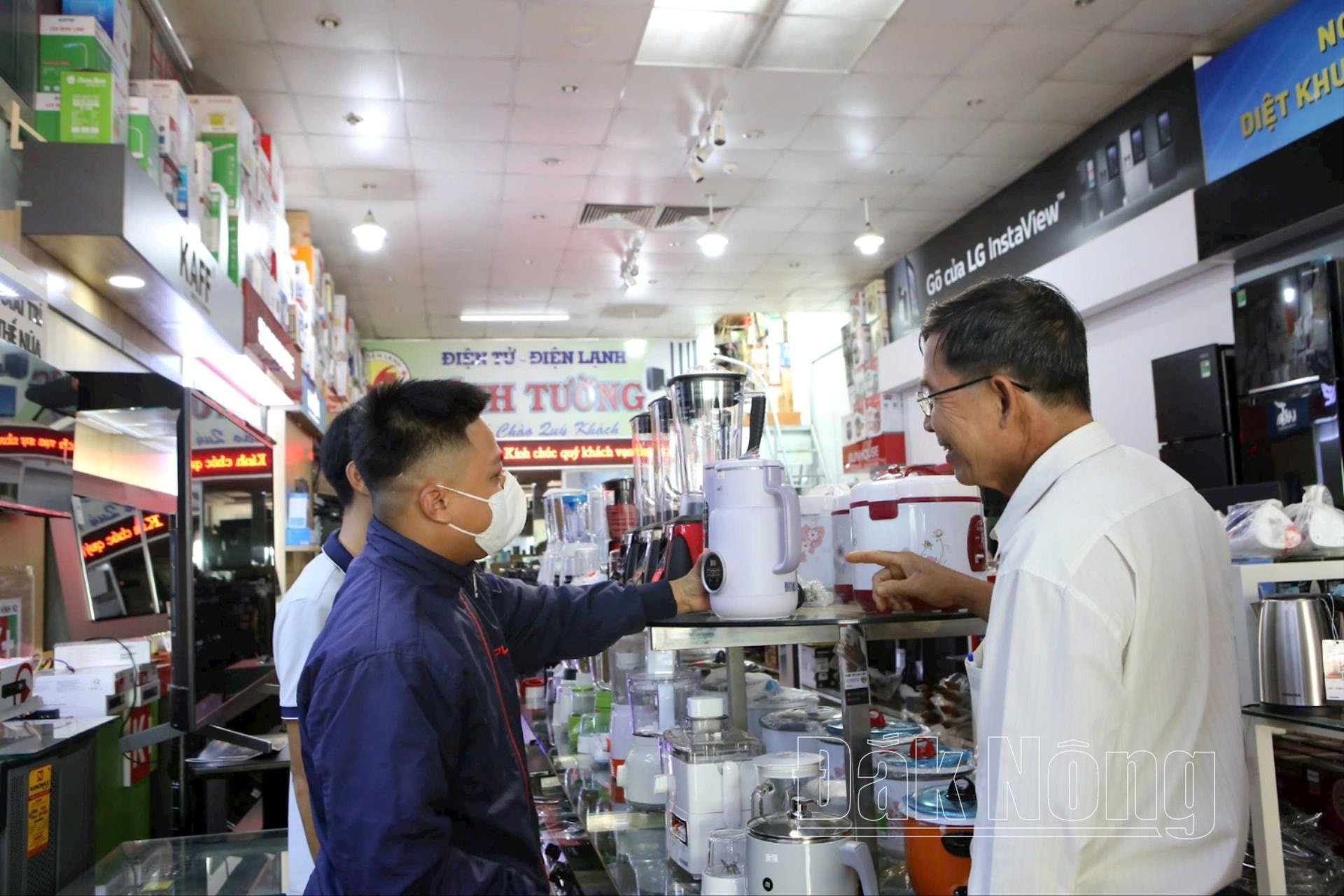
Gia Nghia's budget revenue in 2024 is estimated at 1,100 billion VND. The total value of products in the area in 2024 (at 2010 constant prices) is estimated at 7,157 billion VND.
Gia Nghia's economic structure is shifting in line with the province's and central government's direction, which is to gradually increase the proportion of industry, construction, and services, while decreasing the proportion of agriculture and forestry.
Regarding urban infrastructure, transportation has been upgraded and improved, with most inter-commune roads being asphalted and inter-village roads being concreted. To date, Gia Nghia has 100% of its urban roads asphalted or concreted.
The overall percentage of paved and concrete roads in the city reached 76.77%. The percentage of paved and concrete rural roads was 67.72%. The urban waste collection rate reached 96%.
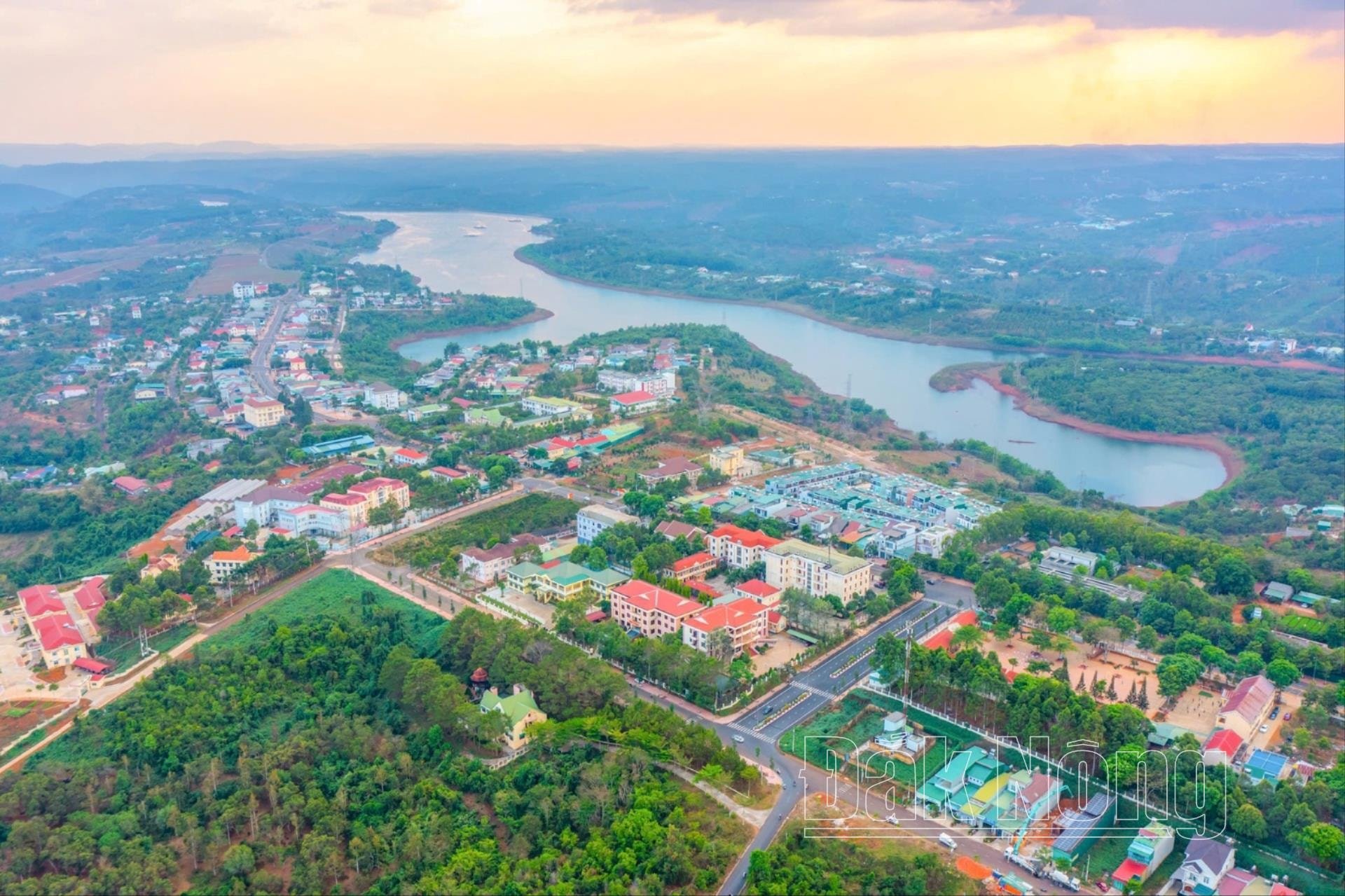
Urbanization rate is 78%. Main street lighting rate is 100%. 100% of households have access to the national power grid. The clean water supply system is widespread, with nearly 100% of households having access to safe water.
The shape of a "bauxite city"
On December 31, 2023, Deputy Prime Minister Tran Hong Ha signed Decision No. 1757/QD-TTg approving the planning of Dak Nong province for the period 2021-2030, with a vision to 2050.
Accordingly, Dak Nong organizes its economic and social activities according to the model of "One center - Three growth drivers - Four economic corridors - Four development sub-regions". Gia Nghia City is the political, administrative, economic, cultural, social, and scientific-technological center of Dak Nong.
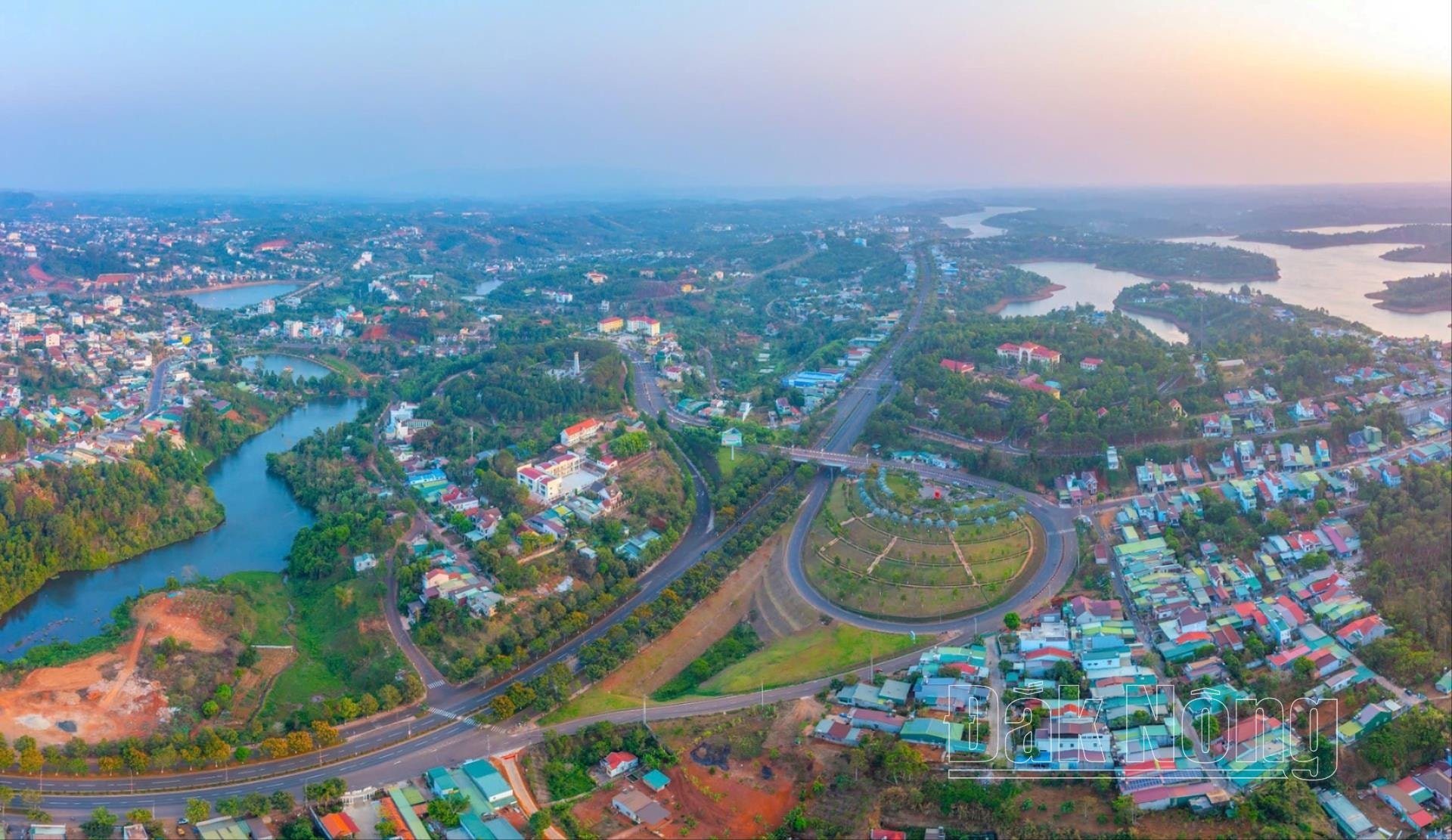
Gia Nghia City is the core urban center of the Southern Central Highlands sub-region, linking with the Southeast region and Ho Chi Minh City. Gia Nghia City benefits from the spillover development of the region and the nation through three growth poles and four economic corridors, spreading to four development sub-regions.
Gia Nghia plays a crucial role and occupies an important position in the growth engine of Dak Nong. According to the plan, Gia Nghia is the central urban hub of the central growth engine formed from the Dak R'lấp - Gia Nghia - Quang Khe urban chain.

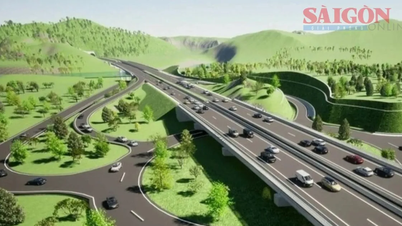
According to the Dak Nong provincial planning for the period 2021-2030, with a vision to 2050, Gia Nghia City will receive significant investment in transportation development.
According to the national road network plan, Dak Nong will have two expressways: Gia Nghia (Dak Nong) – Chon Thanh (Binh Phuoc) and Buon Ma Thuot (Dak Lak) – Gia Nghia (Dak Nong).
The national railway network plan will include the construction of the Dak Nong – Chon Thanh railway line, part of the railway network connecting the provinces in the Central Highlands region. Regarding the provincial-level transportation infrastructure development plan, investment will be made in a road connecting Gia Nghia City and Bao Lam District (Lam Dong Province).
Dak Nong is focusing on developing Gia Nghia into a type II urban area, in a civilized and modern direction, during the period 2021-2030, with a vision to 2050.
In particular, the city mobilizes resources to implement construction plans in accordance with the planning of Dak Nong province for the 2021-2030 period and the general planning of Gia Nghia urban area until 2050.
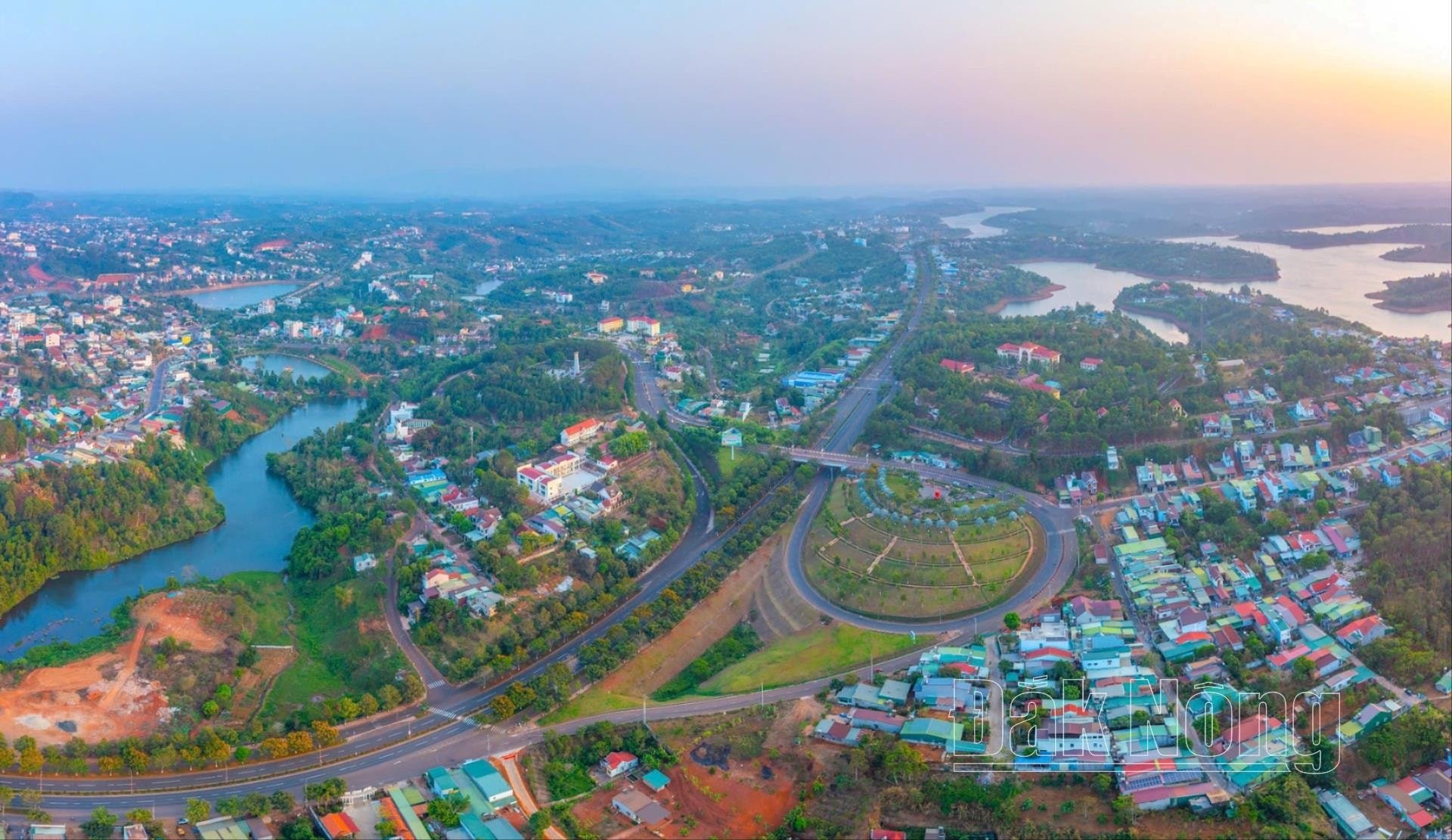
The city is improving the quality of urban planning, focusing on protecting geology, landscapes, and the environment, following the "City in the forest, forest in the city" approach and diversifying native plant species.
Gia Nghia's urban development aims to create a civilized, modern, and environmentally friendly city. The city is promoting the development of trade, services, and tourism, placing it in relation to the urban systems of the Central Highlands, South Central, and Southeast regions, and integrating deeply into the global economy.
The urban development of Gia Nghia is linked to the important strategic task of acting as a nucleus, creating momentum to promote and spread development to districts within the province and neighboring areas in the region. Gia Nghia strongly attracts resources, investors, businesses, and individuals for development.
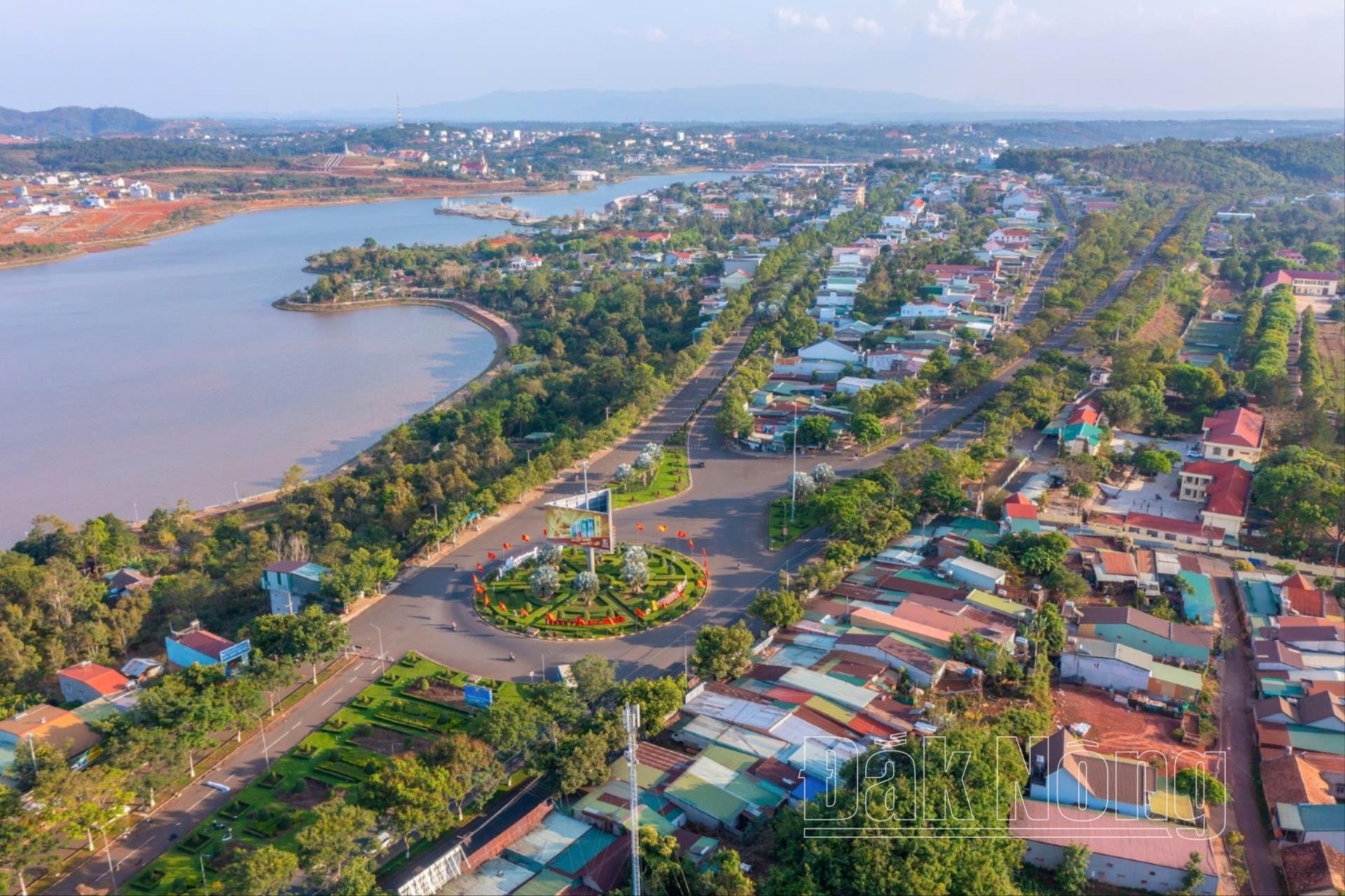
Gia Nghia aims for a scientific and rational development of its functional zones and modernization of technical infrastructure, creating a unique urban architectural space that is consistent with the natural conditions and culture of the ethnic groups in the Central Highlands.
Comrade Tran Quoc Huy, former member of the Central Committee of the Party and former Secretary of the Dak Nong Provincial Party Committee, shared: “Many of my friends from major provinces and cities like Hanoi and Ho Chi Minh City… were amazed by the rapid development of Gia Nghia city when they came to Gia Nghia!”
Today's achievements in Chiayi are very encouraging, but they are only the result of a short period of time. Chiayi is a very young city.

If we want Gia Nghia to develop faster, more sustainably, and become a livable city, joining its peers in a new era as one of the most beautiful and livable cities with a beloved brand, then we still have a lot of work to do.
First and foremost, there must be a strong determination to create high levels of unity not only within the political system but also throughout society; not only in terms of awareness but also transforming it into the feelings, aspirations, and love for the homeland and country where the citizens live.
Along with intellectual capacity, the city has mobilized the strength of its people so that every citizen of Gia Nghia, especially the younger generation, is proud of the place they live with deep and profound love. Gia Nghia urgently needs to consider the new context in order to have timely and scientific understanding.
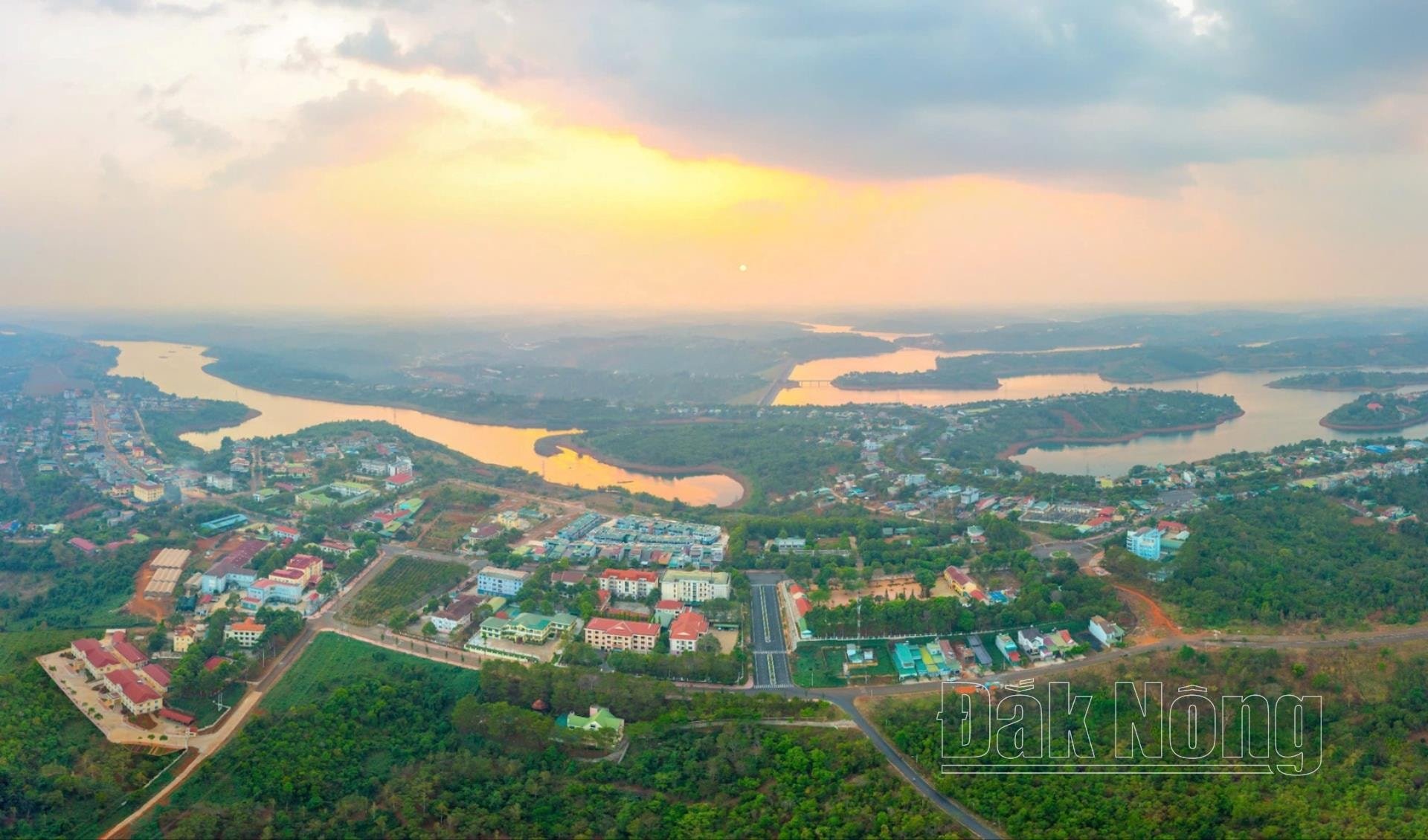
Comrade Tran Quoc Huy also analyzed that Gia Nghia City is located in an area with abundant and diverse basalt soil on the M'nong plateau.
Gia Nghia has special agricultural products of high value and international stature such as coffee, pepper, cocoa, many kinds of delicious fruits and vegetables...
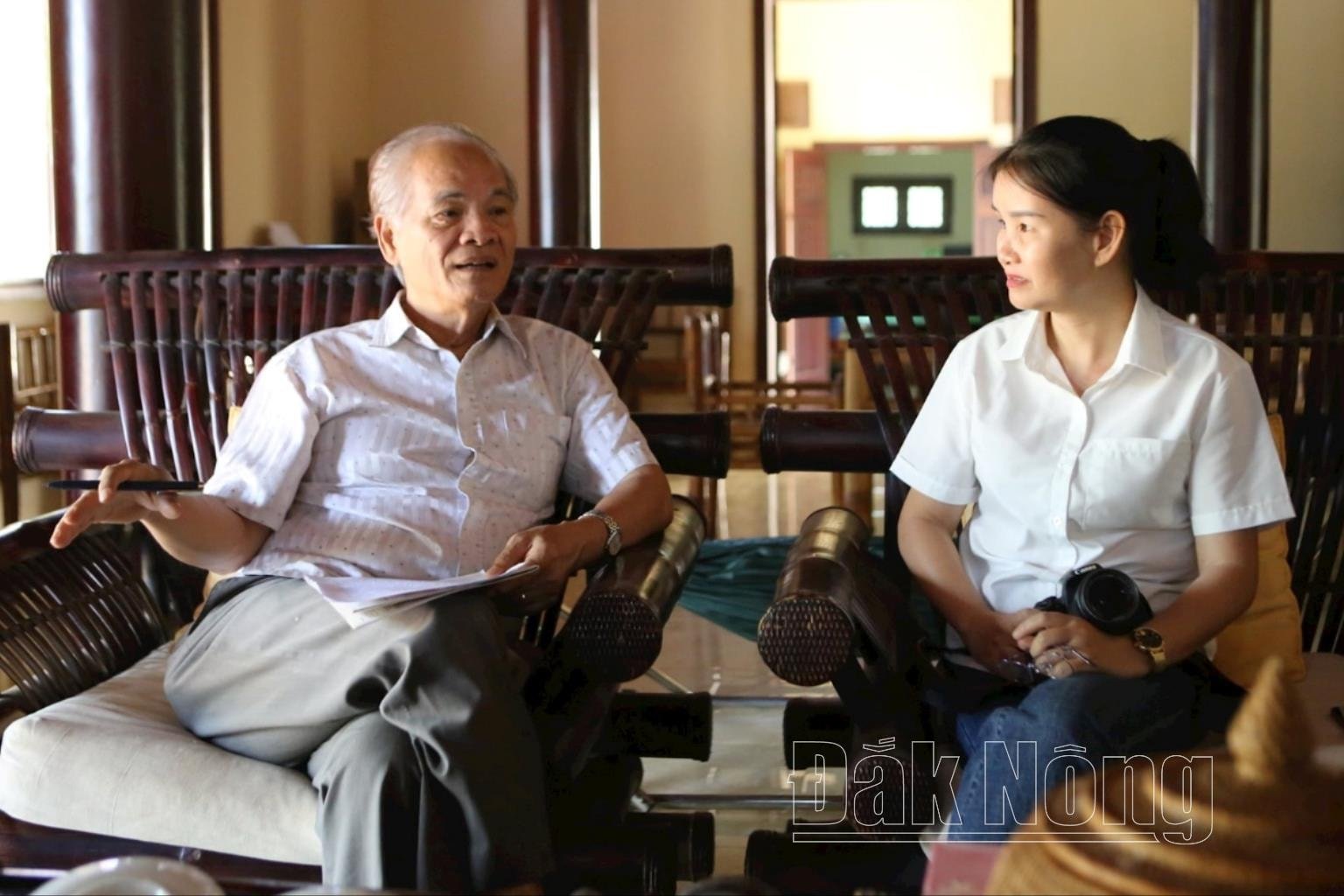
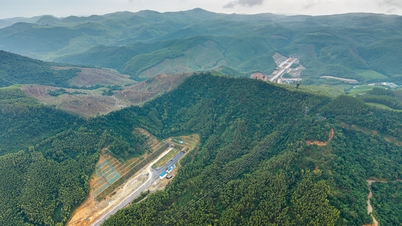
Gia Nghia, located in the southern part of Dak Nong province, has bauxite reserves accounting for nearly two-thirds of the country's total bauxite reserves. Alumina processing is developing well.
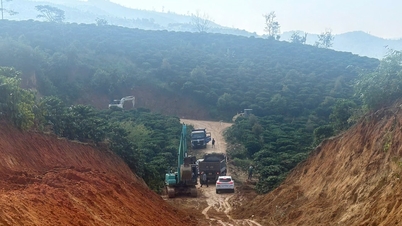
The aluminum electrolysis plant is about to be inaugurated, and the government has also approved a plan for deep processing in the period from now until 2030, with a vision to 2050. This will be a huge driving force, a second path for Gia Nghia to develop into a "bauxite city".
Source: https://baodaknong.vn/gia-nghia-tu-vung-chien-su-den-do-thi-phat-trien-246866.html
![[Photo] Prime Minister Pham Minh Chinh holds a phone call with the CEO of Russia's Rosatom Corporation.](/_next/image?url=https%3A%2F%2Fvphoto.vietnam.vn%2Fthumb%2F1200x675%2Fvietnam%2Fresource%2FIMAGE%2F2025%2F12%2F11%2F1765464552365_dsc-5295-jpg.webp&w=3840&q=75)


![[Photo] Closing Ceremony of the 10th Session of the 15th National Assembly](/_next/image?url=https%3A%2F%2Fvphoto.vietnam.vn%2Fthumb%2F1200x675%2Fvietnam%2Fresource%2FIMAGE%2F2025%2F12%2F11%2F1765448959967_image-1437-jpg.webp&w=3840&q=75)



































![[OFFICIAL] MISA GROUP ANNOUNCES ITS PIONEERING BRAND POSITIONING IN BUILDING AGENTIC AI FOR BUSINESSES, HOUSEHOLDS, AND THE GOVERNMENT](https://vphoto.vietnam.vn/thumb/402x226/vietnam/resource/IMAGE/2025/12/11/1765444754256_agentic-ai_postfb-scaled.png)








































Comment (0)