

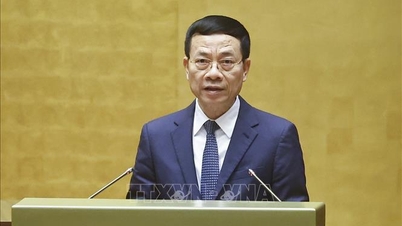
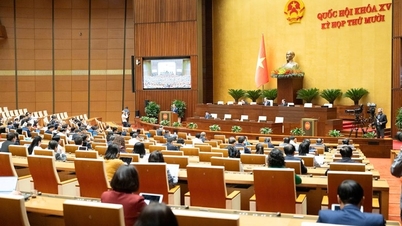
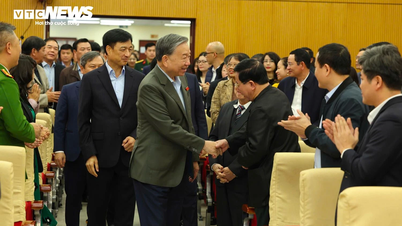
Deputy Prime Minister Tran Hong Ha thanked the National Assembly delegates for their heartfelt, responsible, and accurate opinions, which reflected the actual situation. He noted that 60 opinions were expressed in the plenary session and 163 in the group sessions earlier. Deputy Prime Minister Tran Hong Ha stated that he would incorporate as many valid opinions from the National Assembly delegates as possible.
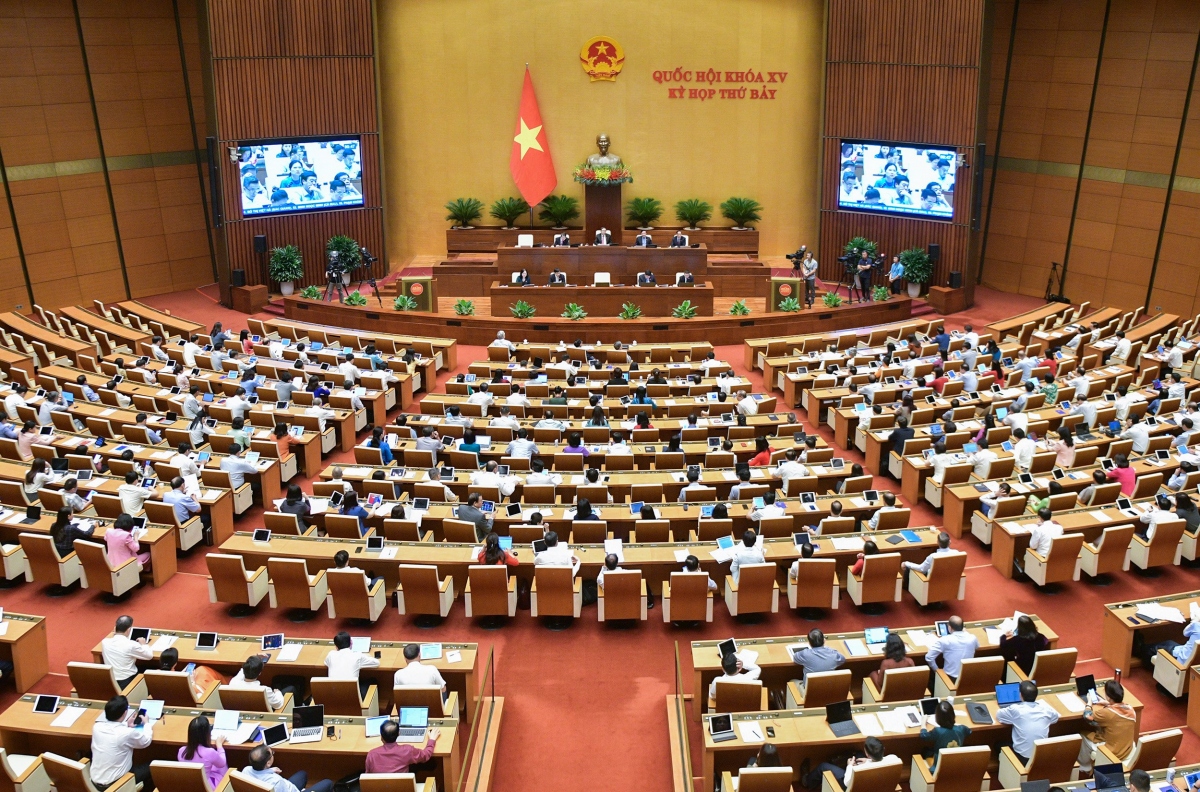
Developing mechanisms for the Mekong Delta to adapt to climate change.
Regarding solutions to reduce greenhouse gas emissions, according to Deputy Prime Minister Tran Hong Ha, the Prime Minister has directly directed and, together with development partners, has identified Vietnam's needs in the process of equitable transition and the need for equitable participation of developed countries.
Regarding climate change, Deputy Prime Minister Tran Hong Ha stated that this issue is of great concern to the Party and the State, including the issuance of Resolution 24-NQ/TW in 2013 on proactively responding to climate change, strengthening resource management and environmental protection.
“The climate change strategy has been adjusted after Vietnam's participation in COP26, clearly defining the perspective and goals for adapting to climate change, solutions for reducing greenhouse gas emissions, and green growth solutions to realize these goals. The Government has advised the Politburo to issue resolutions related to energy issues,” the Deputy Prime Minister said.
According to the Deputy Prime Minister, regarding climate change adaptation, the Mekong Delta can be considered a prime example. We have conducted comprehensive assessments of upstream impacts, evaluated the impacts of climate change, and specifically identified water resources as the central impact. We have issued the Master Plan for Sustainable Development of the Mekong Delta, and Government Resolution 120 concerning action plans for adaptation to climate change. Simultaneously, we have issued a plan to implement the Master Plan for Sustainable Development of the Mekong Delta, which includes nearly 60 development projects in the region.
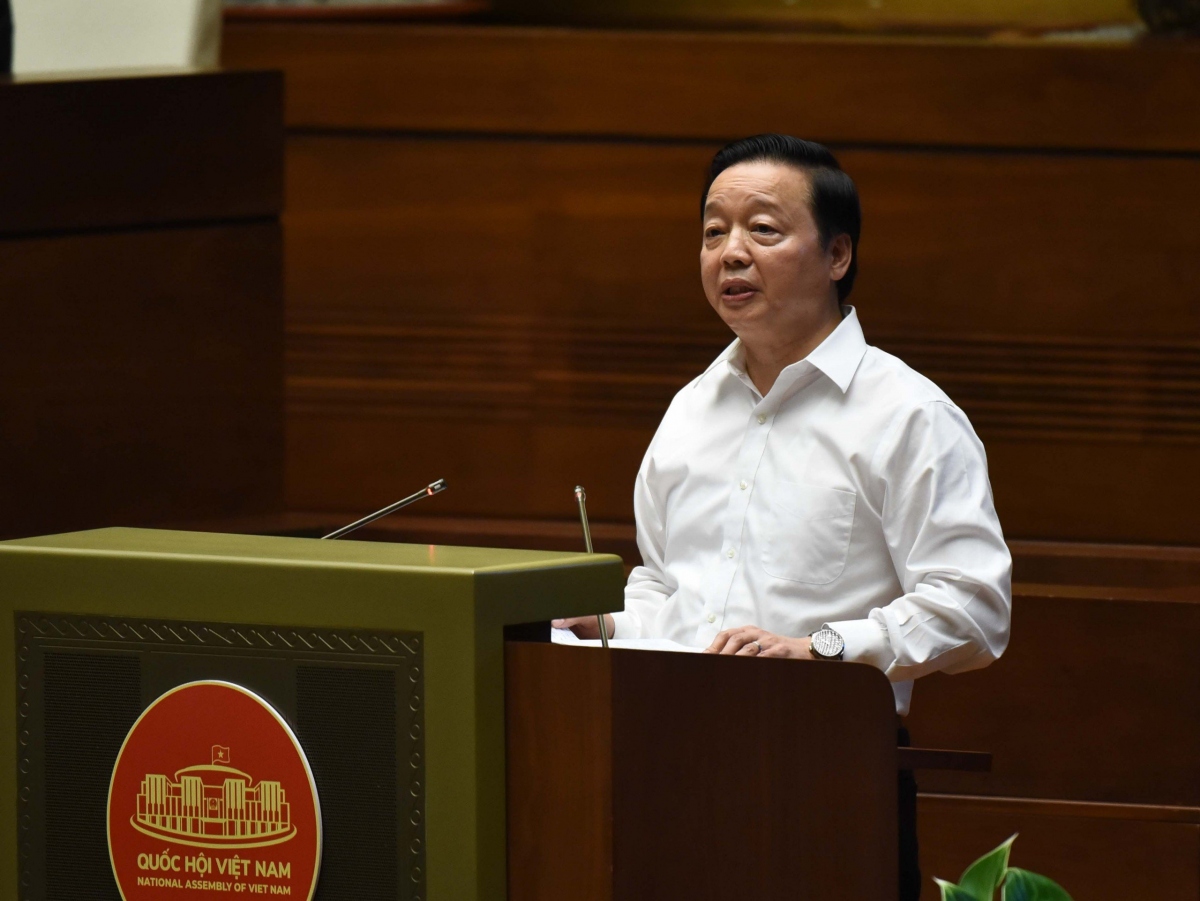
"Among those projects, focusing on the 16 projects for which the Prime Minister recently signed a resolution, is the mobilization of $2.5 billion to concentrate on adaptive development in agriculture as well as building a synchronized infrastructure, including transforming socio-economic infrastructure and shifting the economy in three directions: freshwater, brackish freshwater in the central area, and saltwater in the coastal area," the Deputy Prime Minister said.
This involves centralized water supply infrastructure and addressing flood issues upstream as well as supplying water to the central delta and coastal areas. The Deputy Prime Minister stated that these are crucial conditions for localities in the region to cooperate in selecting the most priority issues and focusing resources on them.
"Regarding climate change, I would like to give a brief report, but in reality, we are implementing quite a lot of specific work...", the Deputy Prime Minister said.
There will be mechanisms to encourage the buying and selling of solar power.
Regarding the direct purchase and sale of electricity to large customers, focusing on renewable energy, the Deputy Prime Minister stated that the Prime Minister has also requested that a decree on rooftop solar power be issued this month (May).
"With the spirit of encouraging people to participate and contribute to the power supply, and at the same time determining that households using rooftop solar power in industrial zones do not connect this electricity to the grid but instead buy and sell electricity directly, we support and encourage non-commercial practices. From there, an important decree will be formed, which is the mechanism for direct electricity purchase and sale. This is the prerequisite for us to move towards a competitive electricity market with other power sources," the Deputy Prime Minister said.
Land acquisition prices will be close to market value.
Regarding the Land Law and land acquisition issues, the Deputy Prime Minister stated that the issues raised by delegates today may account for up to 60% of the existing shortcomings, weaknesses, buck-passing, and fear of responsibility related to administrative procedures, and all relate to three laws passed by the National Assembly: the Land Law, the Real Estate Business Law, and the Housing Law.
"Currently, the Government is highly determined, and with such a collective and shared spirit, we have basically resolved the outstanding issues of these three laws," the Deputy Prime Minister said.
According to Deputy Prime Minister Tran Hong Ha, recently, the Prime Minister instructed him to personally spend time working with all 63 provinces and cities online with all associations and individual businesses in each locality to see if the draft laws have been implemented, whether they fully reflect and are being concretely put into practice.
“Up until now, we believe that if the National Assembly approves it, even on July 1st, the Government is determined to complete the process fully, which will involve 14 decrees and approximately over 10 circulars. Today, the Prime Minister issued a directive requesting localities to develop decisions, and ministries and agencies will participate to ensure the interconnectedness and consistency of the law.”
"Land valuation is the root cause of all issues related to losses and difficulties, including buck-passing. I would like to report to Representative Vu Trong Kim that this issue was only difficult before the 2024 Land Law came into effect. After the 2024 law is enacted, I believe that localities will have clear, specific, and transparent information and will be able to implement it," the Deputy Prime Minister said.
According to the Deputy Prime Minister, the Government has also consulted with localities, clarifying the responsibilities of advisory agencies, the responsibilities of the People's Councils, and the responsibilities of decision-makers. All these processes have been implemented transparently, and importantly, the law has addressed a very difficult issue: ensuring land prices are appropriate and close to market value.
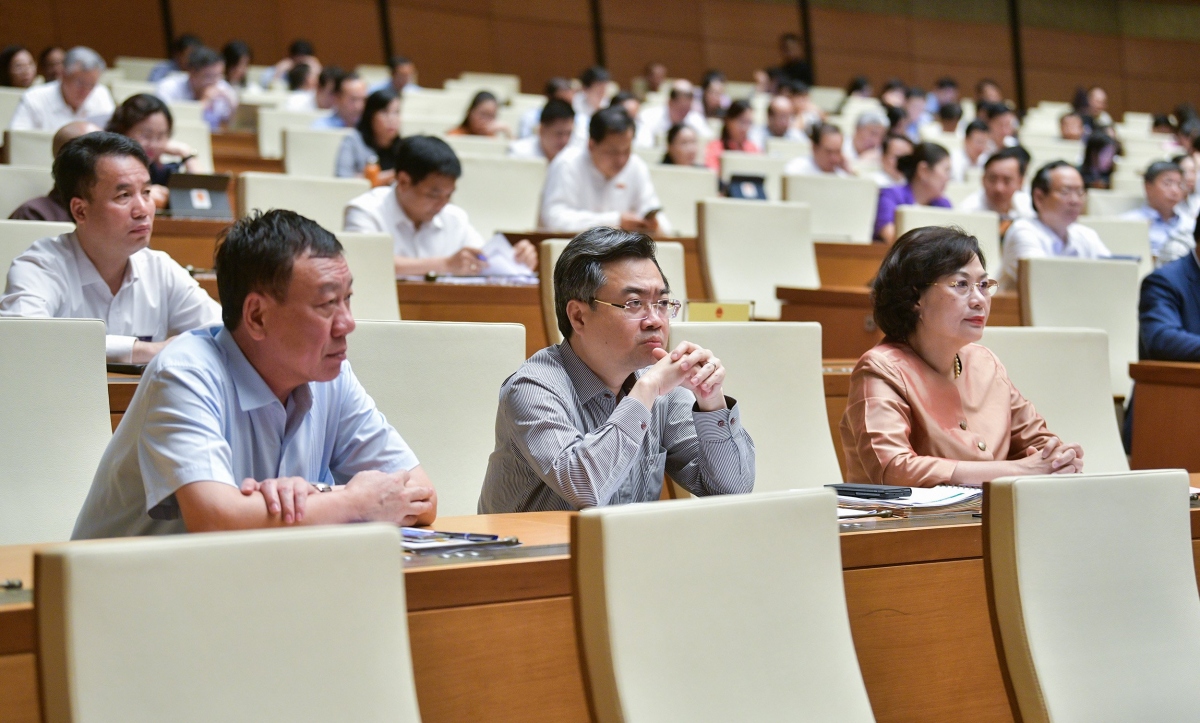
"Essentially, we are applying market principles, meaning we are applying four methods that the world is currently considering. When we have land data, the method will be to value land in bulk according to value zones. We will have data for each plot of land and data for each point in time, then the issue of land valuation will not be difficult. Currently, we are in the transitional phase, and we are affirming that these four methods will be feasible and will not pose any difficulties," the Deputy Prime Minister emphasized.
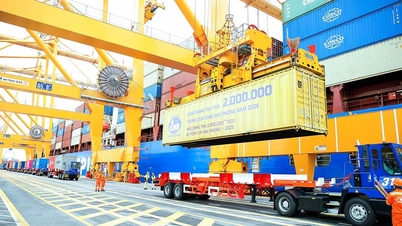
No need to worry about a shortage of sand for transportation infrastructure.
The final issue concerns construction materials. The Deputy Prime Minister noted that this might not be a major problem for Vietnam as a whole, but it is occurring in the context of expressway projects being accelerated in terms of speed, progress, and scale, making it difficult for local authorities to meet the demand.
In reality, the planning, management, exploitation, and control of construction materials are already decentralized to the local level. However, the National Assembly recently issued a resolution on special mechanisms, and the Government has issued two resolutions to address this issue.
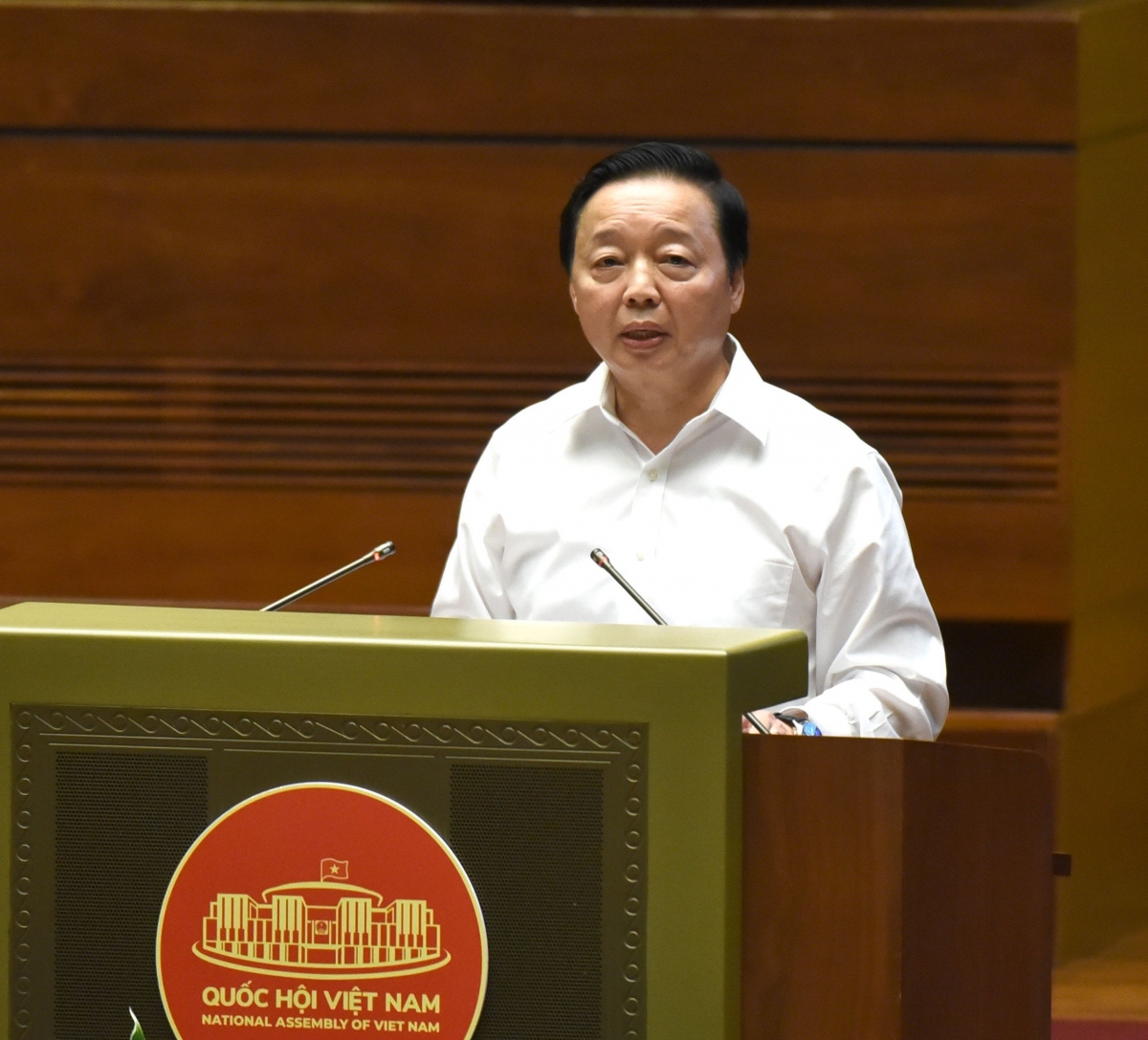
"Essentially, the Prime Minister is directing the amendment of the law on geology and minerals. For now, I believe that with the National Assembly's resolution and the Government's resolution, if we implement it actively, there will be no difficulties. The Prime Minister has visited twice to directly supervise, and I personally, along with the ministers, have held three meetings and even conducted on-site surveys to assess the situation. To date, all issues have been resolved through the following solutions: Firstly, absolutely applying the specific regulations issued by the National Assembly and the Government. Secondly, closely monitoring the needs according to the progress and capacity of the material sources," the Deputy Prime Minister stated.
According to the Deputy Prime Minister, Government Decree 157, recently signed, addresses the dredging of waterways combined with sand mining, potentially adding an additional 45 million cubic meters. This ensures a surplus compared to current needs.
"We have 145 million cubic meters of saline-contaminated sand in Soc Trang, and the Ministry of Transport has conducted pilot studies and research, showing that it meets the physical and mechanical criteria as well as the conditions for land reclamation and ensures environmental control during reclamation in the areas we are currently developing. Therefore, regarding construction materials in the long term, we will consider a more scientific and long-term perspective, but for now, these solutions are sufficient to address the problem," the Deputy Prime Minister stated.
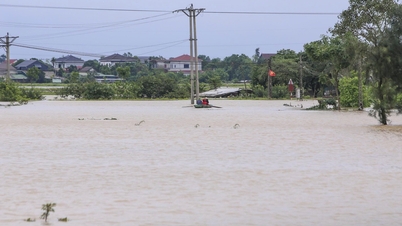
VOV.VN - Delegate Tran Van Sau stated that 1.7 million people in the Mekong Delta have had to leave their homes, fields, and homeland due to drought, saltwater intrusion, landslides, and subsidence... Given the factors caused by climate change, if timely action is not taken, the Mekong Delta will cease to exist within a few decades.
Source: https://vov.vn/chinh-tri/quoc-hoi/pho-thu-tuong-tran-hong-ha-gia-thu-hoi-dat-se-sat-gia-thi-truong-post1098298.vov









































































Comment (0)