

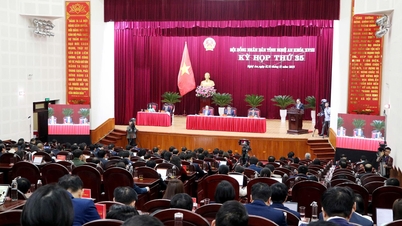
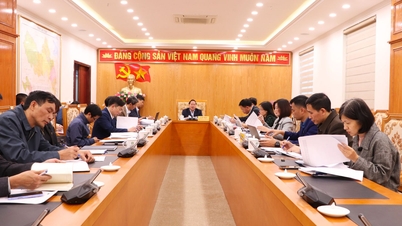
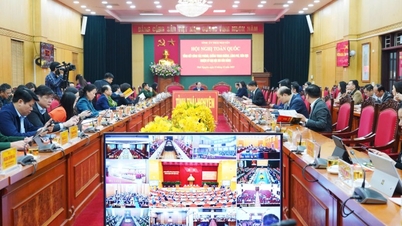
On the morning of January 13th, in Vinh City ( Nghe An province ), the Coordinating Council for the North Central and Central Coastal Regions held a meeting to summarize its activities in 2023 and develop plans for 2024. Comrade Tran Hong Ha, Member of the Central Committee of the Communist Party of Vietnam, Deputy Prime Minister, and Chairman of the Coordinating Council for the Region, presided over the meeting.
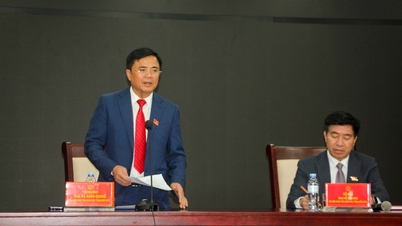
Comrades Nguyen Chi Dung - Member of the Central Committee of the Party, Minister of Planning and Investment , Standing Vice Chairman of the Regional Coordination Council; and Thai Thanh Quy - Member of the Central Committee of the Party, Secretary of the Provincial Party Committee, Chairman of the Provincial People's Council, and Head of the National Assembly Delegation of Nghe An province, co-chaired the conference.
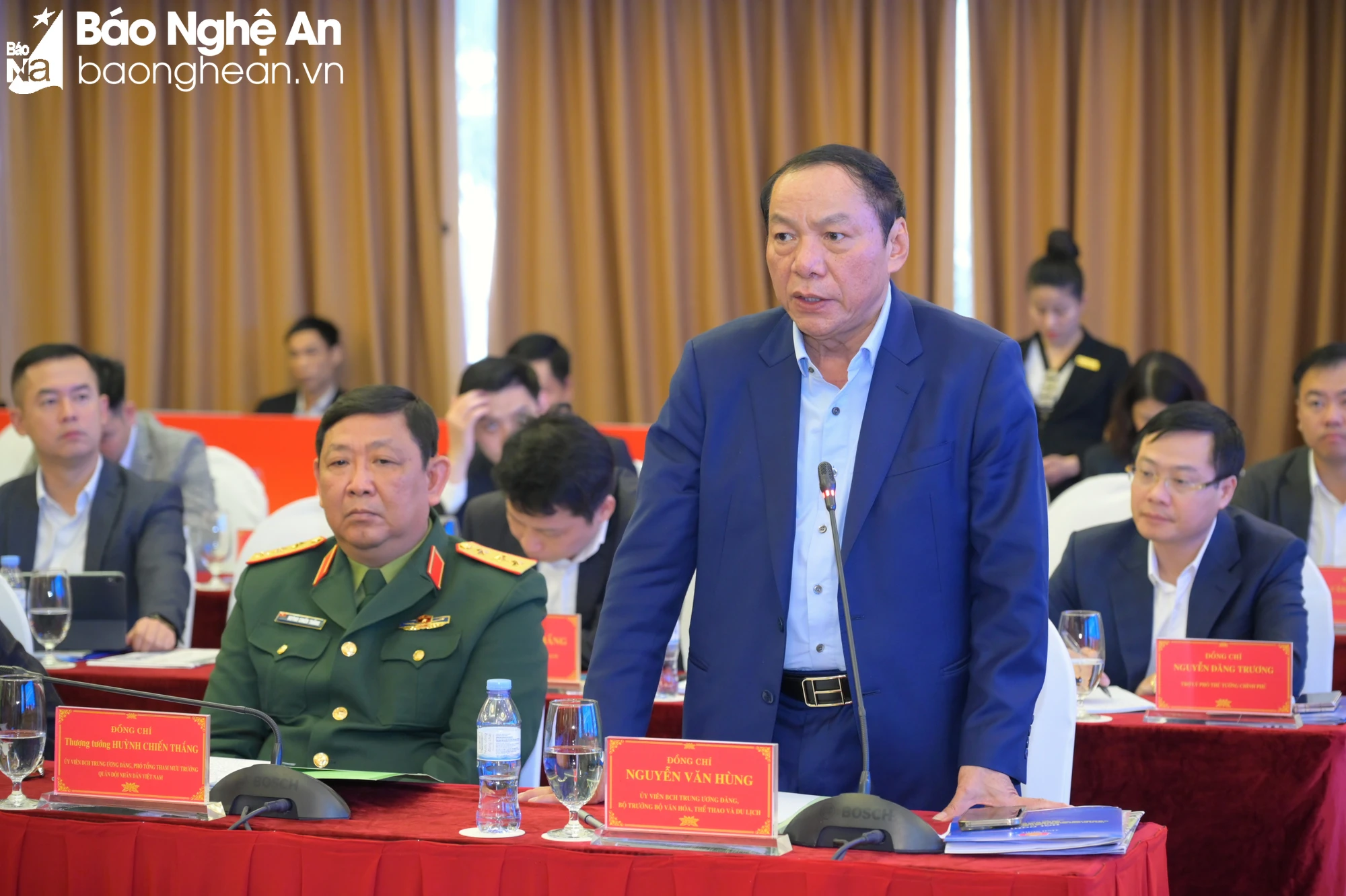
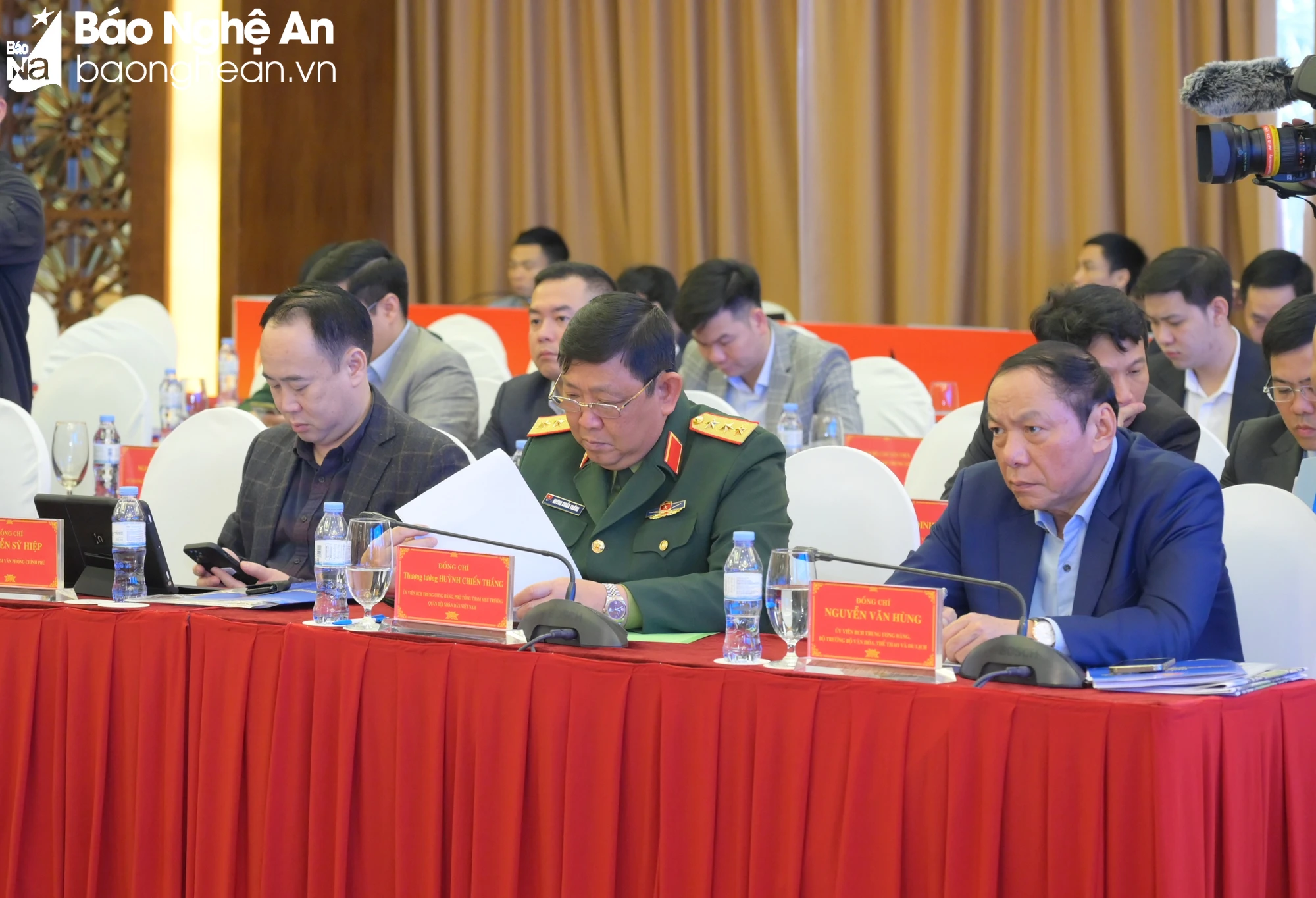
Attending the conference were members of the Central Committee of the Communist Party of Vietnam: Nguyen Van Hung - Minister of Culture, Sports and Tourism; Lieutenant General Huynh Chien Thang - Deputy Chief of the General Staff of the Vietnam People's Army; Do Trong Hung - Secretary of the Provincial Party Committee, Chairman of the Provincial People's Council, and Head of the National Assembly Delegation of Thanh Hoa province; Hoang Trung Dung - Secretary of the Provincial Party Committee, Chairman of the Provincial People's Council, and Head of the National Assembly Delegation of Ha Tinh province; Nguyen Van Quang - Secretary of the City Party Committee and Head of the National Assembly Delegation of Da Nang city; and Nguyen Hai Ninh - Secretary of the Provincial Party Committee, Chairman of the Provincial People's Council, and Head of the National Assembly Delegation of Khanh Hoa province.
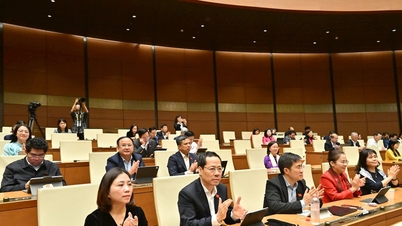
Attending the conference were leaders from the Government Office, central ministries and agencies; and the Chairmen and Vice-Chairmen of the People's Committees of 13 provinces and cities: Thanh Hoa, Ha Tinh, Quang Binh, Quang Tri, Thua Thien - Hue, Da Nang, Quang Nam, Quang Ngai, Binh Dinh, Phu Yen, Khanh Hoa, Ninh Thuan and Binh Thuan.
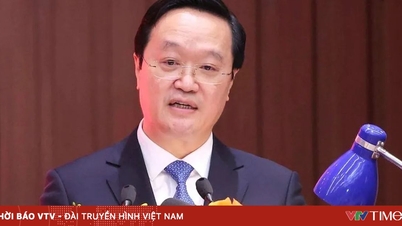
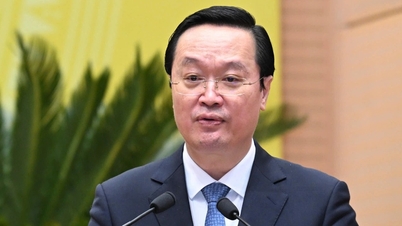
Representing Nghe An province were: Mr. Nguyen Duc Trung - Deputy Secretary of the Provincial Party Committee, Chairman of the Provincial People's Committee; Mr. Hoang Nghia Hieu - Deputy Secretary of the Provincial Party Committee; along with members of the Provincial Party Standing Committee, the Provincial Party Executive Committee, the Standing Committee of the Provincial People's Council, the Provincial People's Committee, the Provincial Fatherland Front Committee, the Provincial National Assembly Delegation, and various departments and agencies...
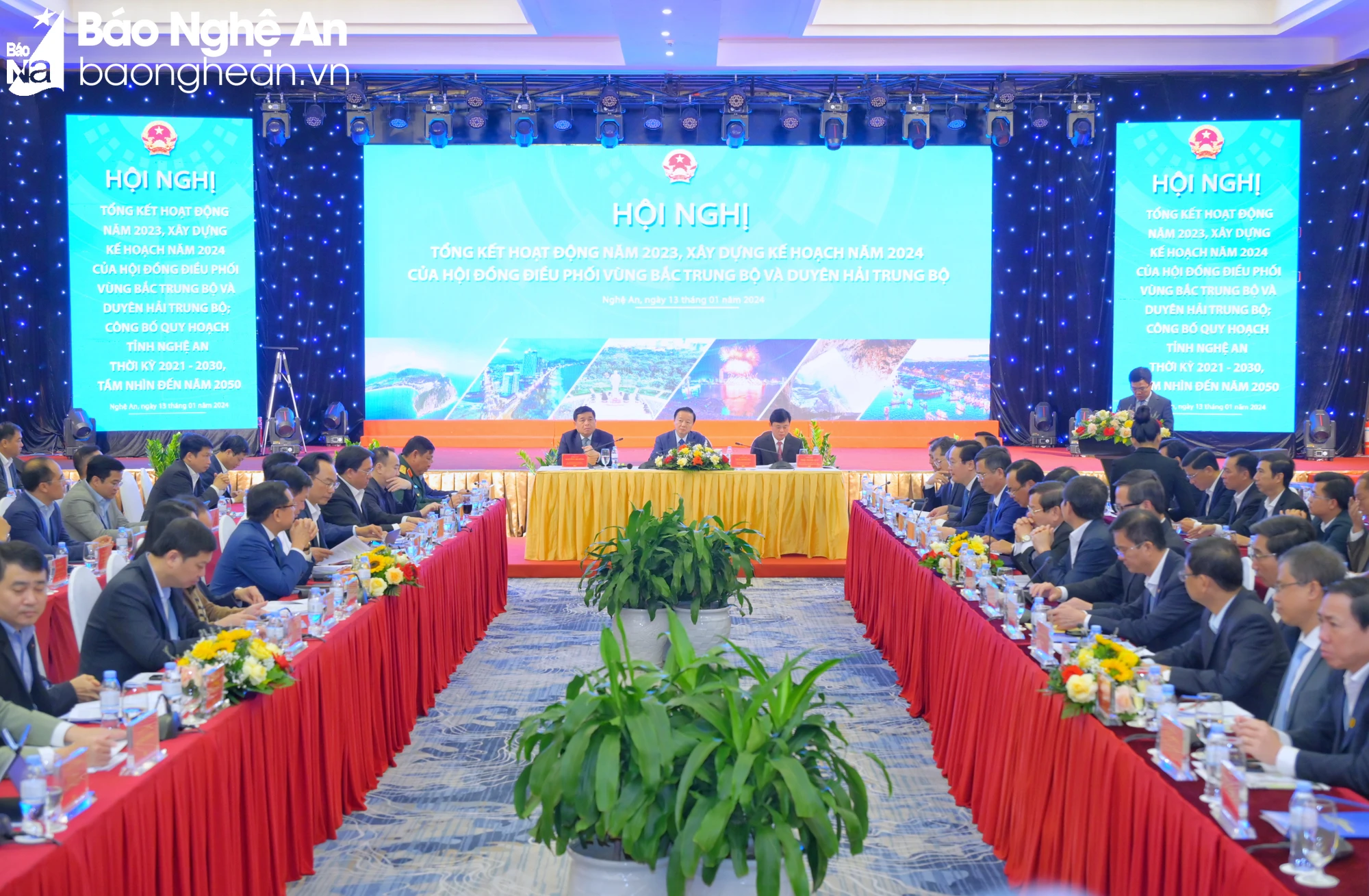
THE ACTIVITIES OF THE REGIONAL COORDINATION COUNCIL ARE EFFECTIVE AND EFFICIENT.
The North Central and Central Coastal region comprises 14 provinces and centrally-governed cities from Thanh Hoa to Binh Thuan. This is a strategically important area in terms of politics, economics, culture, society, national defense, security, and foreign relations; it serves as a "gateway" to the sea and a "support base" for the Central Highlands provinces.
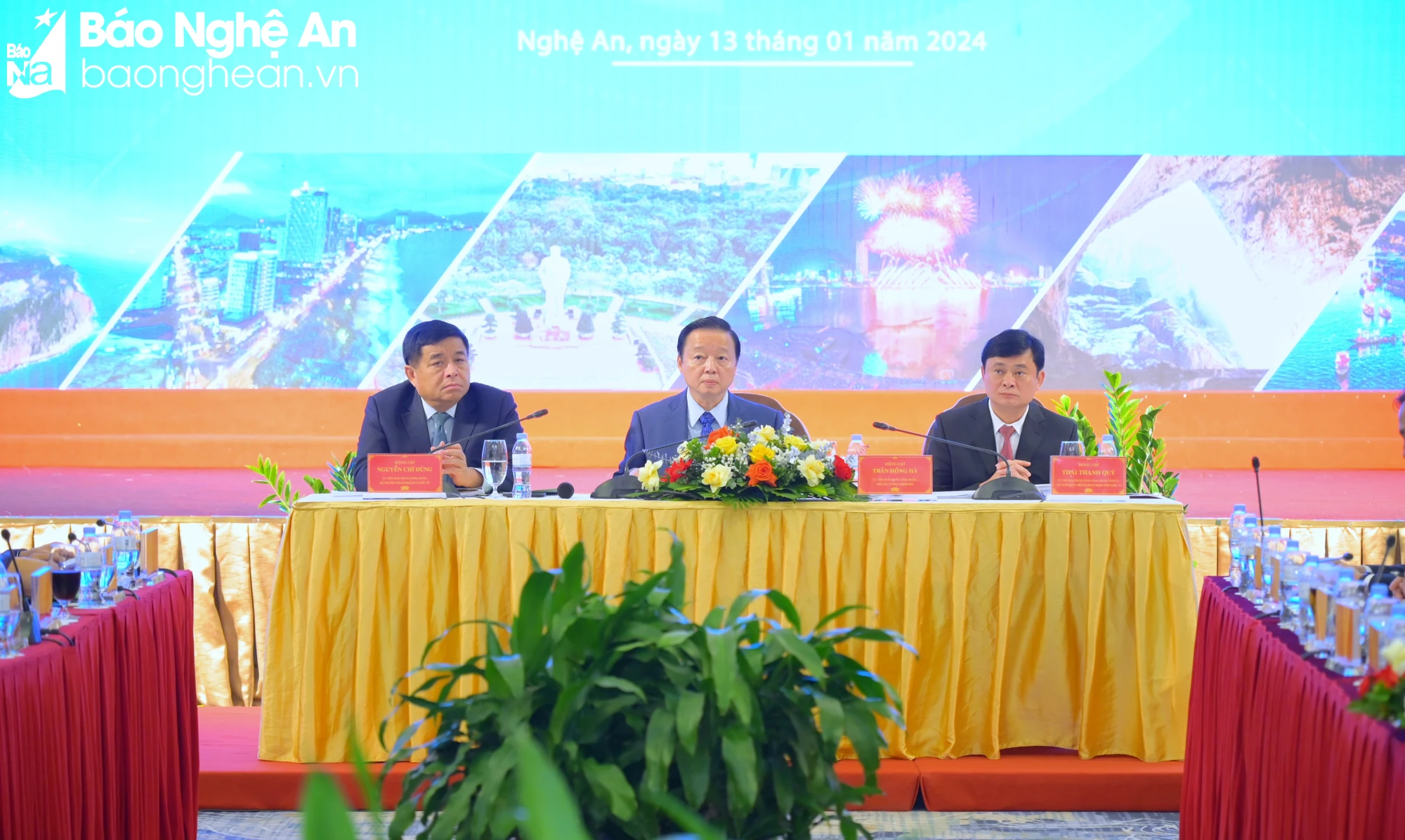
On July 11, 2023, the Prime Minister issued Decision 824/QD-TTg establishing the Coordinating Council for the North Central and Central Coastal Regions. The Coordinating Council was established to innovate the regional coordination mechanism, promote rapid and sustainable socio-economic development in the region, protect the environment, and ensure national defense and security.
To date, 13 out of 14 localities in the region have had their planning decisions for the period 2021-2030, with a vision to 2050, approved by the Prime Minister. The planning for the North Central and Central Coastal regions has been reviewed by the State Appraisal Council and is being finalized for submission to the Prime Minister for approval.
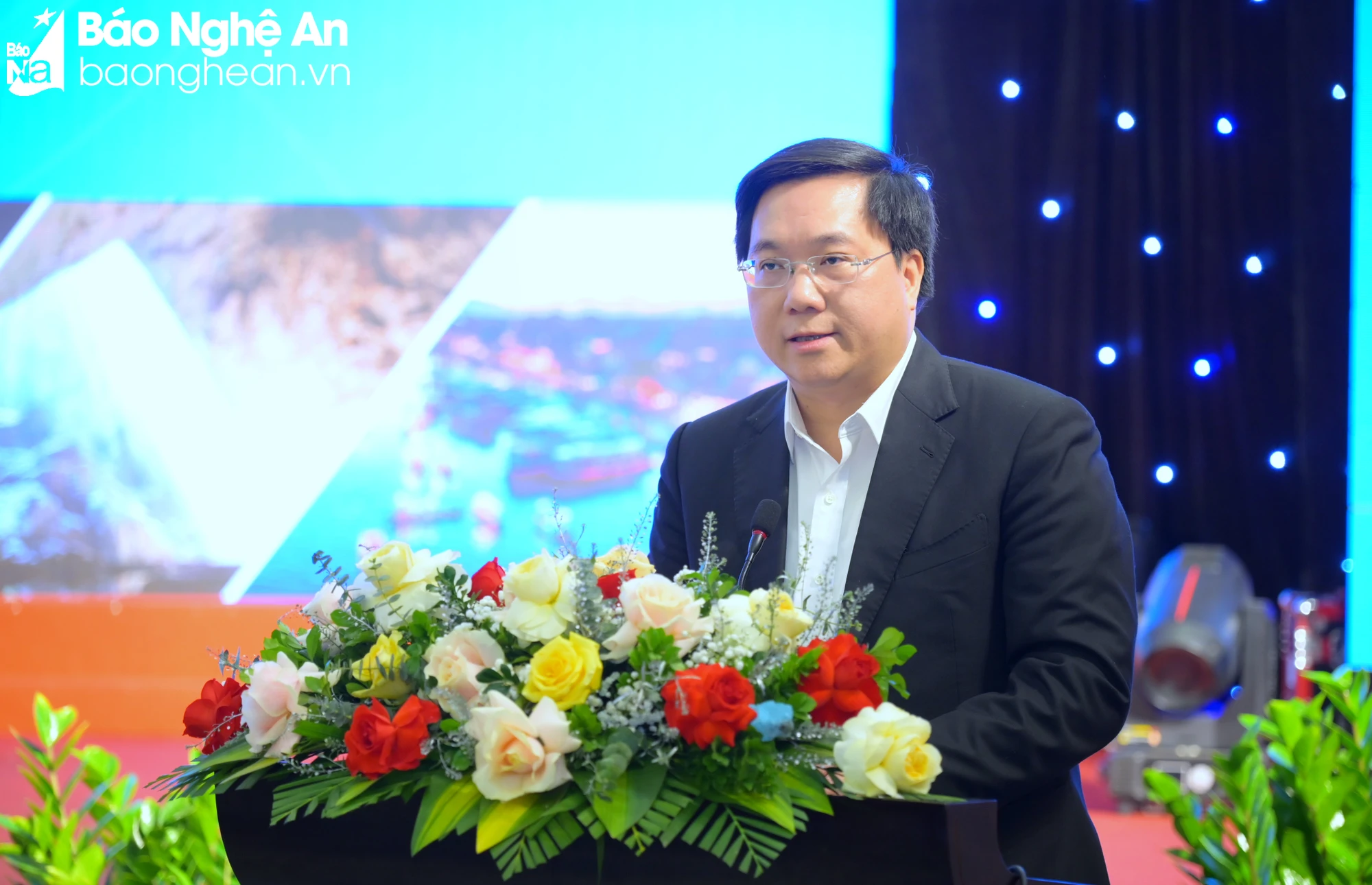
The planning for the North Central and Central Coastal regions for the period 2021-2030, with a vision to 2050, is a concrete step in implementing the National Master Plan. The plan helps to "pave the way," creating new development drivers, development potential, and development spaces for the nation and the region, and is specifically reflected within the spatial scope of each locality.
The planning for the North Central and Central Coastal regions identifies the marine economic sector as a crucial pillar of the region's economic development, especially sectors such as marine tourism and services; maritime economy; oil and gas exploration; aquaculture and fisheries; and offshore wind power...
The Regional Coordination Council has coordinated investment promotion activities and resource mobilization; coordinated the use of public investment capital to guide, direct, and activate non-state investment resources, and promoted investment through public-private partnerships in the development of strategic, urgent, and important infrastructure.
In 2023, the entire region attracted 183 newly licensed projects with a total registered capital of US$2.13 billion; Nghe An province alone attracted over US$1.6 billion in FDI, ranking 8th nationwide and first in the Central and Central Highlands regions.
Coordination and linkage in the development of transportation infrastructure have yielded high results, with the implementation of many key national transportation infrastructure projects in the region. In 2023, the region completed the following expressway sections: Cao Bo - Mai Son, Mai Son - National Highway 45, Cam Lo - La Son, Vinh Hao - Phan Thiet, National Highway 45 - Nghi Son, and Nghi Son - Dien Chau.
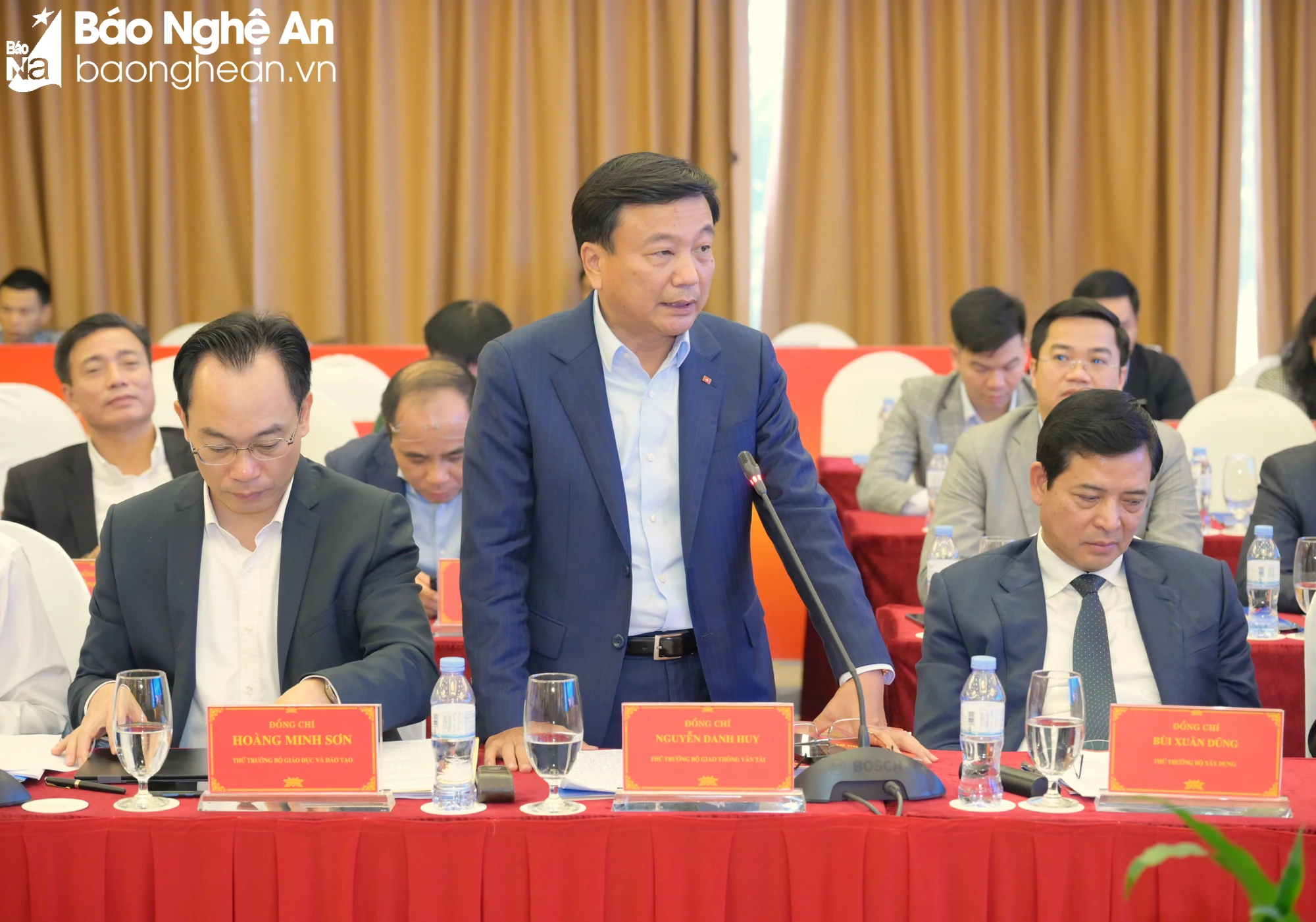
At the conference, participating delegates provided additional comments, further clarifying the results of the activities of the Regional Coordination Council and the localities within the region; thereby highly appreciating the effective and substantive work of the Regional Coordination Council, bridging the gap and creating a cohesive cooperative development between localities and central ministries and agencies.
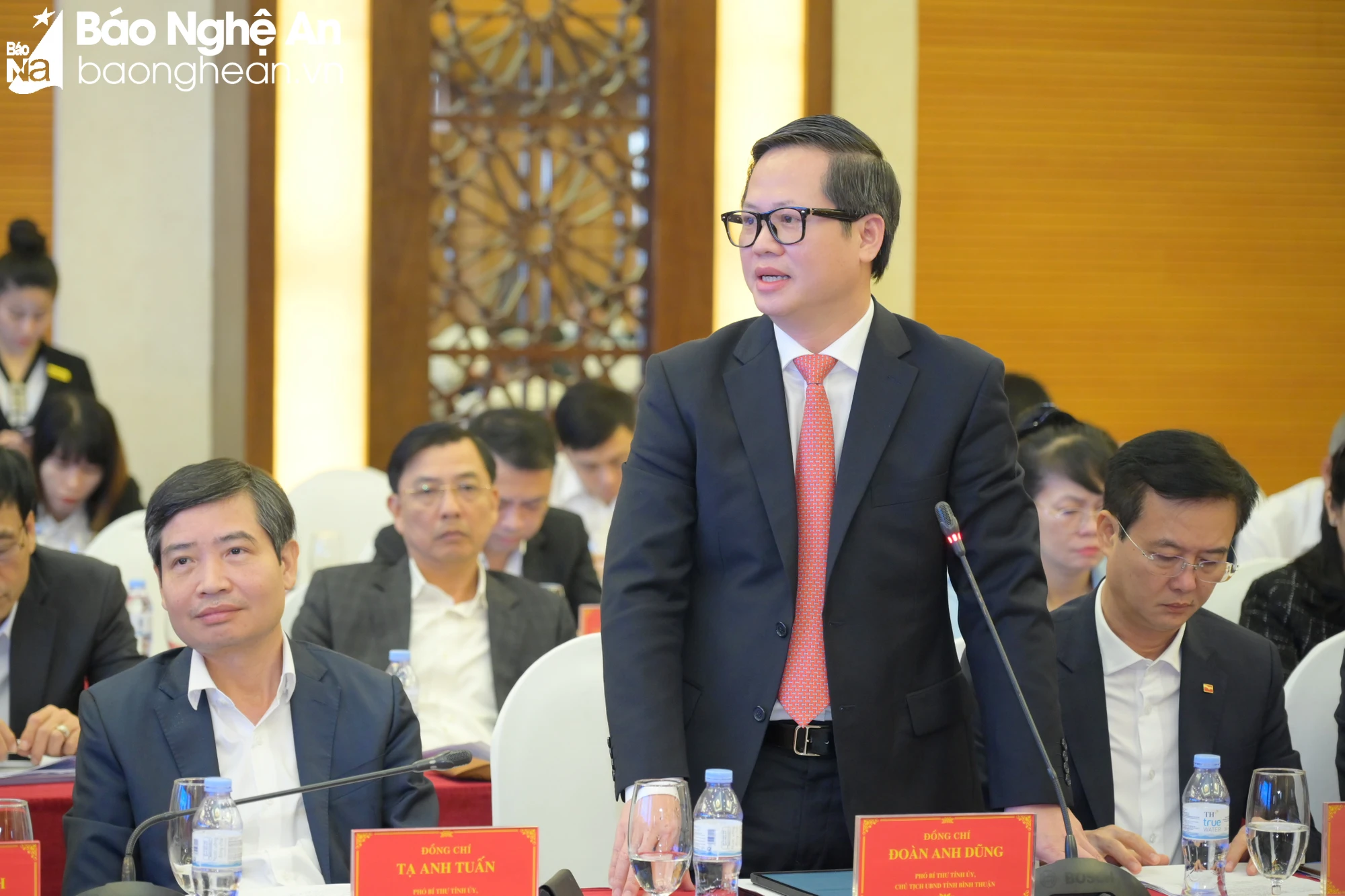
The delegates also contributed ideas to the plan and tasks for 2024: strengthening tourism promotion through film; creating cultural products using relics and heritage sites and connecting localities with each other; mobilizing resources from specific mechanisms and policies to develop transportation infrastructure; and establishing a regional innovation center.
There is a need for mechanisms to encourage businesses to invest in transportation corridors through PPPs; to build regional rescue and relief centers; to coordinate synchronized activities and accelerate transportation infrastructure projects; to expedite the approval of high-speed rail investment; and to promptly issue a legal framework and policy mechanisms for the development of offshore wind power.
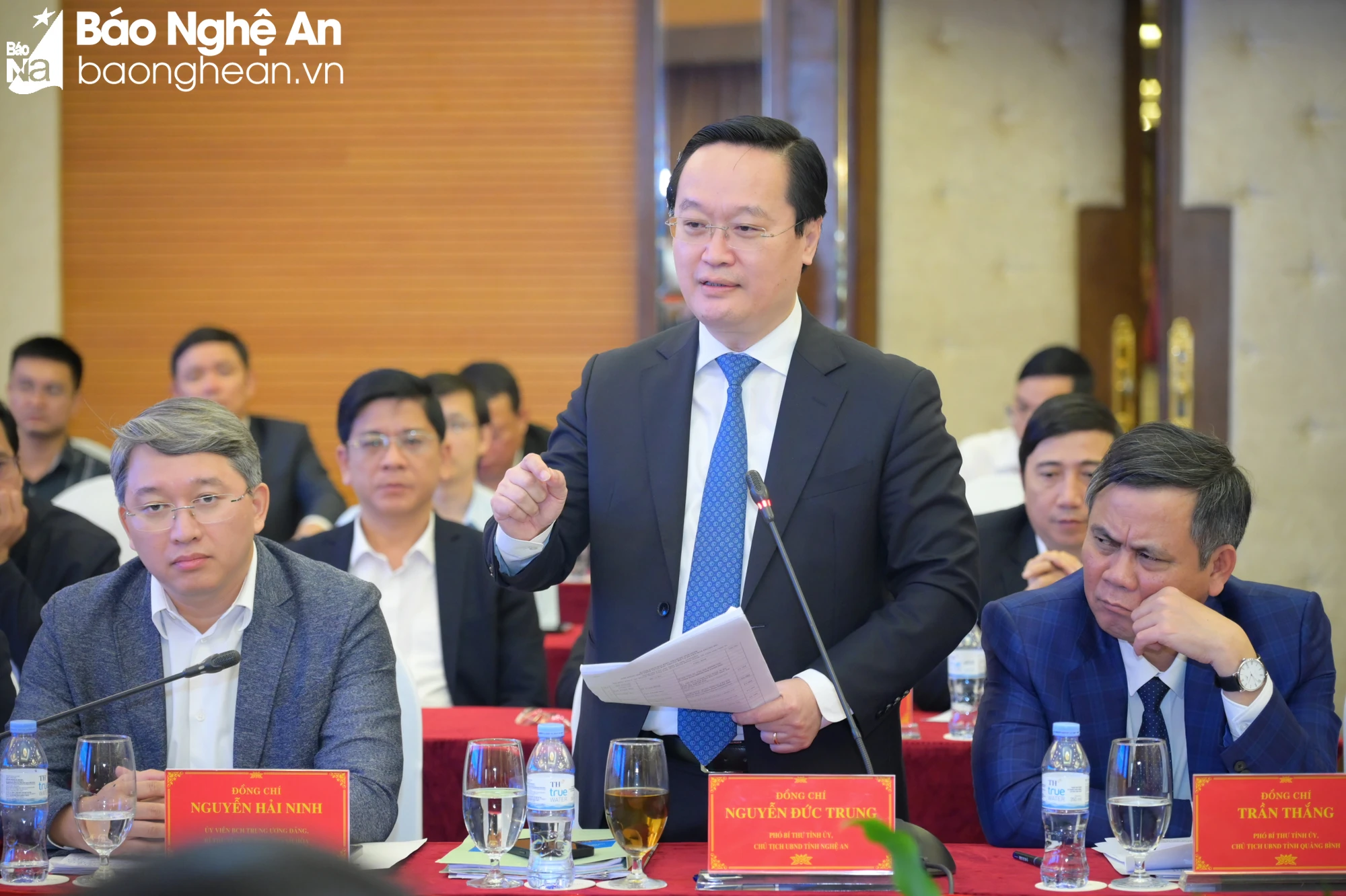
Speaking at the conference, and noting that the North Central and Central Coastal regions have many advantages for implementing cooperation activities, Chairman of the Nghe An Provincial People's Committee Nguyen Duc Trung suggested that, immediately after the regional plan is approved, the Regional Coordination Council should direct localities to review the contents of their provincial plans to ensure consistency and uniformity with the regional plan; in addition to regular meetings, a joint investment promotion conference could be organized for the region or for sub-regions.
The head of the People's Committee of Nghe An province also suggested applying some specific mechanisms and policies of certain localities to the entire region and developing a specific mechanism focused on the marine economy; researching and developing a set of criteria for selecting regional projects, ensuring harmonious development among localities.
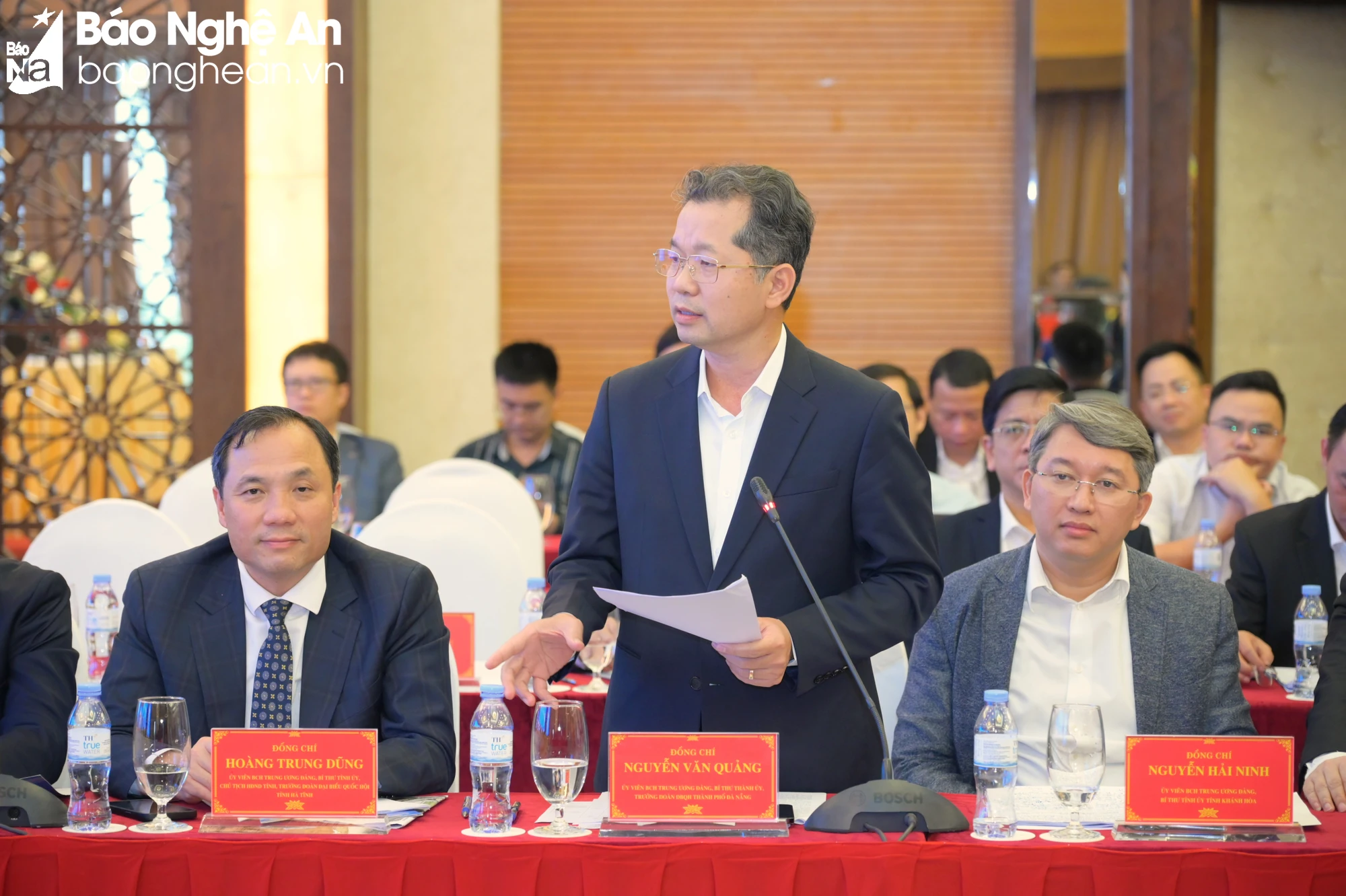
At the conference, the Party Secretaries of Thanh Hoa, Ha Tinh, Khanh Hoa, and Da Nang provinces and cities requested the Regional Coordination Council to develop mechanisms and policies for linking tourism development among localities; connect transportation between the Northwest region and the North Central sub-region; and review the implementation of tasks by ministries, sectors, and localities after the meetings of the Regional Coordination Council.
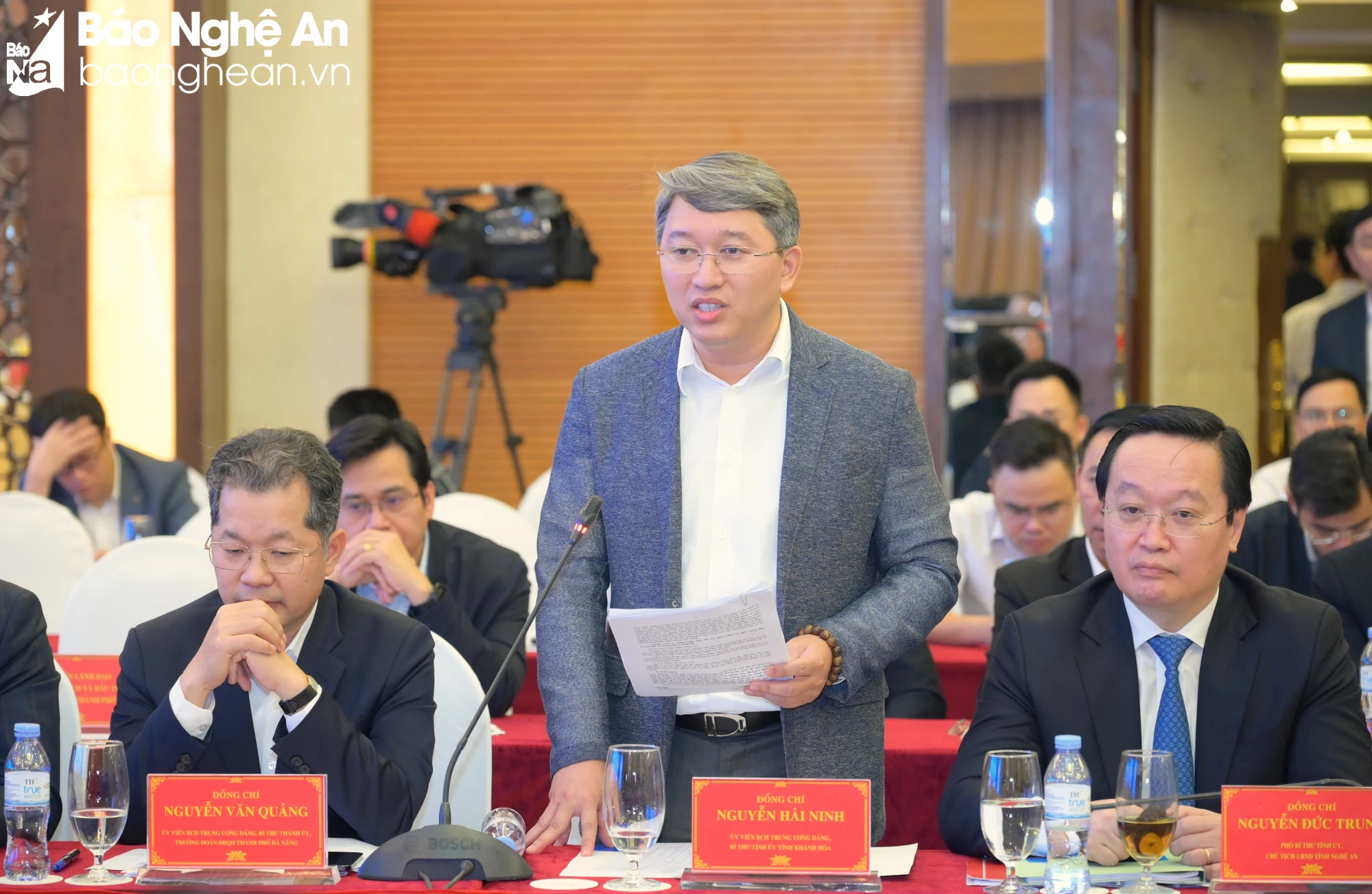
Implementing projects under Resolution No. 26-NQ/TW dated November 3, 2022, of the Politburo on "Socio-economic development and ensuring national defense and security in the North Central and Central Coastal regions until 2030, with a vision to 2045," especially the Khanh Hoa - Buon Ma Thuot expressway project; the Da Nang - Thach My - Ngoc Hoi - Bo Y expressway project; the Da Nang National University project; linking mechanisms, policies, and thinking on new issues between localities; researching investment in the construction of the Da Lat - Nha Trang expressway project; and the South Central Regional General Hospital.
PROPOSAL FOR DEVELOPING SPECIFIC MECHANISMS AND POLICIES FOR THE REGION
Speaking at the conference, Minister of Planning and Investment Nguyen Chi Dung highly appreciated the opinions of ministries, sectors, and localities in the region; and emphasized the important role of regional development and regional development linkages in Resolution No. 26 of the Politburo on socio-economic development and ensuring national defense and security of the North Central and Central Coastal regions until 2030, with a vision to 2045.
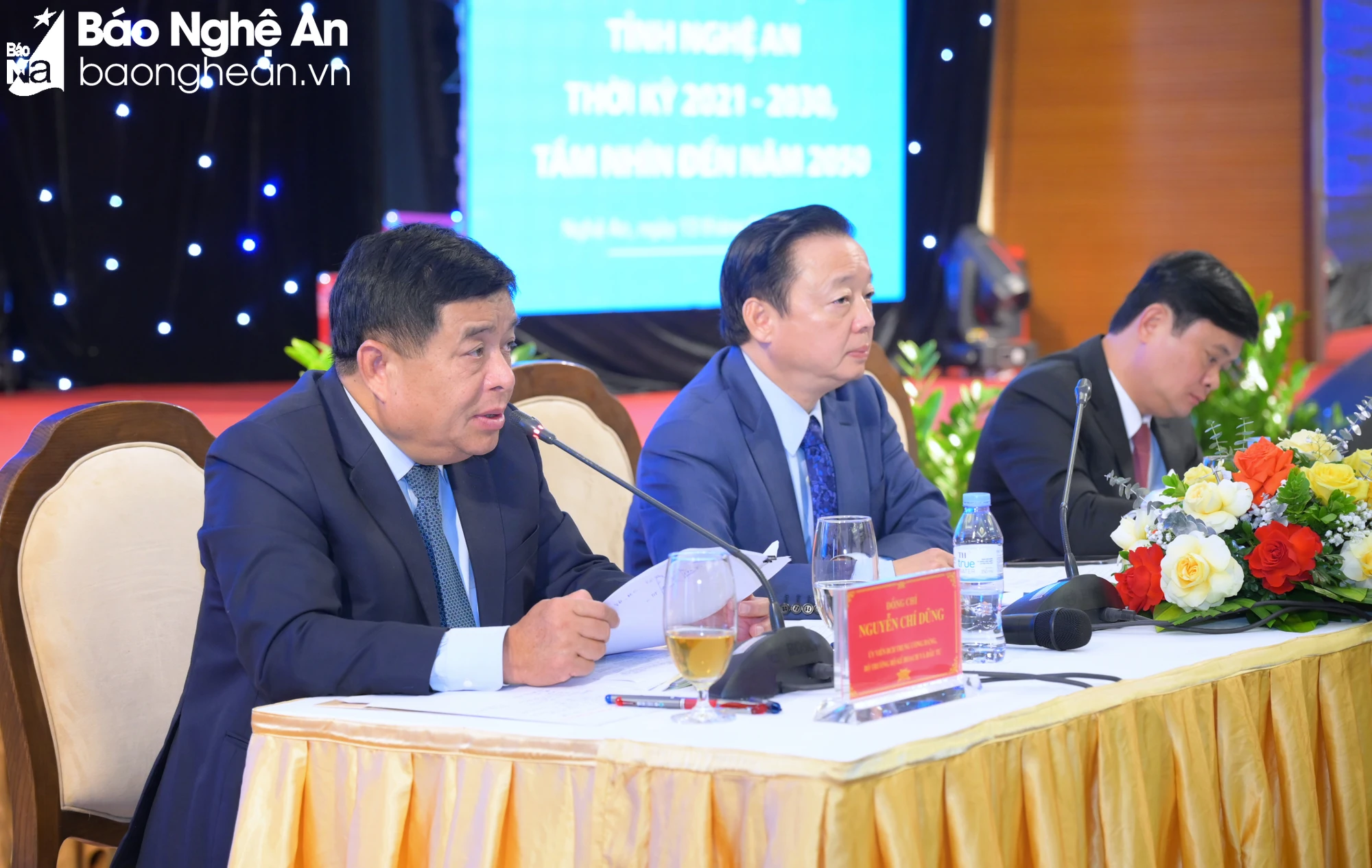
Considering that the tasks for the Regional Coordination Council in 2024 are numerous, difficult, and demanding, Comrade Nguyen Chi Dung suggested that localities identify implementation roadmaps to achieve planning objectives; and urgently direct the development of provincial planning implementation plans, finalize them, and submit them to the Prime Minister for approval.
Based on approved plans, localities should coordinate with ministries and agencies to immediately identify projects with a linkage and development nature involving at least two or more localities, especially in transportation, connecting infrastructure, and projects important for regional development; proactively develop policies and concretize solutions for implementing provincial plans with the view of strengthening linkages across three sub-regions based on industries and sectors with advantages.
On the other hand, it is necessary to develop a plan to balance resources for implementing the investment capital plan from the budget, and mobilize other resources to implement investment programs and projects in the region. In particular, it is crucial to develop specific mechanisms and policies for the socio-economic development of the region; and proactively attract domestic and foreign investment.
Concluding the conference, Deputy Prime Minister Tran Hong Ha stated that the North Central and Central Coastal regions now possess the crucial political foundation, institutional tools, strategies, and planning frameworks necessary for development.
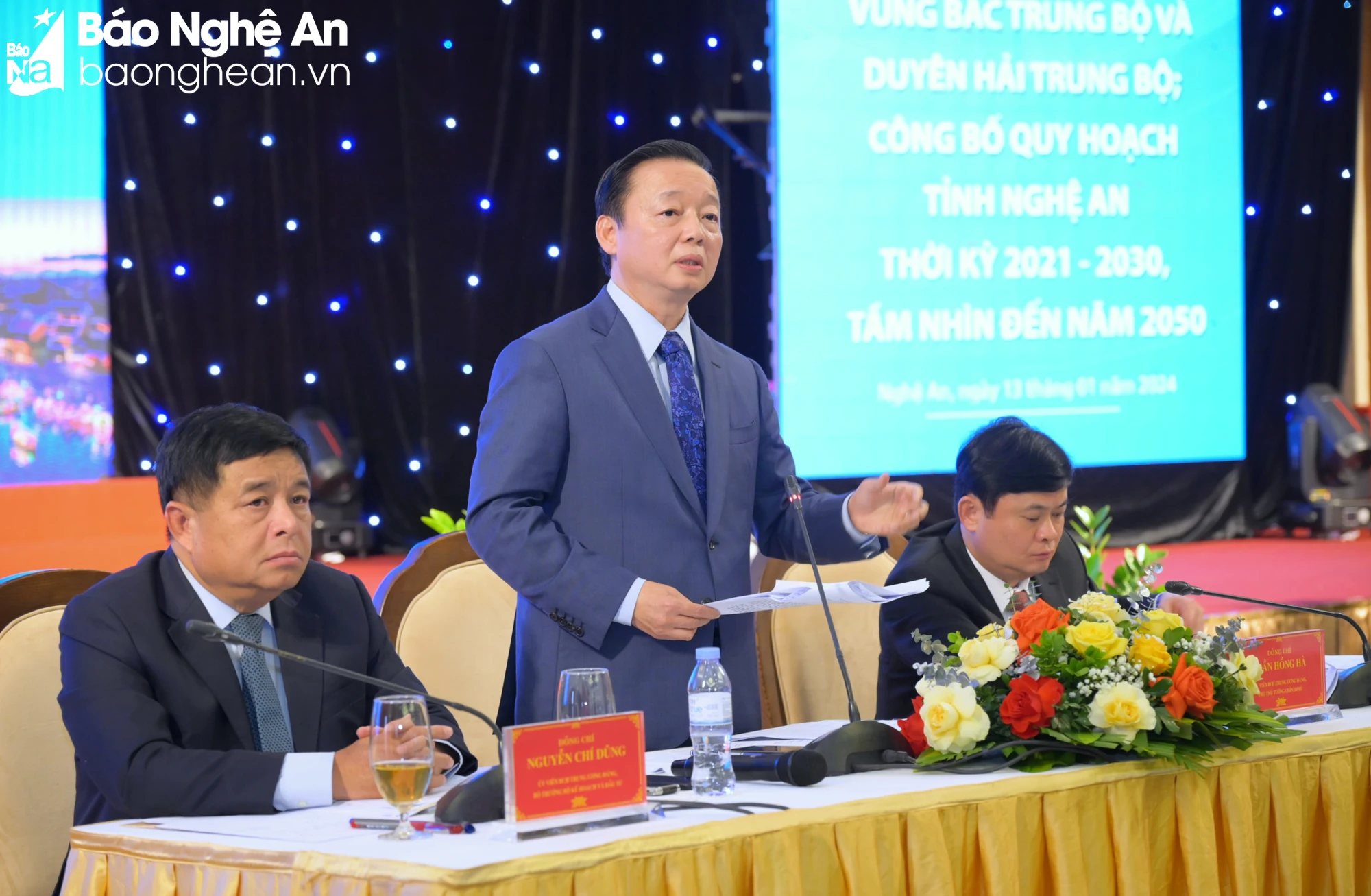
The Regional Coordination Council is responsible for effectively implementing Resolution 26 on socio-economic development and ensuring national defense and security in the North Central and Central Coastal regions until 2030, with a vision to 2045, and for implementing the Regional Planning.
Emphasizing the future tasks of the Regional Coordination Council, the Deputy Prime Minister requested the Ministry of Planning and Investment to develop criteria and assign specific tasks to localities and sub-regions.
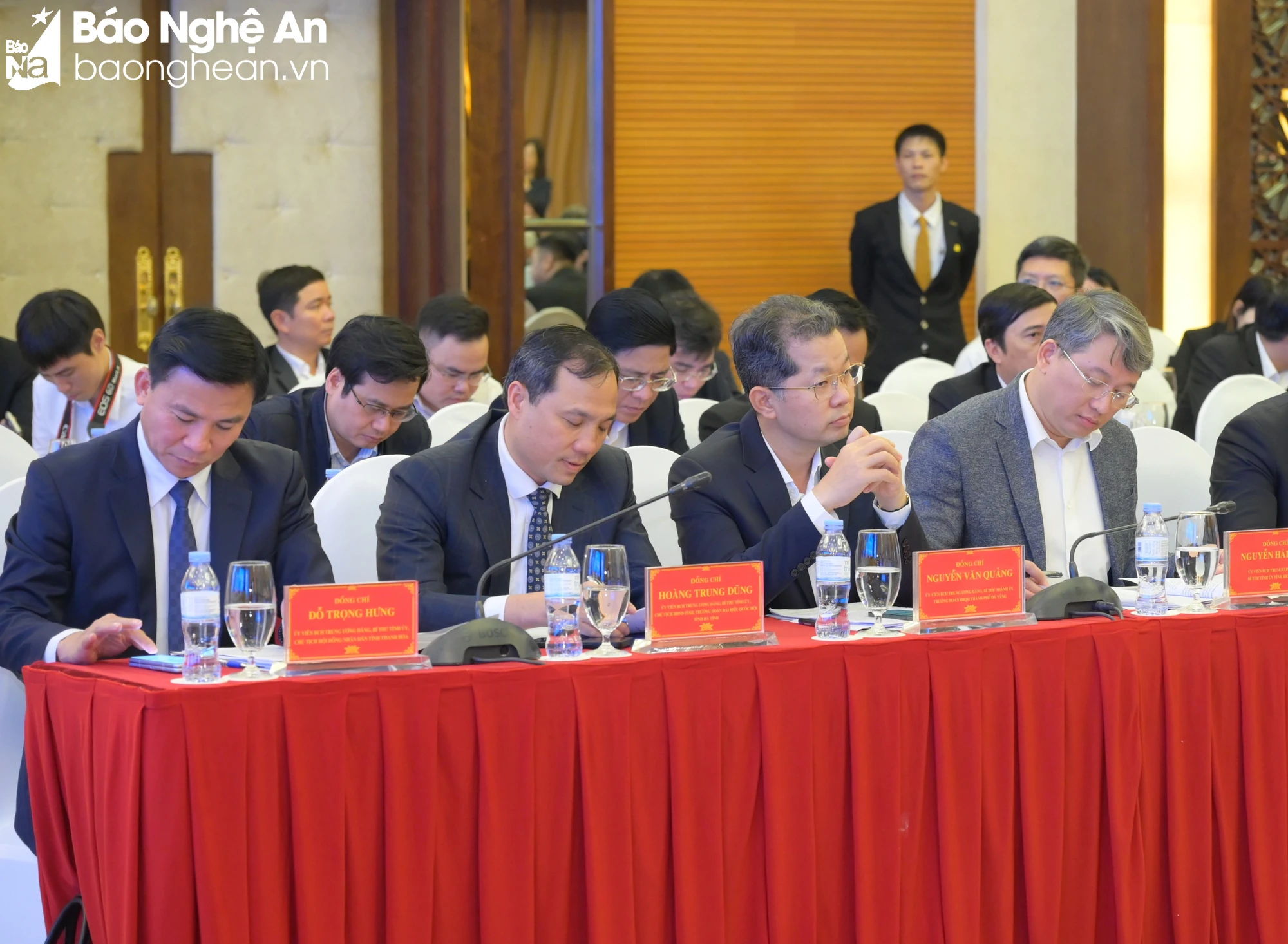
Local authorities should research and contribute to sectoral planning, especially the planning of educational and training facilities, healthcare networks, sports, tourism, and cultural and artistic facilities. Within the region, it is necessary to develop regional products in a focused and targeted manner.
Suggesting regional connectivity issues, Deputy Prime Minister Tran Hong Ha proposed that localities prioritize projects in transportation infrastructure, taking into account connections with other regions; information technology infrastructure; energy infrastructure with the aim of becoming a renewable energy industrial center, specifically offshore wind power; education and training infrastructure; and healthcare infrastructure...
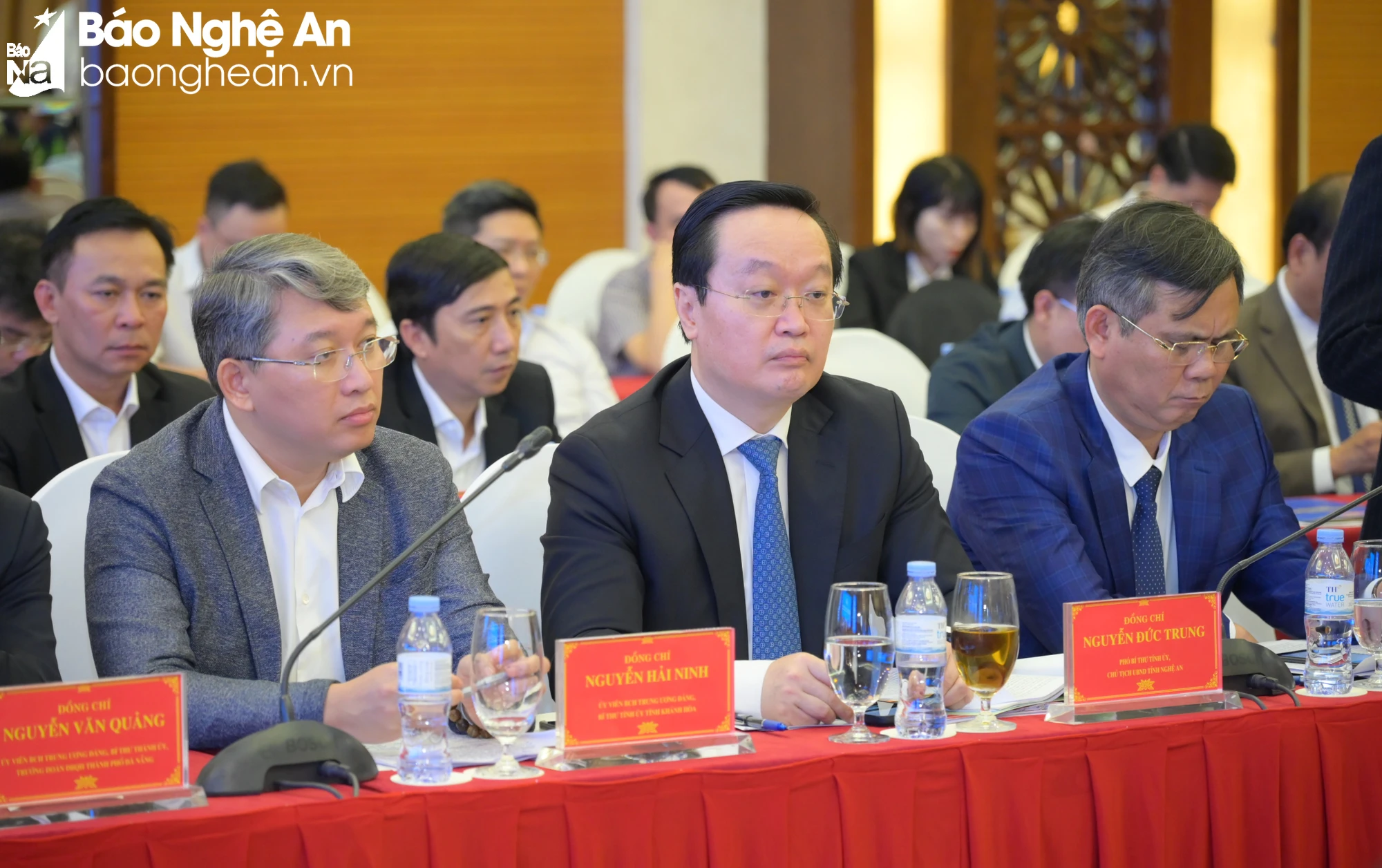
Comrade Tran Hong Ha also instructed the five localities currently implementing special mechanisms and policies to conduct preliminary and final reviews; thereby proposing special mechanisms and policies for the entire region, such as policies on investment, transportation, linkages between localities, and with other regions...
In the future, the Regional Coordination Council, in addition to regular meetings, may hold thematic meetings focusing on specific fields and topics. Furthermore, sub-regions should promptly establish organizational structures and build more effective databases for regional organizational activities.
Source

![[Photo] Prime Minister Pham Minh Chinh holds a phone call with the CEO of Russia's Rosatom Corporation.](/_next/image?url=https%3A%2F%2Fvphoto.vietnam.vn%2Fthumb%2F1200x675%2Fvietnam%2Fresource%2FIMAGE%2F2025%2F12%2F11%2F1765464552365_dsc-5295-jpg.webp&w=3840&q=75)


![[Photo] Closing Ceremony of the 10th Session of the 15th National Assembly](/_next/image?url=https%3A%2F%2Fvphoto.vietnam.vn%2Fthumb%2F1200x675%2Fvietnam%2Fresource%2FIMAGE%2F2025%2F12%2F11%2F1765448959967_image-1437-jpg.webp&w=3840&q=75)



































![[OFFICIAL] MISA GROUP ANNOUNCES ITS PIONEERING BRAND POSITIONING IN BUILDING AGENTIC AI FOR BUSINESSES, HOUSEHOLDS, AND THE GOVERNMENT](https://vphoto.vietnam.vn/thumb/402x226/vietnam/resource/IMAGE/2025/12/11/1765444754256_agentic-ai_postfb-scaled.png)









































Comment (0)