

EXCAVATION RESULTS
HOI SON ARCHEOLOGICAL SITE 2012
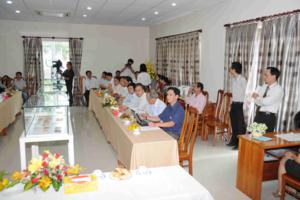
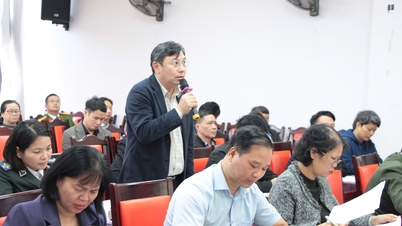
On the morning of January 11, 2013, Ho Chi Minh City Museum coordinated with the Center for Archaeological Research under the Institute for Sustainable Development of the Southern Region to organize a seminar and report on the preliminary results of the excavation of the Hoi Son Archaeological Site.
The discussion was chaired by Ms. Vu Kim Anh - Deputy Director of the Department of Culture, Sports and Tourism, with the participation of more than 100 guests, representatives of the Department of Culture, Sports and Tourism, scientific researchers, representatives of the Buddhist Sangha, Hoi Son Pagoda and journalists.
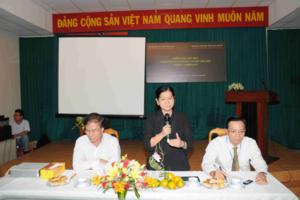
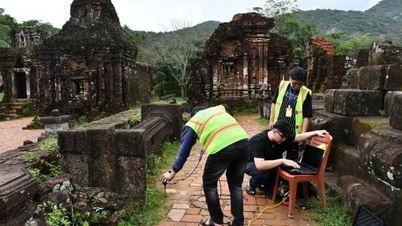
Ho Chi Minh City Museum in collaboration with the Center for Archaeological Research under the Institute for Sustainable Development of the Southern Region conducted an excavation of the Hoi Son archaeological site at Hoi Son Pagoda from December 1 to December 15, 2012.
The delegation has opened excavation pits and explored two areas: the temple foundation (the area that caught fire on the night of July 17, 2012) and the area surrounding the temple with a total area of 105 square meters.
Excavation results show that, although there have been many changes in terrain and geomorphology due to the farming and construction process that have caused the loss of part of the cultural layer in some areas of the site, this is still an area rich in archaeological potential, especially prehistoric archaeological accumulations.
Excavation of the foundation also found several reconstructions of the pagoda with laterite and brick structures in the foundation of the building, as well as corresponding laterite and sandstone footings located in the foundation.
The cultural layer containing prehistoric relics is 50-70cm thick. Through analysis of the characteristics of the collected relics, the distribution of the relics over the entire area of the site as well as in each excavation pit shows that this place was both a residential area and a workshop for making labor tools of prehistoric residents with a dating frame of 3500-3000 years ago.
The relics found were quite rich, including: stone grinding tables, stone knives, chisels, axes, hoes, net weights, stone flakes... and some ceramic relics such as thread-spinning plumb bobs, ceramic balls, parts of bowls, ceramic handles...
The stratigraphy of the excavation pits and the collection of relics show that this relic has a close connection with the Ben Do relic and other prehistoric relics located along the lower reaches of the Dong Nai River, which have been classified by scientists as the prehistoric Dong Nai cultural area.
Through the results of this excavation, the specialized agencies will make recommendations to the cultural management agency and Hoi Son pagoda on archaeological planning, pagoda reconstruction plan as well as the protection and promotion of heritage values in this area.
After the above preliminary report, the City Museum and the Archaeological Research Center will continue to research based on the excavation results to have an official and scientifically complete report.
Source: https://hcmc-museum.edu.vn/ket-qua-khai-quat-di-chi-khao-co-hoc-hoi-son-nam-2012/


![[Photo] General Secretary To Lam receives the Director of the Academy of Public Administration and National Economy under the President of the Russian Federation](/_next/image?url=https%3A%2F%2Fvphoto.vietnam.vn%2Fthumb%2F1200x675%2Fvietnam%2Fresource%2FIMAGE%2F2025%2F12%2F08%2F1765200203892_a1-bnd-0933-4198-jpg.webp&w=3840&q=75)


































































Comment (0)