

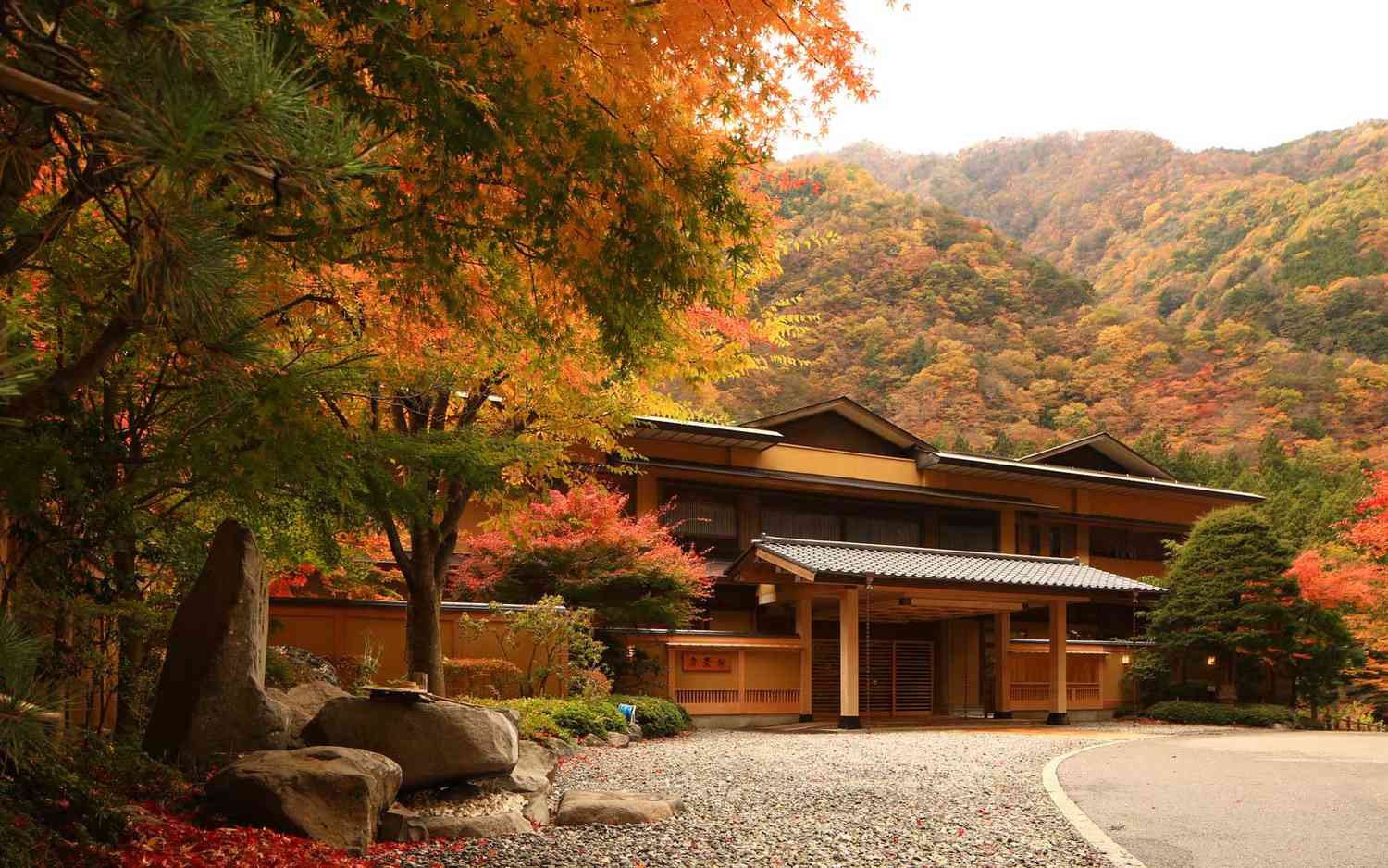
Nishiyama Onsen Keiunkan is a ryokan (traditional Japanese inn) with tatami mat floors, staff wearing kimonos, and handwritten signs.
According to reports, in 705, the eldest son of Fujiwara no Kamatari, the most powerful noble family at the time, was wandering around when he discovered the hot springs in this area.
Soon after, a traditional Japanese hot spring hotel, known as a ryokan, was built.
For over 1,300 years, many visitors have come here for relaxation, from ordinary civil servants to famous generals.
In 2011, Nishiyama Onsen Keiunkan was recognized by Guinness World Records as the oldest hotel in the world , having been in operation for over 1,319 years.
From urban to rural areas
To reach Nishiyama Onsen Keiunkan, visitors need to take a bullet train from Shizuoka Station in the prefecture of the same name, then board the train and head east.
The modern world is gradually receding into the background. Train stations are getting smaller and smaller. Some don't even have ticket counters. The hour-long train ride offers passengers the chance to admire panoramic views of Mount Fuji, along with fields and old houses.
Tourists will disembark at Minobu, a village of only 11,000 people, and wait for a shuttle bus provided by the hotel.
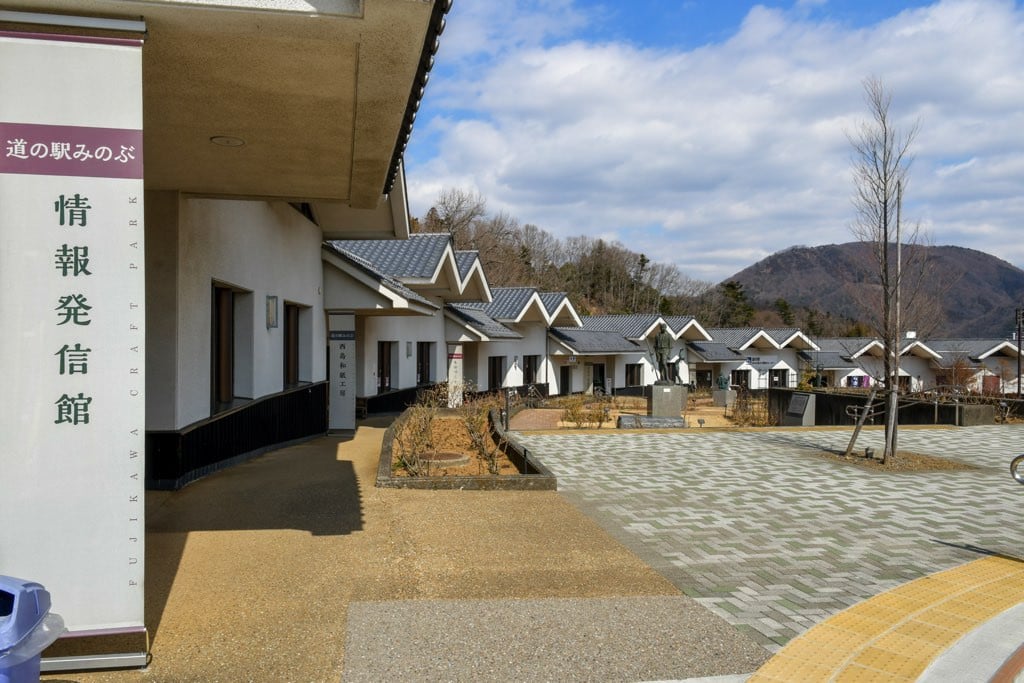
Minobu is so small that the ticket counters at the station only accept cash and issue paper tickets – a stark contrast to Tokyo, where LED lights flood the streets and people pass through train gates with just a tap on their phones.
In Minobu, there are no convenience stores or fast-food restaurants. The narrow streets are home to local shops that have been operating for generations.
From here, visitors must drive another hour along a winding road, venturing deeper into the Hayakawa-cho mountains until the hotel comes into view.
Traditional space
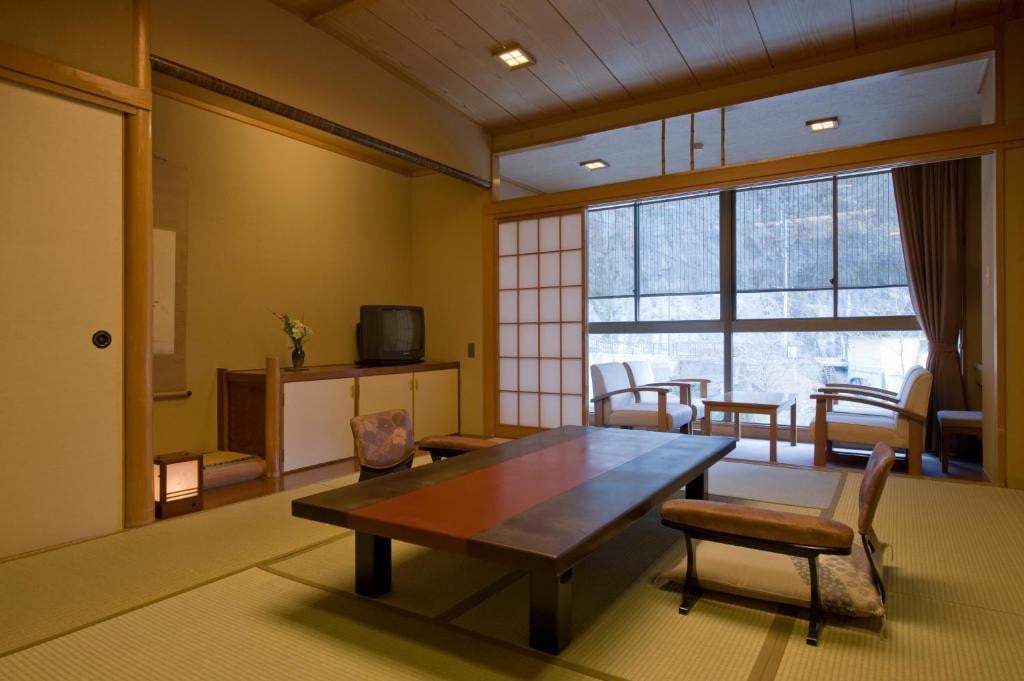
Standard rooms at Nishiyama Onsen Keiunkan consist of three sections: two seating areas and a living space. The walls are adorned with kakejiku, traditional Japanese scroll paintings depicting nature scenes and bearing the signatures of the artists.
The room's windows were so large that the view of the forest in front resembled a giant painting covering the entire wall. The floor was paved with locally quarried stone, and the bathtub was made of wood.
There are six hot springs around the hotel, four outdoor and two indoor. Reservations are required for the two indoor hot springs if guests wish to use them.
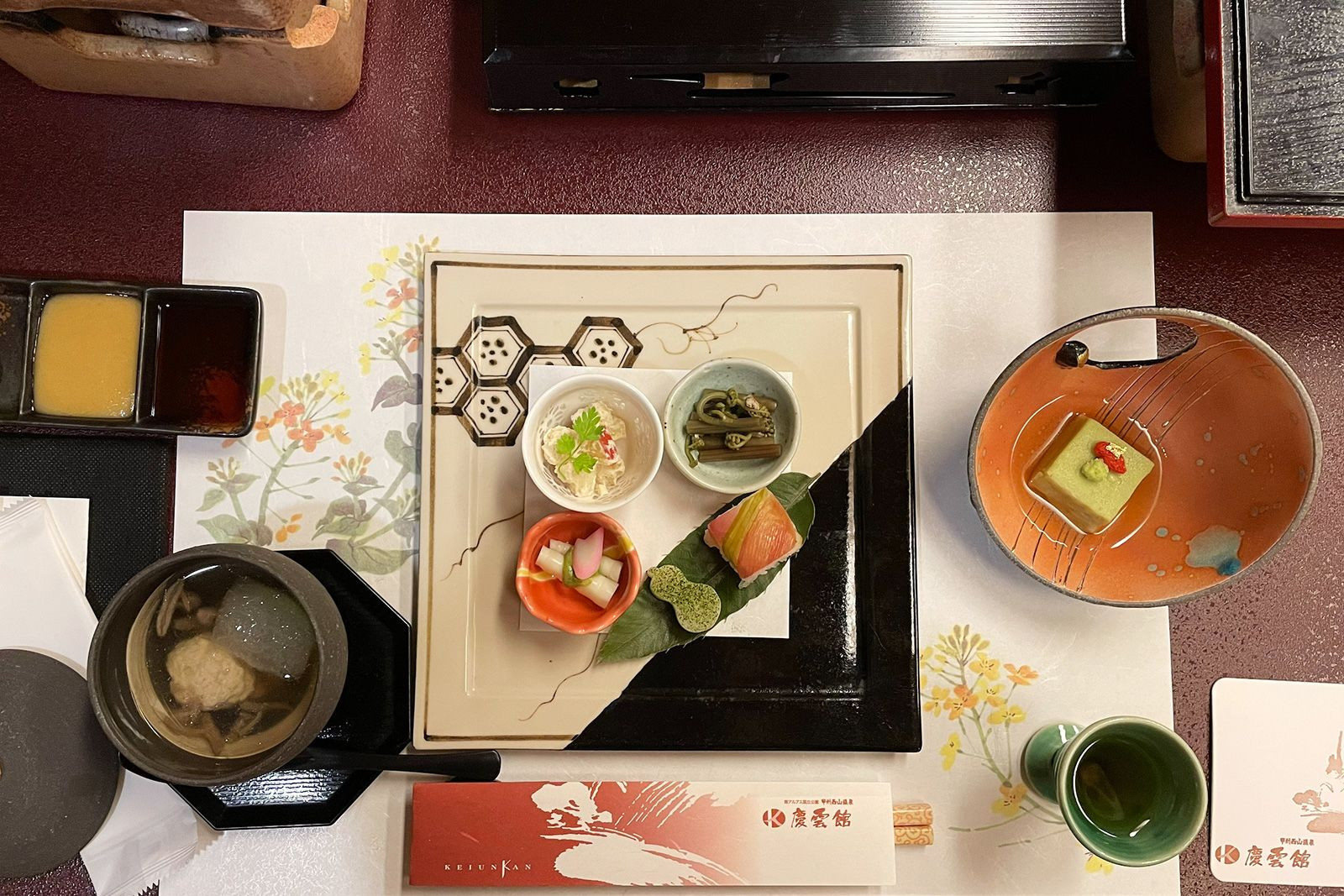
For dinner, guests can book a private room with a five-course meal and local wine. The meal includes sushi, tofu, and a light soup, followed by smoked fish, grilled meat, and hot pot. Upon returning to their room, guests will discover that their accommodation has been changed.
The living room has been converted into a bedroom with comfortable mattresses laid out on the floor. Pillows are perfectly positioned so guests can enjoy the view of the forest upon waking up.
Hotel manager Kenjiro Kawano believes that its secluded location has helped the hotel attract guests and survive for many years. Although the place is becoming increasingly popular, they have no plans to expand the hotel.
The future of the "next 1,300 years"
For many years, the hotel was owned by two families. By the 52nd generation, the owners faced problems finding an heir, as there were no relatives or descendants left to take over the business. The 53rd manager of the hotel is Kenjiro Kawano.
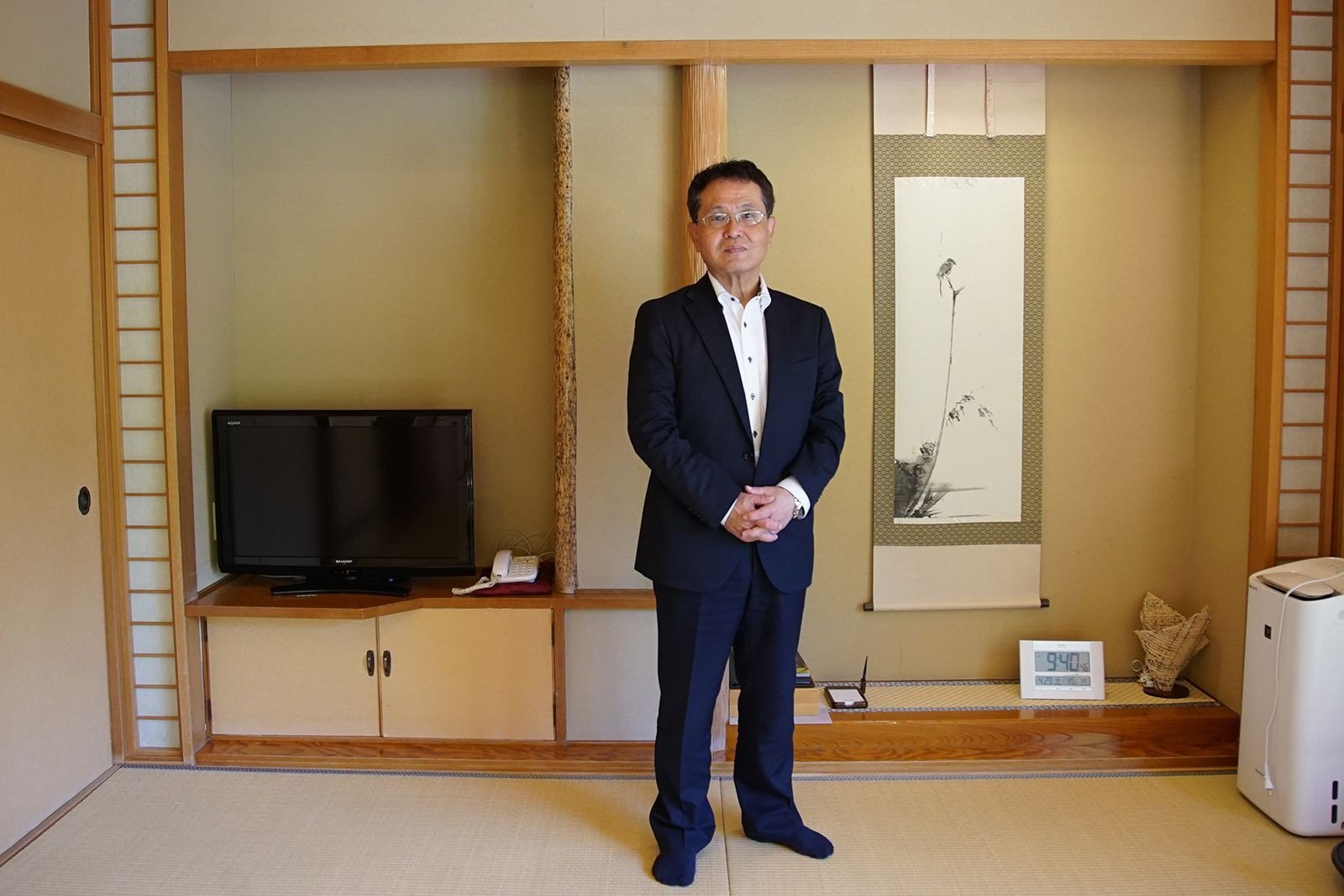
Mr. Kawano could not legally inherit the ryokan because he was not related by blood to the previous owner. To resolve the issue, he acquired the hotel's original shares and established the Nishiyama Onsen Keiunkand company.
Kawano joined the hotel in 1984 at the age of 25, holding various positions before becoming a manager. "One day, I was called to the previous owner's office. He said I would be taking over the business," Kawano said.
He felt a lot of pressure at the time. "It took me six months to accept the offer," Kawano said. His biggest concern now is whether he might be the last generation to maintain the hotel, as he hasn't found a replacement yet.
"My mission is to maintain the hotel. Handing over the reins to the 54th manager marks the completion of my duty," said Kawano.
TH (according to Vietnamnet)Source: https://baohaiduong.vn/khach-san-lau-doi-nhat-the-gioi-hoat-dong-khong-ngung-nghi-suat-hon-1-300-nam-386953.html





































































Comment (0)