

Kursk and other regions of Russia bordering Ukraine play a significant role in the Russian economy , particularly in agricultural production. Often referred to as Russia's "wheat granary," the Kursk and Belgorod regions are agricultural centers that contribute significantly to the country's food security.
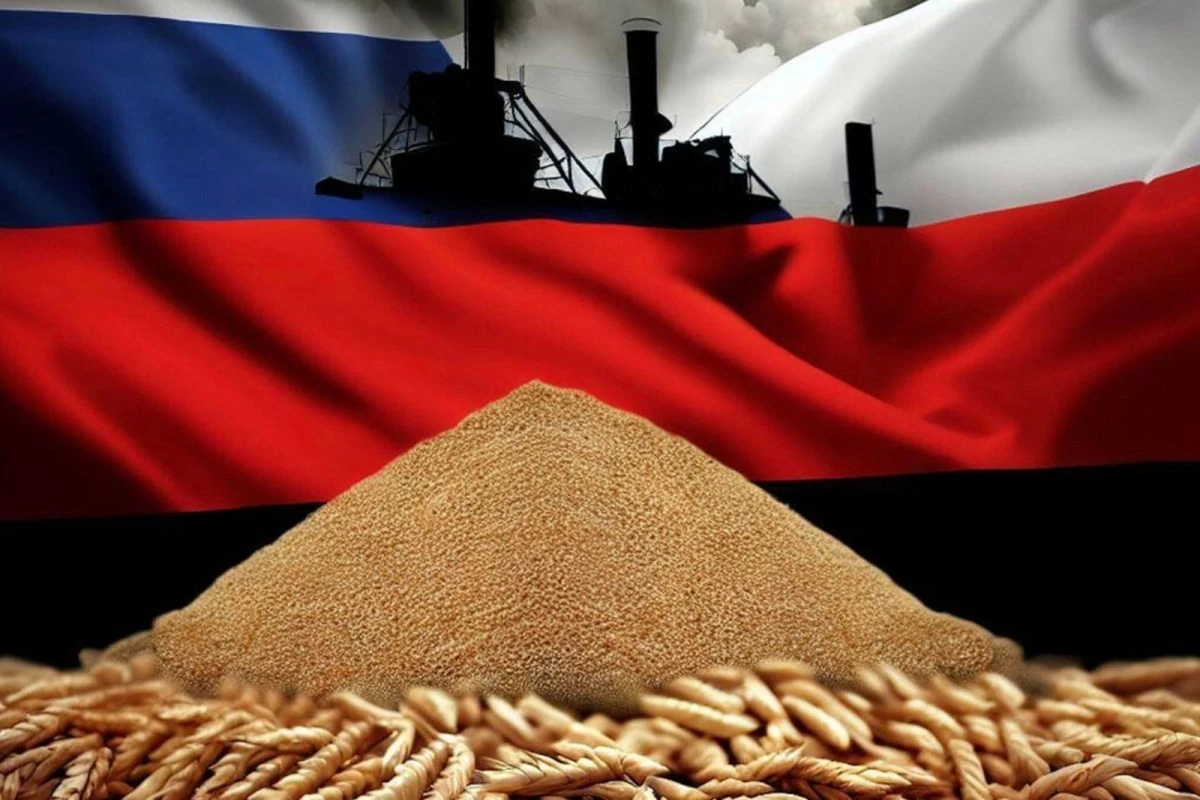 |
| The Kursk situation: How important is the economy of the region attacked by Ukraine to Russia? (Source: X Screengrab) |
Ukrainian troops crossed the border, launching a surprise attack on the Kursk province – a territory of the Russian Federation – on August 6th. Ten days after invading Russian territory, Ukraine controlled more than 1,100 square kilometers. Russian President Vladimir Putin called this move a "major provocation." Meanwhile, on August 22nd, Ukrainian President Volodymyr Zelensky declared that this offensive by Ukraine was part of a "systematic" effort to end the conflict with Russia on Kyiv's terms, according to Reuters .
International analysts believe that, regardless of the circumstances, the scale and extent of the invasion have added a new risk – an uncompromising confrontation, as the Russia-Ukraine conflict has dragged on into its third year.
Ignoring the complexities of military conflict and considering only the economic impact, observers assess that Ukraine's attack on the Kursk region – which so far has had only limited economic impact on Moscow – still has significant implications that could exacerbate the damage.
The Kursk region ranked 37th in terms of total exports and 43rd in terms of total imports of the Russian economy, as of January 2022.
Beyond its importance as an administrative center, Kursk is also a major industrial hub. Industrial activity in Kursk is primarily concentrated in the iron, chemical, and food processing industries. Notably, it is also known for having the world's largest iron ore reserves – the iron content in the ore ranges from 35% to 60%.
Despite being only a medium-sized region in terms of gross regional product — just $7.5 billion, five times smaller than Moscow — Kursk is nevertheless important to the Russian economy in another way, including its role as a transit point for Russian gas to Europe via Ukraine.
One notable location is the town of Sudzha and its outskirts – home to a gas metering station (GMS) just 300 meters from the border, where Russian fuel enters Ukrainian territory and is then transported to European buyers, including Austria, Hungary, and Slovakia. This station is one of five GMS stations in the region, but it is the largest and best-equipped.
When the Ukrainian military incursion occurred, despite some initial panic, Russian gas continued to flow through Sudzha – as neither Kyiv nor Moscow declared any intention to cut off the supply.
According to Gazprom's figures, the current volume of Russian gas transiting through Ukraine is estimated at around 41-42.4 million cubic meters per day. Although the revenue from the transit agreement is modest, at approximately $800 million, it helps Ukraine maintain its transportation system while keeping gas prices within the European range. According to calculations by analyst Sergei Kaufman and the independent website Meduza, a transit ban would cause spot gas prices to rise by about 20%.
From Russia's perspective, the benefits of continuing transit are quite clear. In 2023, the Ukrainian transit route accounted for about half of the meager amount of gas Russia still transported to Europe, generating revenue of around $7-8 billion. Meanwhile, for the Russian gas giant Gazprom, the Ukrainian transit supply accounted for about 15% of the company's revenue.
Another important Russian facility near the fighting is the Kursk Nuclear Power Plant — which also appears to have escaped danger. Located in Kurchatov, about 40 km (25 miles) southwest, the Kursk Nuclear Power Plant is a combination of four RBMK-1000 reactors — high-power channel reactors. Of the reactors at the Kursk Nuclear Power Plant, the oldest has been operational since 1977 and the newest since 1986.
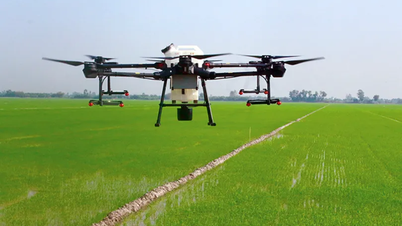
One notable aspect of the Kursk region's contribution to the Russian economy is its position as the center of the "Black Belt" agricultural region, with its distinctively fertile black soil. This area is renowned for its rich soil and favorable climate, making it suitable for growing a wide variety of crops, including wheat, barley, and maize.
Currently, the Kursk region contributes 2.7% of Russia's total agricultural output, according to official 2023 figures. This region accounts for approximately 14% of oilseed agricultural land and 11% of grain-growing land in the Central Federal District, which includes the traditionally agricultural regions of Voronezh and Belgorod.
Although agriculture accounts for a relatively small percentage of Russia's total GDP, it remains a crucial sector in ensuring food self-sufficiency. These regions play a vital role in maintaining domestic food supplies and reducing the need for imports. The region's responsibility for food security has become even more important following international sanctions and economic pressures from the military campaign.
However, most of the region's key facilities — for example, the Kursk Meat Processing Plant, the Artel agricultural company, and the Agroproduct grain processing company — were "out of reach" of an attack from Ukraine.
Natalya Goncharova, head of agriculture in Kursk, recently stated that the harvest of grains and oilseeds in the region is still ongoing.
While Andrei Sizov, head of the Sovecon agricultural consulting company, announced on his personal Telegram channel that the actual direct impact on the Kursk harvest is very small. Kyiv currently controls only a few percent of the total area of the Kursk region — about 700-1,000 km2 out of a total of 30,000 km2 — while the harvesting of a significant portion of the crop is almost complete — wheat has been harvested on more than 90% of the region's land, Sizov explained.
"Therefore, the current Ukrainian army's invasion of the Kursk region does not cause direct economic losses. However, the Kursk incident could trigger 'a new escalation,' potentially driving up wheat prices," Sizov stated.
According to international observers, "a similar scenario could unfold if trade in the Black Sea – a major shipping route for agricultural products – is disrupted again."
Similarly, while cutting off Ukraine's gas supply might seem like a lose-lose situation, there's no guarantee it won't happen. Both sides might manage losses in the medium term, but it would sever remaining economic ties between Russia and Europe, increasing the potential risk of a full-blown confrontation, including both sides escalating attacks on each other's energy infrastructure.
Source: https://baoquocte.vn/tinh-hinh-kursk-kinh-te-vung-bi-ukraine-tan-cong-quan-trong-the-nao-doi-voi-nga-283617.html







































































Comment (0)