

Stable income from "forest bounty"
At dawn, the family of Ms. Vu Y Dua (residing in Muong Long 1 village, Muong Long commune, Nghe An province ) busily prepares machetes, bamboo baskets, and some rice balls before setting off towards the high mountain range in front of the village, where the bo bo plants grow scattered. “Since I was little, my parents have taken me into the forest, so this path is very familiar. Every year during the bo bo harvest season, many people from the village go there. We have to hurry and go early; if we go late, others will have picked them all,” Ms. Dua said.
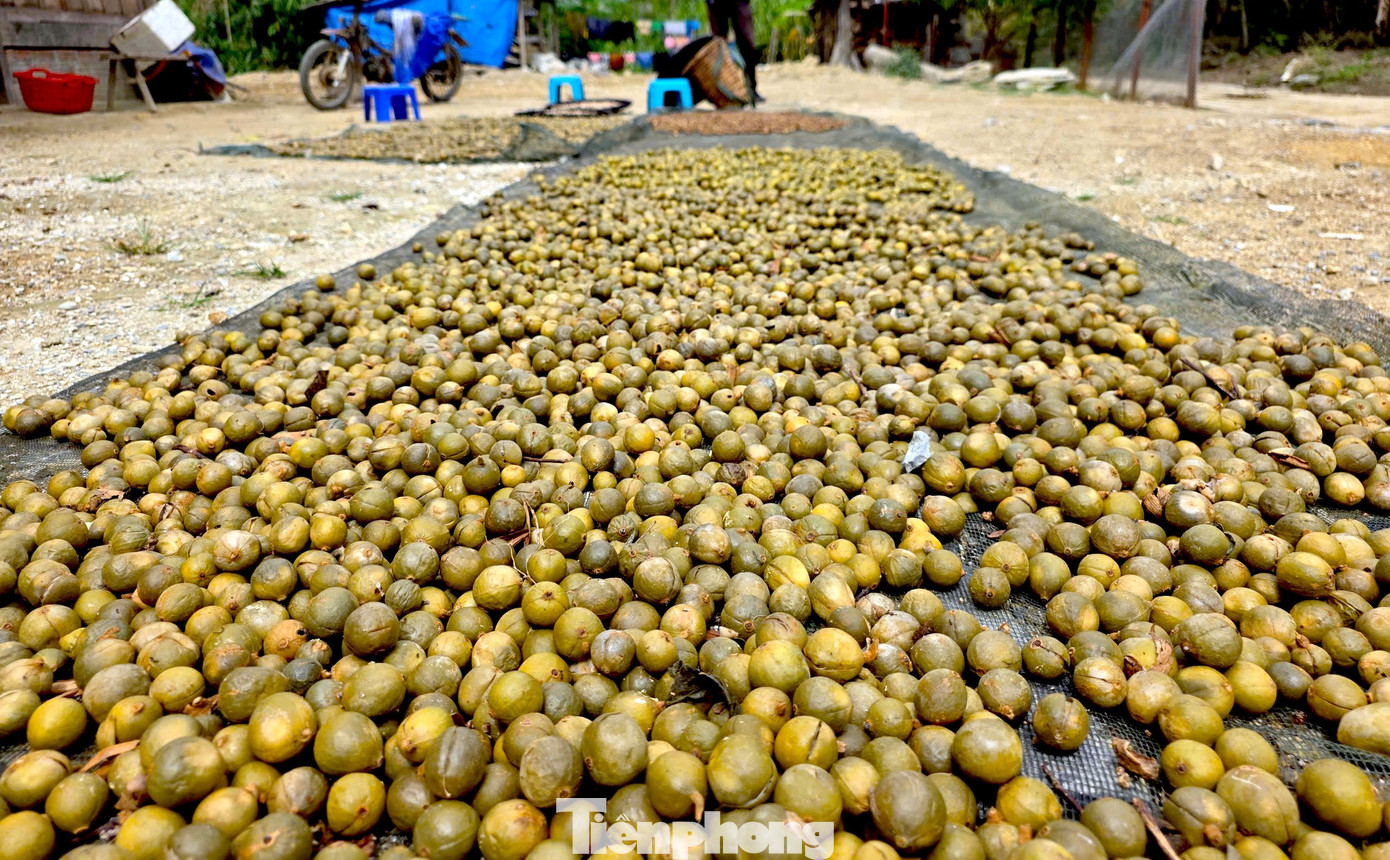
Job's tears are small fruits, about the size of a fingertip, turning pale yellow when ripe. For a long time, Job's tears have been a characteristic product of the Hmong people in Muong Long commune (Nghe An province). Although Job's tears only ripen and are harvested once a year, their economic value is considerable.
With a diligent day, each person can harvest 50-60kg of fresh sorghum, and although the selling price is only about 10,000 VND/kg, it is enough to help families earn extra money to cover living expenses and pay for their children's education.
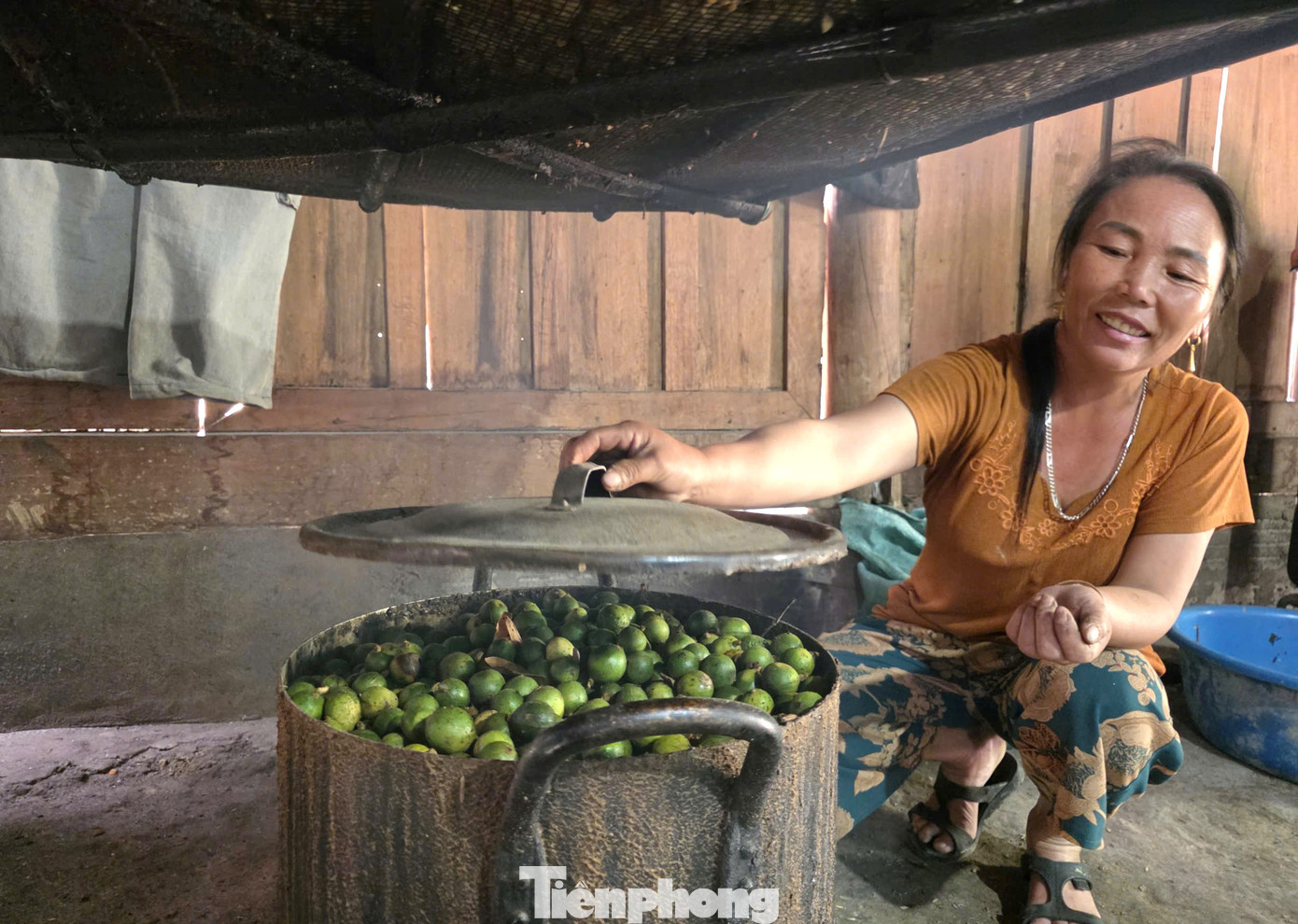
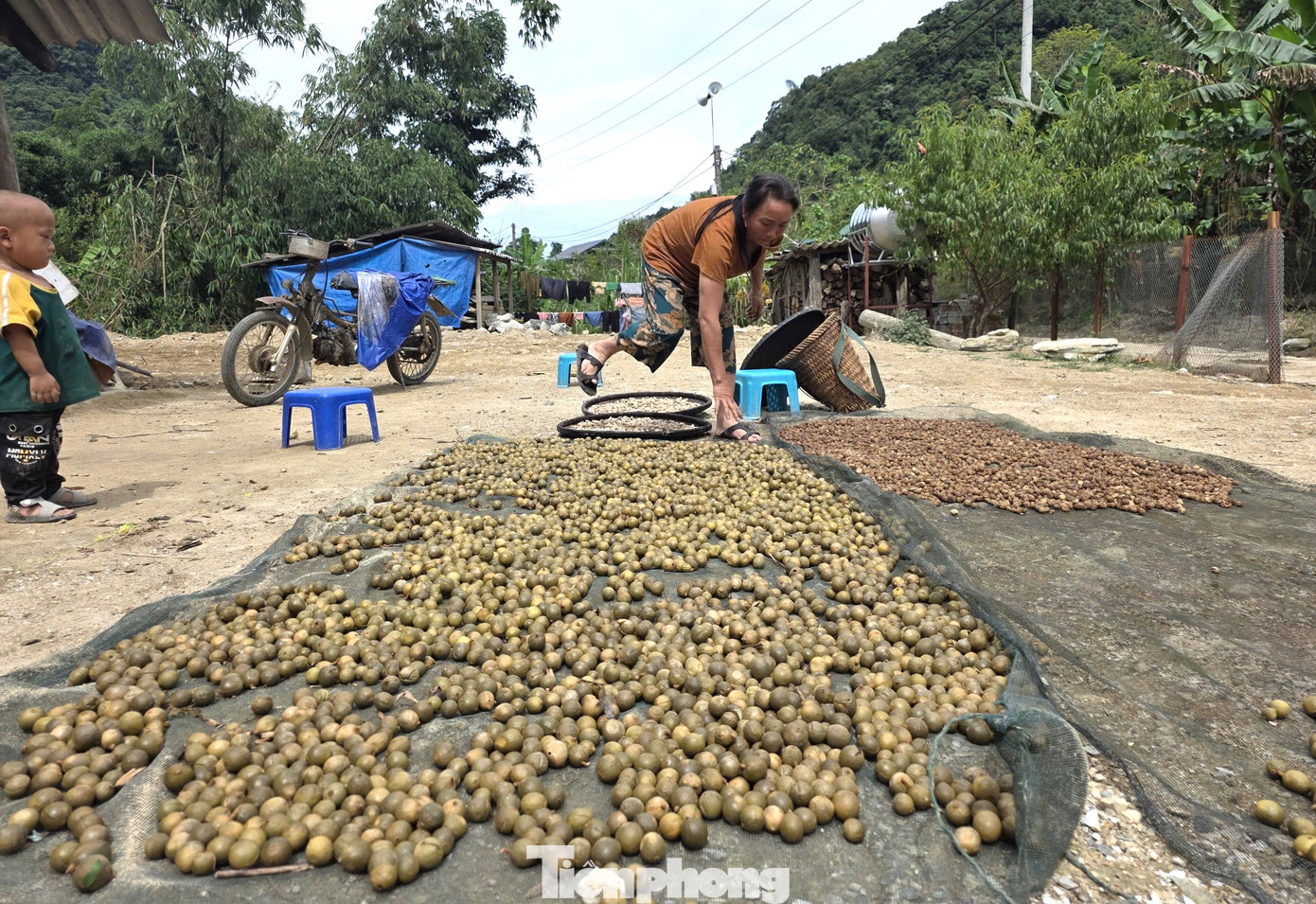
The journey to the forest to harvest bo bo (a type of wild herb) is not easy for the local people. The distance from the village to the forest is only 3-4km, but the slopes are steep, the ground slippery, and in some sections, people have to cling to tree branches along the roadside to climb. On rainy days, the path becomes so slippery that those going into the forest have to huddle close to the rocks to avoid falling. But it is precisely these difficulties that make the "bounty of the forest" even more precious.
In the central village of Muong Long, Mr. Lau Ba Long considers going into the forest as a daily routine. “On days when I’m feeling well, I go to more remote mountainous areas, down into deeper ravines. It’s tiring, but the income is good. Thanks to harvesting sorghum seasonally, my wife and I have improved our lives significantly,” Mr. Long said, adding that when harvesting sorghum, if people don’t have time, they sell the fresh fruit. If they do have time, they dry or dehydrate it, which fetches a much higher price. This year, dried sorghum is being bought by traders at prices ranging from 80,000 to 90,000 VND per kilogram.
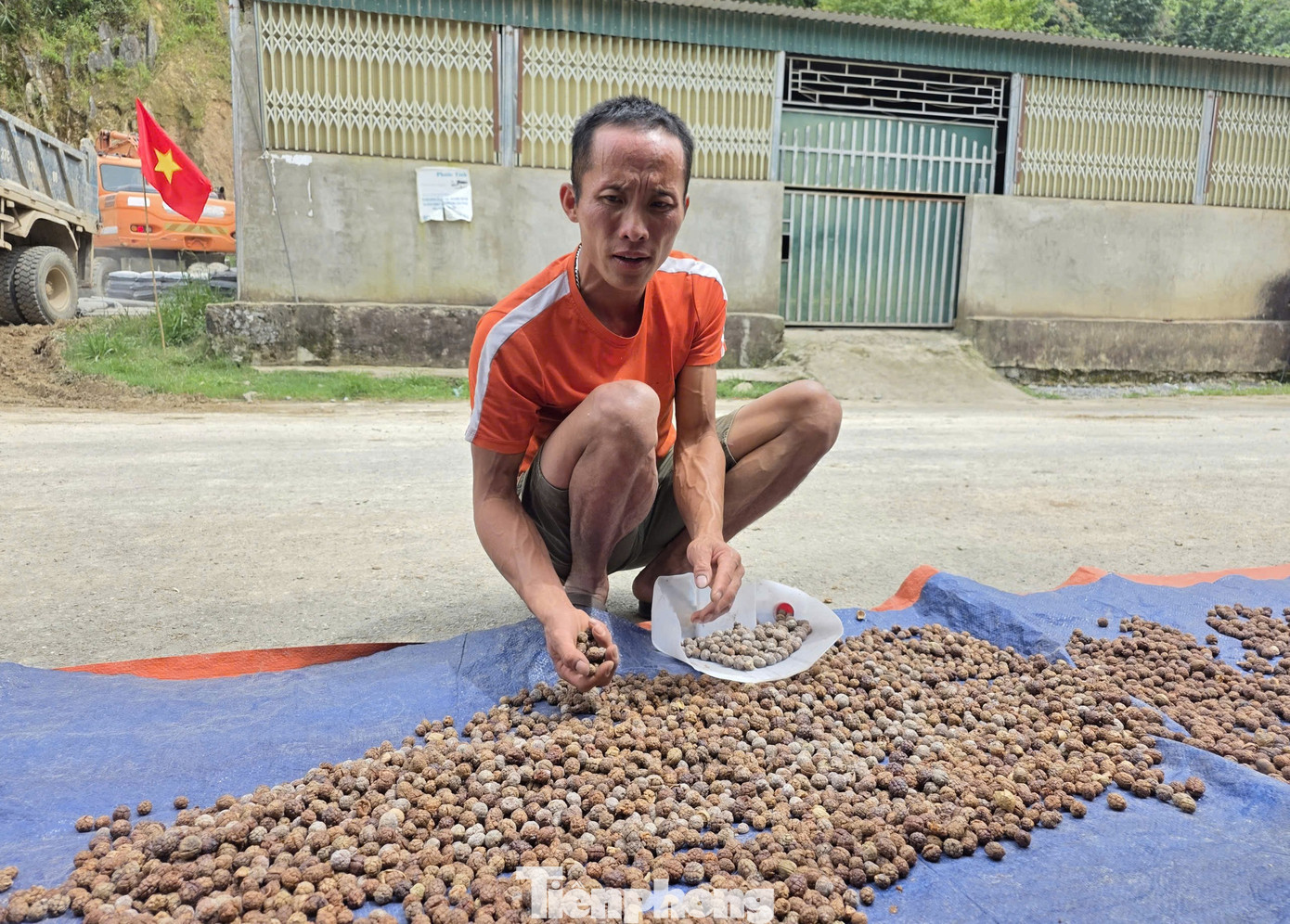
Opening up sustainable livelihood opportunities for poverty reduction.
Mr. Ho Ba Re, Chairman of the Farmers' Association of Muong Long commune, said that in the past, sorghum mainly grew in its natural environment, so the yield was unstable. In recent years, people have planted sorghum in forest areas, resulting in higher and more stable yields. “This year, the sorghum harvest is much higher than in previous years. Besides that, the purchase price of sorghum is also 20% higher. Some families have earned over 100 million VND from sorghum. This is a very significant source of income for the villagers,” Mr. Ho Ba Re said.
Because of the good income from sorghum, many households in the area have registered to expand their sorghum cultivation area this year. The local authorities are also guiding people on methods and providing additional technical support to help them grow and care for sorghum plants to achieve high yields. In addition, the locality will aim to develop sorghum into a raw material area, find stable markets, and create sustainable livelihoods for the people.
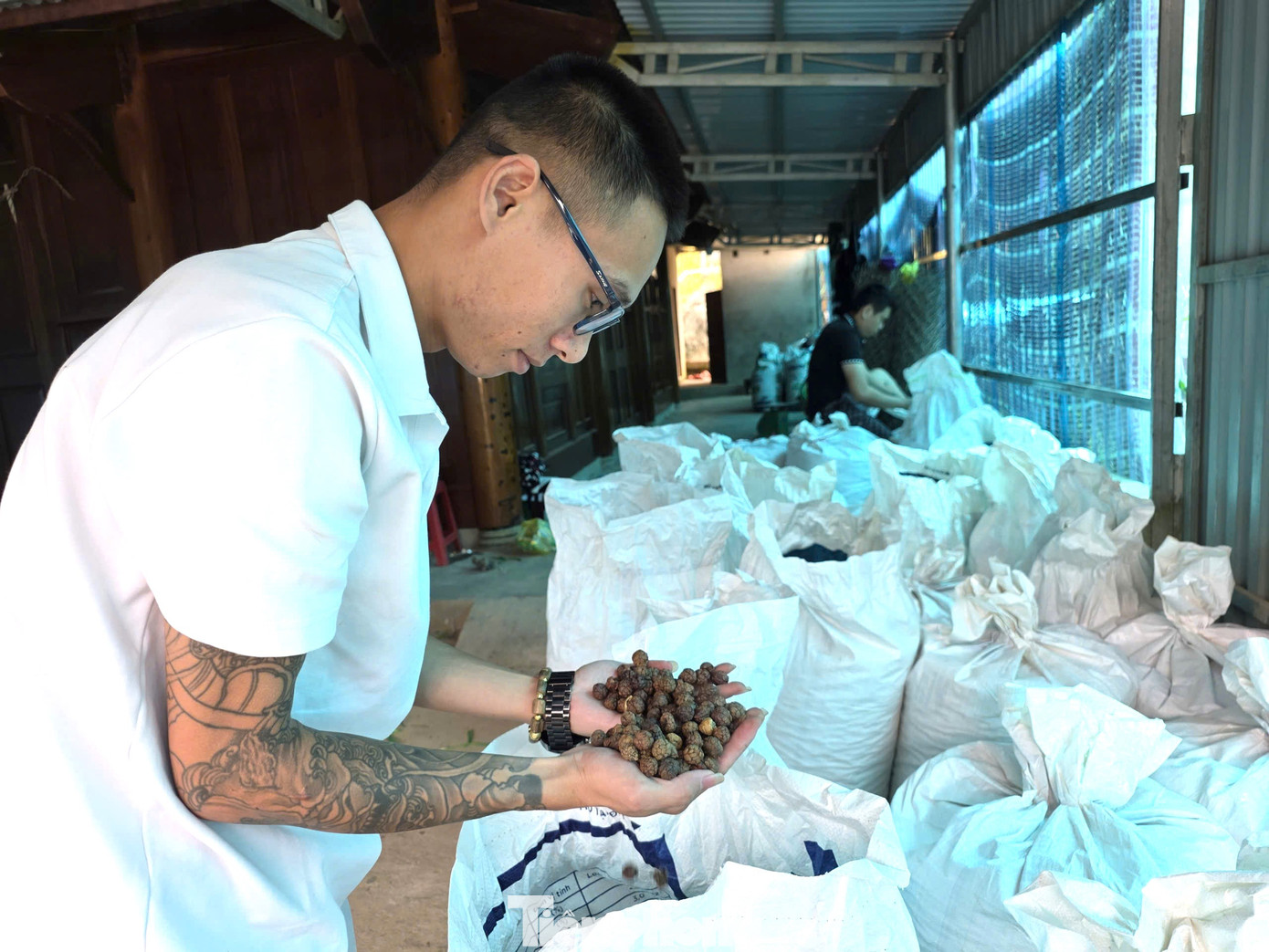
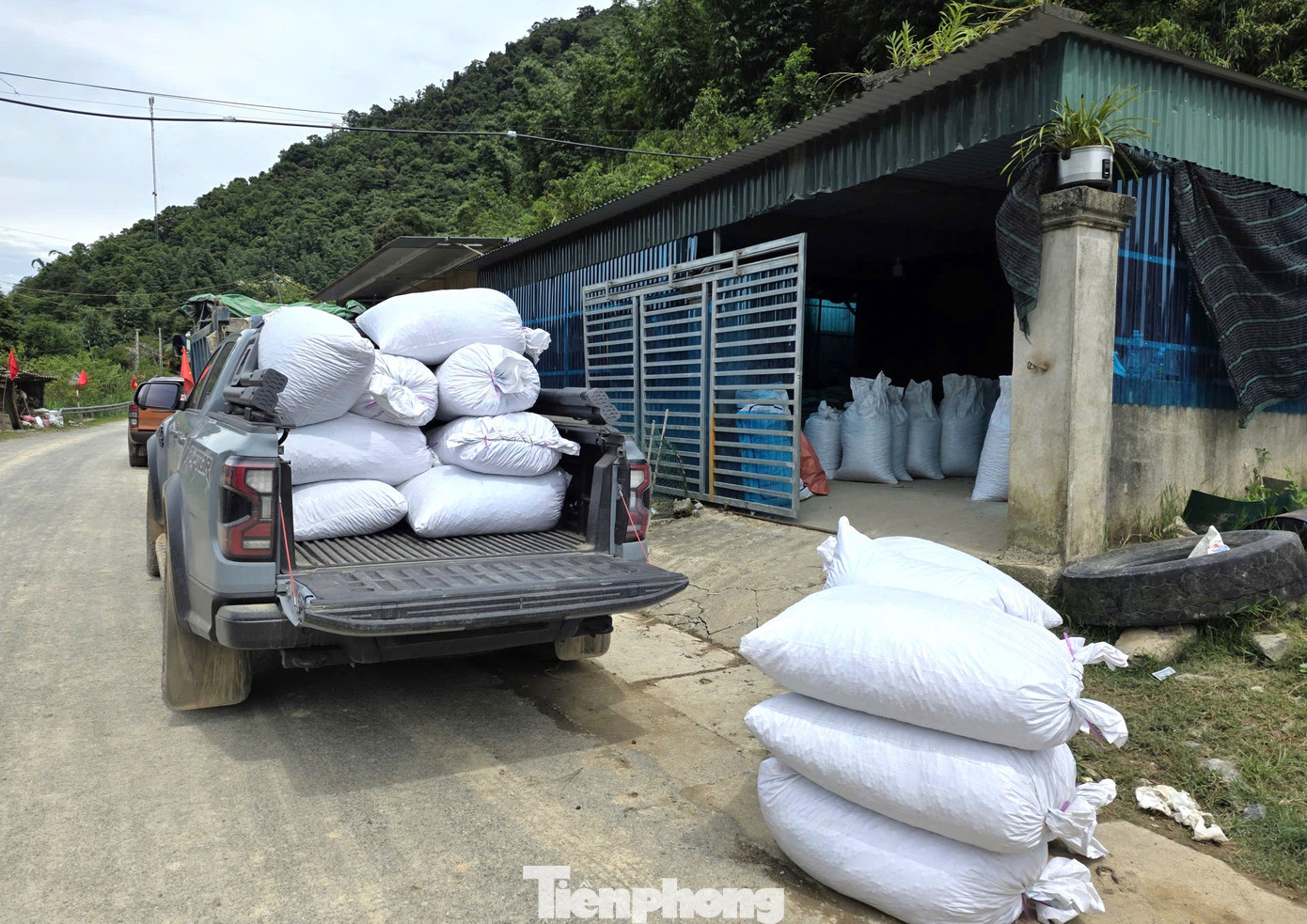
Mr. Nguyen Van Hoa, Chairman of the People's Committee of Muong Long commune, said that the seasonal harvesting of sorghum has brought clear economic benefits to the people. "With dried sorghum priced at 85,000 VND/kg, this is a good source of income for the people in the highlands. Thanks to the policy of allocating protective forests in previous years, people have become more aware of protecting and cultivating the forest, creating conditions for economic development from natural products," Mr. Hoa said.
In addition to creating sustainable livelihoods, linking the economy with forests also helps to curb deforestation for slash-and-burn agriculture, while encouraging people to plant and protect new forest areas. As a result, in recent years, Muong Long and some other mountainous communes have become shining examples of poverty reduction models based on forest resources.
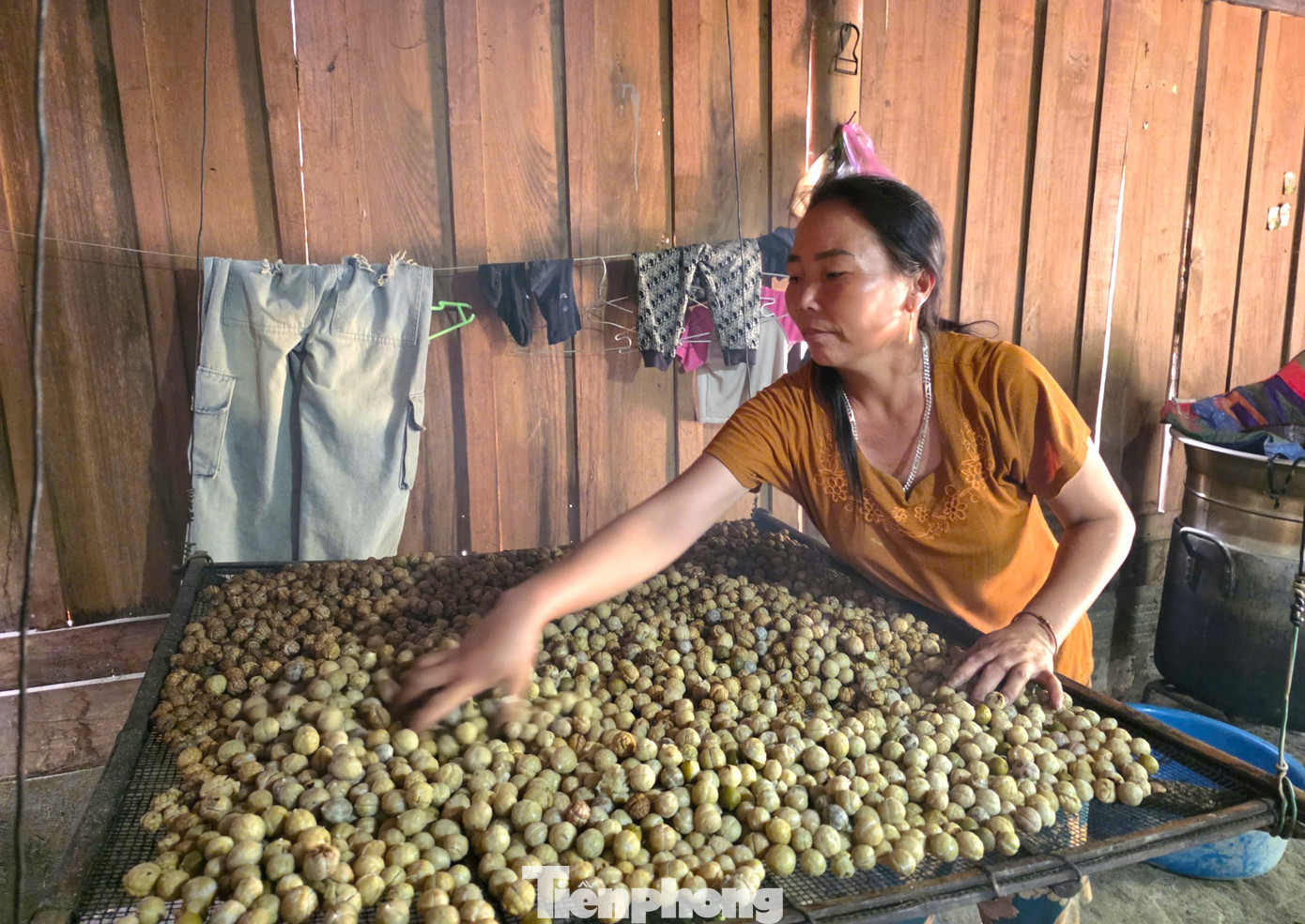
The bo bo season may be short, but it brings great joy to many families. For the people here, each trip into the forest is not only a means of livelihood but also a connection with nature, with the "green lungs" that have nurtured countless generations.
Amidst the vast wilderness, baskets overflowing with corn not only carry the fragrant scent of the mountains and forests but also embody the aspiration for a more prosperous and sustainable life – a journey that mountain dwellers are making day by day through their own labor.
Source: https://tienphong.vn/loc-rung-giup-nguoi-dan-mien-nui-tung-buoc-thoat-ngheo-post1802322.tpo


![[Photo] Explore the US Navy's USS Robert Smalls warship](/_next/image?url=https%3A%2F%2Fvphoto.vietnam.vn%2Fthumb%2F1200x675%2Fvietnam%2Fresource%2FIMAGE%2F2025%2F12%2F10%2F1765341533272_11212121-8303-jpg.webp&w=3840&q=75)
![[Photo] The captivating scenery of the fragrant maple forest in Quang Tri](/_next/image?url=https%3A%2F%2Fvphoto.vietnam.vn%2Fthumb%2F1200x675%2Fvietnam%2Fresource%2FIMAGE%2F2025%2F12%2F10%2F1765353233198_lan09046-jpg.webp&w=3840&q=75)










![Green tea pork: [Part 2] A new specialty brand from Thai Nguyen](https://vphoto.vietnam.vn/thumb/402x226/vietnam/resource/IMAGE/2025/12/10/1765338249553_2114-img_6953-nongnghiep-112106.jpeg)













![[Video] The craft of making Dong Ho folk paintings has been inscribed by UNESCO on the List of Crafts in Need of Urgent Safeguarding.](https://vphoto.vietnam.vn/thumb/402x226/vietnam/resource/IMAGE/2025/12/10/1765350246533_tranh-dong-ho-734-jpg.webp)






























































Comment (0)