

The child, residing in Tam Nong District (Phu Tho Province), was transferred from the district health center with a diagnosis of respiratory failure, pneumonia, and positive influenza A test. Approximately four days prior to admission, the child experienced high fever, worsening wheezing, and difficulty breathing, prompting the family to take the child to the district health center. Due to the worsening breathing difficulties, the child was intubated and transferred to Phu Tho Provincial Obstetrics and Pediatrics Hospital. There, the child was diagnosed with acute respiratory distress syndrome (ARDS) and severe pneumonia superimposed on influenza A, and was admitted to the intensive care unit for mechanical ventilation.
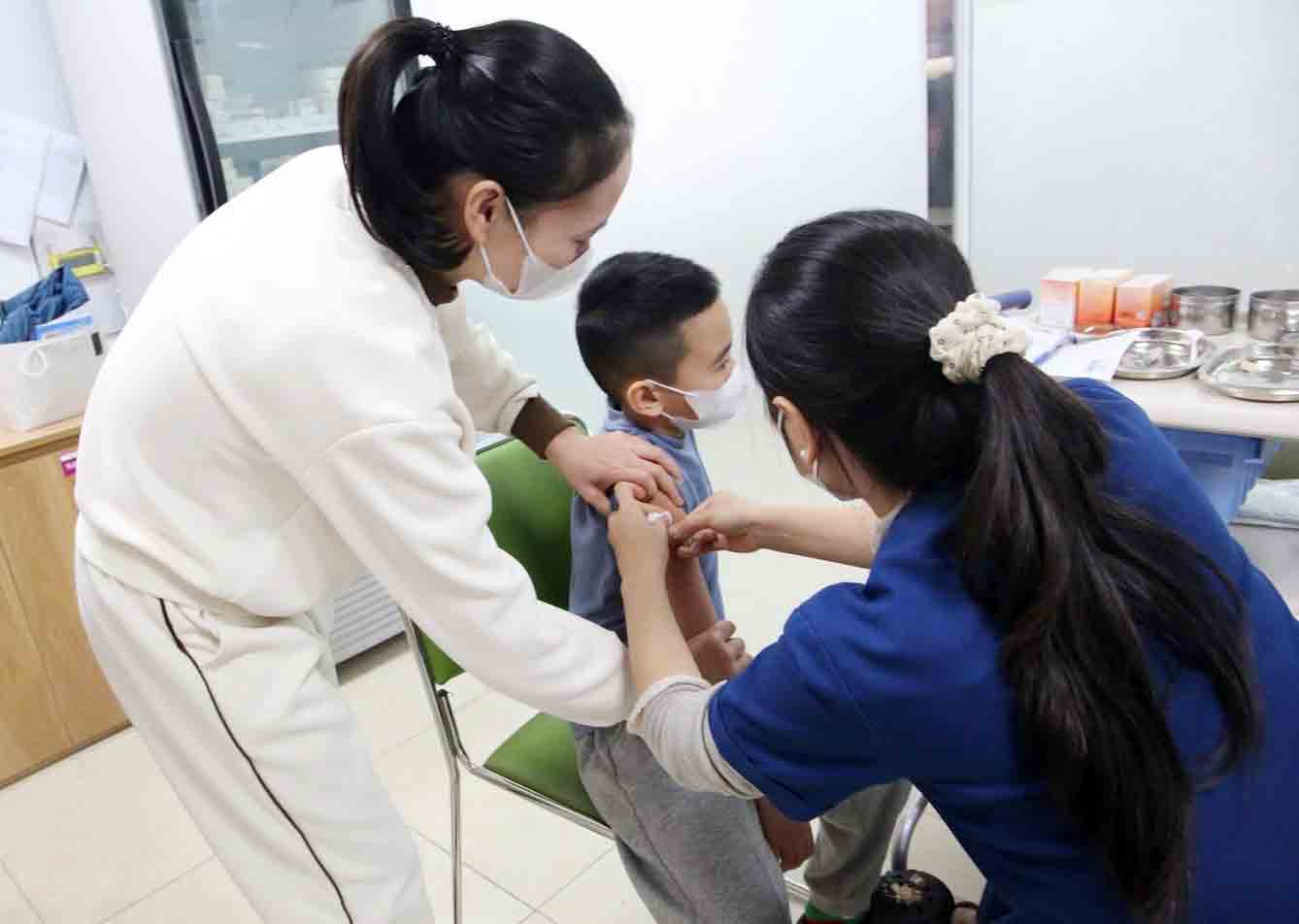
Ensure young children receive all necessary vaccinations and follow the preventive measures recommended by the Ministry of Health.
According to Dr. Nguyen Vo Loc, Deputy Head of the Intensive Care and Toxicology Department at Phu Tho Provincial Obstetrics and Pediatrics Hospital: With an intensive treatment protocol combining antibiotics and respiratory physiotherapy, the child's respiratory failure improved significantly. After 18 days of treatment, the child's health stabilized and they were discharged from the hospital.
According to Dr. Nguyen Vo Loc, acute respiratory distress syndrome (ARDS) is one of the severe complications of influenza A, with a complex course. It is a pathological syndrome involving acute damage to the pulmonary alveoli and capillaries, characterized by rapidly progressing respiratory failure. In many cases, ARDS causes a severe drop in blood oxygen levels and requires prompt detection and treatment.
Do not self-treat your child.
According to records at Phu Tho Provincial Obstetrics and Pediatrics Hospital, there have recently been cases of children infected with influenza A requiring hospitalization, including some very serious cases with complications such as pneumonia, myocarditis, cerebral edema, and severe liver damage. Therefore, doctors advise: When children contract the flu, parents should take them to specialized medical facilities for timely examination and treatment. It is important to keep children warm, maintain personal hygiene by disinfecting and washing hands frequently, wear masks when going out, and limit contact with people suspected of having the flu.
According to Dr. Dang Thi Thuy, Head of the Pediatrics Department at the Central Hospital for Tropical Diseases, a leading hospital specializing in infectious diseases, the initial symptoms of influenza A infection, or seasonal flu in general, and infections caused by other respiratory viruses are similar. Children often have fever, respiratory inflammation (such as coughing, sneezing, runny nose), sore throat, etc., and parents often find it difficult to distinguish whether their child has influenza A or not.
Therefore, during the current surge in influenza cases, in addition to the initial symptoms mentioned above, it is important to note that children infected with influenza A often experience high fever of 39-40 degrees Celsius, flushed skin and eyes, a flushed and reddened throat, fatigue, poor appetite, fussiness, and in severe cases, difficulty breathing, pneumonia, and bronchiolitis.
"When children exhibit symptoms such as high fever and respiratory tract inflammation as mentioned above, parents should take them to the nearest medical facility for examination and diagnosis. Doctors will then advise on appropriate care and treatment for each child's condition," Dr. Dang Thi Thuy noted.
According to Dr. Thuy, most children diagnosed with seasonal influenza who have the common cold will be prescribed outpatient treatment. Cases with symptoms of respiratory tract complications such as bronchitis, pneumonia, or bronchiolitis will be admitted to the hospital for treatment.
Currently, the Ministry of Health has guidelines for the diagnosis and treatment of seasonal influenza, including specific medications prescribed for particular cases, and guidelines for treating symptoms and complications of seasonal influenza.
"When children are sick, parents need to follow the doctor's instructions, give them plenty of fluids, easily digestible foods, fever reducers, symptomatic treatments (cough medicine, cold medicine to relieve nasal congestion), and vitamins (especially vitamin C) to boost immunity... Medications must be prescribed by a doctor; parents should not use them without a doctor's prescription," Dr. Thuy specifically noted.
Source: https://thanhnien.vn/ngan-ngua-bien-chung-do-cum-a-tren-tre-nho-185250213165101057.htm

![[Photo] Closing Ceremony of the 10th Session of the 15th National Assembly](/_next/image?url=https%3A%2F%2Fvphoto.vietnam.vn%2Fthumb%2F1200x675%2Fvietnam%2Fresource%2FIMAGE%2F2025%2F12%2F11%2F1765448959967_image-1437-jpg.webp&w=3840&q=75)
![[Photo] Prime Minister Pham Minh Chinh holds a phone call with the CEO of Russia's Rosatom Corporation.](/_next/image?url=https%3A%2F%2Fvphoto.vietnam.vn%2Fthumb%2F1200x675%2Fvietnam%2Fresource%2FIMAGE%2F2025%2F12%2F11%2F1765464552365_dsc-5295-jpg.webp&w=3840&q=75)

































![[OFFICIAL] MISA GROUP ANNOUNCES ITS PIONEERING BRAND POSITIONING IN BUILDING AGENTIC AI FOR BUSINESSES, HOUSEHOLDS, AND THE GOVERNMENT](https://vphoto.vietnam.vn/thumb/402x226/vietnam/resource/IMAGE/2025/12/11/1765444754256_agentic-ai_postfb-scaled.png)











































Comment (0)