

With some 70,000 people killed, countless injured, hundreds of thousands left homeless and entire areas leveled, the task of rebuilding Gaza seems beyond imagining.
Yet in a handful of places where the enclave's most valuable historical sites have been severely damaged, Gazans are busy with picks and shovels, trying to dig up remnants of the past.
Among them was Gaza’s most important cultural site, the Great Omari Mosque in Gaza’s Old City, which Israeli forces attacked, destroying what they said was a tunnel beneath the compound used by militants. Palestinians say there was no sign of such a tunnel there, and blame Israel for destroying the land’s religious and cultural heritage.
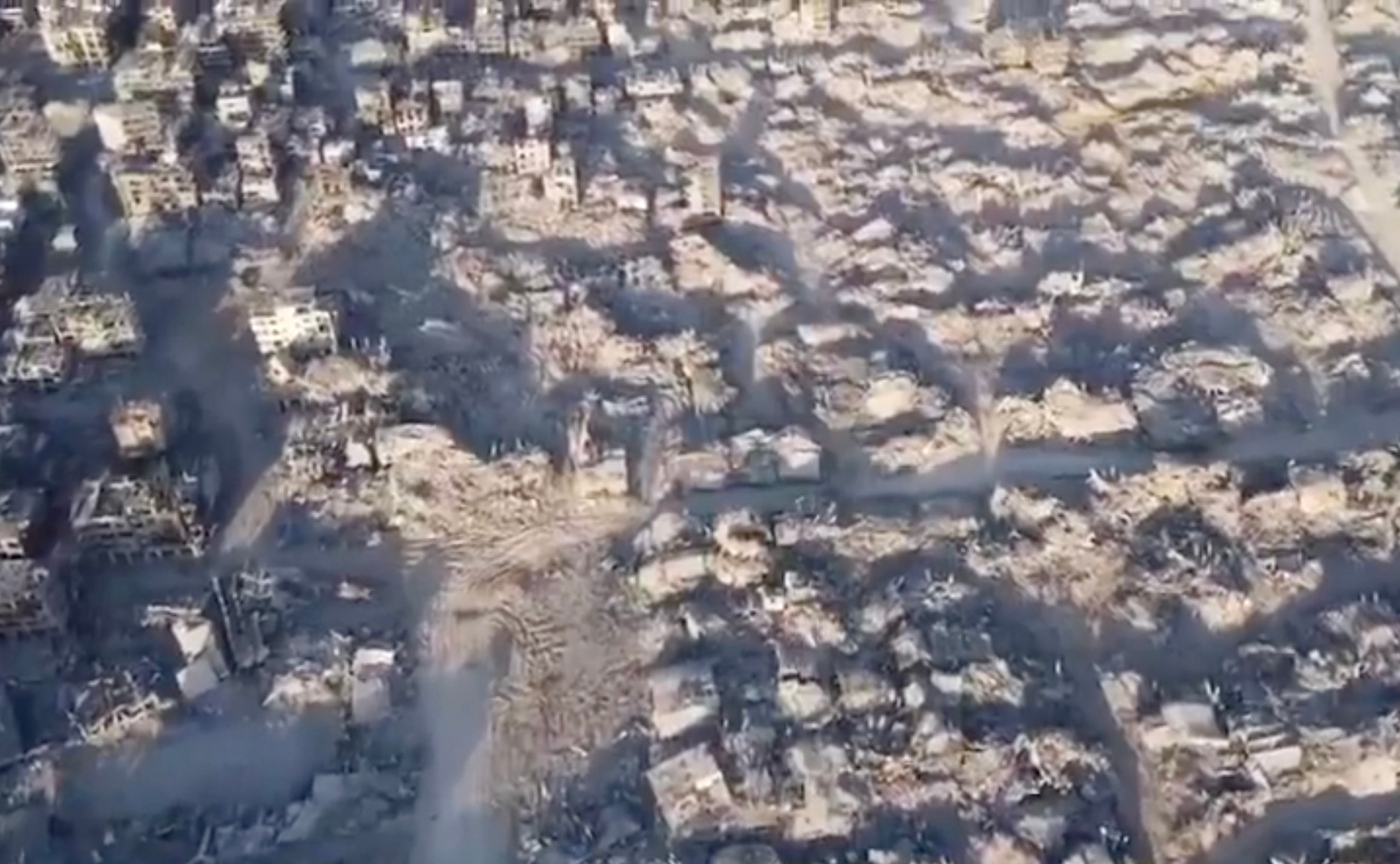
“If Israel believes that by destroying these buildings they can erase the history of the people here, they are mistaken,” said Hamuda al-Dahdar, an architect and heritage expert at the Center for Cultural Preservation based in the West Bank city of Bethlehem and now working in Gaza to try to save monuments destroyed in the war.
“These buildings represent the collective memory of an ancient nation, a nation that must be preserved, and we must unite in our efforts to protect it,” he said.
Palestinian officials and UNESCO are preparing a three-phase restoration plan with an initial cost of $133 million for the historical sites, said Jehad Yasin, the Palestinian deputy minister of tourism and antiquities based in the West Bank.
The priority will be to intervene quickly to support structures that are at risk of collapse without support. However, resources in Gaza are limited and the cost of excavation and restoration materials has skyrocketed, Mr. Yasin added.
Source: https://congluan.vn/nguoi-dan-gaza-gap-rut-bao-ton-di-san-van-hoa-bi-hu-hai-trong-chien-tranh-10320365.html


![[Photo] Cat Ba - Green island paradise](/_next/image?url=https%3A%2F%2Fvphoto.vietnam.vn%2Fthumb%2F1200x675%2Fvietnam%2Fresource%2FIMAGE%2F2025%2F12%2F04%2F1764821844074_ndo_br_1-dcbthienduongxanh638-jpg.webp&w=3840&q=75)












































![[VIMC 40 days of lightning speed] Da Nang Port: Unity - Lightning speed - Breakthrough to the finish line](https://vphoto.vietnam.vn/thumb/402x226/vietnam/resource/IMAGE/2025/12/04/1764833540882_cdn_4-12-25.jpeg)













































Comment (0)