

Easy to develop model
In recent years, the bamboo rat breeding model of Mr. Le Xuan Chuong in Van Kieu commune (Nghe An) has become a bright spot in household economic development. Starting from his working days in the communes of Western Nghe An many years ago, Mr. Chuong realized that bamboo rats are easy to raise, have few diseases, have a readily available food source and especially a stable consumer market.
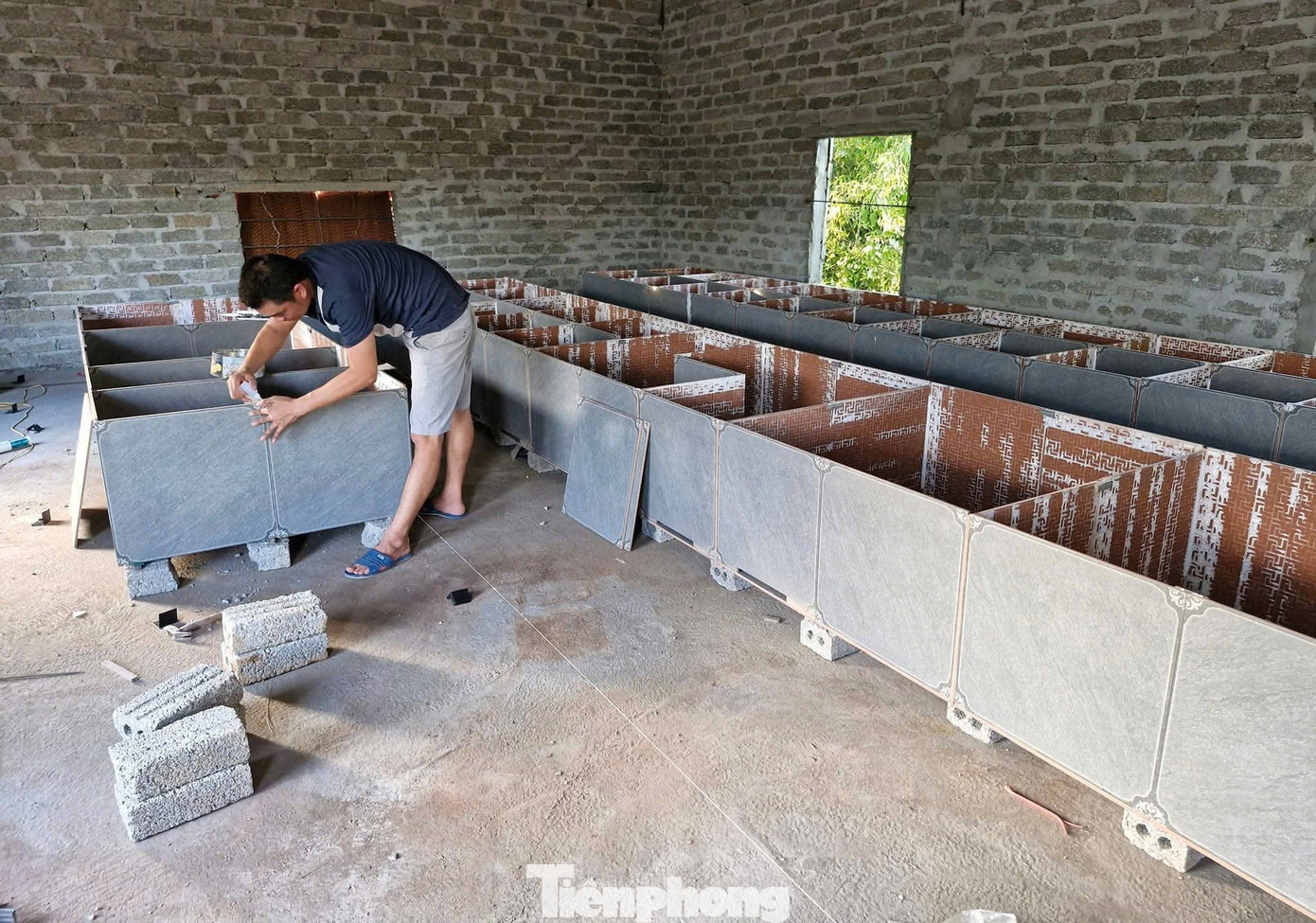
From that awareness, in 2020, he boldly bought 50 pairs of bamboo rats for pilot breeding, and proactively registered with the forestry agency and participated in technical training courses to master the model.
Thanks to careful research on the characteristics of the species, Mr. Chuong designed the cages to be closed, quiet, airy, and an optimal environment for the rats. The cages are made of ceramic tiles, have a high floor, and have lids, ensuring limited noise and light. Breeding rats are raised in pairs, while commercial rats are raised in groups of 3-5 rats per cage to easily monitor their health and adjust their diet.
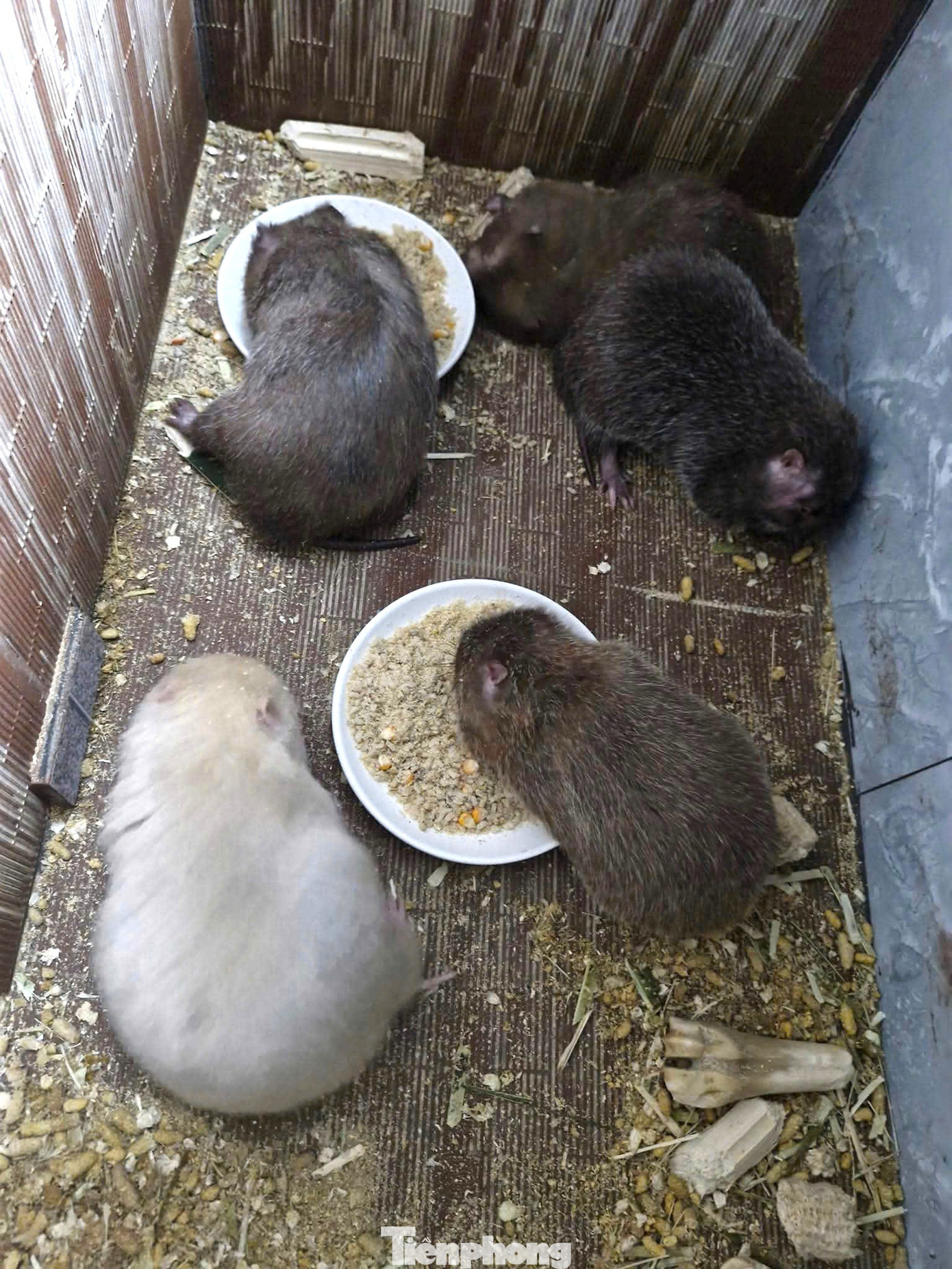
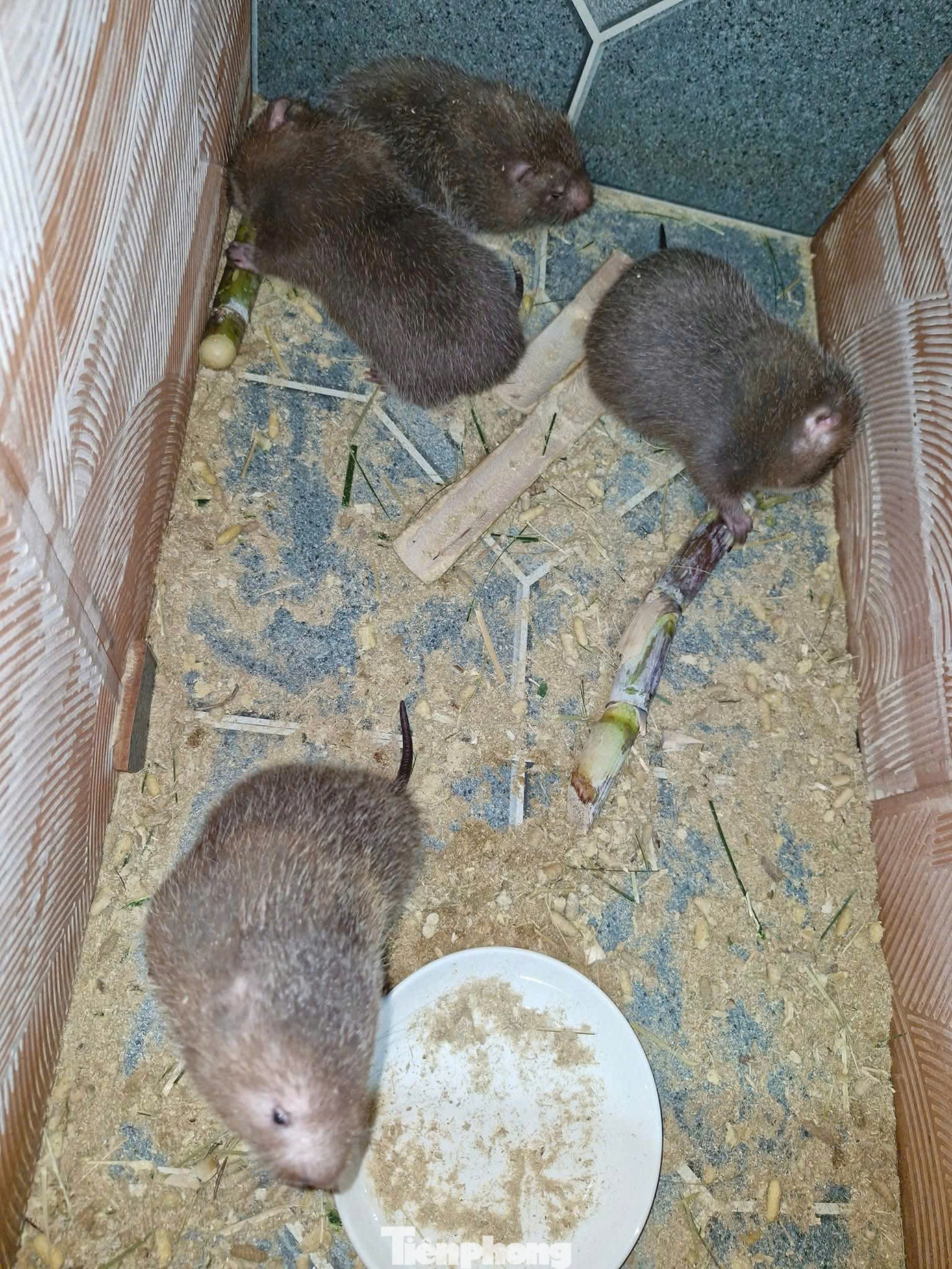
The rats' food is mainly tree trunks such as bamboo, sugarcane, corn, potatoes, cassava... which are washed and drained before feeding in the evening - the time when the rats start to be active. By following the technical process, ensuring hygiene, keeping the cage dry and quiet, the rats grow quickly, reproduce regularly, and have few diseases. From the initial 50 breeding pairs, after only a few years, he has built a herd of nearly 1,000 rats, including more than 400 parent rats.

Economic development drivers
Bamboo rats are fast-breeding species, each parent pair gives 3 litters/year, each litter has 2-4 babies. After 25-30 days old, the baby bamboo rats are separated from their mother. After 8-10 months of raising, the bamboo rats reach a weight of 1.4-1.6kg, meeting the standards for sale.
In the current market, breeding bamboo rats are sold for 1.5-1.6 million VND/pair. Commercial bamboo rats cost 500,000-600,000 VND/kg. This is a great advantage that helps the bamboo rat breeding model bring high income.
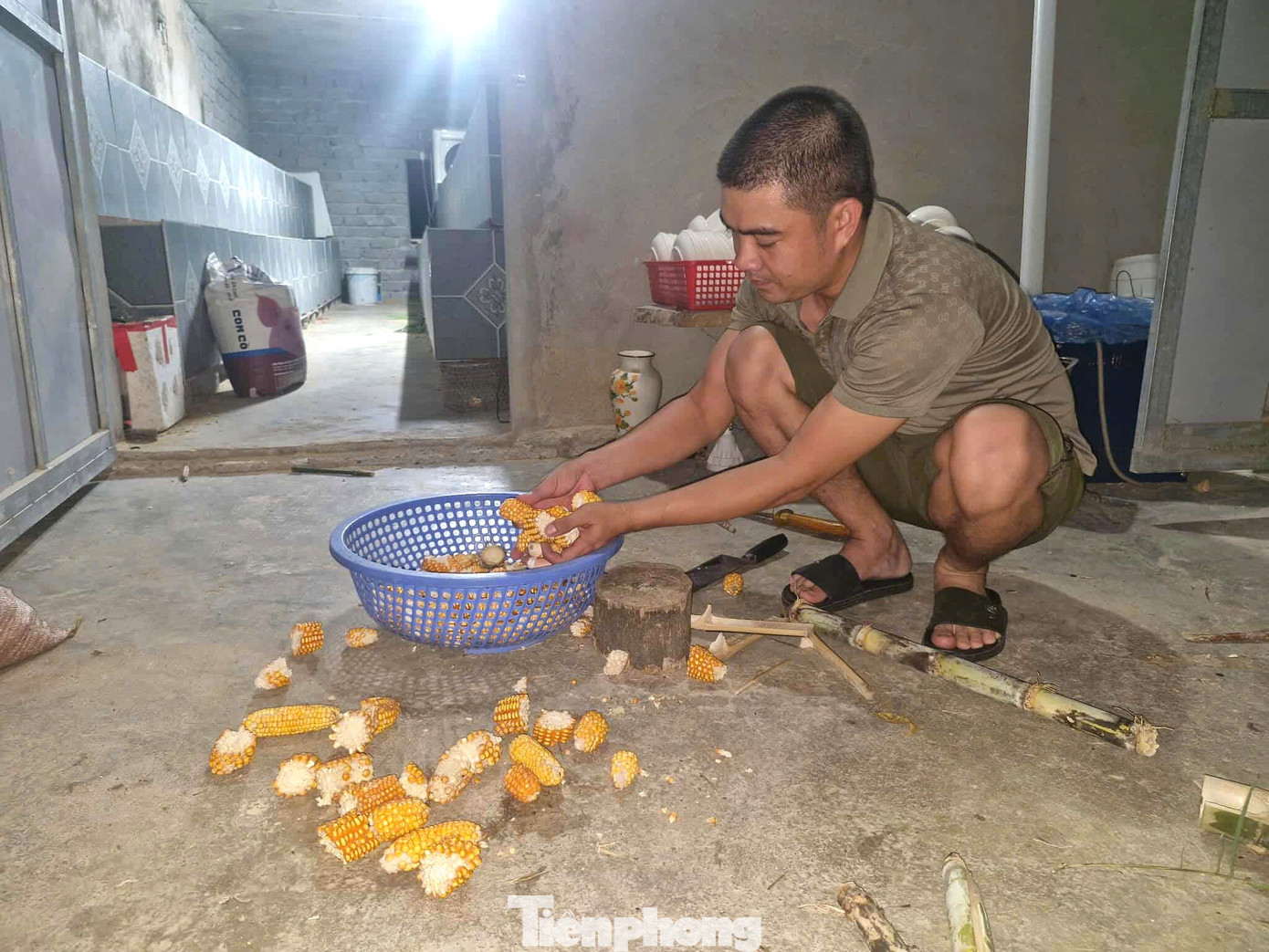
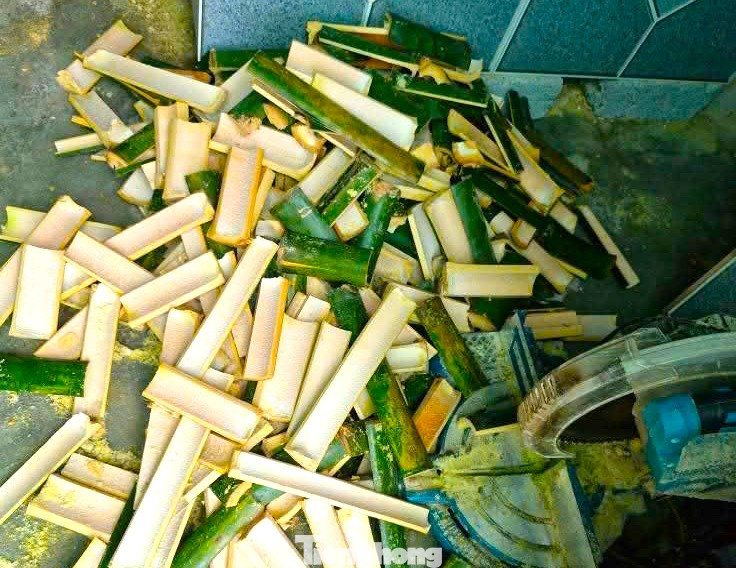
“Raising bamboo rats requires patience. I always pay attention to keeping the cage dry, with little light and limited noise. The cage is regularly cleaned to avoid moisture. When hygiene is ensured, the cage is quiet and the food is fresh, the bamboo rats reproduce well, grow quickly and bring high economic efficiency,” Mr. Chuong shared his experience in raising bamboo rats.
With the current scale, each year Mr. Chuong's farm supplies hundreds of breeding pairs of bamboo rats and hundreds of commercial bamboo rats to the markets of Nghe An, Ha Tinh, Thanh Hoa, Quang Binh provinces... Customers are coming more and more, there are even times when Mr. Chuong's bamboo rat breeding herd is not big enough to deliver. After deducting expenses, the bamboo rat breeding model helps his family earn hundreds of millions of VND/year, becoming a stable and sustainable source of income.
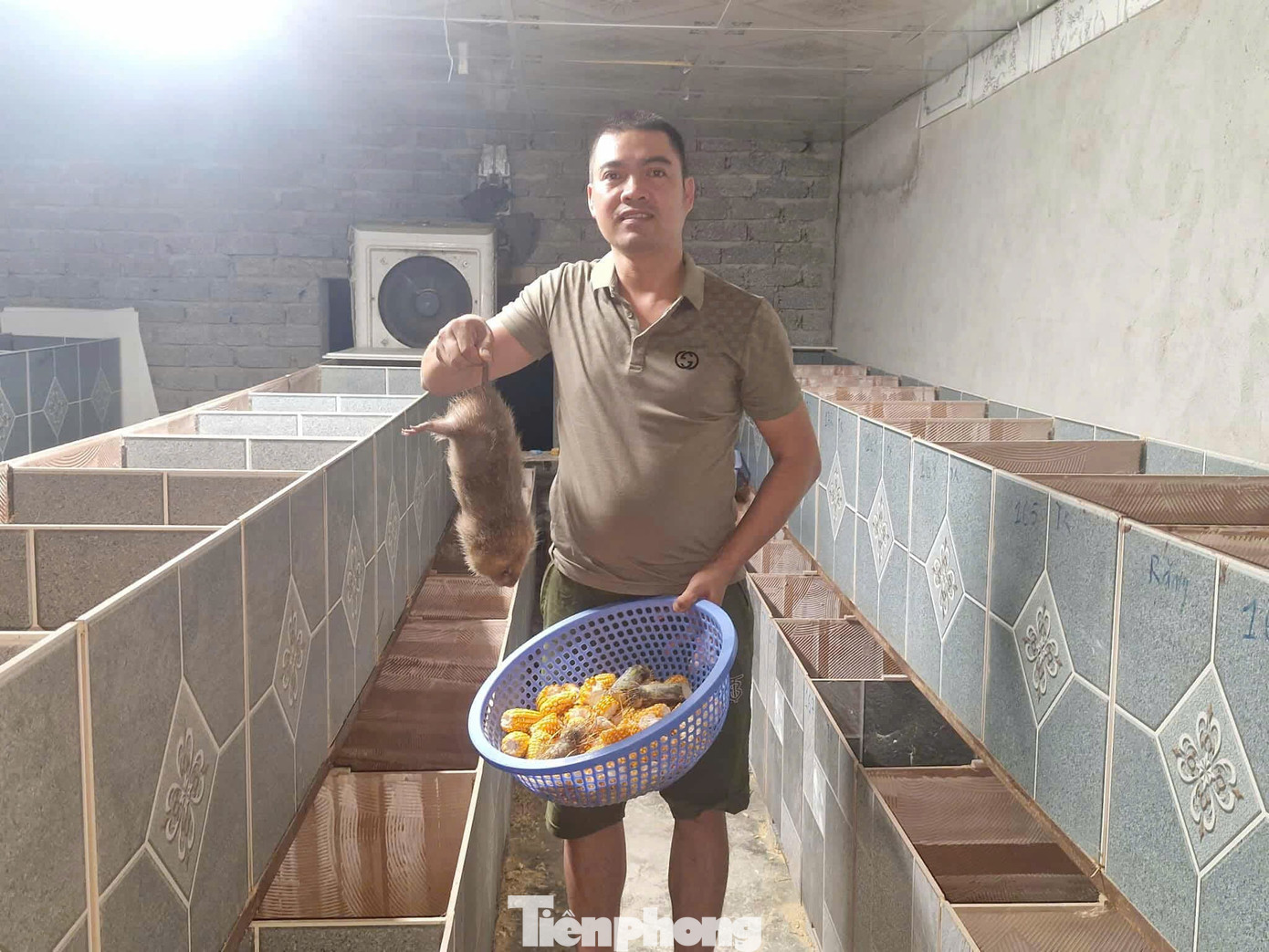
Not only focusing on economic efficiency, Mr. Chuong also enthusiastically shares his experience, provides documents and technical guidance to households who want to develop the model. Thanks to that, many local families have begun to approach the bamboo rat farming model as a new direction to improve their income.
The success of the bamboo rat breeding model in Van Kieu commune shows the great potential for economic development from specialty breeding models. Applying proper techniques, focusing on barn hygiene, and proactively providing natural food sources help bamboo rat grow well, limit risks, and bring high economic value.
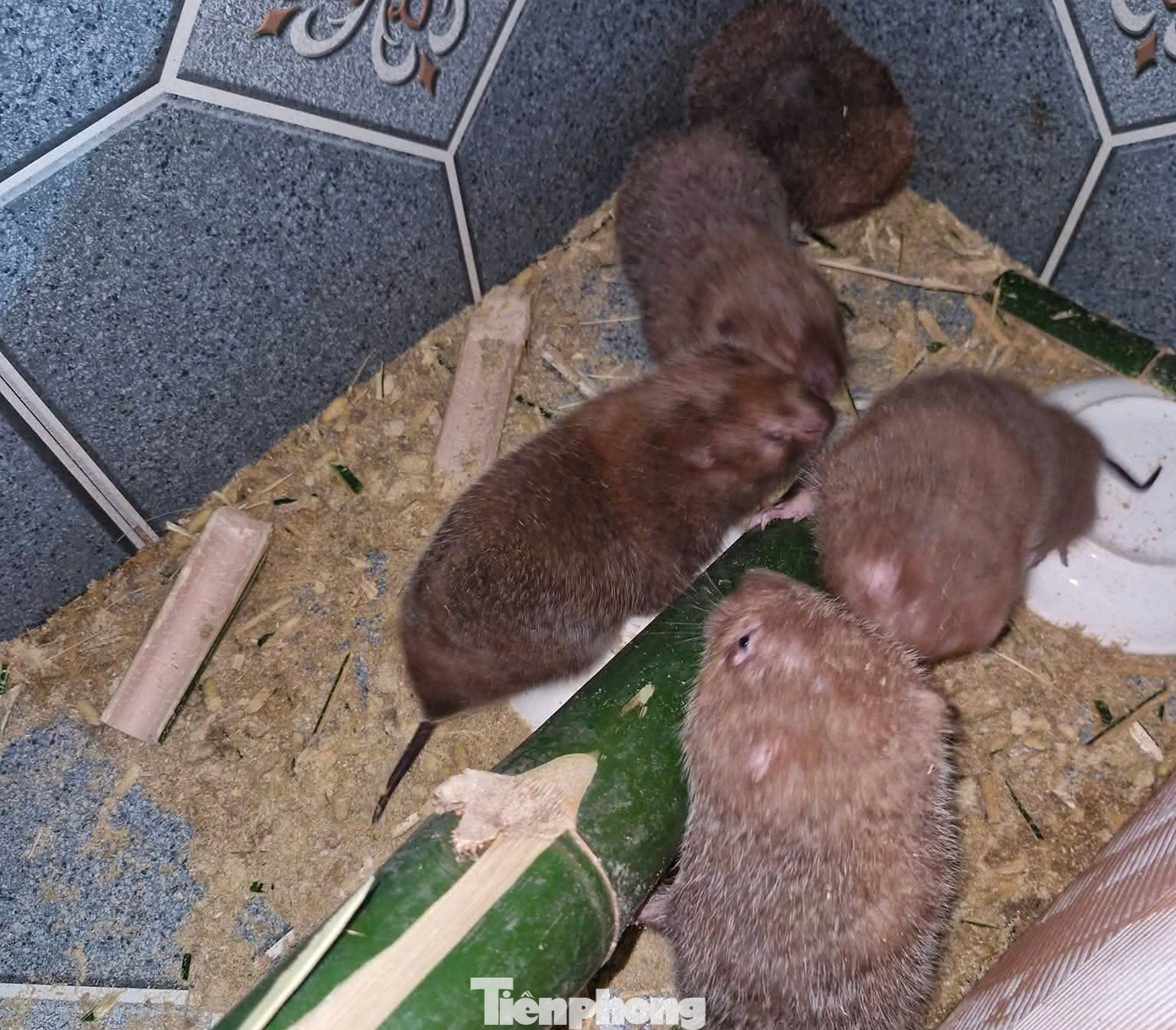
Not taking up too much space, not requiring much care, but with stable output, Mr. Le Xuan Chuong's model is becoming a fulcrum for economic development for many households, contributing to creating sustainable livelihoods and helping local people gradually escape poverty.
Source: https://tienphong.vn/nuoi-dui-moc-huong-di-moi-giup-nong-dan-nghe-an-thoat-ngheo-ben-vung-post1801103.tpo
![[Photo] 60th Anniversary of the Founding of the Vietnam Association of Photographic Artists](/_next/image?url=https%3A%2F%2Fvphoto.vietnam.vn%2Fthumb%2F1200x675%2Fvietnam%2Fresource%2FIMAGE%2F2025%2F12%2F05%2F1764935864512_a1-bnd-0841-9740-jpg.webp&w=3840&q=75)



![[Photo] National Assembly Chairman Tran Thanh Man attends the VinFuture 2025 Award Ceremony](/_next/image?url=https%3A%2F%2Fvphoto.vietnam.vn%2Fthumb%2F1200x675%2Fvietnam%2Fresource%2FIMAGE%2F2025%2F12%2F05%2F1764951162416_2628509768338816493-6995-jpg.webp&w=3840&q=75)





































































Comment (0)