

However, "we can and must confront mpox together," said Hans Kluge, WHO's European Regional Director, at a United Nations press briefing.

Color-scanning electron micrograph of the mpox virus (red) on the surface of infected VERO E6 cells (green) at the National Institute of Allergy and Infectious Diseases (NIAID) Integrated Research Facility (IRF) in Fort Detrick, Maryland, USA. Photo: REUTERS
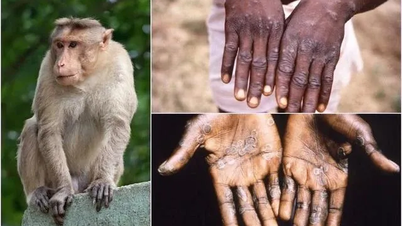
Monkeypox causes pus-filled sores and flu-like symptoms. The clade 1b strain of the virus has caused global concern because it appears to spread more easily through casual close contact.
Last week, a case of this new strain was confirmed in Sweden and is linked to a growing outbreak in Africa, marking the first time it has spread outside the continent. The WHO has declared the recent outbreak of the disease an international health emergency following the discovery of the new variant.
Mr. Kluge said that focusing on the new clade 1 strain would also help combat the less severe clade 2 strain, which has been spreading globally since 2022, thereby helping Europe improve its response through better health advice and surveillance.
Currently, around 100 new cases of clade 2 are reported each month in the European region, according to Kluge.
Mpox spreads through close contact, including sexual intercourse, but unlike previous global pandemics such as COVID-19, there is no evidence that it spreads easily through the air.
Health authorities need to be vigilant and flexible in the event of new, more contagious strains or changes in transmission patterns, but there are currently no recommendations that everyone needs to wear masks, according to WHO spokesperson Tarik Jasarevic.
Cao Phong (according to Reuters)
Source: https://www.congluan.vn/quan-chuc-who-dau-mua-khi-khong-phai-la-covid-moi-post308613.html





























![[Photo] Prime Minister Pham Minh Chinh holds a phone call with the CEO of Russia's Rosatom Corporation.](/_next/image?url=https%3A%2F%2Fvphoto.vietnam.vn%2Fthumb%2F1200x675%2Fvietnam%2Fresource%2FIMAGE%2F2025%2F12%2F11%2F1765464552365_dsc-5295-jpg.webp&w=3840&q=75)















































Comment (0)