Ukrainian army suffered heavy losses in the city of Kupyansk
The Ukrainian army suffered a heavy defeat in the city of Kupyansk; Kiev cited the Russian army's success near Kupyansk as the reason.
Báo Khoa học và Đời sống•13/09/2025
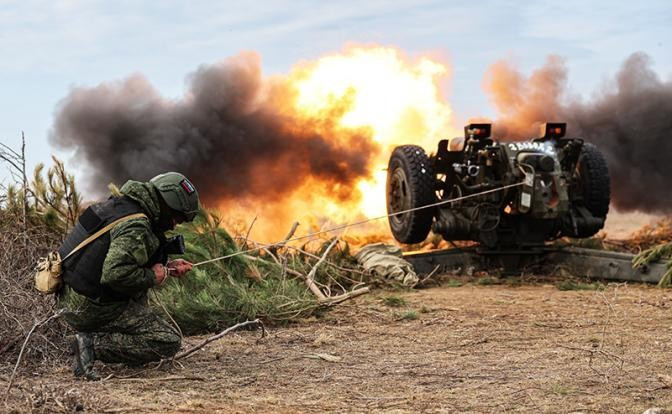
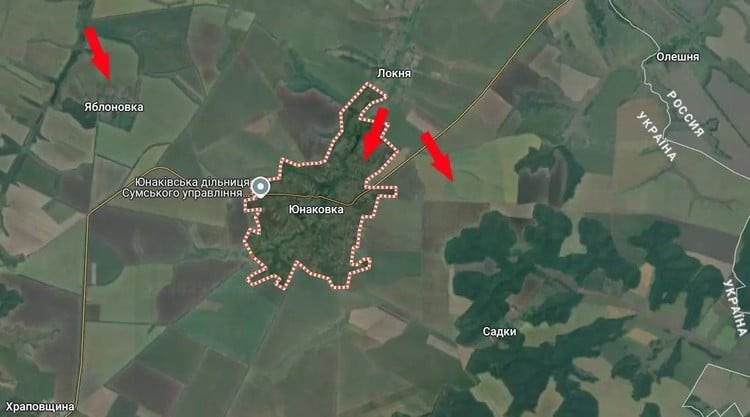
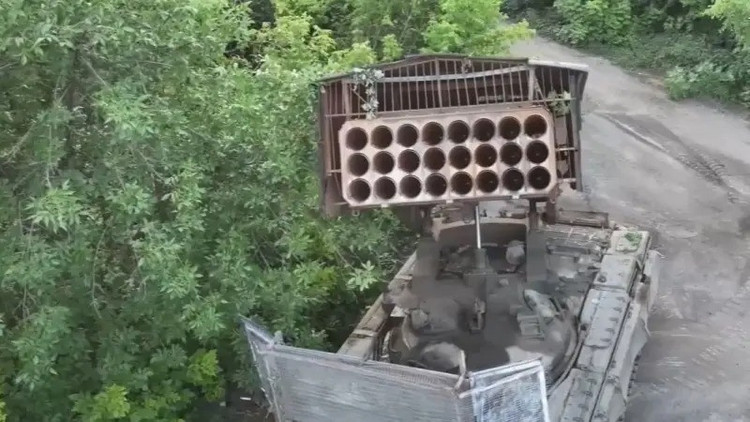
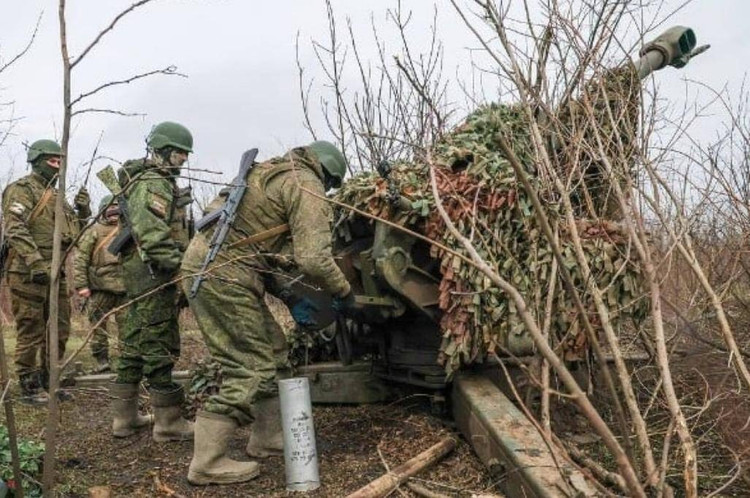
The Russia-Ukraine battlefield is still shrouded in smoke and fire. The Russian military website "Military Chronicle" reported that the Russian army (RFAF) is confident of taking the initiative on the entire front, when it took control of the village of Khoroshye in the Dnipropetrovsk region; and attacked the village of Novoe Shakhovo in the north of Pokrovsk. On the front line of the RFAF Northern Group, Russian artillery, air force, and FPV UAVs continue to attack along the entire front in Sumy Oblast. According to Severny Veter, fierce battles are taking place in the southern suburb of Yunakivka and the surrounding area. The Ukrainian Armed Forces (AFU) are deploying reinforcements, including special forces.
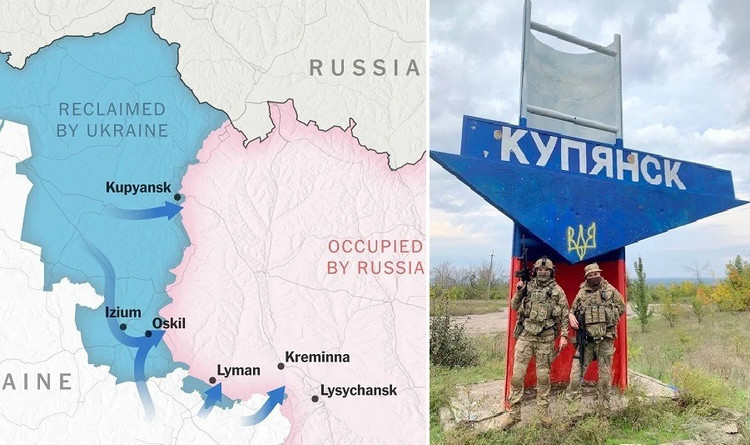
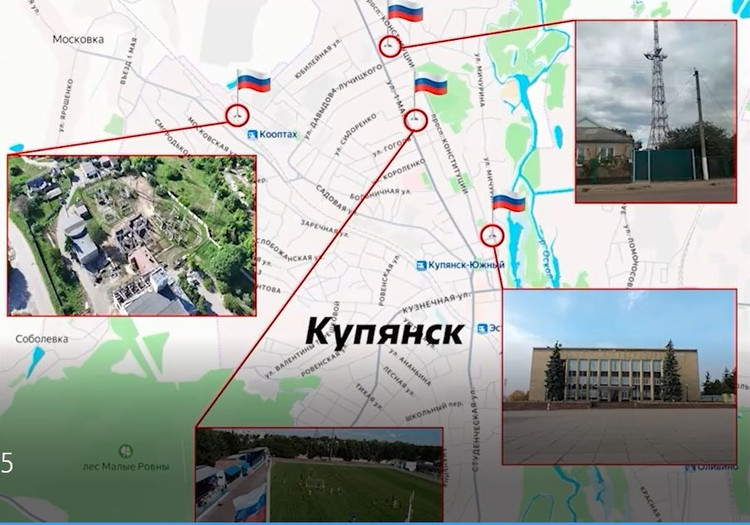
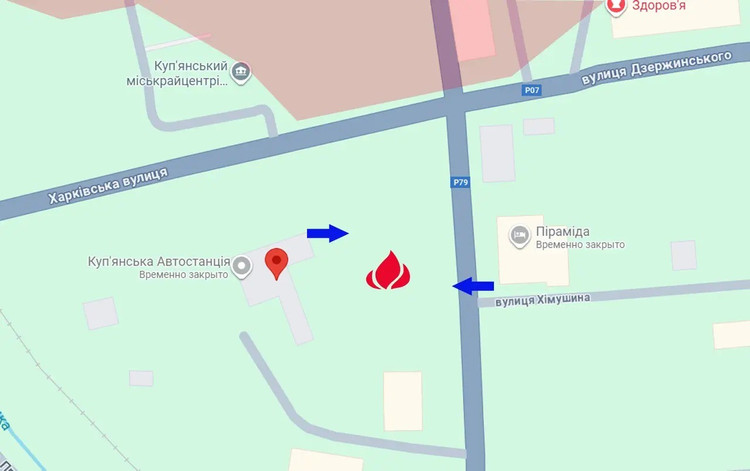
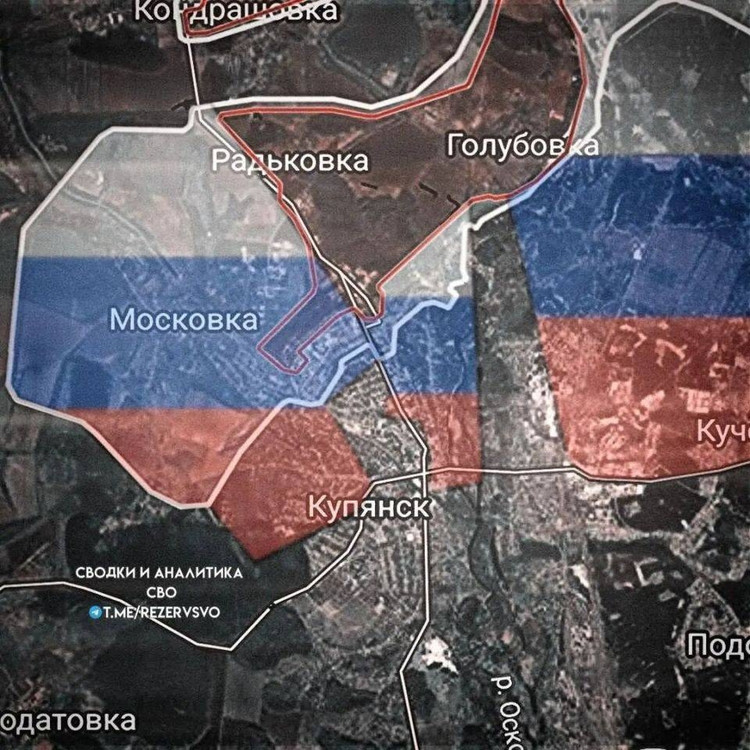
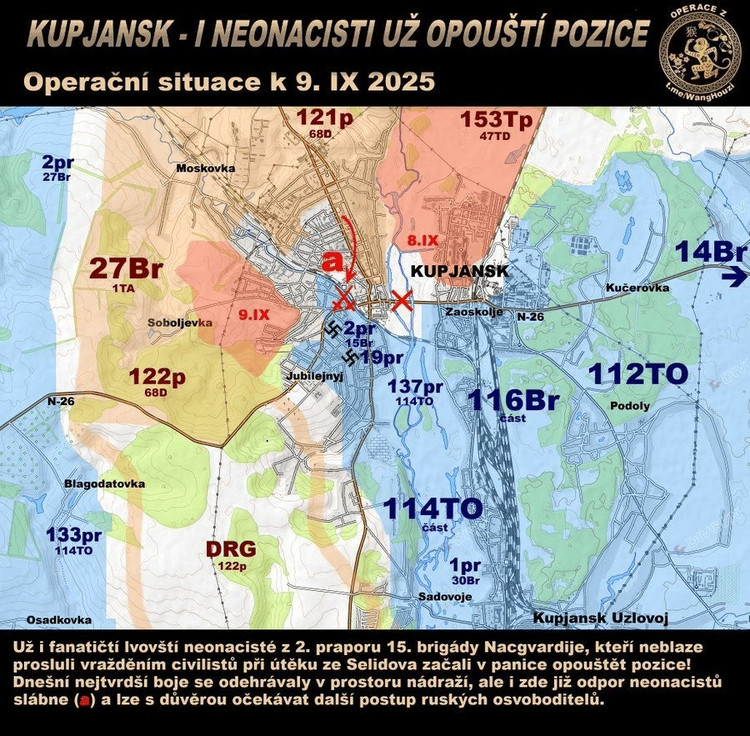
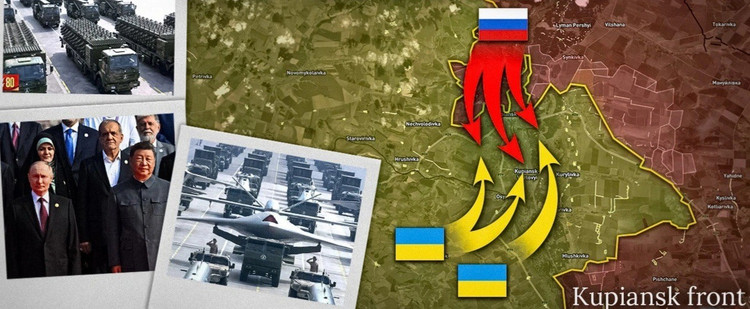
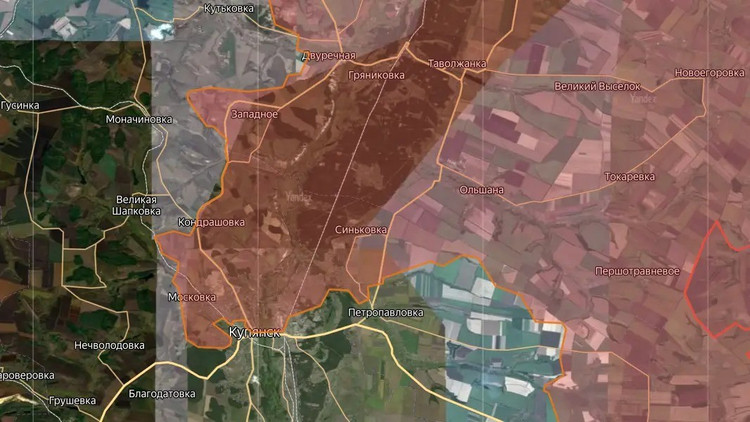
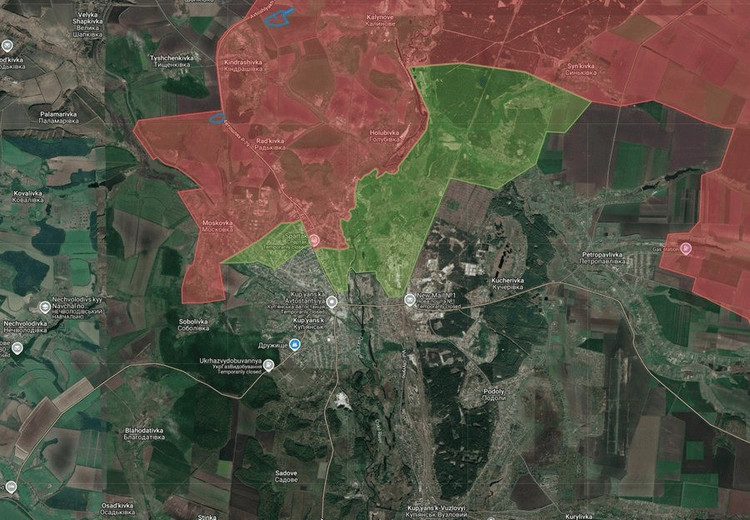
On the Kupyansk front, the RFAF demonstrated a strong and tactically effective offensive. On 9 September, the fighting reached its peak, with the fiercest action occurring near the railway station. Surprisingly, Ukrainian resistance there was very weak, creating favorable conditions for the Russian advance. Rybar channel said that the Russian troops decisively entered the city from the left bank of the Oskil River, overrunning the defense line at breakneck speed, a typical example of a surprise attack. According to Russian military expert Andrey Marochko, the RFAF assault units continued to advance on Kupyansk. After an offensive south of the city, the Russians seized new lines and positions, giving them control by fire of a one and a half kilometer stretch of highway along Svatovskaya Street; where until recently, the AFU's logistics in Kupyansk were carried out along this route. The Russians have also expanded the area of control to include the local history museum and the city's state administration. The area is currently under Russian control and the basements are being inspected; Russian engineers are also clearing mines in some areas. The AFU's defensive tactics in Kupyansk were in complete disarray. Even the 2nd Battalion of the 15th National Guard Brigade, the former defenders of Selidovo in Donetsk and the troops deployed in Lviv panicked and abandoned their positions.
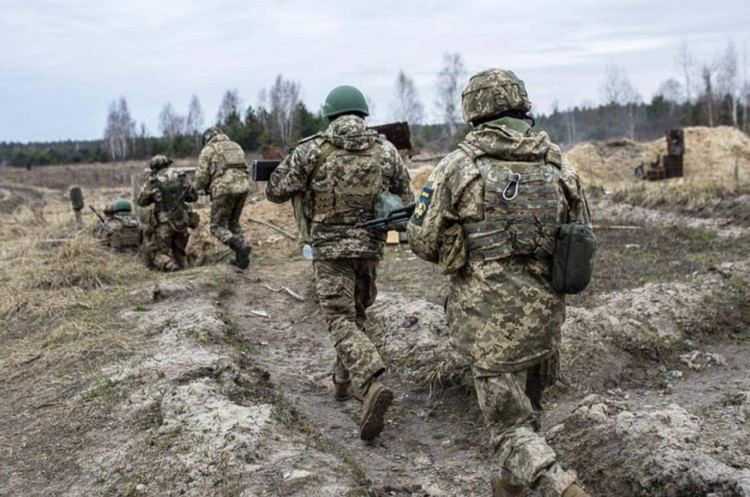
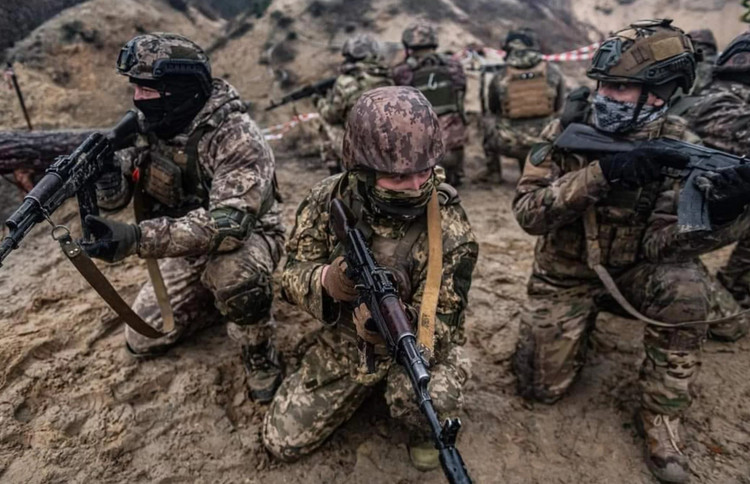
This chaos was not accidental; on the one hand, it reflected the psychological collapse of the AFU in the face of the powerful Russian offensive, and on the other hand, it exposed the chaotic command structure and lack of combat effectiveness. The 14th, 112th, and 116th Brigades, stationed east of the city, had to rely on the resistance of the 2nd and 19th Battalions of the 15th National Guard Brigade in the city for their survival. With these key units defeated, the eastern brigades were immediately dangerously surrounded by Russian forces, with no way out. Early on the morning of September 10, pro-Russian media claimed that the northern half of Kupyansk had been captured by Russian forces. Although this has not been confirmed, the current situation suggests that the possibility of Ukrainian reinforcements in Kupyansk is extremely low. Currently the main AFU forces are engaged in defense and counterattack in Pokrovsk and have little time to focus on the critical situation in Kupyansk. Complete Russian control of Kupyansk would have a significant impact on the entire war.
Kupyansk not only becomes an important stronghold for RFAF to advance deeper into Ukraine's Kharkiv region, but can also cut off some of AFU's supply lines and strategic routes, putting Kiev in a more passive position in the next battles. More specifically, Russia will control the water supply to the Donbass region that Russia is controlling. The Military Review commented that the establishment of the Dvurechensk bridgehead by the RFAF became the starting point for their next offensive in the Kharkiv region. This information was provided by Ukrainian sources, who said that the operation on the Oskol River clearly demonstrated how a breakthrough at one location develops into a mechanism affecting the entire front. As Ukrainian military experts emphasize, although the Dvurechensk bridgehead construction operation was not easy for the RFAF, the Russians learned the necessary lessons from this operation. In an area saturated with FPV UAVs, the RFAF was able to establish logistics, provide the necessary artillery support and create space for maneuver forces, which was a great success. According to Ukrainian analysts, the RFAF's success in building the Dvurechensk bridgehead suggests that in the near future the RFAF may repeat a similar operation in another area of the Ukrainian battlefield. The most problematic areas in this context are the settlements of Prikolotnoye and Velykyi Burluk.
As noted by Russian military experts, the RFAF now needs to “flatten the front line” in the Kharkiv region to deprive the AFU of flanking maneuvers. In this case, the AFU General Staff will have to withdraw some of its forces from Vovchansk, but this is unlikely to help in the defense of Kupyansk. (photo source: Military Review, Ukrinform, Kyiv Post).



 Báo Khoa học và Đời sống•13/09/2025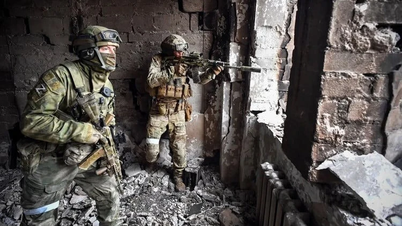












![[Photo] General Secretary To Lam receives the Director of the Academy of Public Administration and National Economy under the President of the Russian Federation](/_next/image?url=https%3A%2F%2Fvphoto.vietnam.vn%2Fthumb%2F1200x675%2Fvietnam%2Fresource%2FIMAGE%2F2025%2F12%2F08%2F1765200203892_a1-bnd-0933-4198-jpg.webp&w=3840&q=75)

















































































Comment (0)