

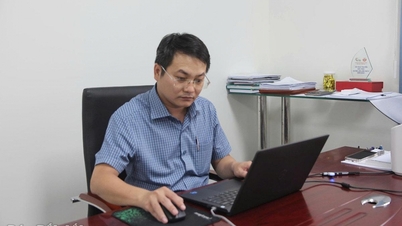
Reporters of Dak Lak Newspaper and Radio and Television had an interview with him, Deputy Director of the Department of Construction, about this content.
 |
| Mr. Le Hung. |
The formation of new administrative units with a wider scope has changed the entire foundation of the existing planning system. General planning projects, urban and rural planning projects established according to the old boundaries are no longer suitable for the development structure, population network, as well as the technical and social infrastructure system of the new area.
Not only that, many previous sectoral plans approved within the old province's boundaries also showed a discrepancy with the current situation. The change in management area led to overlaps and conflicts between planning layers, forcing the province to review, update and make synchronous adjustments to ensure consistency.
From these changes, the volume of projects that need to be newly established or adjusted has increased dramatically, leading to a large demand for funding and human resources. Meanwhile, the implementation time is quite urgent, creating great pressure on the province's professional agencies, especially at the commune level - where human resources for planning, architecture, and urban development are still lacking and experience does not meet the requirements of new tasks.
After applying the two-level local government model, the authority to establish and approve planning between the Provincial People's Committee and the Commune/Ward People's Committee is more clearly defined.
The Provincial People's Committee plays a leading role in approving projects with a scope of two or more commune-level administrative units; zoning plans for type I urban areas and new urban areas with equivalent population size.
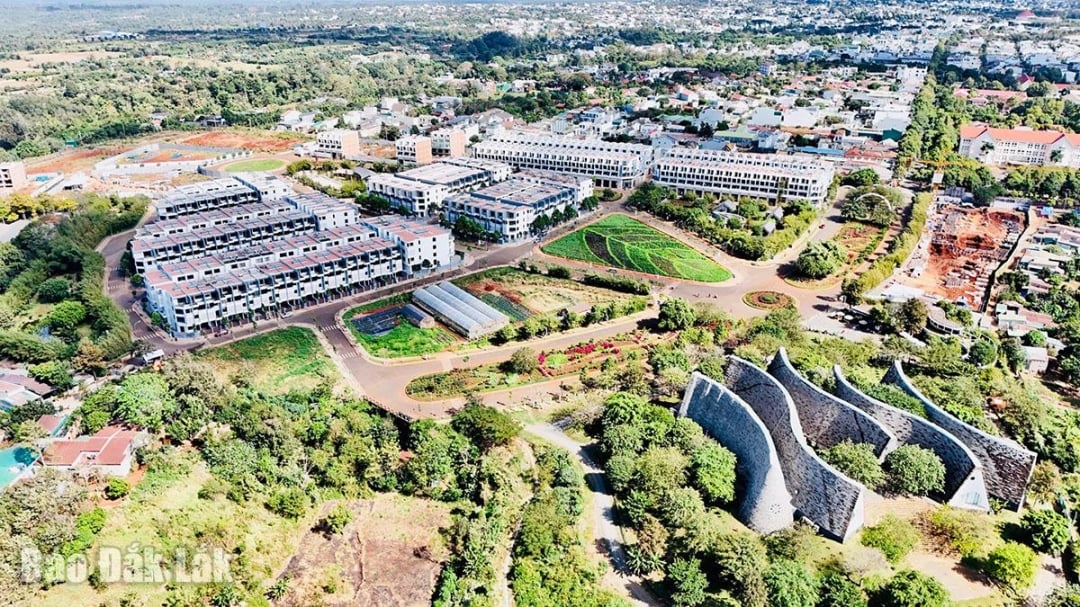 |
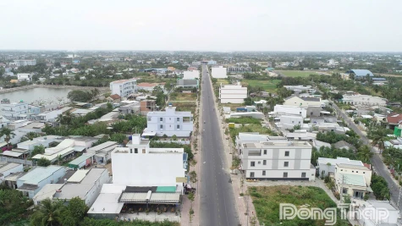
| Suoi Xanh Urban Area Project of Trung Nguyen. Photo: Le Lan |
Meanwhile, the People's Committees at the commune/ward level are assigned to approve tasks and zoning plans and detailed plans within the administrative boundaries of a commune-level unit, except for areas of national importance in terms of politics , culture, history, security, and defense; projects of type I urban areas or new urban areas with equivalent population size; and zoning plans and detailed plans of functional areas that have been assigned by the Prime Minister or the Provincial People's Committee to management agencies and organizations.
This demarcation helps increase initiative at the grassroots level, shortens the time to process practical requests while still ensuring consistency with provincial planning.
To promptly resolve difficulties, the People's Committees at the commune level have been guided on procedures for local planning adjustments for areas that need to immediately implement key projects, especially technical infrastructure and urgent civil works. The guidance documents of the Department of Construction create a legal basis to help localities handle the situation flexibly while waiting for the re-establishment of the general planning.
For general construction planning projects or urban planning that are no longer consistent with the current administrative boundaries, local authorities will organize the establishment of new planning according to the new administrative boundaries. These plans must ensure progress and quality, and at the same time be consistent with provincial planning and sectoral planning to avoid overlap or conflict.
For areas that play a role in creating momentum for socio -economic development, zoning plans can be newly established or adjusted at the same time as the process of establishing or adjusting provincial plans or general urban plans and approved before approving provincial plans or general urban plans.
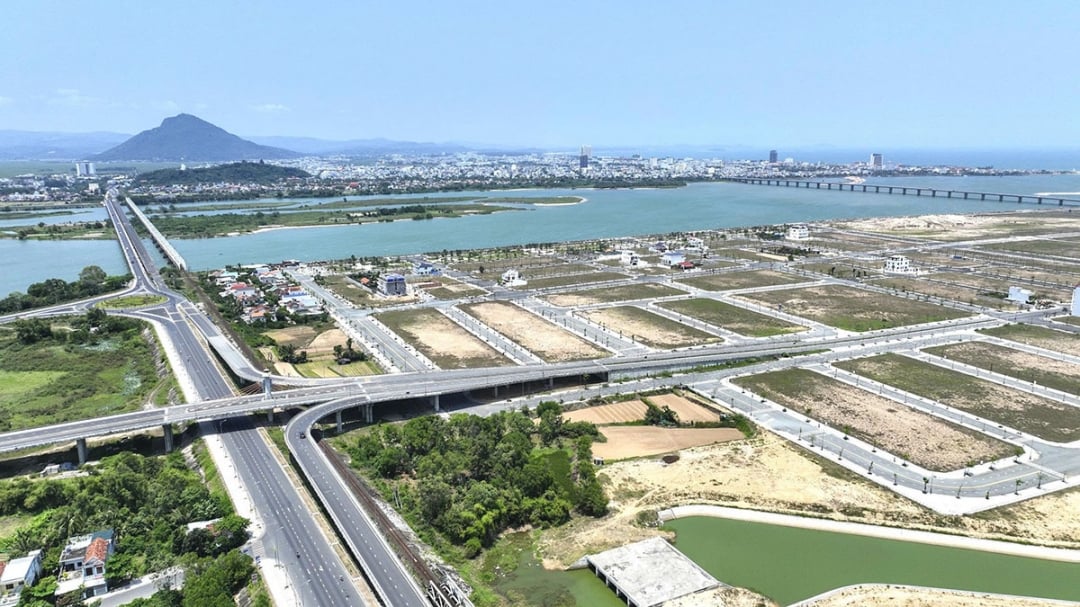 |
| The implementation of the two-tier local government model and the adjustment of administrative boundaries have created profound changes in the management of urban and rural spaces in Dak Lak province. In the photo: Urban development in Phu Yen and Tuy Hoa wards - along the two banks of the Da Rang River. Photo: Ngoc Thang |
For urban areas with relatively complete infrastructure systems such as Tuy Hoa (old) and Buon Ma Thuot (old), the change of boundaries does not disrupt infrastructure management. The previous local project management boards are arranged under the provincial project management board to continue to manage the existing technical and social infrastructure systems. The general principle is to ensure regular operations, stable people's lives and urban safety during the transition period.
* Thank you!
(perform)
Source: https://baodaklak.vn/tin-noi-bat/202512/quan-ly-quy-hoach-do-thi-nong-thon-sau-sap-xep-don-vi-hanh-chinh-ba518ed/
![[Photo] 60th Anniversary of the Founding of the Vietnam Association of Photographic Artists](/_next/image?url=https%3A%2F%2Fvphoto.vietnam.vn%2Fthumb%2F1200x675%2Fvietnam%2Fresource%2FIMAGE%2F2025%2F12%2F05%2F1764935864512_a1-bnd-0841-9740-jpg.webp&w=3840&q=75)
![[Photo] National Assembly Chairman Tran Thanh Man attends the VinFuture 2025 Award Ceremony](/_next/image?url=https%3A%2F%2Fvphoto.vietnam.vn%2Fthumb%2F1200x675%2Fvietnam%2Fresource%2FIMAGE%2F2025%2F12%2F05%2F1764951162416_2628509768338816493-6995-jpg.webp&w=3840&q=75)



















































































Comment (0)