

Linking monitoring activities with policy and law improvement
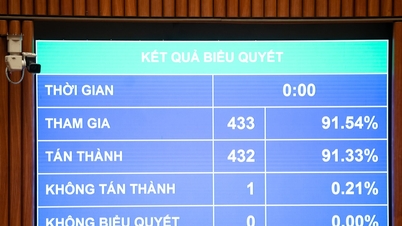
The Law on Supervisory Activities of the National Assembly and People's Councils (amended) consists of 5 chapters and 45 articles, taking effect from March 1, 2026.
The law stipulates the supervisory activities of the National Assembly and People's Councils; the rights and responsibilities of supervisory entities, agencies, organizations, and individuals subject to supervision, and other agencies, organizations, and individuals related to supervisory activities; and the assurance of supervisory activities.
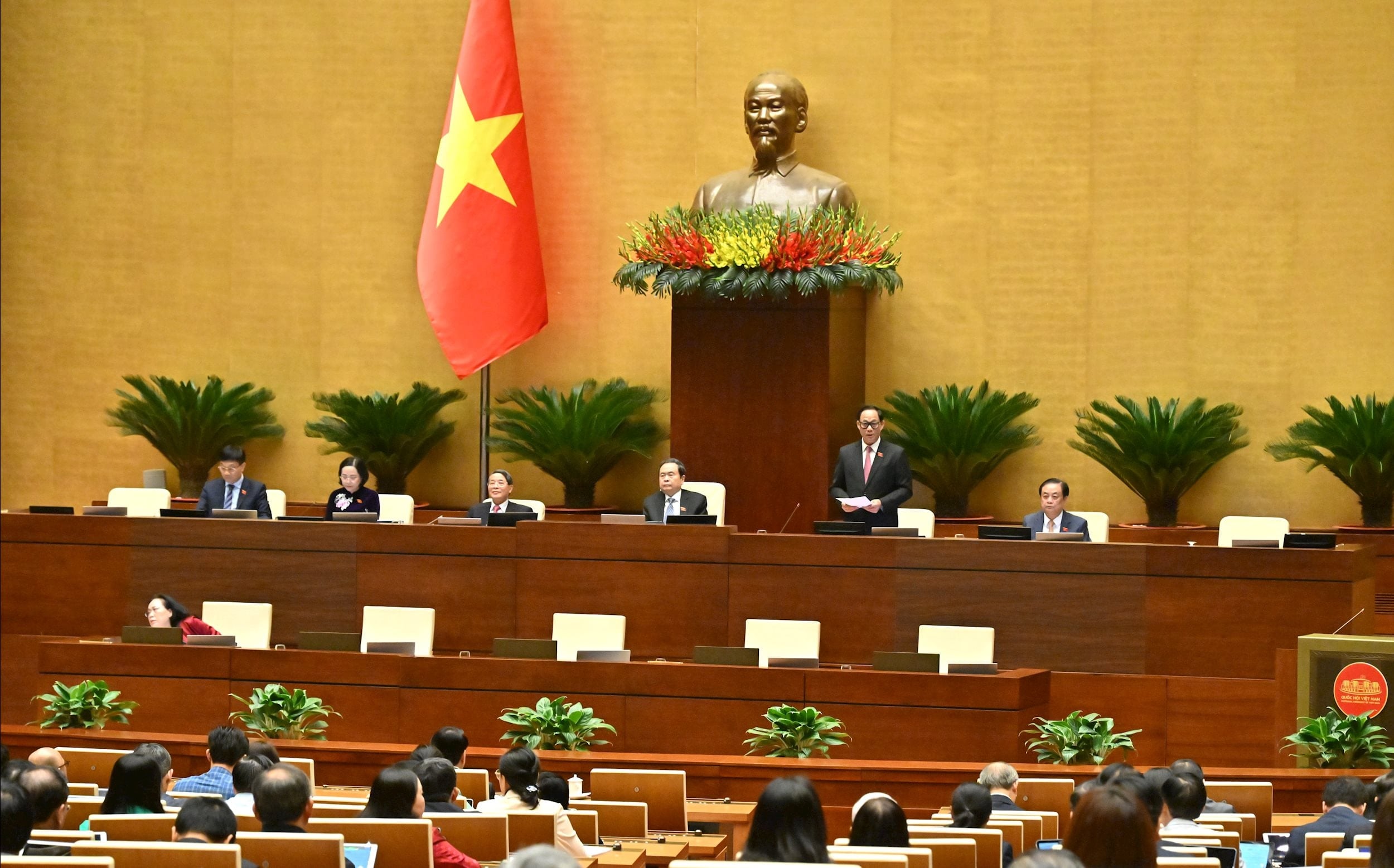
According to the law, the supervision by the National Assembly and People's Councils is a method of controlling state power through the monitoring, review, and evaluation of the activities of agencies, organizations, and individuals under supervision in complying with the Constitution and laws, handling matters within their authority, or requesting and recommending that competent authorities handle matters, contributing to the improvement of policies and laws, deciding on important issues of the country and localities, ensuring discipline and order, and enhancing the efficiency of the state apparatus.
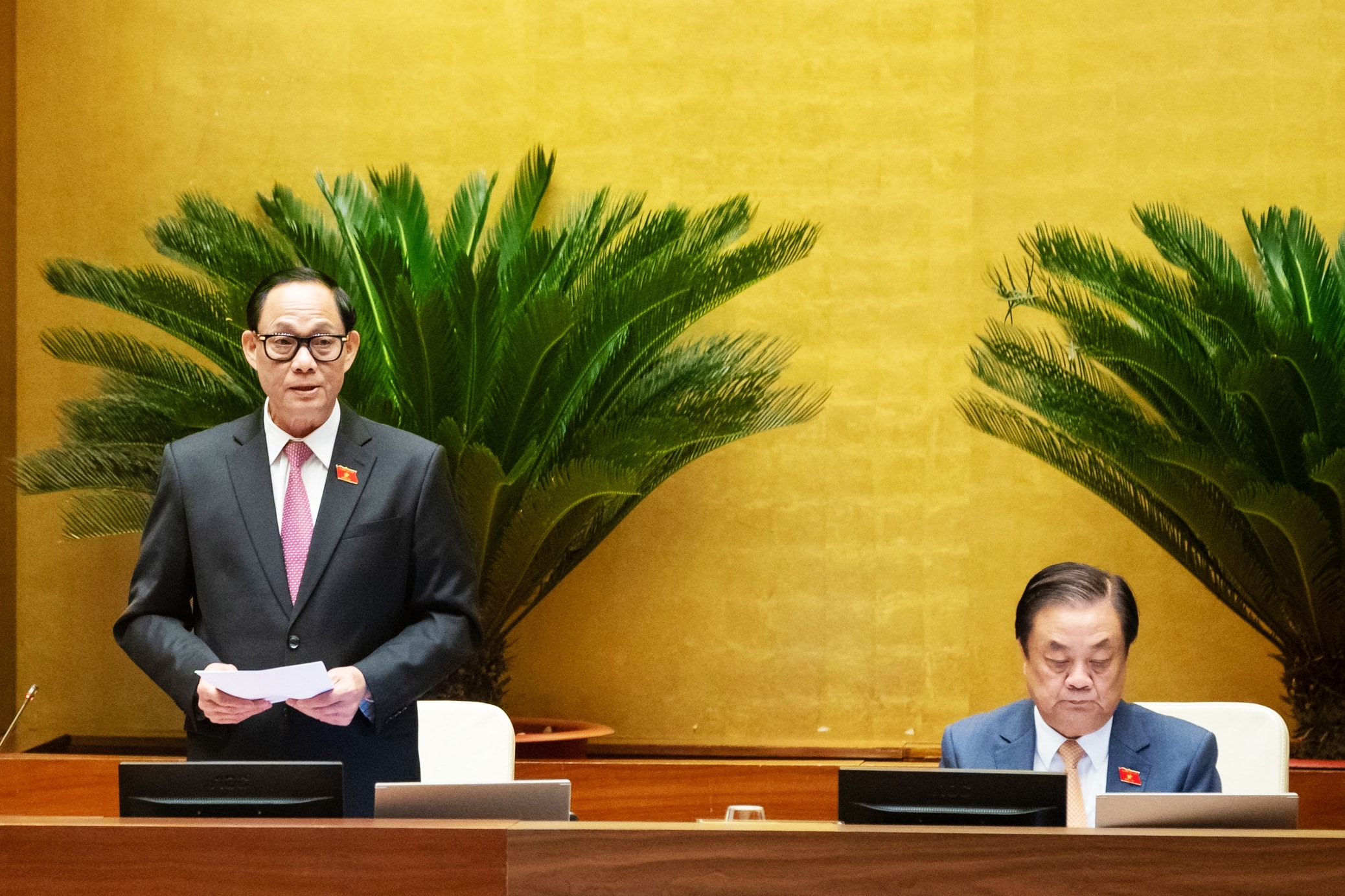
The supervisory bodies of the National Assembly include the National Assembly, the Standing Committee of the National Assembly, the National Council , the Committees of the National Assembly, the National Assembly delegations, and individual National Assembly deputies.
The supervisory subjects of the People's Council include the People's Council, the Standing Committee of the People's Council, the People's Council Committee, the People's Council delegation, and the People's Council delegates.
The law clearly stipulates six principles of supervisory activities, including: ensuring the comprehensive and direct leadership of the Communist Party of Vietnam; adhering to the Constitution and laws; ensuring objectivity, openness, transparency, and effectiveness; conducting comprehensive but focused supervision that meets practical requirements; ensuring the connection between supervisory activities and the improvement of policies, laws, and decisions on important national and local issues; and not hindering the normal operation of agencies, organizations, and individuals subject to supervision.
According to the Law, the National Assembly delegation has the following powers: to supervise the activities of the People's Committees, agencies under the People's Committees, People's Courts, People's Procuracies, civil enforcement agencies, and other local agencies in complying with the Constitution and laws. At the same time, it assists the National Assembly and the Standing Committee of the National Assembly in conducting supervision when assigned by the National Assembly and the Standing Committee of the National Assembly; and participates in supervisory activities of the National Assembly, the Standing Committee of the National Assembly, the National Ethnic Council, the Committees of the National Assembly, and the Provincial People's Councils at the local level when requested or proposed.
The People's Council delegation supervises the implementation of laws at the local level when assigned by the People's Council or its Standing Committee; and reports the results of the supervision to the People's Council and its Standing Committee for consideration and decision.
The Law on Supervisory Activities of the National Assembly and People's Councils (amended) also clearly states that supervisory resolutions of the National Assembly, the Standing Committee of the National Assembly, and the People's Councils have legally binding force.

In conclusion, the supervisory recommendations of the Standing Committee of the National Assembly, the National Council, the Committees of the National Assembly, the National Assembly delegations, National Assembly deputies, the Standing Committee of the People's Council, the Committees of the People's Council, and People's Council deputies must be strictly implemented by the agencies, organizations, and individuals subject to supervision and by the relevant agencies, organizations, and individuals.
If they disagree with the conclusions or recommendations of the supervision, the supervised agency, organization, or individual may request the supervising entity to reconsider the conclusions or recommendations related to their activities.
Within 15 days of receiving the request, the supervisory entity is responsible for reviewing and responding; in cases of force majeure or complex issues, the deadline may be extended but not exceeding 30 days.
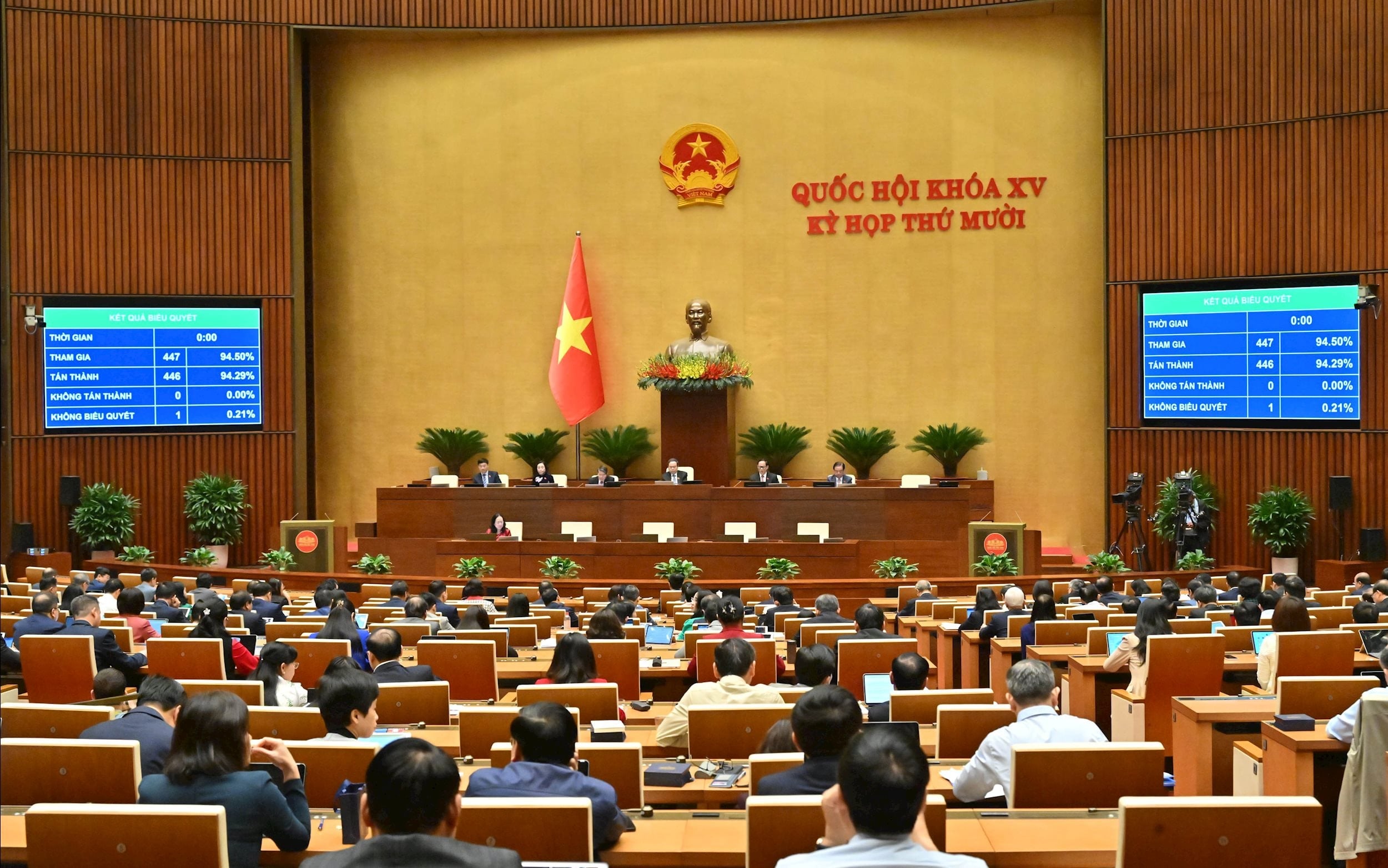
If the supervised agency, organization, or individual disagrees with the supervisory body's response, they may, either on their own initiative or by reporting to the head of the competent agency or organization, request the National Assembly, the Standing Committee of the National Assembly, or the People's Council to review the conclusion and recommendations of that supervision.
The People's Council delegation does not conduct independent supervision.
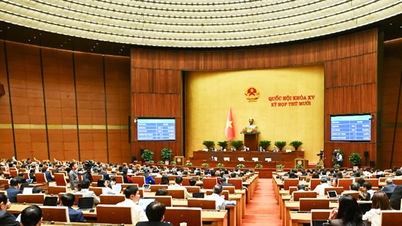
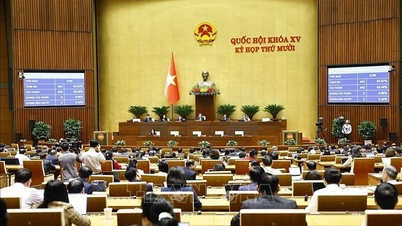
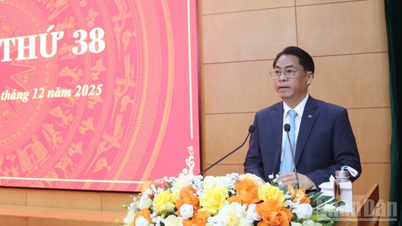
Earlier, the National Assembly heard the Chairman of the Committee on Citizen Petitions and Supervision, Duong Thanh Binh, present the report explaining and incorporating revisions to the draft Law on Supervision Activities of the National Assembly and People's Councils (amended).
Regarding the authority and supervisory activities of the National Assembly Delegation (Articles 22, 23, and 24), there is a suggestion to specify more clearly the definition of "other local agencies" in Clause 1 of Article 22 to ensure consistency in implementation.
According to Duong Thanh Binh, Chairman of the People's Petition and Supervision Committee, regarding local supervisory entities such as the National Assembly Delegation, the People's Council, the Standing Committee of the People's Council, and the Committees of the People's Council, the draft Law stipulates the supervisory authority and lists several agencies as subjects of supervision, such as the People's Committee, the People's Court, the People's Procuracy, and the Civil Enforcement Agency (which submit annual work reports to the People's Council). It also provides a general overview of other local agencies to ensure comprehensiveness and consistency with the provisions of the Law on Organization of Local Government.

Other local agencies, depending on the subject of supervision, may include specialized agencies of the People's Committee, other administrative organizations under the People's Committee, public service units directly under the People's Committee, organizations belonging to central agencies organized vertically and located in the locality (such as the Police, tax authorities, etc.), and depending on the locality and level, there may be different agencies.
However, some agencies are currently in the process of restructuring and reorganization, so specifying these details directly in the Law would not guarantee stability.
Therefore, taking this opinion into account, and to ensure feasibility and consistent implementation in practice, Clause 3 of Article 44 of the draft Law has been amended to include a provision assigning the Standing Committee of the National Assembly to provide detailed regulations on "other local agencies" in Articles 22, 27, 30, and 33 of this Law.
Regarding the supervisory authority of the People's Council Delegation (Article 37), the Chairman of the People's Petition and Supervision Committee clarified that, according to the Law, the People's Council Delegation only carries out supervisory activities when assigned by the People's Council or the Standing Committee of the People's Council; it is not an independent supervisory authority of the People's Council Delegation, and therefore does not lead to a conflict with the Law on Organization of Local Government.

On the other hand, the Law on Organization of Local Government in 2025 only stipulates the organizational structure and authority to establish People's Council delegate groups, but does not specify the duties and powers of these groups. The specific duties, powers, and responsibilities of People's Council delegate groups are currently regulated in several sub-legal documents.
Therefore, the draft law's provision regarding the responsibility of the People's Council delegation to conduct supervision when assigned by the People's Council or its Standing Committee does not necessitate amendments to the Law on Organization of Local Government.
Source: https://daibieunhandan.vn/quoc-hoi-thong-qua-luat-hoat-dong-giam-sat-cua-quoc-hoi-va-hoi-dong-nhan-dan-sua-doi-10399896.html
![[Photo] The captivating scenery of the fragrant maple forest in Quang Tri](/_next/image?url=https%3A%2F%2Fvphoto.vietnam.vn%2Fthumb%2F1200x675%2Fvietnam%2Fresource%2FIMAGE%2F2025%2F12%2F10%2F1765353233198_lan09046-jpg.webp&w=3840&q=75)


![[Photo] Explore the US Navy's USS Robert Smalls warship](/_next/image?url=https%3A%2F%2Fvphoto.vietnam.vn%2Fthumb%2F1200x675%2Fvietnam%2Fresource%2FIMAGE%2F2025%2F12%2F10%2F1765341533272_11212121-8303-jpg.webp&w=3840&q=75)



















![[Video] The craft of making Dong Ho folk paintings has been inscribed by UNESCO on the List of Crafts in Need of Urgent Safeguarding.](https://vphoto.vietnam.vn/thumb/402x226/vietnam/resource/IMAGE/2025/12/10/1765350246533_tranh-dong-ho-734-jpg.webp)


























































Comment (0)