

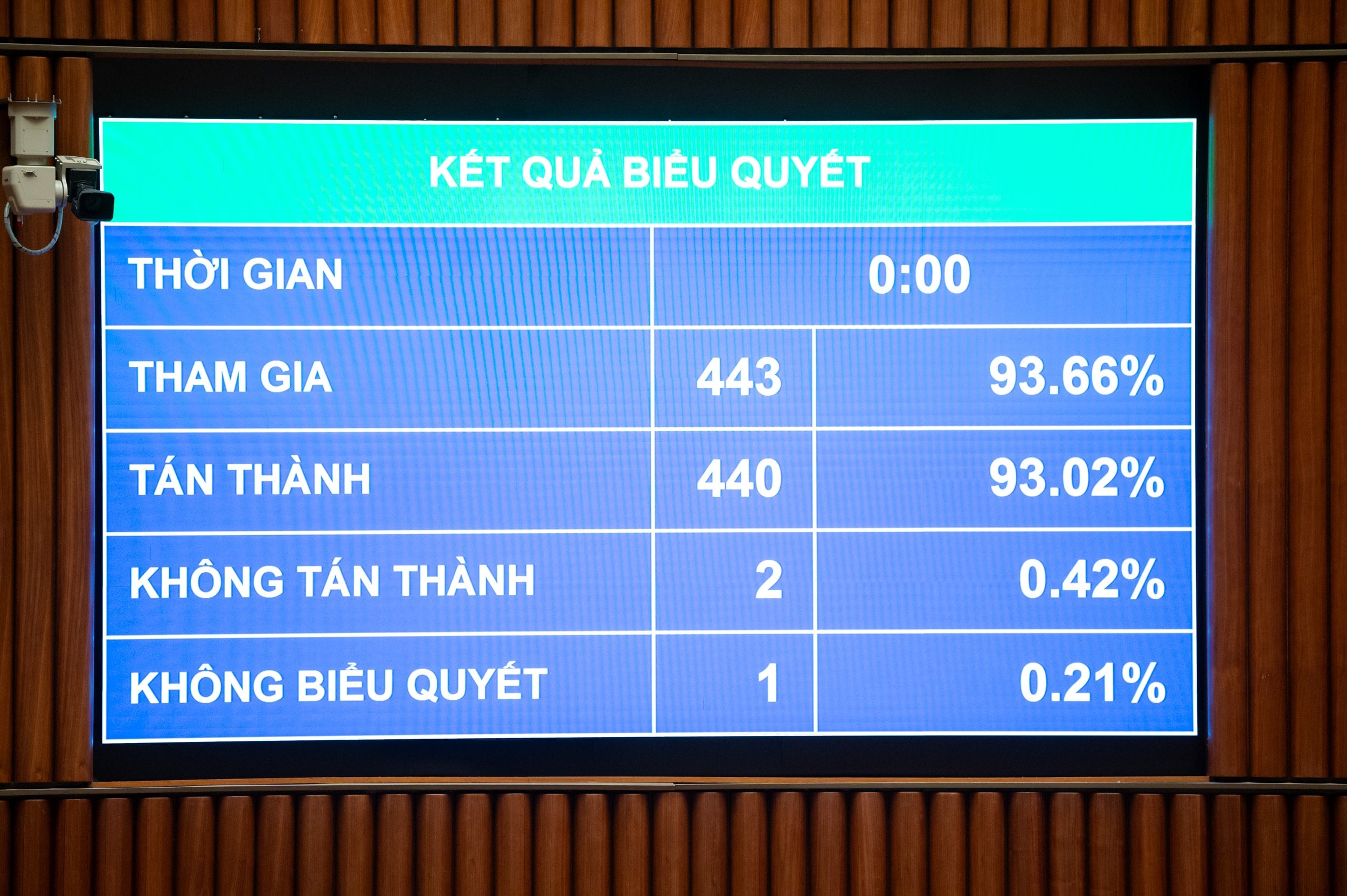
The Law on Disease Prevention consists of 6 chapters and 46 articles, and will come into effect on July 1, 2026.
The law stipulates regulations on the prevention and control of infectious diseases; the prevention and control of non-infectious diseases; the prevention and control of mental disorders; nutrition in disease prevention; and the conditions necessary for disease prevention.
This law applies to domestic and foreign agencies, organizations, and individuals in Vietnam.
.jpg)
According to the law, Vietnam's National Health Day is celebrated annually on April 7th.
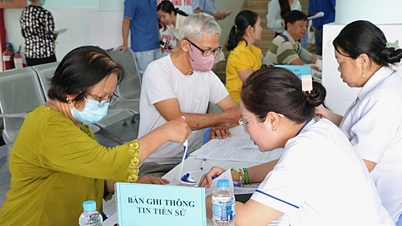
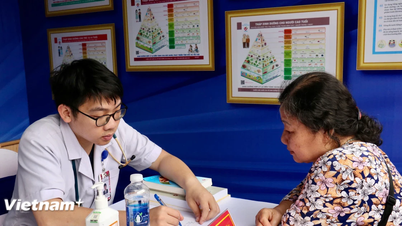
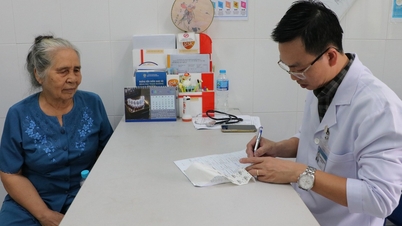
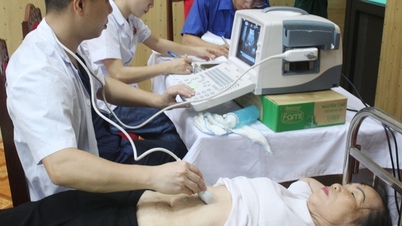
Citizens are entitled to free periodic health check-ups or screenings at least once a year, based on priority groups and schedules.
Funding for periodic health check-ups or screenings is provided as follows: Employers pay for periodic health check-ups for employees in accordance with labor and occupational safety and health laws; the state budget; the Health Insurance Fund pays according to health insurance laws; the Disease Prevention Fund; voluntary contributions and legitimate donations from organizations and individuals; and other legitimate funding sources.
The government specifies the scope, target groups, priority schedule, facilities for organizing examinations, and funding sources for implementing the policy of free periodic health check-ups or screenings.
The principle in disease prevention is proactive prevention, with the people as the central subjects; focusing on protecting, caring for, and improving overall health continuously throughout the life cycle. Combining professional medical measures with administrative, social, and other measures in the implementation of disease prevention activities.
Priority should be given to people with disabilities, the elderly; ethnic minorities, women, and children living in border areas, islands, ethnic minority and mountainous regions, areas with difficult socio-economic conditions, and areas with particularly difficult socio-economic conditions in accessing preventive services.
Prohibited acts in the prevention and control of infectious diseases include: intentionally disseminating or spreading infectious disease agents; unauthorized access, misuse, or alteration of the purpose of use of infectious disease agents without authorization from competent authorities; concealing or intentionally failing to report cases of infectious diseases as required by law; and failing to comply with infectious disease prevention and control measures as required by competent agencies, organizations, or individuals.
The disease prevention information system includes information on infectious diseases, non-infectious diseases, vaccinations, nutrition, injuries, and other information that is linked and shared within a regulated health database.
The law classifies infectious diseases into groups including: Group A, comprising particularly dangerous infectious diseases; Group B, comprising dangerous infectious diseases; Group C, comprising less dangerous infectious diseases; and other groups as recommended by the World Health Organization.
Individuals with infectious diseases, suspected infectious diseases, carriers of infectious pathogens, and those exposed to infectious agents belonging to Group A and certain Group B diseases must be medically isolated as decided by competent authorities, organizations, or individuals.
Forms of medical quarantine include quarantine at home, medical facilities, border crossings, and other facilities and locations.
Source: https://daibieunhandan.vn/quoc-hoi-thong-qua-luat-phong-benh-10399885.html



![[Photo] General Secretary and President To Lam meets with National Assembly delegates from ethnic minorities.](https://vphoto.vietnam.vn/thumb/1200x675/vietnam/resource/IMAGE/2026/04/20/1776696701056_a1-bnd-8331-3342-jpg.webp)
![[Image] National Assembly discusses the implementation of the socio-economic development plan.](https://vphoto.vietnam.vn/thumb/1200x675/vietnam/resource/IMAGE/2026/04/20/1776696707422_ndo_br_img-20260420-185419-jpg.webp)














































































Comment (0)