

3 "levels" of democracy in the activities of the National Assembly
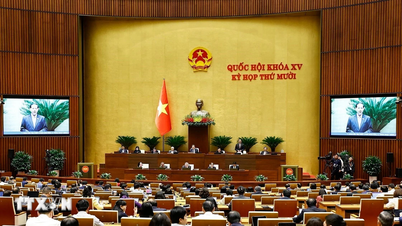
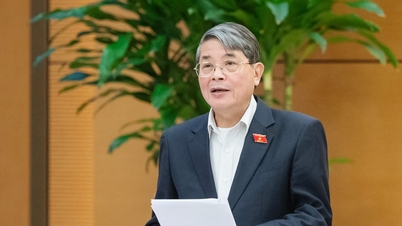
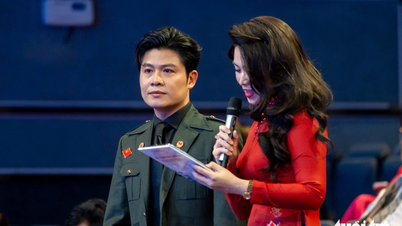
In that context, the very sincere sharing of National Assembly Deputy Nguyen Anh Tri ( Hanoi ) about the democratic experience in all activities of the National Assembly made me think especially. A retired cadre, entering the National Assembly term as a "stay" to continue contributing, recounted that he was able to participate equally in all activities of the National Assembly: from group activities, Committee meetings, discussions in the Hall, supervision, participation in seminars, conferences, to the very sacred moments when pressing the button to pass laws or decide on important issues of the country.
He emphasized that he had never been restricted in "what to say" or "forced to speak in a certain way", always felt the closeness and sharing in the Hanoi City National Assembly Delegation, the support in the Committee and above all, the feeling of respect and equality. From that, he drew a simple but profound conclusion: it was thanks to democracy and respect that he was confident enough to fulfill his duties as an elected representative and proud that, even though he had retired, he was still able to "live in the National Assembly, perform the duties of a People's Representative in the democratic and humane Vietnamese National Assembly".
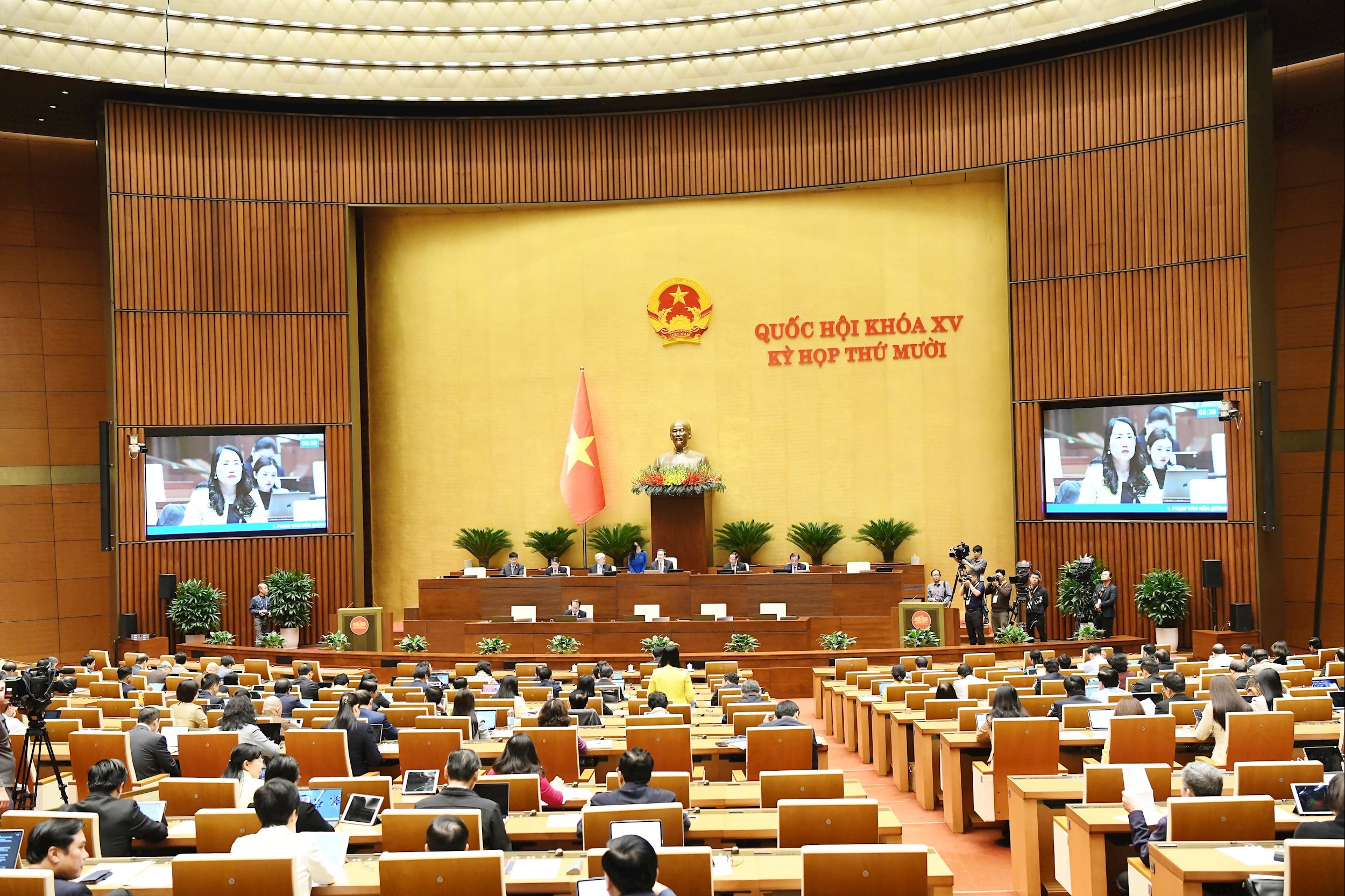
Those very real, very human feelings are the "soft measuring stick" but extremely important to test the democracy in the activities of the 15th National Assembly. Because democracy is not only in the words of the Constitution, in the working regulations, but first of all must be the very specific feelings of each person living and working in that institution: are they allowed to say what they think, are they protected when saying what they think is right, are they respected whether they are part-time or full-time representatives, new or old, young or old or not.
Looking from the story of delegate Nguyen Anh Tri, I see at least three layers of democracy operating in the 15th National Assembly.
The first level is internal democracy - democracy between delegates, between delegates and the Delegation, the Committee, and the supporting agencies. A democratic National Assembly, before becoming a place to express the will and aspirations of the people, must first be a place where delegates listen and debate equally with each other. What delegate Nguyen Anh Tri shared is a manifestation of the internal democratic environment. The open discussion atmosphere, the spirit of frank exchange in the Committees, the listening of the Delegation... all create a "democratic space" where each delegate can turn their concerns and experiences into a parliamentary voice.
The second level is democracy in process - democracy institutionalized in the way the National Assembly makes laws, supervises, and decides on important issues. Here, we can see a clear resonance with the spirit of Resolution No. 66-NQ/TW of the Politburo on innovation in law-making and enforcement. The Resolution affirms that law-making and enforcement is the "breakthrough of breakthroughs" in institutional improvement, the central task of the process of building and perfecting the Vietnamese socialist rule-of-law state of the people, by the people, for the people. To do so, the legislative process must be more democratic, more scientific, and more open to participation, debate, and criticism by each delegate, each Committee, each delegation, and each group of affected subjects.
Looking back at the XV term, it can be seen that the National Assembly has gone through a period of law-making with high intensity and increasingly improved quality: many large, difficult, and complicated law projects; the collection of opinions from the people, experts, and associations has been expanded; discussion sessions in groups and halls have become increasingly "hot" with many opinions of the delegates. Delegate Nguyen Anh Tri's feelings about not being limited in his right to speak and debate, therefore, is not a personal story, but reflects a new law-making culture: respecting differences, encouraging criticism, listening to the minority opinions that are reasonable and have practical experience.
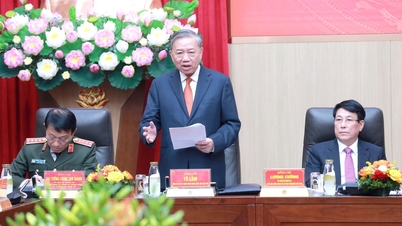
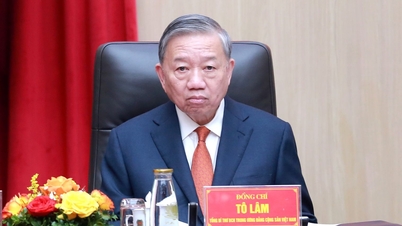
The third and deepest level: democracy in the relationship between the National Assembly and the People. When speaking before the National Assembly on the draft document to be submitted to the 14th National Party Congress, General Secretary To Lam emphasized that building a rule-of-law State is not only about having a complete legal system, but first of all, about respecting the Constitution and the law, controlling power, being open, transparent and accountable to the People; building a State that is "strong but does not abuse power; has discipline but is not far from the people; acts decisively but humanely, has dialogue and persuasion". In particular, the General Secretary asked a very straightforward question: "Is there a situation where people have to ask for things they should be entitled to?" - and affirmed that if that question is not answered satisfactorily, then the rule-of-law State is still incomplete.
I think, for the National Assembly - the highest state power agency, the highest representative of the People, the "democratic test" must also be scored with similar questions: do voters have to "ask" to meet their representatives, or do representatives proactively come to the people? Can the voices of the disadvantaged, those in remote areas, and those directly affected by policies enter the parliament? Are social grievances promptly reflected in questioning, supervision, and resolutions? And most importantly: do the National Assembly's decisions make people's lives fairer and more humane, or do they unintentionally create more "barriers" and more "asking - giving"?
Continuously expanding the space for dialogue, enhancing transparency and accountability
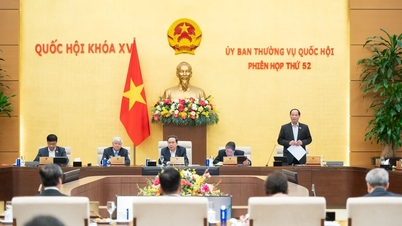
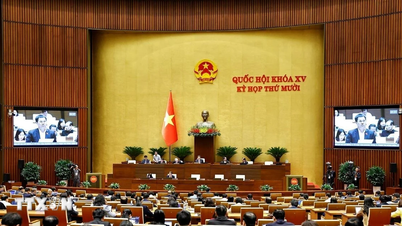
The democracy of the 15th National Assembly, in my opinion, is also clearly demonstrated in the way the National Assembly "opens" itself to the public. Most of the sessions, especially those discussing important issues, are broadcast live on radio and television. Voters across the country can follow almost every speech, every debate, every question, every moment of pressing a button in the parliament. This not only creates positive pressure forcing delegates to study more carefully and speak more responsibly, but is also a big step forward in transparency - one of the pillars of modern parliamentary democracy.
Resolution 66 sets out the requirement to innovate the work of law making and enforcement, emphasizing the improvement of the accountability mechanism, strengthening the responsibility of the agencies promulgating and enforcing the law; considering law making as a "central, regular task" of the entire political system. When looking at the activities of the 15th National Assembly, it can be seen that this spirit has been concretized through the enhancement of questioning activities, thematic supervision, supervision of the implementation of promises and commitments before the National Assembly; through the requirement that the Government, ministries and branches must report more clearly on the implementation of laws and resolutions. Parliamentary democracy therefore does not only stop at the right to speak of the delegates, but also manifests in the accountability of the supervised subjects - which creates a "circle of democracy" between the legislature, the executive and the People.
In a more long-term perspective, what is happening at the National Assembly is also closely linked to the orientation of building and perfecting the socialist rule-of-law State in the new period that General Secretary To Lam has repeatedly emphasized: a State that "controls power, prevents abuse of power, corruption, and negativity; ensures that all decisions are in accordance with the law and for the people; does not let people have to beg for what they are entitled to." To do so, we cannot only rely on the legal system on paper, but must start from the forums where laws are discussed and passed - that is, from the National Assembly itself. Where representatives are encouraged to criticize sincerely and frankly; where different voices are listened to, analyzed, and seriously absorbed; where voters feel that representatives "stand with them" on important issues, then democracy is no longer a slogan.
Of course, it is undeniable that there are still limitations and shortcomings in the activities of the National Assembly. There are still sessions where there is not enough time for all registered delegates to speak; there are still draft laws that require further in-depth debate; there are still decisions that voters are still concerned about, requiring the next National Assembly to learn from experience. Democracy, in that sense, is not a completed state, but a journey of constantly expanding the space for dialogue, constantly enhancing transparency and accountability, constantly listening more closely to the "voice of life".
I believe that, as we enter the term of the 16th National Assembly, the democratic values that were cultivated during the 15th Term will become a valuable foundation for the National Assembly to continue to improve itself: cleaner, stronger, more professional, closer to the people, truly the embodiment of the great national unity bloc in the new era.
Source: https://daibieunhandan.vn/quoc-hoi-va-nhung-dieu-lam-nen-dan-chu-10399301.html


![[Photo] Cat Ba - Green island paradise](/_next/image?url=https%3A%2F%2Fvphoto.vietnam.vn%2Fthumb%2F1200x675%2Fvietnam%2Fresource%2FIMAGE%2F2025%2F12%2F04%2F1764821844074_ndo_br_1-dcbthienduongxanh638-jpg.webp&w=3840&q=75)

























![[VIMC 40 days of lightning speed] Da Nang Port: Unity - Lightning speed - Breakthrough to the finish line](https://vphoto.vietnam.vn/thumb/402x226/vietnam/resource/IMAGE/2025/12/04/1764833540882_cdn_4-12-25.jpeg)



































Comment (0)