

Starch - an essential fuel
Carbohydrates are one of the three macronutrient groups, providing glucose to the brain and muscles. It is recommended that they account for 45-65% of total daily energy intake.
Dr. Julie Stefanski, a clinical nutritionist in the US, emphasizes that adults need at least 130g of carbohydrates per day to maintain basic functioning.

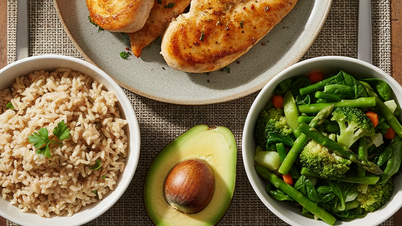
Whole grain rice, root vegetables... are very good for your health.
Photo: AI
How does the body react to a carbohydrate deficiency? Within 24-48 hours of cutting carbs, glycogen stores in the liver and muscles are depleted. Because glycogen retains water, weight loss is rapid, primarily due to dehydration. The body then has to break down muscle tissue and burn fat for energy, putting the body into a state of ketosis.
According to expert Samantha Coogan (University of Nevada, USA), ketosis may help with short-term survival, but if prolonged, it can disrupt hormones and affect the liver, thyroid gland, and blood sugar, according to the health news website Verywell Health.
Common side effects include: Cutting carbohydrates can easily cause "keto flu" with symptoms such as fatigue, nausea, headache, and difficulty concentrating. In the short term, it can cause constipation, insomnia, and irritability. In the long term, there is a risk of electrolyte imbalance, high cholesterol, kidney stones, and osteoporosis. For people with diabetes, ketosis can lead to ketoacidosis, a life-threatening condition.
Is rapid weight loss sustainable?
Some studies have noted faster weight loss and better blood sugar control in the first few months. However, expert Stefanski points out that after a year, the effectiveness of low-carb and balanced diets is almost indistinguishable. The biggest drawback of rapid weight loss is the difficulty in maintaining it long-term, while the risk of nutrient deficiencies is higher.
Risk of nutrient deficiency
Eliminating starches means eliminating food sources like whole grains, potatoes, etc. This can easily lead to deficiencies in vitamin C, folate, B vitamins, fiber, and antioxidants, increasing the risk of heart disease, digestive disorders, and even some cancers.
Why is starch necessary?
Carbohydrates not only provide energy but also support muscle recovery, tissue regeneration, and endurance maintenance. Foods rich in healthy carbohydrates such as brown rice, sweet potatoes, oats, beans, and vegetables also provide essential vitamins, fiber, and minerals, according to Verywell Health.
Expert advice
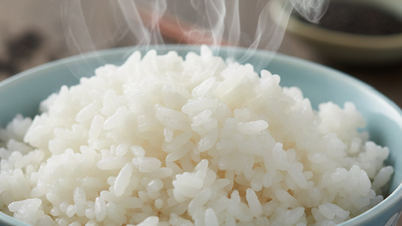
Completely eliminating rice is not a safe solution. Instead of eliminating it, choose healthy carbohydrates like brown rice, oats, sweet potatoes, beans, fruits, and vegetables. These foods provide sustainable energy, are rich in fiber, vitamins, and minerals. Combine this with a balanced, sustainable diet for long-term weight management and health.
Source: https://thanhnien.vn/so-map-kieng-tinh-bot-dieu-gi-thuc-su-dien-ra-trong-co-the-185250911233650125.htm


![[Photo] Prime Minister Pham Minh Chinh holds a phone call with the CEO of Russia's Rosatom Corporation.](/_next/image?url=https%3A%2F%2Fvphoto.vietnam.vn%2Fthumb%2F1200x675%2Fvietnam%2Fresource%2FIMAGE%2F2025%2F12%2F11%2F1765464552365_dsc-5295-jpg.webp&w=3840&q=75)


![[Photo] Closing Ceremony of the 10th Session of the 15th National Assembly](/_next/image?url=https%3A%2F%2Fvphoto.vietnam.vn%2Fthumb%2F1200x675%2Fvietnam%2Fresource%2FIMAGE%2F2025%2F12%2F11%2F1765448959967_image-1437-jpg.webp&w=3840&q=75)










































![[OFFICIAL] MISA GROUP ANNOUNCES ITS PIONEERING BRAND POSITIONING IN BUILDING AGENTIC AI FOR BUSINESSES, HOUSEHOLDS, AND THE GOVERNMENT](https://vphoto.vietnam.vn/thumb/402x226/vietnam/resource/IMAGE/2025/12/11/1765444754256_agentic-ai_postfb-scaled.png)













































Comment (0)