

According to the 2022 Global Islamic Economy Report (SGIE), spending on Halal products and services is projected to reach US$1.67 trillion by 2025. This presents an opportunity for Vietnamese agricultural and aquatic products to enter the Halal market if proper and effective investment is made.
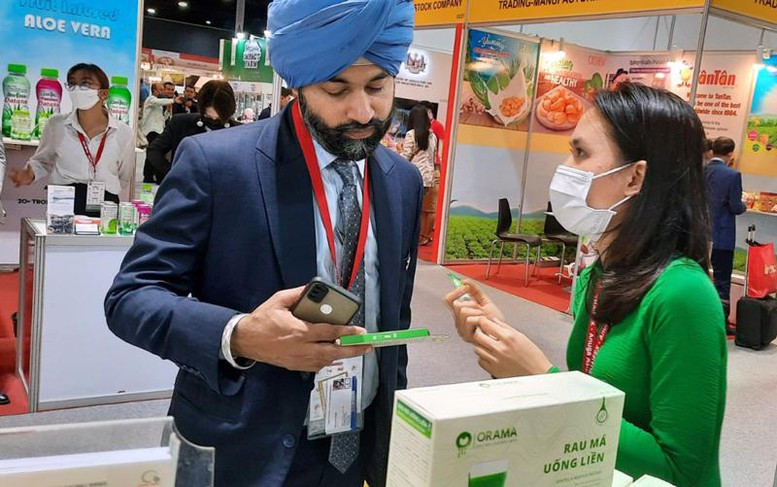
The Halal market continued to grow even during the pandemic.
Halal, in Arabic, means "lawful" or "permitted." According to Islamic law, all food sources are legal except for those that are animals or animal products that are forbidden (Haram). Products and derivatives of these animals are also considered illegal.
Some specific products that meet Halal standards include milk (cow, sheep, camel, goat), honey, fish, fresh or dried vegetables and fruits; nuts such as peanuts, cashews, hazelnuts;… grains such as wheat, rice, barley;…
SGIE 2022 indicated that spending on Halal food had grown by nearly 7% even during the COVID-19 pandemic, reaching US$1.27 trillion in 2022 and projected to reach US$1.67 trillion by 2025.
Currently, there are over 2 billion Muslims worldwide . Many Muslim-majority countries are actively participating in the global Halal market – a market with many specific and stringent requirements. Everyday food products must be certified according to Halal standards.
Mr. Truong Xuan Trung, Vietnam's Commercial Counselor in the United Arab Emirates (UAE), stated that the scale and demand of the Halal market are enormous. Looking at the growth figures for consumption of key product groups in the UAE market, Vietnam has a strong advantage in product categories such as agricultural products, processed agricultural products, and grains. To further promote the export of Vietnamese goods to the Halal market, Vietnamese businesses need to obtain Halal certification to meet export standards for Muslim-majority countries.
In recent years, the number of Vietnamese businesses meeting the standards for exporting Halal products has steadily increased, reflecting greater interest and investment in this market. Notably, compared to other export markets such as the US or Europe, logistics costs to the Muslim market are generally significantly lower, thus contributing to increased competitiveness for Vietnamese products.
To systematically tap into the Muslim market, experts believe that mechanisms and policies are needed to support the development of an ecosystem and a community of businesses producing Halal products in Vietnam, avoiding the fragmented, disjointed, and ineffective implementation currently in place. This is because Halal standards extend beyond production to include distribution, services, and consumption.
Vietnam is currently one of the world's leading exporters (ranking 2nd in the region and 23rd globally), with a strong focus on agricultural products and processed foods – products in high demand in the Muslim market. However, we are not yet on the list of the top 30 global suppliers of Halal food. According to experts, the main reason is that we are currently implementing our exports based on the spontaneous needs of individual businesses, rather than having a systematic national strategy to promote Halal product exports.
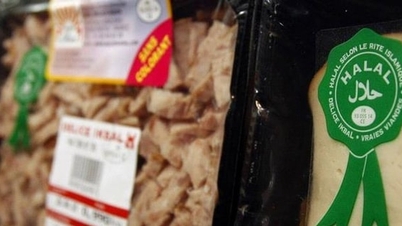
Halal standards are becoming increasingly stringent.
According to Deputy Minister of Agriculture and Rural Development Phung Duc Tien, with the potential to export over 50 billion USD worth of agricultural products annually and the establishment of supply chains, this presents an opportunity for Vietnamese agricultural and aquatic products to enter the Halal market if there is systematic and effective investment, creating momentum for agricultural economic development.
According to Deputy Minister Phung Duc Tien, although agricultural and aquatic products have been exported to many markets and trade promotion has been effective, Vietnam must enter demanding and specific markets such as the Halal market. This will allow Vietnamese agricultural products to reach more market segments and export turnover.
Mr. Truong Xuan Trung, Vietnam's Commercial Counselor in the United Arab Emirates (UAE), assessed that Vietnam has a policy of developing relations with Middle Eastern and African countries; including promoting cooperation in production, import, and Halal certification. This also creates favorable conditions for Vietnamese businesses to export products to the Halal market.
According to experts, despite being a large, highly potential market with favorable geographical location, Vietnamese goods in general, and agricultural and aquatic products in particular, are only in the initial stages of entering the Halal market. However, the biggest challenge for the Halal industry is the lack of a single, globally recognized Halal standard.
According to Ms. Ly Kim Chi, Vice President of the Ho Chi Minh City Business Association (HUBA) and President of the Ho Chi Minh City Food and Beverage Association (FFA), Halal standards and regulations are becoming increasingly stringent.
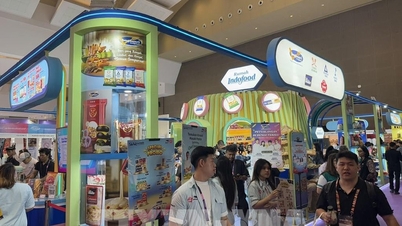
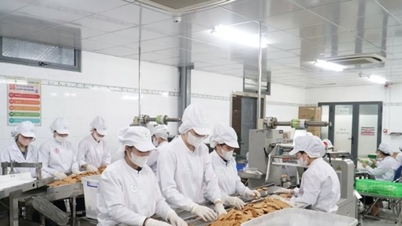
According to the Ho Chi Minh City Food and Beverage Association (FFA), the vast majority of well-established businesses within the association, such as Vinamilk, Bibica, and Cholimex, have already obtained Halal certification and have been exporting to Muslim markets for many years.
Notably, Vinamilk has successfully conquered Middle Eastern consumers with its high-quality Halal products, fully meeting the criteria and requirements of this market. Beginning its exploration in the 2000s, the Middle East has now become a key market, contributing over 85% of Vinamilk's total export revenue with core product lines such as powdered milk, nutritional powders, condensed milk, etc.
"But overall, export value remains modest compared to the potential of the business," Ms. Ly Kim Chi acknowledged. The main reasons for this situation stem primarily from differences in business culture and consumer preferences. In particular, all Muslims adhere to the beliefs and religion of Islam, in which consuming Halal food is considered a religious obligation that Muslims must fulfill, evidenced by Halal certification for products.
According to Deputy Minister of Agriculture and Rural Development Phung Duc Tien, the potential and requirements for Vietnamese agricultural products, especially livestock products, to enter the Halal market have been clearly recognized. Therefore, businesses need to closely coordinate with state management agencies and specialized units of the Ministry of Agriculture and Rural Development, such as the Department of Livestock, the Department of Veterinary Medicine, and the Department of International Cooperation, to access and gradually improve processes, remove technical barriers, and soon bring Vietnamese livestock products, particularly chicken meat, into the Halal market.
"Businesses must have specific plans and timelines for each task and content so that specialized agencies of the Ministry of Agriculture and Rural Development can provide timely support to ensure that the entire production process, from breeding stock, housing, feed, slaughtering, etc., is perfected according to Halal standards," Deputy Minister Phung Duc Tien emphasized.
Source


![[Photo] Prime Minister Pham Minh Chinh holds a phone call with the CEO of Russia's Rosatom Corporation.](/_next/image?url=https%3A%2F%2Fvphoto.vietnam.vn%2Fthumb%2F1200x675%2Fvietnam%2Fresource%2FIMAGE%2F2025%2F12%2F11%2F1765464552365_dsc-5295-jpg.webp&w=3840&q=75)

































































Comment (0)