

The government has a policy to attract highly qualified individuals, talented people, outstanding graduates, young scientists , and people with special aptitudes to participate in recruitment as educators.
Addressing the issue of localized teacher shortages and surpluses.
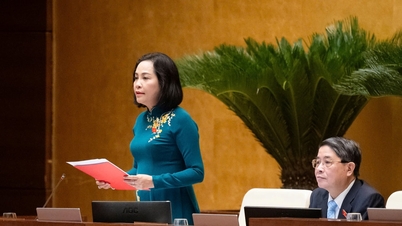
On November 9th, the National Assembly heard presentations and reports on the draft Law on Teachers. At the session, Mr. Nguyen Kim Son, Minister of Education and Training, stated that the enactment of the Law on Teachers would address several shortcomings in current state management of teachers, such as the long-standing problem of teacher shortages and surpluses in preschool and primary education, and inadequacies in the management of teachers in non-public schools.
Furthermore, the quality of the teaching staff will be standardized throughout the system with a unified system of job titles, professional standards, and ethical requirements for teachers. In addition, some specific and groundbreaking policies will be considered to create a favorable environment for teachers' development. Besides the basic salary and highest allowances as stated in Conclusion 91-KL/TW, there will be additional policies to support and attract talent to the education sector, attracting dedicated individuals to work in remote areas, border regions, and islands; and establishing reasonable retirement ages for preschool teachers and highly qualified teachers.
According to Mr. Son, compared to current regulations in related laws such as the Law on Public Employees, the Law on Education, the Law on Higher Education, the Law on Vocational Education, and the Labor Code, the draft Law on Teachers has several new points, such as granting the education sector more autonomy in recruiting and employing teachers. Specifically, the Ministry of Education and Training and the Ministry of Labor, War Invalids and Social Affairs are the lead agencies responsible for developing strategies, projects, and plans for the development and overall staffing of the teaching staff under their management, submitting them to competent authorities for decision; coordinating the staffing of teachers in public educational institutions according to the number assigned by competent authorities; and educational management agencies or educational institutions are responsible for recruiting teachers.
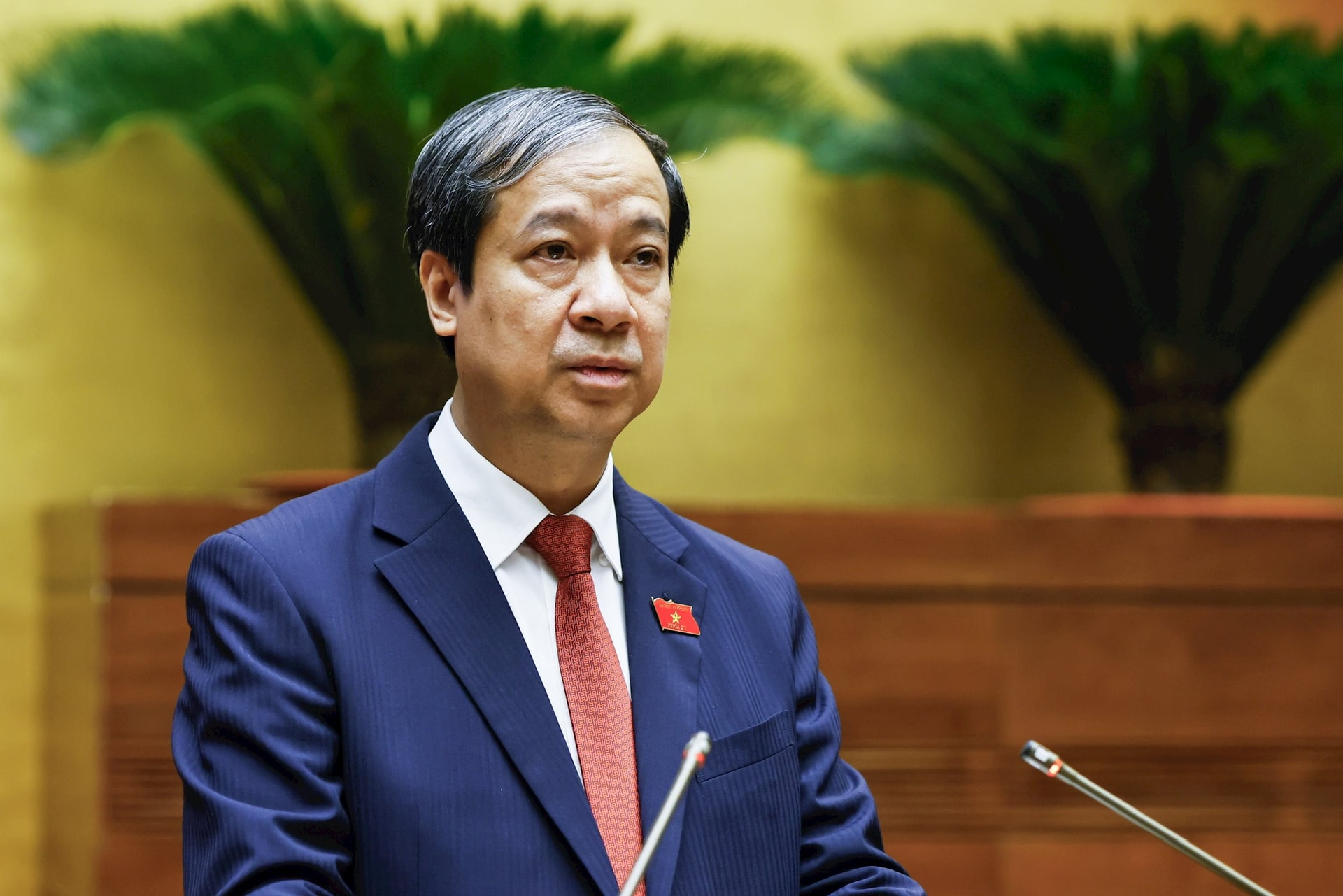
Teachers' salaries are ranked highest in the administrative and public service salary scale.
Mr. Son stated: The salary policy for teachers is prioritized. Specifically, the basic salary according to the teacher salary scale is ranked highest in the administrative and public service salary system. Teachers receive professional incentive allowances and other allowances depending on the nature of their work and region, as stipulated by law.
In addition, teachers will continue to receive seniority allowances until the salary policy under Resolution 27-NQ/TW is implemented. Preschool teachers; teachers working in particularly difficult areas, ethnic minority regions, mountainous areas, coastal areas, and islands; teachers in special schools and other specialized schools; teachers implementing inclusive education; teachers from ethnic minorities; and teachers in certain specialized professions will be given priority in receiving higher salaries and allowances compared to other teachers. Teachers recruited and assigned salaries for the first time will be promoted one salary level in the administrative and public service salary scale system.
“The State has a policy to attract highly qualified individuals, talented people, outstanding graduates, young scientists, and those with special aptitudes to participate in recruitment as teachers,” Mr. Son said, adding that the retirement age for teachers has its own regulations tailored to the characteristics of their profession. Specifically, teachers in preschools, if they so wish, can retire at a younger age, but not more than 5 years younger than the regulations, and their pension will not be reduced due to early retirement. Teachers with the titles of professor, associate professor, or doctoral degree, and teachers working in specialized fields, are entitled to a higher retirement age.
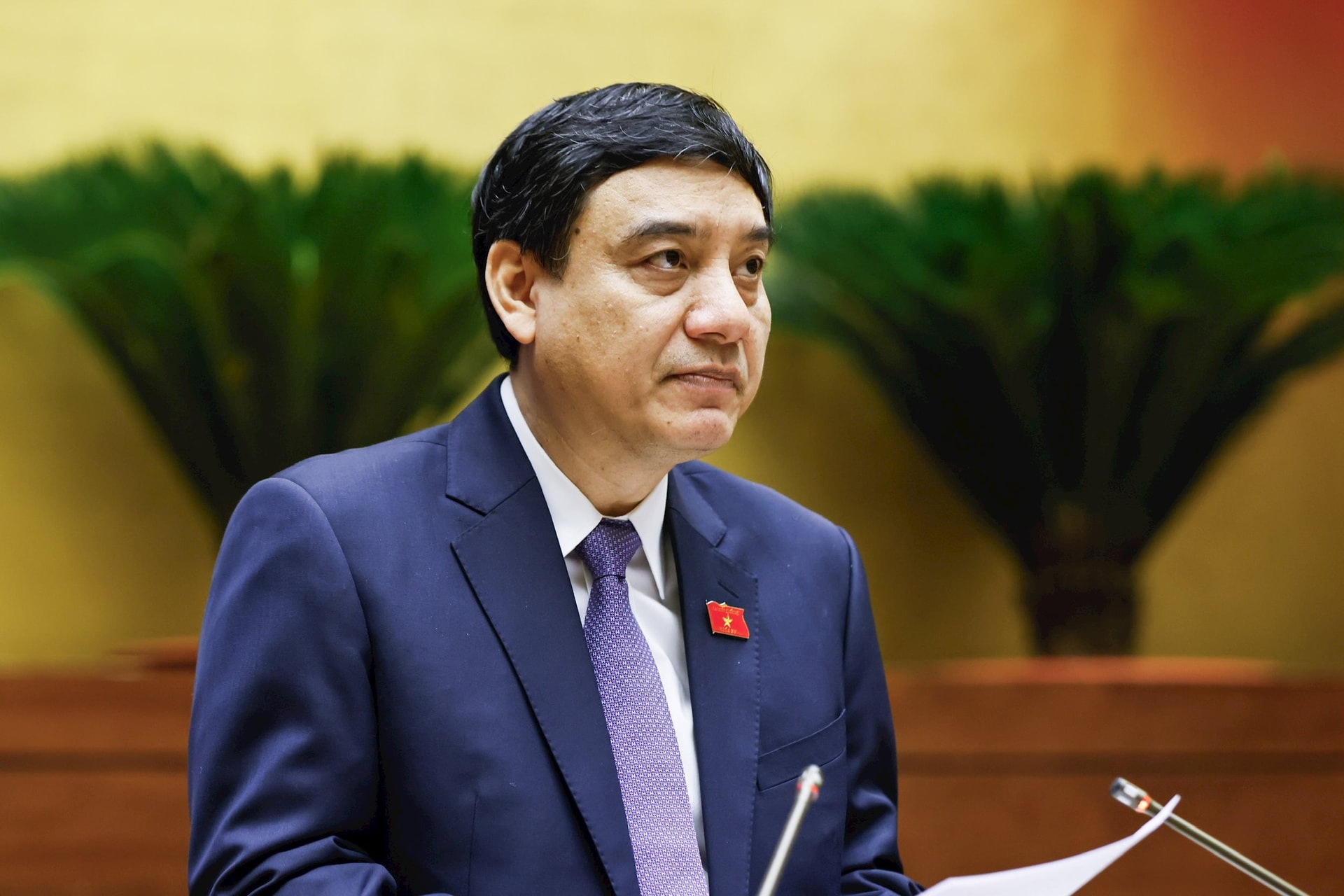
Reviewing the draft Law, Mr. Nguyen Dac Vinh, Chairman of the National Assembly's Committee on Culture and Education, stated that regarding salaries and allowances for teachers, the Committee agrees with the regulations in the draft Law and considers this an important and necessary content to promptly institutionalize the Party's guidelines, especially Conclusion No. 91-KL/TW dated August 12, 2024 of the Politburo and Resolution No. 29-NQ/TW dated November 4, 2013 of the 11th Central Committee. The Committee endorses the preferential policies, support, and incentives to attract teachers as stipulated in the draft Law.
However, according to Mr. Vinh, there are suggestions to study and implement the Party's Resolution on salary policy reform in accordance with its spirit. Consideration should be given to regulating salary policies for teachers in the non-public sector. The policy on renting public housing, already stipulated in the Housing Law, should not be reinstated; a thorough impact assessment should be conducted to ensure feasibility, especially regarding the resources needed, for the policy of providing collective housing for teachers working in rural areas.
Regarding the retirement scheme for teachers, the Committee agreed that teachers in preschools can retire at a younger age (no more than 5 years younger) than stipulated in the Labor Code and will not have their pension reduced for early retirement. However, some opinions suggested that a thorough assessment of the resources needed to ensure the implementation of this policy is necessary.
Source: https://daidoanket.vn/bo-truong-bo-giao-duc-va-dao-tao-nguyen-kim-son-thu-hut-nguoi-co-trinh-do-cao-tham-gia-tuyen-dung-lam-nha-giao-10294103.html













































































Comment (0)