

Mong Cai City possesses a rich and unique system of cultural heritage, ranging from tangible heritage such as communal houses, temples, and pagodas to intangible heritage such as beliefs, customs, rituals, and traditional folk art forms, contributing to the distinctive character of this border region of the country. Over the years, Mong Cai City has made many efforts to effectively preserve and promote the values of its cultural heritage.
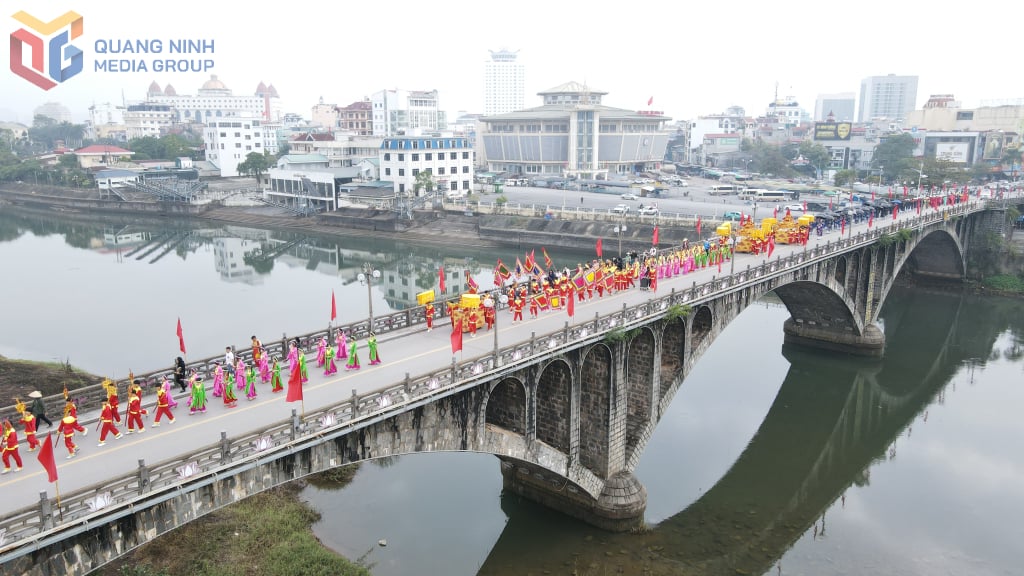
Mr. Do Van Tuan, Permanent Vice Chairman of the People's Committee of Mong Cai City, said: Currently, Mong Cai City has 59 historical and cultural relics and scenic spots, including 1 special national-ranked relic, 5 national-ranked relics, and 12 provincial-ranked historical relics. In addition, Mong Cai also has 40 intangible cultural heritage items that have been inventoried and classified, including 5 intangible cultural heritage items included in the National Intangible Cultural Heritage list.
The entire city has 10 individuals who have been awarded the title of "Outstanding Artisan" in the field of intangible cultural heritage. These heritages are considered enduring "cultural milestones," contributing to the affirmation of national territorial sovereignty and serving as a particularly valuable tourism resource, creating unique, attractive, and highly competitive tourism products. They are fundamental factors contributing to the sustainable development of the city's tourism industry.
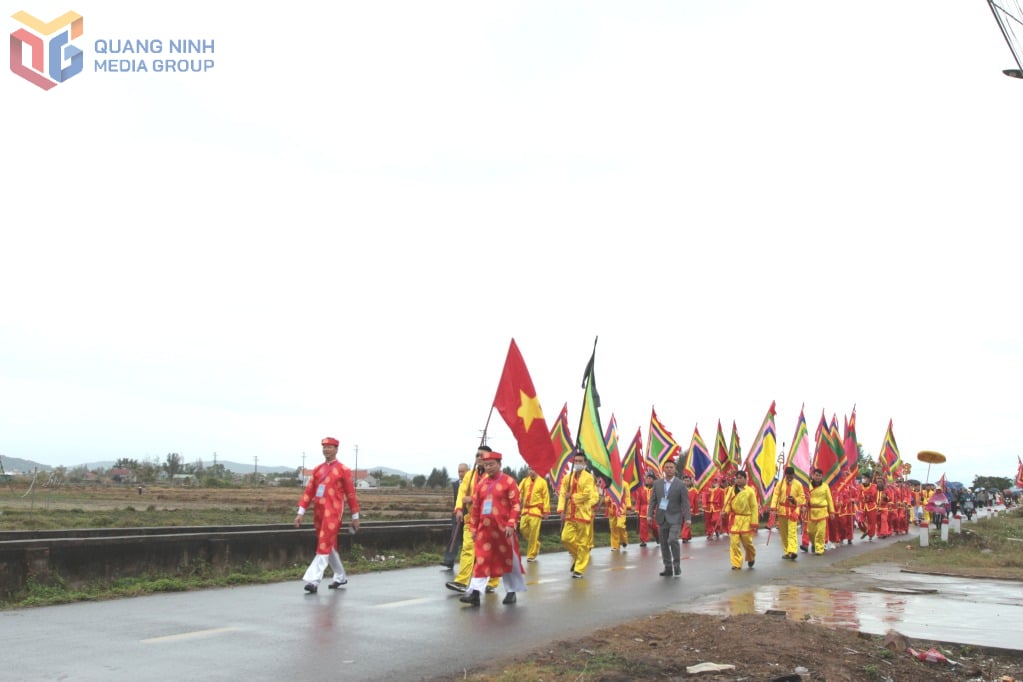
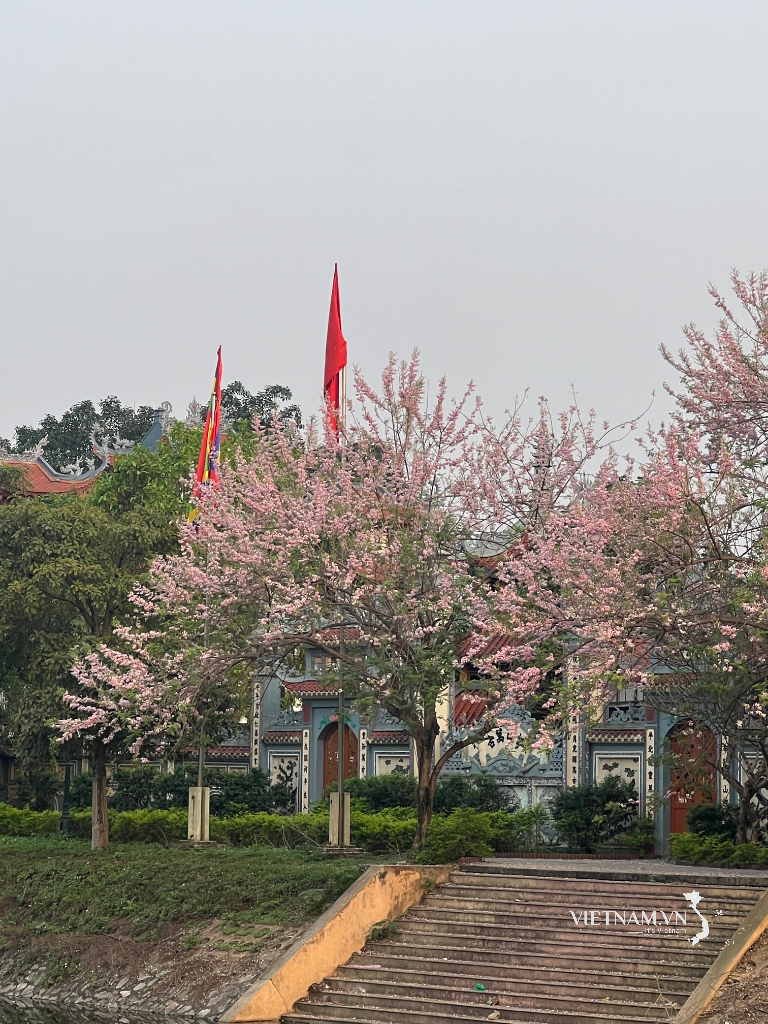
With its system of historical sites, scenic spots, temples, and shrines, Mong Cai City has become an unmissable spiritual tourism destination every spring. According to Mr. Do Van Tuan, the Xa Tac Altar and the Xa Tac sacrificial ceremony are unique cultural phenomena with profound humanistic significance, closely linked to the needs of the rice- farming agricultural community. This is also a cultural belief that has existed since ancient times in Vietnam, and was included as a major religious practice by feudal dynasties, with the chief officiant personally presiding over the ceremonies according to the spring and autumn rituals.
Throughout the stages of historical development and the practical demands of society, the Xa Tac worship ceremony has been expanded and performed in several localities. However, regardless of the scale, this ritual always aims at the national spirit, specifically the spirit of independence, self-reliance, and territorial integrity, along with organizing production to achieve bountiful harvests, peaceful , prosperous, and happy lives... This is one of the profound and enduring meanings associated with the Xa Tac worship custom in our country and is also the origin of the Xa Tac temple relic.
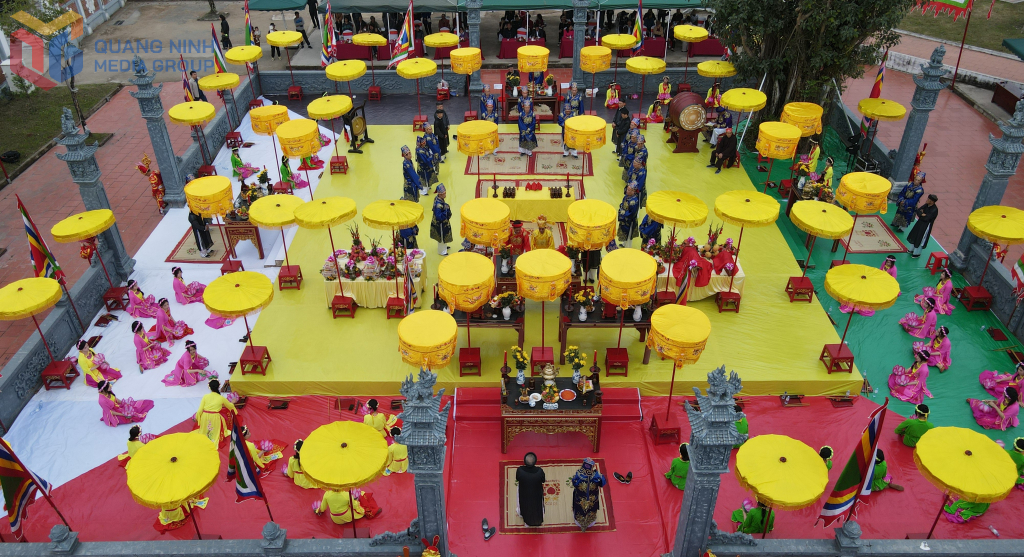
In Mong Cai, several annual festivals are held, including: Van Ninh Temple Festival, Lang Bau Temple Festival, Dan Tien Temple Festival, Xa Tac Temple Festival, Thanh Mau Temple Festival, Tra Co Temple Festival, Dong Thinh Temple Festival, Trang Vi Temple Festival, and Binh Ngoc Temple Festival. Along with these, the city of Mong Cai maintains and meticulously organizes these festivals, which are rich in cultural and historical significance, affirming its status as a "cultural landmark" on the border of the Fatherland.
The festivals are being revived to preserve, promote, and honor cultural and historical values; to meet the needs of religious and spiritual activities; to contribute to the education of traditions for the younger generation; and to enhance the responsibility of protecting, preserving, and promoting the value of the local traditional cultural heritage. Thanks to the well-organized festivals, the total number of tourists visiting Mong Cai in February 2025 is expected to reach over 180,000, an increase of over 12% compared to the same period; the cumulative total for the first two months of 2025 is expected to reach over 340,000, an increase of over 10% compared to the same period.
In the coming period, Mong Cai City will continue to promote propaganda and raise awareness about linking cultural heritage with socio-economic development, and fostering friendly, generous, and compassionate Mong Cai people. At the same time, Mong Cai City will actively promote, educate, and mobilize the people to raise awareness of protecting cultural heritage and create conditions for tourism development, building a suitable cultural tourism development strategy.
Pham Hoc
Source












![[Photo] Prime Minister Pham Minh Chinh holds a phone call with the CEO of Russia's Rosatom Corporation.](/_next/image?url=https%3A%2F%2Fvphoto.vietnam.vn%2Fthumb%2F1200x675%2Fvietnam%2Fresource%2FIMAGE%2F2025%2F12%2F11%2F1765464552365_dsc-5295-jpg.webp&w=3840&q=75)












































Comment (0)