

China proposes cutting steel production.
This is the first time China's National Development and Reform Commission has proposed cutting steel production in its plans. Meanwhile, steel exports from China reached approximately 110 million tons in 2024, the highest level in nine years.
Although Beijing has implemented several measures to reduce steel production in order to cut carbon emissions, annual steel output remains above one billion tons.
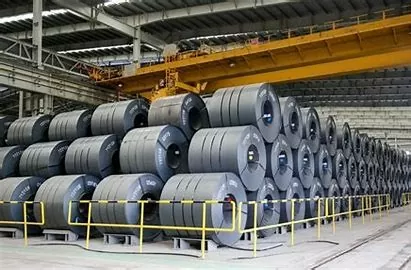 |
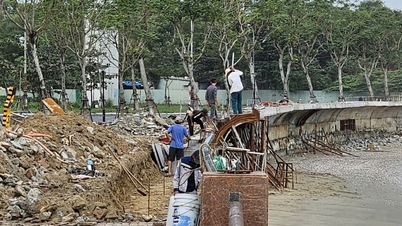
| Steel exports from China reached approximately 110 million tons in 2024, the highest level in nine years. (Illustrative image) |
According to an official report, the Chinese government will now focus on implementing measures to address structural issues in key industries and halt the competitive race through industrial restructuring. However, the specific amount of steel that the Chinese government intends to cut has not yet been announced. Many believe that China's new move could benefit not only domestic steel producers but also international markets.
Specifically, firstly, it reduces competitive pressure from cheap steel. If China's steel production decreases, Vietnam will have the opportunity to maintain and develop its domestic steel market without facing excessive competition from cheap Chinese steel.
Secondly, China's restructuring policy may lead to an increase in the production of high-quality steel, rather than cheap, low-quality steel. This could open opportunities for Vietnamese steel producers, especially those capable of producing high-quality steel, to increase exports and compete in the international market. Markets demanding high-quality steel, such as large infrastructure construction projects, could present a significant opportunity for the Vietnamese steel industry.
Thirdly, increasing exports to new markets: China's reduction in steel production will create gaps in export markets, especially in countries experiencing steel supply shortages. Vietnam can take advantage of this opportunity to expand its steel market share in Asian, European, and American markets. This will also help Vietnam improve its trade balance in the steel industry.
Besides the advantages, the Vietnamese steel industry also faces potential challenges. Specifically, the decrease in demand for iron ore and its impact on raw materials for production. One of the major risks from this move by China is the decline in demand for iron ore, a crucial raw material for steel production. According to forecasts, if China's steel production decreases by about 50 million tons, global iron ore demand could fall by about 1%. This could affect Vietnam's iron ore mining industry, especially since Vietnam is one of the major iron ore exporters. The decrease in iron ore prices could also impact the revenue of domestic mining and steel production companies.
| China's reduction in crude steel production is a bold move that could present both opportunities and risks for Vietnam's steel industry. To maximize opportunities and minimize risks, Vietnamese steel producers need to continue improving technology, enhancing product quality, and diversifying export markets. |





































































Comment (0)