

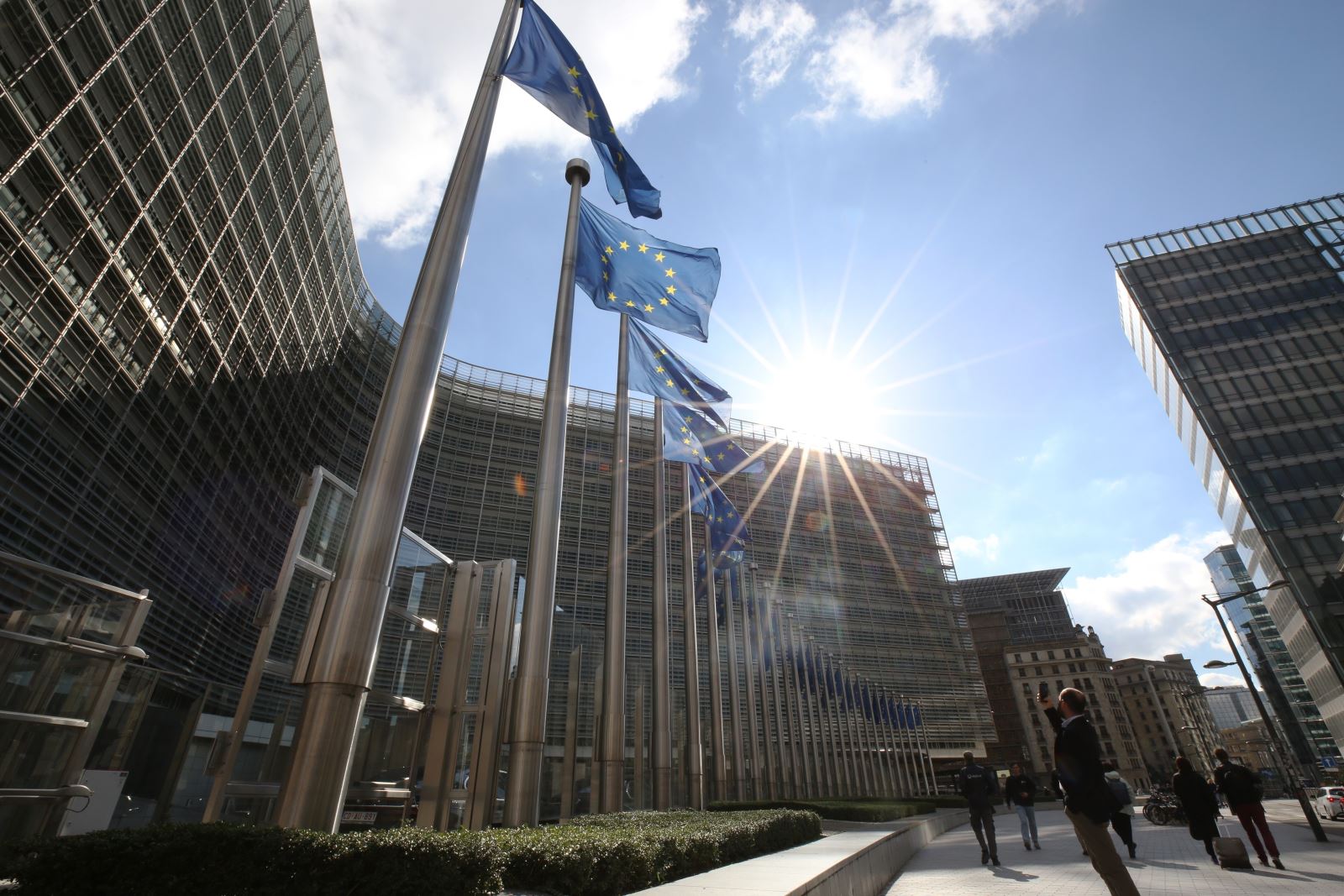
According to the EUToday news site, the European Commission has just proposed a new economic and trade security doctrine to protect the common market from foreign threats, in which China is placed at the center of risk assessment.
The doctrine, presented in Brussels this week, is designed to foresee measures such as restrictions on exports of critical materials and strategic investment in infrastructure, rather than reacting after disruptions have occurred.
The doctrine builds on the European Economic Security Strategy 2023 and the first economic security package announced in January 2024, focusing on stricter screening of foreign direct investment, closer coordination on export controls and an initial exploration of screening of foreign investment in sensitive technologies.
The new measures include faster and more aggressive use of trade defence instruments, including anti-dumping and anti-subsidy duties. The European Commission (EC) also proposed tighter controls on foreign investment and access to public tenders in sectors such as semiconductors, batteries, defence, space and advanced digital technologies , along with support for companies to diversify away from high-risk suppliers.
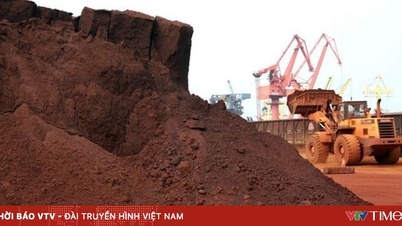
China is not explicitly mentioned in the legal texts, which have yet to name a specific country, but recent EC documents and speeches have highlighted China’s export controls on rare earths and other key inputs, as well as industrial overcapacity in areas such as electric vehicles and solar equipment. EU Trade Commissioner Maroš Šefčovič has presented the doctrine as a move towards systematically identifying and managing security risks in supply chains before crises occur.
The response from businesses has been cautious. BusinessEurope, which represents national industry federations, welcomed the Commission’s clearer approach to its economic security strategy, but stressed that controls must be targeted, predictable and in line with the EU’s commitment to open markets and WTO rules. Major manufacturers remain heavily dependent on the Chinese market, both as a destination and a source of components.
Surveys show that European companies operating in China are adapting to the more restrictive environment created by Beijing’s measures. A snap poll by the EU Chamber of Commerce in China found that about a third of the companies surveyed plan to build manufacturing capacity outside China, as they face delays in export licensing and uncertainty about China’s export controls on key inputs. Meanwhile, Chinese investors and subsidiaries in Europe have warned that “overemphasis” on security risks could deter investment and fragment supply chains.
The EU’s new doctrine officially advocates a policy of “de-risking, not decoupling” from China. An analysis for the European Parliament this year described de-risking as balancing the economic costs of supply chain restructuring against perceived security benefits, rather than a move to cut ties entirely. In reality, EU member states have varying degrees of readiness.
Germany, France, and Italy illustrate these differences. Germany has adopted a national China strategy built on de-risking key sectors and tighter investment screening, while major industrial groups continue to localize production “in China, for China.” France has pushed a more assertive economic security agenda under the banner of “strategic autonomy,” including tighter protections for key technologies and infrastructure.
Italy, after withdrawing from China's Belt and Road Initiative, has stepped up screening of Chinese acquisitions but is looking for ways to protect exports that are more in line with EU and US security concerns.
The interaction between the new doctrine and the EU’s WTO commitments is likely to be closely scrutinized. EC Trade officials stressed that the measures would be risk-based, proportionate and subject to challenge, and that the EU remains committed to multilateral trade rules even if armed with more powerful tools. Some legal experts pointed to the risk that local content requirements and preferential treatment for EU-based suppliers in public tenders could trigger WTO disputes or retaliation from affected partners, including China.
For the EC, the doctrine is presented as the next step in an economic security agenda that has accelerated since the outbreak of the Russia-Ukraine conflict and a series of Chinese export restrictions. The impact will depend on how the 27 member states translate the common principles into national screening regimes and how well businesses assess the new controls as manageable.
Source: https://baotintuc.vn/the-gioi/trung-quoc-thanh-tam-diem-trong-hoc-thuyet-kinh-te-moi-cua-eu-20251206152205803.htm

![[Photo] 60th Anniversary of the Founding of the Vietnam Association of Photographic Artists](/_next/image?url=https%3A%2F%2Fvphoto.vietnam.vn%2Fthumb%2F1200x675%2Fvietnam%2Fresource%2FIMAGE%2F2025%2F12%2F05%2F1764935864512_a1-bnd-0841-9740-jpg.webp&w=3840&q=75)
![[Photo] National Assembly Chairman Tran Thanh Man attends the VinFuture 2025 Award Ceremony](/_next/image?url=https%3A%2F%2Fvphoto.vietnam.vn%2Fthumb%2F1200x675%2Fvietnam%2Fresource%2FIMAGE%2F2025%2F12%2F05%2F1764951162416_2628509768338816493-6995-jpg.webp&w=3840&q=75)


































































Comment (0)