

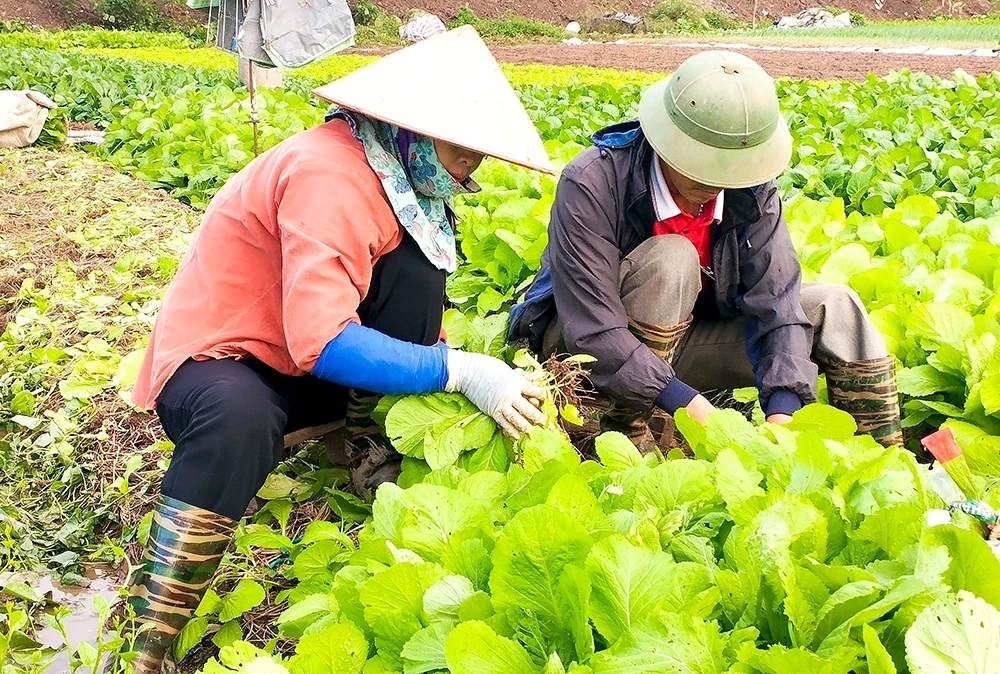
Converting rice paddies with limited water resources to vegetable cultivation helps reduce fallow land, provides a stable source of income for farmers, and fulfills the planned production targets.
Identifying difficulties
After planting over 6 sao (approximately 0.6 hectares) of rice, Ms. Phan Thi Thu's family in Dao Xa commune proactively dredged small ditches to channel and drain water from the upstream canal into their rice fields. This ensured proper drainage and maintained sufficient water levels for the rice to grow. Ms. Thu shared: "In the last 5-6 years, I've never seen such erratic weather at the beginning of the rice season. Heavy rains for a few days are followed by intense sunshine, significantly impacting the growth and development of the rice plants. Therefore, my family has to constantly monitor the fields to drain excess water during heavy rains, ensuring sufficient water for the rice to thrive. We also apply topdressing and base fertilizers according to the instructions of the commune's agricultural extension team."
According to the National Center for Hydro-Meteorological Forecasting, average rainfall has been 20-40% higher than in recent years since the beginning of the year. Forecasts indicate that 8-10 typhoons will make landfall between now and the end of October, with approximately 4-5 of them affecting the northern mountainous and midland regions. This poses a significant risk to crop production, especially during the final stages of the season, leading to negative impacts on overall yield and production. The average temperature from the beginning of the season until now has been higher than the average of the past 5 years by 0.2-2 ° C. In addition, the short transition period from the winter-spring crop to the summer crop means that residual pests and diseases in the soil will be high, especially the two-spotted stem borer, various types of planthoppers, rats, bacterial blight, bacterial leaf streak, and black stripe dwarf disease. Rice weeds, in particular, are proliferating and causing significant damage; if not dealt with promptly and decisively, they will continue to spread, affecting not only the yield but also the quality of the summer rice crop.
Despite directives from the Provincial People's Committee and the Department of Agriculture and Environment regarding the summer crop production, aiming to complete the set plan and minimize abandoned fields and crops, in reality, abandoning fields and crops still occurs in many localities. According to many farmers, summer crop production is easily affected by natural disasters and pests, leading to increased production costs and resulting in no profit for farmers.
Furthermore, in recent years, the prices of agricultural inputs such as seeds, fertilizers, and pesticides have remained high, while the price of commercial rice has not increased, discouraging farmers from investing in production. Simultaneously, the cost of renting machinery for production has increased by 20-30% compared to five years ago. Meanwhile, the growing shortage of rural labor also significantly impacts production progress.
According to the plan, the total area for the summer crop production in the entire province after the merger will increase to approximately 72,500 hectares of rice, nearly 19,000 hectares of corn, over 13,500 hectares of various green vegetables, over 1,200 hectares of sweet potatoes, and nearly 1,500 hectares of peanuts... The province has also established many concentrated production areas for high-value economic crops such as rice, high-quality green tea; citrus fruits, dragon fruit, bananas... and is gradually building highly effective organic production models, granting planting area codes... thereby expanding them to help farmers increase profits, confidently invest in changing the crop structure in difficult-to-produce areas, and ensure high results for the summer-autumn crop production.
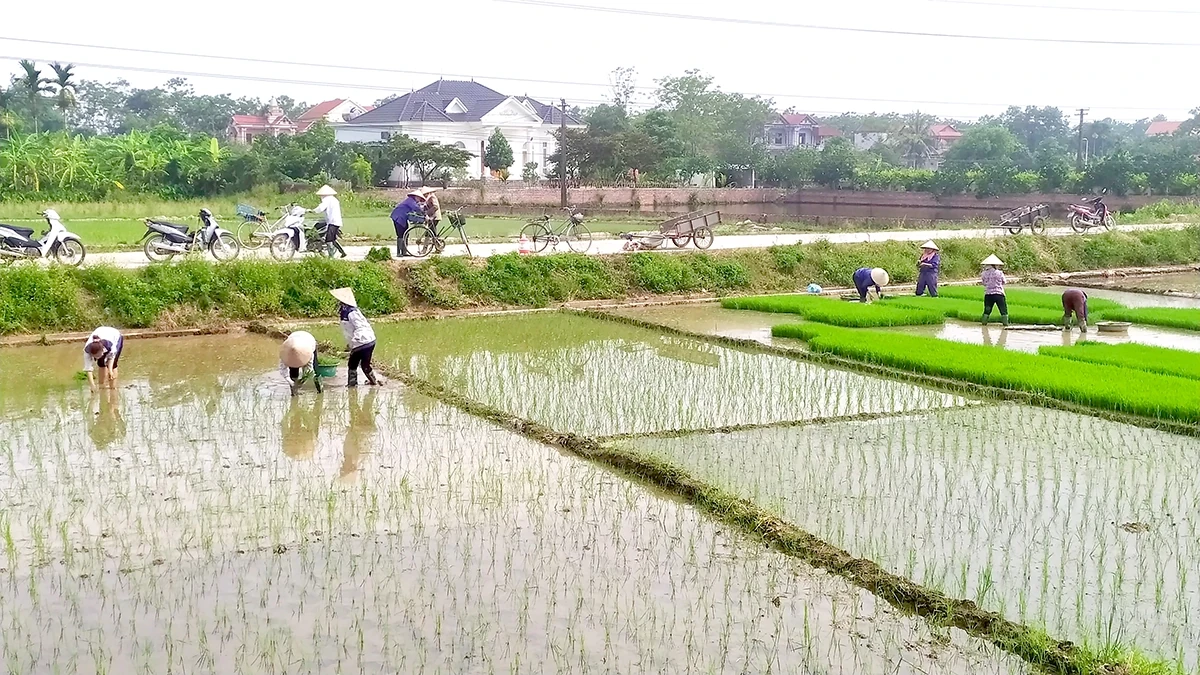
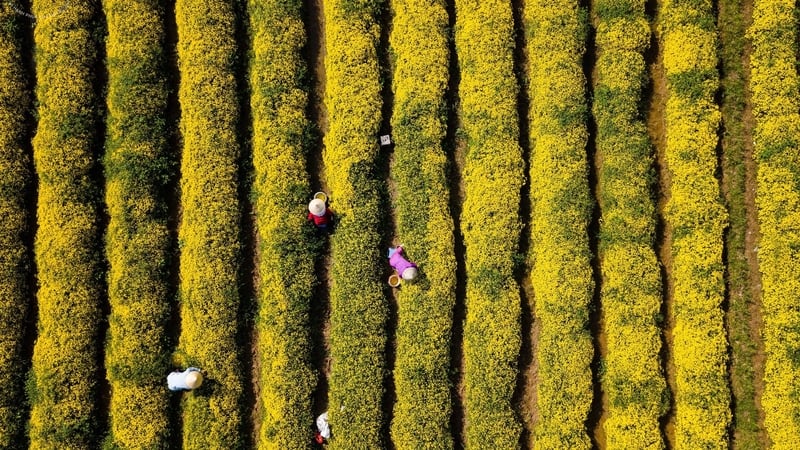
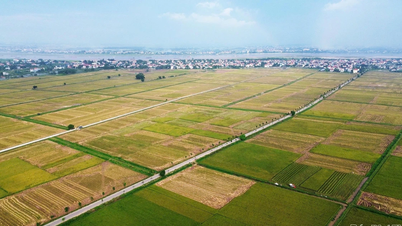
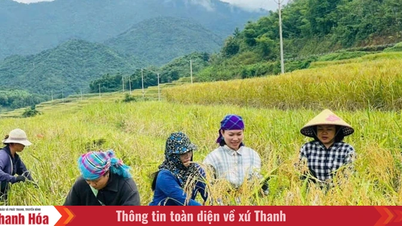
Farmers in Phung Nguyen commune are focusing on planting the summer rice crop.
Proactive response measures
Anticipating potential difficulties and developing flexible response plans tailored to the practical situation is the top priority to ensure that the summer crop production meets the set plan and achieves high efficiency.
Mr. Dang Nguyen Trung Vuong, Head of the Technical and Professional Department of the Crop Production and Plant Protection Sub-Department, Department of Agriculture and Environment, stated: The Department has coordinated with localities to develop plans and organize the implementation of crop restructuring and seasonal crop rotation on rice-growing land, especially in areas with low production efficiency, areas at high risk of drought, and areas without water for production throughout the season, in accordance with the planning, plans, and specific conditions of the localities, minimizing the area of unproductive land from the beginning of the season. At the same time, farmers are encouraged to expand the application of scientific and technical advancements in production such as: Integrated Crop Health Management (IPHM), Good Agricultural Practices (GAP), Improved Rice Intensification System (SRI), organic farming, high-tech applications, low-emission rice production, and the use of microbial preparations to treat rice stubble to prevent organic poisoning... ensuring sustainable, efficient, high-quality, and safe food production.
In addition, the Sub-Department also requested communes to direct specialized agencies to strengthen inspection and quality control of seeds, fertilizers, and pesticides in their areas, and to strictly handle, in accordance with the law, cases of supplying substandard materials to protect the rights of farmers and ensure production efficiency. They should also promote guidance, propaganda, and support for organizations and individuals in developing production towards the formation of concentrated, standardized growing areas and the issuance of growing area codes as prescribed. Furthermore, they should diversify sales channels, promote advertising, and effectively utilize online sales and e-commerce platforms to connect, introduce, promote, and sell products. Finally, they should encourage and invite businesses and cooperatives to strengthen connections to form and expand models of agricultural production linkages and product procurement. Simultaneously, promote increased responsibility in maintaining and expanding linkages to improve production efficiency, increase people's income, and ensure sustainable development. Strengthen field inspection and monitoring, effectively carry out tasks of investigation, detection, forecasting, and directing pest control, paying particular attention to pests such as: rice leaf roller, rats, etc., on rice plants, fall armyworm on corn plants, etc., to promptly detect and handle them, preventing widespread outbreaks that affect overall crop yields.
Phan Cuong
Source: https://baophutho.vn/ung-pho-voi-kho-khan-trong-san-xuat-vu-mua-235904.htm































































Comment (0)