

SGGPO
On the afternoon of September 28th, the Plant Protection Department (Ministry of Agriculture and Rural Development) organized a conference to disseminate legal regulations on plant quarantine for import and export and propose solutions to overcome challenges, thereby facilitating the import and export of plant-derived goods.
According to the Plant Protection Department, in the first eight months of 2023, the export value of fruits and vegetables increased by more than 57% compared to the same period last year, reaching US$3.45 billion, and it is projected that fruit and vegetable exports in 2023 will reach US$5 billion.
Currently, in the field of plant quarantine, the system of legal documents, standards, and regulations on plant quarantine has been basically completed, harmonized with international practices, and suitable for Vietnam's production conditions.
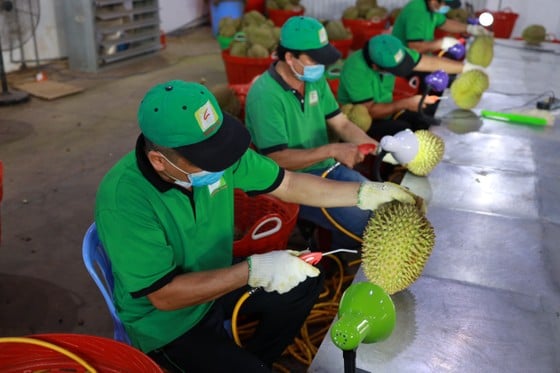 |
Fresh agricultural products for export require a phytosanitary certificate. |
In response to the demand for accelerated market opening, Mr. Huynh Tan Dat, Director of the Plant Protection Department, stated that the department will continue to clarify key aspects of plant quarantine work, such as inspecting and quarantining exported goods; issuing various types of plant quarantine certificates for export and re-export; issuing food safety notices for exported goods of plant origin; controlling the export of rare plant species; preventing the export of shipments that do not meet the plant quarantine regulations of importing countries; and supporting the expedited export procedures for eligible goods.
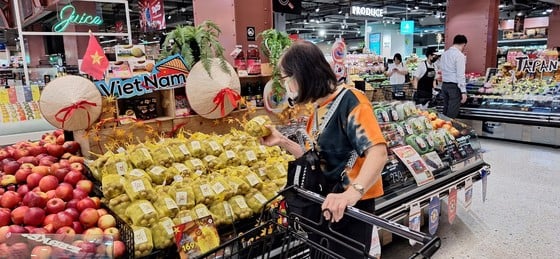 |
Many countries require phytosanitary certificates for agricultural exports. |
Specifically, issuing plant quarantine certificates for export or re-export requires checking the validity of the growing area code, the packing facility, and verifying compliance with the conditions for certificate issuance.
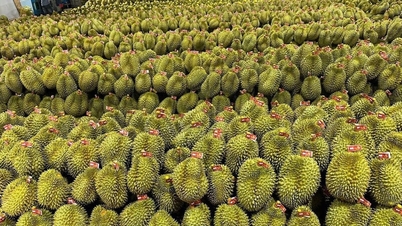
According to international practice, fresh fruits and vegetables such as dragon fruit, longan, lychee, mango, rambutan, star apple, lemon, pomelo, mangosteen, watermelon, jackfruit, banana, black jelly, and sweet potatoes exported to markets such as China, the United States, Australia, New Zealand, South Korea, Japan, the EU, and Thailand require phytosanitary certificates to ensure compliance with phytosanitary regulations, food safety, and traceability.
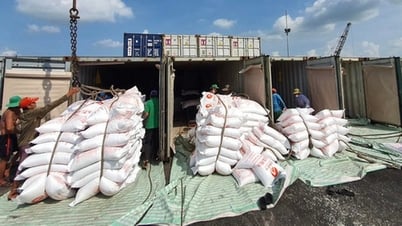
Regarding plant quarantine for imported goods, it is necessary to comply with regulations and procedures for plant quarantine, food safety of imported goods of plant origin, quality of imported animal feed, and issuance of transit plant quarantine certificates, etc.
Source



































































Comment (0)