

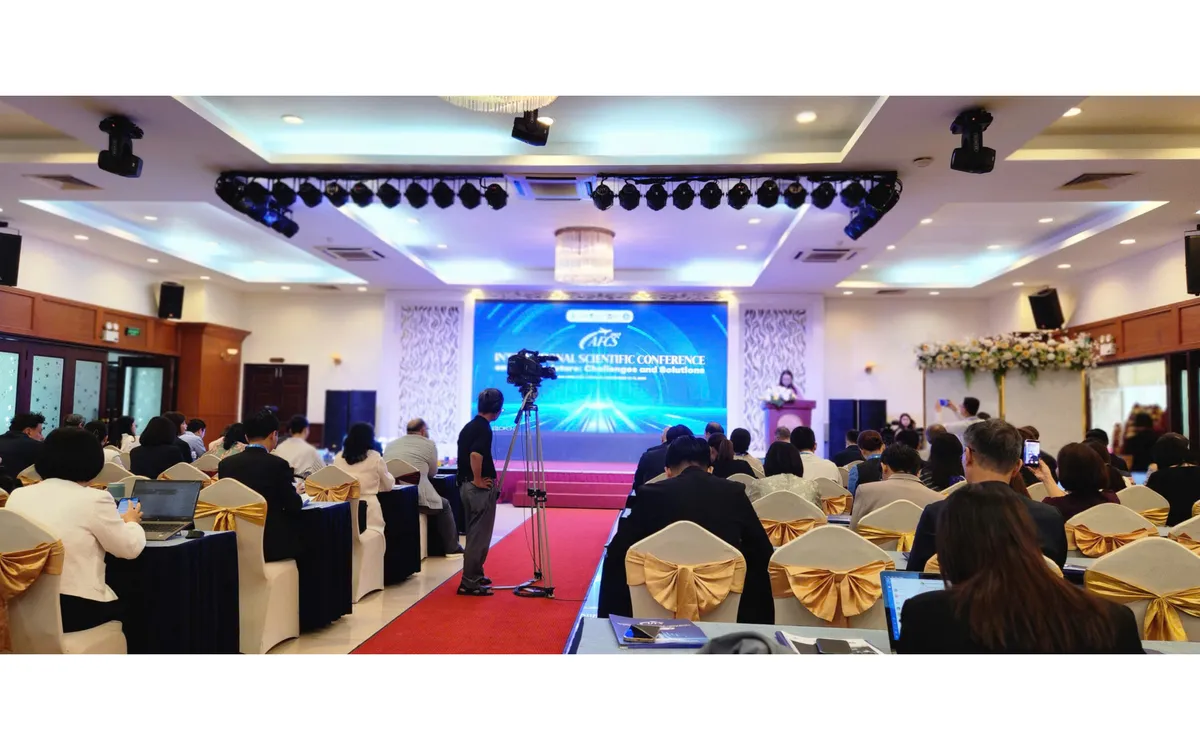
AFCS 2025: Addressing 5 Major Challenges for Sustainable Aviation Development
On the morning of December 10th, in Ho Chi Minh City, the 3rd International Conference on the Future of Aviation (AFCS 2025) officially opened, bringing together hundreds of global experts and managers to address the challenging question: How can the aviation industry achieve strong growth while ensuring greening and absolute safety?
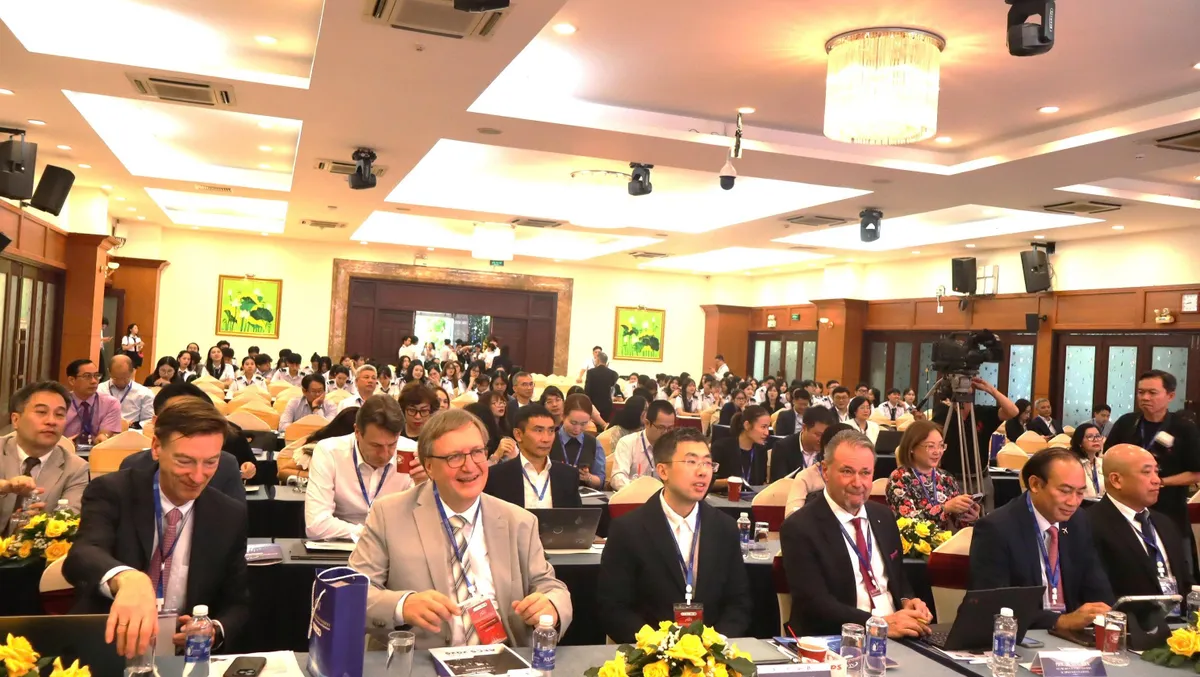
The conference attracted more than 100 scientists and experts from countries with developed aerospace industries.
The event was organized by the Vietnam Aviation Academy (VAA) in collaboration with prestigious international partners such as Worms University of Applied Sciences (Germany), Singapore Institute of Technology (SIT), Piri Reis Maritime University (Turkey), and the International Association for Sustainable Energy and Aviation Research (SARES). With the theme "The Future of Aviation: Challenges and Solutions," the conference attracted over 100 scientists and experts from countries with developed aviation industries such as the USA, Germany, Singapore, Japan, Canada, Australia, etc., and featured over 120 scientific papers.
Pressure from a "miracle" recovery.
In the post-pandemic era, the aviation industry is witnessing a strong recovery, but this is accompanied by numerous challenges regarding infrastructure and human resources.
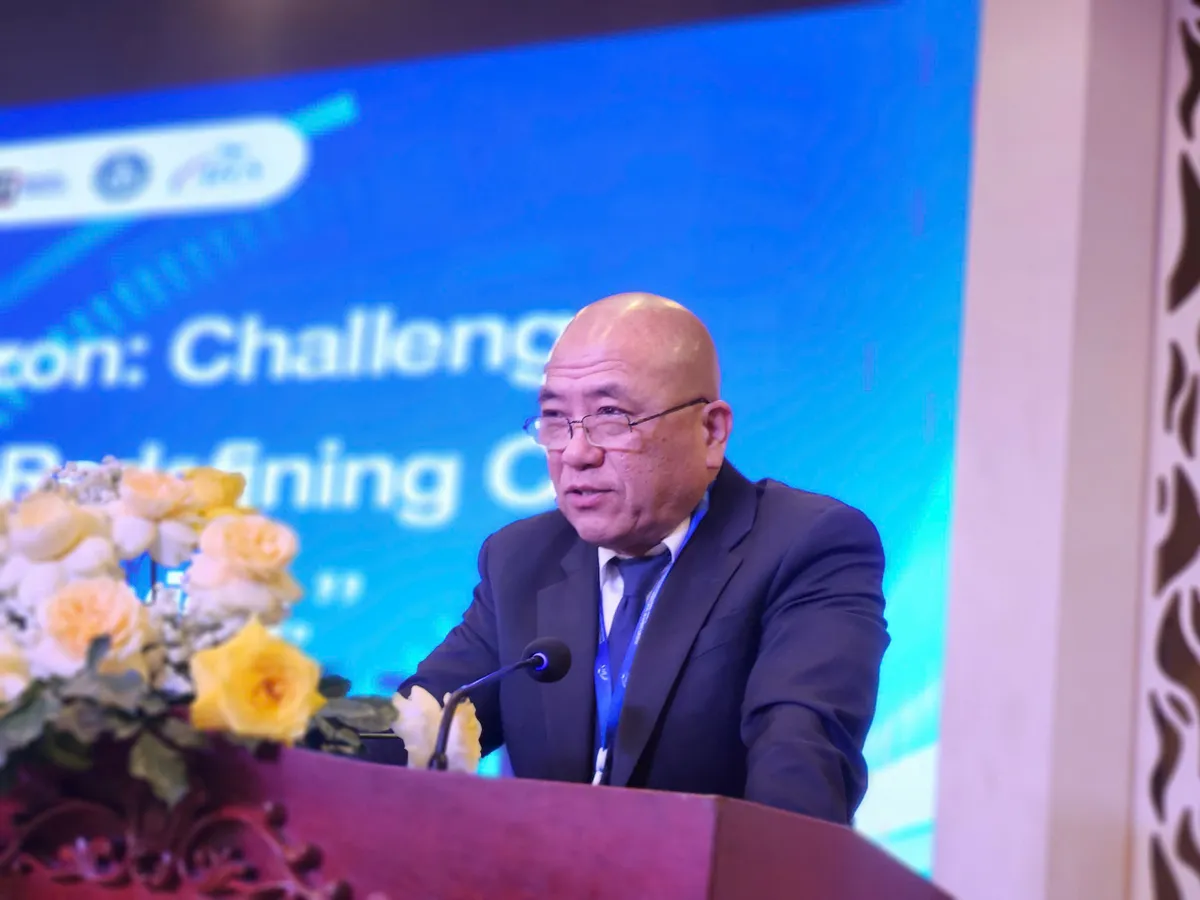
Mr. Ho Minh Tan, Deputy Director of the Vietnam Civil Aviation Authority, delivered a speech at the conference.
Speaking at the conference, Mr. Ho Minh Tan, Deputy Director of the Civil Aviation Authority of Vietnam, stated that Vietnam is among the fastest recovering countries in the world . "Vietnam is expected to reach 300 million passengers by 2030, creating significant pressure on infrastructure, airspace, and ground operations," Mr. Tan analyzed. To meet this demand, Vietnam is accelerating the planning of a network of 30 airports, with the Long Thanh airport project playing a key role.
However, "open skies" also brings new risks. Leaders of the Civil Aviation Authority have pointed out five major challenges shaping the industry today, including the increasing complexity of airspace due to the emergence of unmanned aerial vehicles (UAVs) and urban traffic; cybersecurity risks; pressure for a green transition (Net Zero 2050); a shortage of highly skilled technical personnel; and unpredictable geopolitical shifts.
Emphasizing the message of collaboration, Mr. Ho Minh Tan shared: "When the skies are full of uncertainty, no nation can fly alone. Cooperation between the Government, businesses, and academia is the key to a sustainable future."
Green transformation and digital technology: An irreversible trend.
Besides the growth narrative, "greening" and "digitalization" were the hottest keywords at AFCS 2025. Conference presentations focused in depth on emission reduction solutions, sustainable aviation fuels (SAF), artificial intelligence (AI) in flight operations, and energy-efficient aerodynamic design.
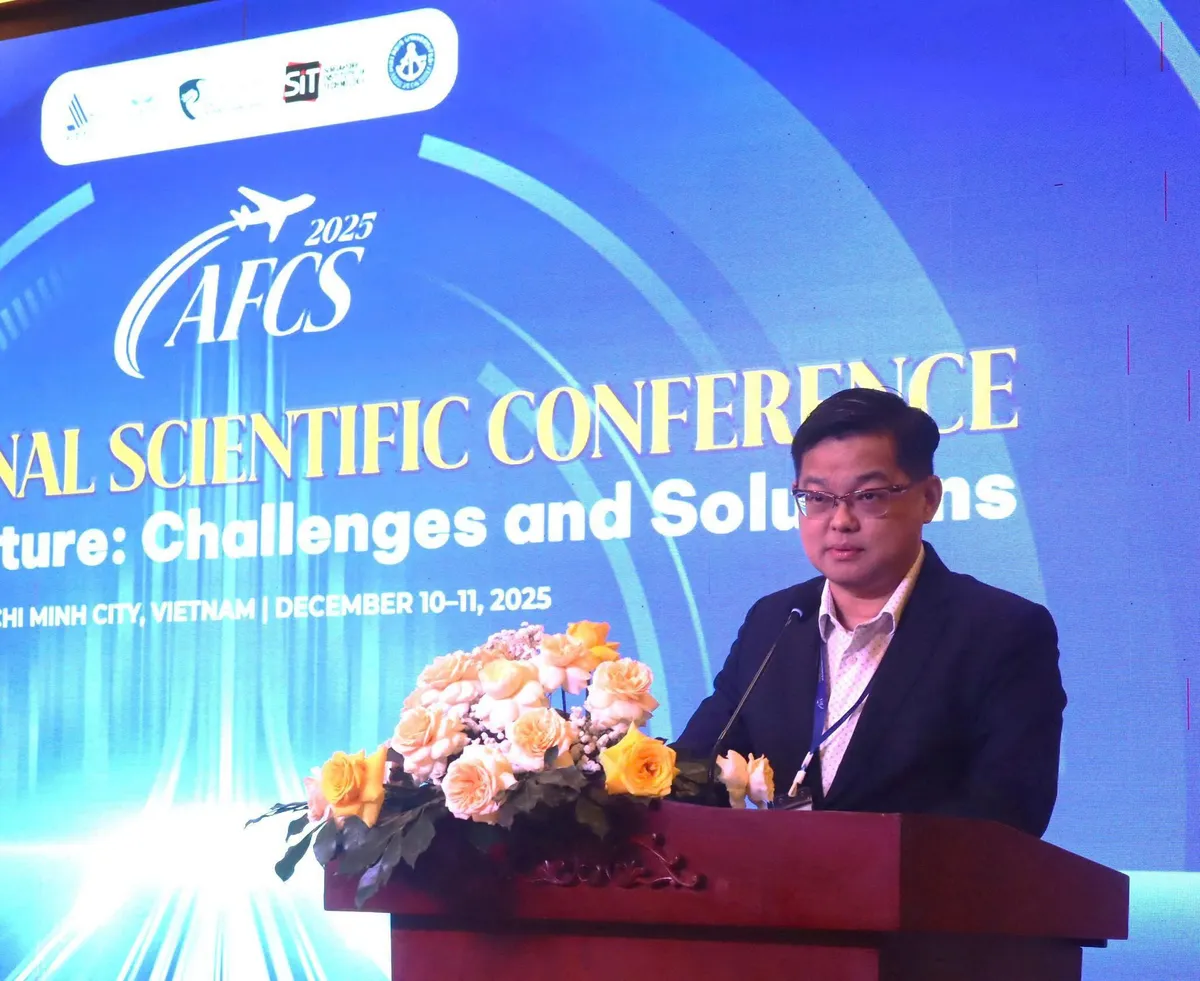
Associate Professor SzeKee Koh from the Singapore Institute of Technology (SIT) shared at the conference.
Sharing experiences from neighboring countries, Associate Professor SzeKee Koh from the Singapore Institute of Technology (SIT) stated that Singapore is investing heavily in automation at Changi Airport's Terminal 5. In particular, the country has implemented a mandatory roadmap for the use of sustainable fuels.
"This country will mandate the use of sustainable aviation fuel (SAF) from 2026 at a minimum of 1%, progressing to 3-5% by 2030. AI will play a key role in virtual control towers and smart airport management, optimizing operational capacity," Associate Professor SzeKee Koh emphasized.
From a technical perspective, Professor Nafiz Arica, Rector of Piri Reis Maritime University (Türkiye), proposed a unique interdisciplinary approach between maritime and aviation, focusing on hydrogen fuel cell research and structural optimization to achieve the highest energy efficiency.
The pioneering role of higher education
AFCS 2025 is not only a forum for managers but also affirms the leading role of training institutions in providing high-quality human resources for the new era.
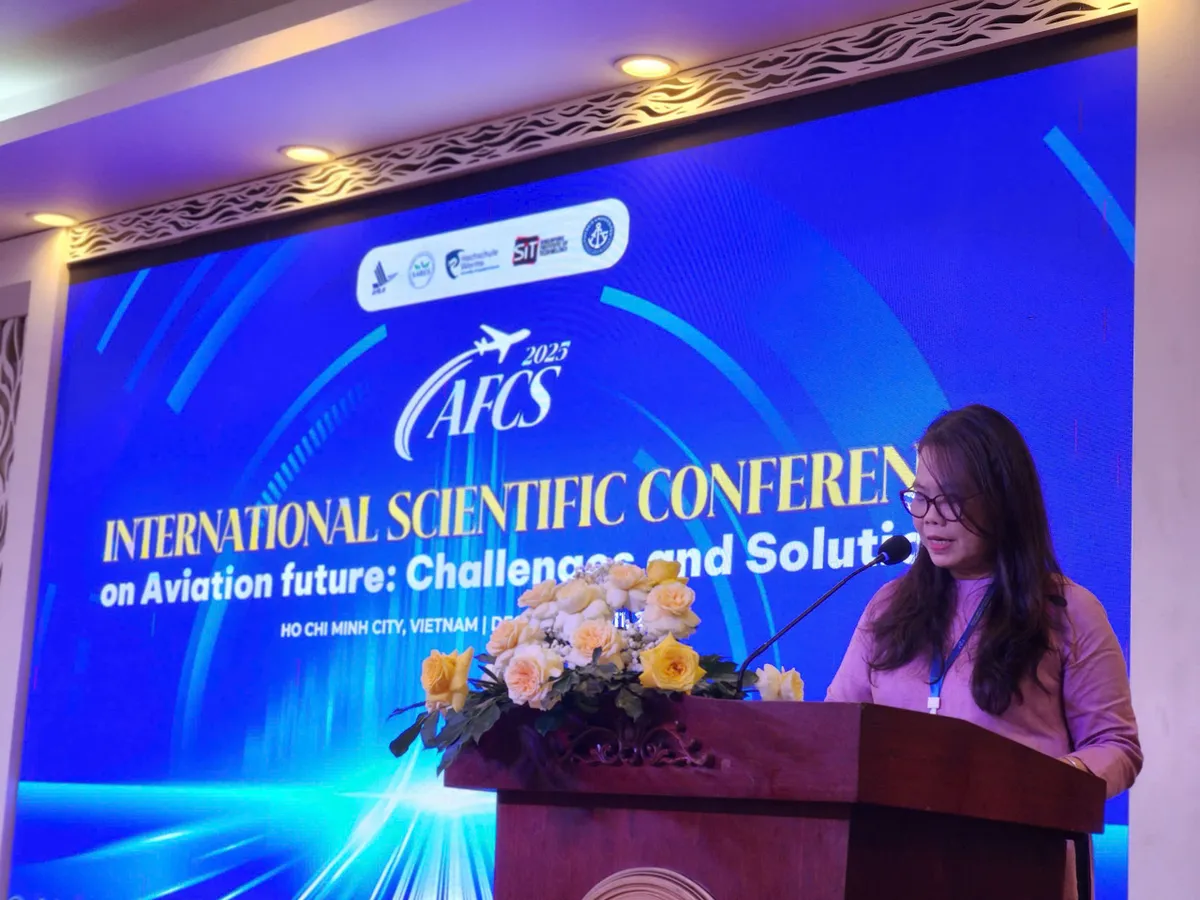
Dr. Nguyen Thi Hai Hang, Director of the Vietnam Aviation Academy.
Dr. Nguyen Thi Hai Hang, Director of the Vietnam Aviation Academy, affirmed that the progress of the industry does not come from isolated efforts. "Aviation progress does not come from individual efforts but from cross-border, cross-sectoral, and cross-generational cooperation. VAA is committed to promoting research and connecting global knowledge to support the next generation of aviation leaders," Dr. Hang stated.
The AFCS 2025 conference will continue until December 11th with 40 subcommittee sessions focusing on in-depth discussions of technology, air traffic management, transport economics, and passenger experience. This is expected to be a bridge to promote technology transfer and the formation of interdisciplinary research groups, helping Vietnam avoid being left behind in the global aviation race.
Source: https://vtv.vn/afcs-2025-hoa-giai-5-thach-thuc-lon-de-nganh-hang-khong-phat-trien-ben-vung-100251210153354019.htm

![[Photo] Prime Minister Pham Minh Chinh holds a phone call with the CEO of Russia's Rosatom Corporation.](/_next/image?url=https%3A%2F%2Fvphoto.vietnam.vn%2Fthumb%2F1200x675%2Fvietnam%2Fresource%2FIMAGE%2F2025%2F12%2F11%2F1765464552365_dsc-5295-jpg.webp&w=3840&q=75)

![[Photo] Closing Ceremony of the 10th Session of the 15th National Assembly](/_next/image?url=https%3A%2F%2Fvphoto.vietnam.vn%2Fthumb%2F1200x675%2Fvietnam%2Fresource%2FIMAGE%2F2025%2F12%2F11%2F1765448959967_image-1437-jpg.webp&w=3840&q=75)









































![[OFFICIAL] MISA GROUP ANNOUNCES ITS PIONEERING BRAND POSITIONING IN BUILDING AGENTIC AI FOR BUSINESSES, HOUSEHOLDS, AND THE GOVERNMENT](https://vphoto.vietnam.vn/thumb/402x226/vietnam/resource/IMAGE/2025/12/11/1765444754256_agentic-ai_postfb-scaled.png)











































Comment (0)