

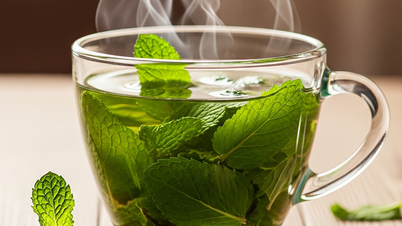
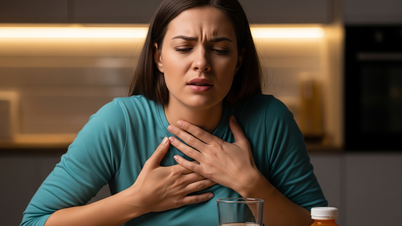
Limit spicy, hot foods, coffee or carbonated drinks, divide your meals into many small meals and don't eat too much at each meal... are ways to reduce stomach and esophageal reflux during Tet.
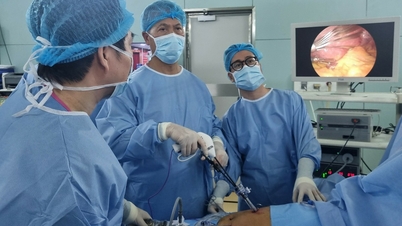
Dr. Tran Duc Canh, from the Endoscopy and Functional Examination Department at K Central Hospital, said that for people with gastroesophageal reflux disease, in addition to medication, a suitable diet is necessary, especially during the Lunar New Year holiday when people tend to overeat and lose control.
Here are some dietary considerations for people with gastroesophageal reflux disease (GERD):
Limit your intake of sour, spicy, hot, and hard-to-digest foods.
For patients with gastroesophageal reflux disease, the stomach is more sensitive to food than normal. You should avoid consuming certain spicy foods such as chili peppers, kimchi, alcoholic beverages, sour foods (high in acidity) such as oranges, lemons, grapefruits, sour soups; foods that are difficult to digest such as fried foods high in oil and fat, coffee; and raw vegetables such as onions.
Don't drink too much coffee.
Drinking too much coffee can relax the esophageal sphincter. When the esophageal sphincter opens and closes abnormally, it causes stomach acid to reflux, causing unpleasant symptoms. In addition, the caffeine in coffee also stimulates the vagus nerve, causing increased secretion of stomach acid, making the symptoms of gastroesophageal reflux worse.
Limit your intake of carbonated drinks.
Patients with gastric reflux should limit carbonated drinks, because these drinks contain a lot of carbon dioxide gas, causing continuous belching after drinking, creating an opportunity for acid from the stomach to reflux upwards.
Don't drink too much citrus juice.
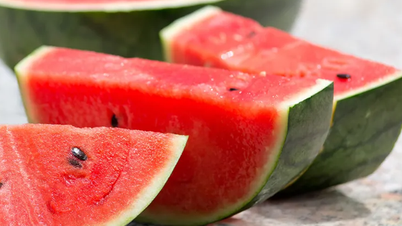
Citrus fruits are a group of fruits with high acid content, especially ascorbic acid and citric acid. When consumed in large quantities, the acid can irritate the esophageal lining, indirectly worsening symptoms of heartburn and acid reflux.
Do not lie down immediately after eating.
Eating dinner right before bed increases the risk of reflux during the night, due to changes in sleeping position after eating. Therefore, you should eat dinner at least 3 hours before bedtime to ensure your digestive system is less active when it's time to sleep. Also, avoid lying down immediately after a meal to prevent reflux.
Avoid certain activities after eating.
Another thing to note when treating gastroesophageal reflux is to limit your activities after eating. In particular, you should avoid jobs that require you to bend over or change positions frequently. Instead, sit and rest for about 30 minutes to an hour after eating to allow food to be digested and avoid gastroesophageal reflux.
Avoid tight clothing.
Wearing tight clothing, especially clothing that constricts the abdomen or waist, puts extra pressure on the stomach. It's best to choose comfortable clothing to minimize symptoms.
To prevent acid reflux, you should adopt some of the following eating habits:
You should eat several small meals.
Large meals put more pressure on your esophageal sphincter, so breaking meals into smaller portions can also help reduce symptoms of gastroesophageal reflux disease.
You should eat when you are relaxed.
Eating too quickly or eating while stressed can easily lead to symptoms of acid reflux.
Avoid overeating at each meal.
Consuming only about 70% of what you need at each meal will help reduce pressure on the stomach, thereby reducing reflux.
Sit up straight while eating.
For patients with acid reflux, posture while eating is also very important. The best posture is to sit upright while eating; doing so will help your upper digestive tract form a straight line, creating the most favorable conditions for food digestion.
According to Dr. Canh, obese individuals have a higher rate of gastroesophageal reflux disease (GERD) than the average person. Weight management is a recommended method in the treatment of GERD. Note that you should lose weight through healthy eating, exercise , and possibly supplementing with weight-loss products.
Symptoms of gastroesophageal reflux disease (GERD) tend to occur at night. Experts recommend elevating your head while sleeping because this position makes it harder for stomach acid to reflux into the esophagus. It's best to sleep on your left side, as this position keeps the stomach lower than the esophagus, helping you better manage the condition. Conversely, if you sleep on your right side, stomach acid can easily reflux through the esophageal sphincter, causing GERD symptoms.
Some medications protect the stomach lining and are commonly used to treat reflux symptoms, particularly heartburn; however, it is necessary to consult a doctor to determine the appropriate medication for the severity of reflux and the individual's condition.
Thuy Quynh
Source link
































































































Comment (0)