

HbA1c reflects average blood sugar levels over many months and is one of the core indicators in diagnosing and monitoring diabetes. According to the World Health Organization (WHO), reducing HbA1c by just 0.5 - 1% can reduce the risk of nerve damage, reduce the burden on the kidneys and limit eye complications.
1. New signals in HbA1c control
- 1. New signals in HbA1c control
- 2. Measures to control HbA1c
- 2.1 Eating on time - an important factor in stabilizing blood sugar
- 2.2 Make smarter food choices
- 2.3 Appropriate exercise – gentle but effective
- 3. Start small to make a real difference
Controlling blood sugar in patients with type 2 diabetes is always a challenging journey. However, new research cited by the National Library of Medicine and published in the Journal of Family Medicine and Primary Care offers encouraging findings: With just small but persistent changes in daily lifestyle, patients can reduce HbA1c from 0.4 to 0.9% completely naturally without medication.
Remarkably, this reduction is comparable to the effectiveness of some diabetes medications. The results suggest that controlling the disease does not have to rely solely on drastic interventions, but can start with practical, easy-to-implement choices in everyday life.
The study also emphasized that people with diabetes do not necessarily need to follow a strict diet or exercise at a high intensity to improve blood sugar. On the contrary, small, sustainable changes such as adjusting meal times, choosing the right foods and exercising appropriately bring more obvious benefits than imagined.
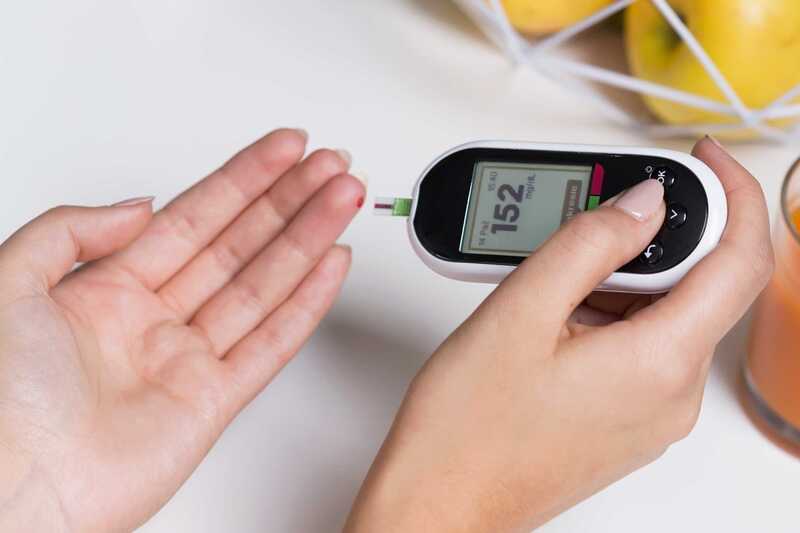
Controlling blood sugar in diabetic patients is always a challenging journey.
2. Measures to control HbA1c
2.1 Eating on time - an important factor in stabilizing blood sugar
One of the study’s most striking findings involved meal timing. Maintaining a regular meal schedule helps your body process food better and avoid spikes in blood sugar later in the day.
Eating within a window of about 10 hours/day, applied several days a week, helps reduce the risk of blood sugar spikes and helps maintain stable glucose levels.
In addition, you should not eat dinner too late or close to bedtime. This allows the body to rest, recover and helps control blood sugar the next morning. This is a simple habit but has a positive impact on the patient's metabolism.
2.2 Make smarter food choices
You don’t need to completely change your diet to better manage your blood sugar. Small adjustments to your food choices can make a big difference:
- Replace refined foods with whole grains: Whole grains are digested more slowly, helping you feel full longer and limiting post-meal blood sugar spikes.
- Increase green vegetables, lentils, and nuts: These foods help balance meals and increase fiber, supporting natural glucose control.
- Use smaller plates: This is a simple trick to reduce portion sizes and avoid overeating without resorting to strict dieting.
These seemingly small changes are suitable for most patients and easy to maintain over the long term.
2.3 Appropriate exercise – gentle but effective
Research has shown that even moderate exercise, without being too strenuous, can help reduce HbA1c. A notable habit is to walk for 15 minutes after each meal, especially after lunch. This is the time when post-meal hyperglycemia is likely to occur, and light exercise will help the body use glucose more effectively.
Exercises such as brisk walking, yoga, cycling, etc. are all suitable options, contributing to improving insulin sensitivity and helping the body metabolize glucose better. When maintained regularly, these exercises bring cumulative effects and improve HbA1c index over time.

Regular exercise contributes to better HbA1c levels.
The positive point highlighted in the study is that the changes are realistic and sustainable. Patients are not put under too much pressure to change or have to follow complicated rules.
Eating a little earlier, choosing healthier foods, or simply doing some light exercise after meals can be incorporated naturally into your daily routine. It is the consistency of these small changes that lays the foundation for long-term health improvement.
3. Start small to make a real difference
For people trying to control type 2 diabetes, the message from the research is clear: Start small .
Eating less on some days of the week, eating at regular times, walking after meals or prioritizing whole grains – these seemingly simple decisions can help reduce HbA1c by up to 1% over time.
This reduction may be seen as a “small win,” but it has huge health benefits, reducing the risk of complications and improving quality of life for patients.
Please watch more videos :
Source: https://suckhoedoisong.vn/cach-giam-hba1c-mot-cach-tu-nhien-169251204192248953.htm
![[Photo] 60th Anniversary of the Founding of the Vietnam Association of Photographic Artists](/_next/image?url=https%3A%2F%2Fvphoto.vietnam.vn%2Fthumb%2F1200x675%2Fvietnam%2Fresource%2FIMAGE%2F2025%2F12%2F05%2F1764935864512_a1-bnd-0841-9740-jpg.webp&w=3840&q=75)
![[Photo] National Assembly Chairman Tran Thanh Man attends the VinFuture 2025 Award Ceremony](/_next/image?url=https%3A%2F%2Fvphoto.vietnam.vn%2Fthumb%2F1200x675%2Fvietnam%2Fresource%2FIMAGE%2F2025%2F12%2F05%2F1764951162416_2628509768338816493-6995-jpg.webp&w=3840&q=75)












![[Infographic] Air pollution and recommendations from the Ministry of Health](https://vphoto.vietnam.vn/thumb/402x226/vietnam/resource/IMAGE/2025/12/05/1764950568593_screen-shot-2025-12-05-at-222015-png.webp)






















































































Comment (0)