

In Vietnam, the National Assembly has issued Resolution 173 on the complete ban on the production, trading, import, storage, transportation and use of electronic cigarettes (e-cigarettes) and heated tobacco products (HTBs) nationwide, which officially took effect from the beginning of this year. This week, the National Assembly will consider and pass the Investment Law (amended).
However, the draft does not include TLĐT and TLNN in the banned list. This legal loophole is warned to create momentum for addictive products to attack young people.
In recent days, there have been many opinions from many National Assembly Deputies as well as opinions from international organizations suggesting that it is necessary to add TLĐT and TLNN to the list of prohibited investment and business sectors in the draft amended investment law to protect public health and prevent drug crimes.
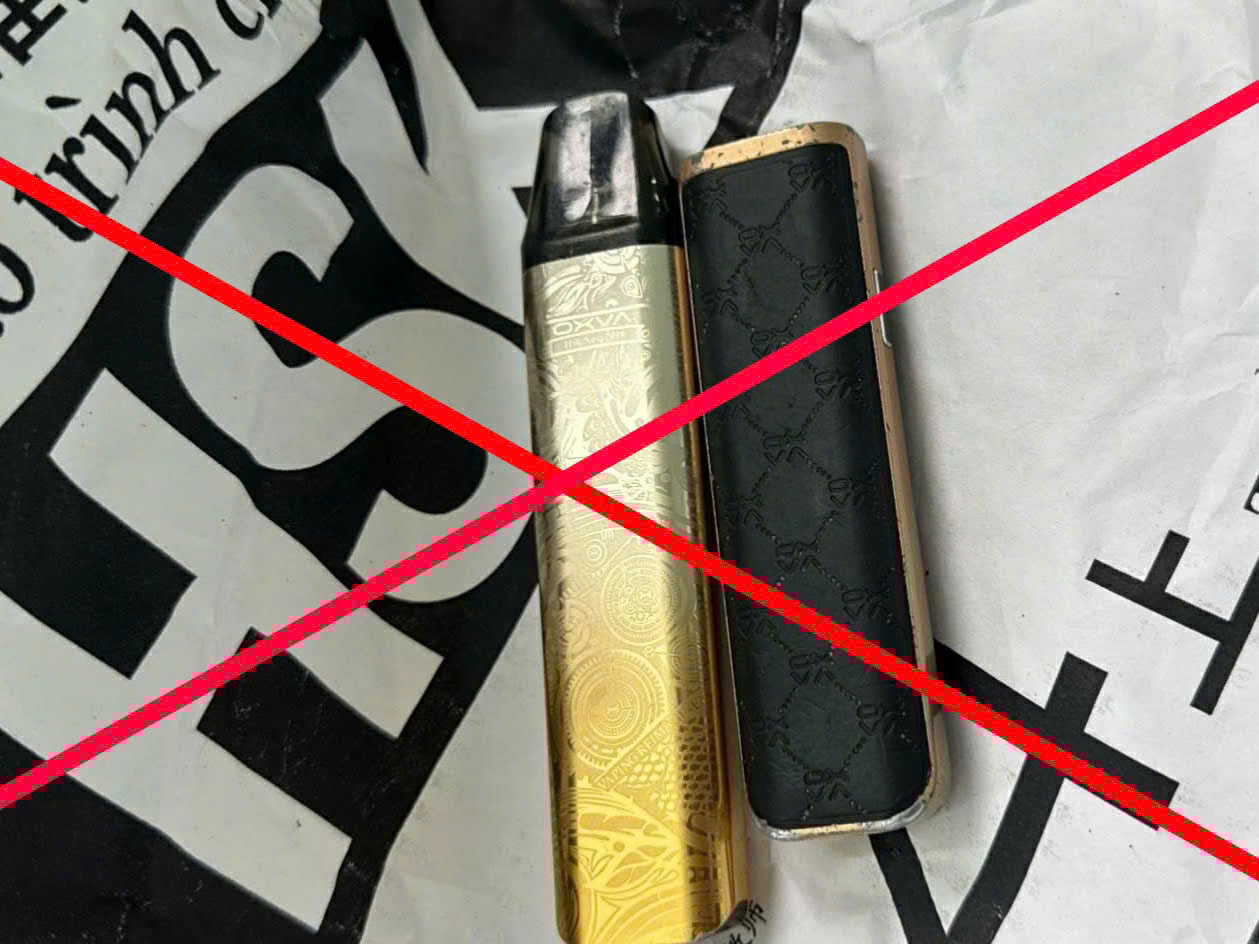
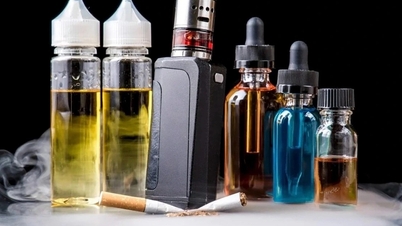
Vietnam, like other ASEAN countries, is facing the problem of increased use of electronic devices, especially among young people...
Failure to completely ban it leads to many risks...
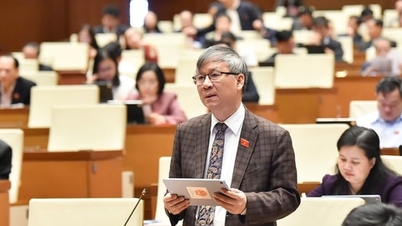
National Assembly Deputy Nguyen Thi Viet Nga, Deputy Head of the National Assembly Delegation of Hai Phong City, emphasized that if the ban is not completely banned, the legal system will lack consistency, authorities will have difficulty handling the case, and society will have to pay the price with the health and future of an entire generation.
Firstly, the legal system becomes "unbalanced", opening up gaps that make it impossible for the authorities to handle the problem thoroughly. It is impossible to allow production but prohibit use.
Second, this inconsistency will confuse the propaganda message. Young people – the most vulnerable group – will ask: If TLĐT and TLNN are as toxic as warned, then why does the government still allow their production?
"Just such a small contradiction is enough to ruin the efforts to prevent the harmful effects of tobacco that we are having a hard time implementing," said National Assembly member Viet Nga, adding that allowing production leads to the risk of smuggling back into the domestic market.
"We have had too many lessons when banned exported goods somehow returned to the domestic market. With TLĐT and TLNN - which are being transformed into camouflage tools to bring banned substances into schools - this risk is even greater" - National Assembly member Viet Nga expressed.
Delegate Nguyen Thi Viet Nga said that in her meetings with voters, she often receives urgent requests from teachers and parents, which is how to absolutely ban electronic devices. Because these products are mainly aimed at young people and the age of users is getting younger and younger. So now even middle school students have used electronic devices and electronic devices.
"Therefore, I think that school security is threatened if we do not completely ban electronic cigarettes, which will pose a huge risk. Besides, when electronic cigarettes and electronic cigarettes are not included in the banned list, it is very difficult for the authorities to handle them and can only be handled by using goods of unknown origin. Therefore, it is necessary to improve the institutional aspect to make it more convenient for the authorities to perform their duties" - National Assembly Deputy Viet Nga emphasized.
According to Ms. Nga, the National Assembly has issued Resolution 173 which clearly states: prohibiting the production, trade, storage, circulation, and use of electronic cigarettes and electronic tobacco products, also known as new-generation cigarettes. Therefore, we need to amend a series of related laws, including the Investment Law, to include electronic cigarettes and electronic tobacco products in the list of goods that we prohibit from production, trade, and circulation. If we do not amend in time, it will lead to a lack of uniformity in the legal system, making it difficult to implement different solutions.

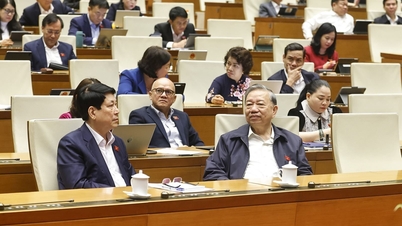
National Assembly Delegate Nguyen Thi Viet Nga, Deputy Head of the National Assembly Delegation of Hai Phong City, spoke.
Ensuring the consistency of the legal system
Following and following Vietnam's tobacco harm prevention efforts for many years, Dr. Ulysses Dorotheo, Executive Director of SEATCA, the Southeast Asia Tobacco Control Alliance, said that Vietnam, like other ASEAN countries, is facing the problem of increasing use of electronic cigarettes and tobacco products, especially among young people.
"After the Vietnamese National Assembly issued a Resolution banning TLĐT and TLNN and following Resolution No. 72 of the Politburo on protecting, caring for and improving people's health, it can be seen that the Vietnamese Government has shown a strong and unified commitment to preventing these harmful products.
However, we are concerned that the current draft Investment Law (amended) only includes traditional tobacco in the list of conditional business lines, but does not stipulate a complete ban on electronic cigarettes and non-commercial cigarettes," Dr. Ulysses Dorotheo emphasized.
According to Dr. Ulysses Dorotheo, this omission poses a serious risk to public health, especially to the youth – the future generation of Vietnam. Therefore, including these products in the List of prohibited investment and business sectors is extremely necessary to ensure the consistency of the legal system.
In essence, this is not just a “ban” – but a commitment to sustainable development, demonstrating the view that health is the most valuable asset of the country, and people are at the center of all policies. This approach not only helps Vietnam to keep in line with global public health policy trends, but also affirms Vietnam’s role as a pioneering and responsible country in protecting public health – something that has been highly appreciated by WHO and the international community.
Sharing the same view, Dr. Angela Pratt, WHO Representative in Vietnam, said: One year ago, the National Assembly made a historic decision for public health, especially for the health of adolescents, when it decided to ban TLĐT and TLNN products. This decision was recognized by the international community.
Although the implementation and enforcement of the ban is still in its early stages, many positive impacts have already emerged, including fewer teenagers using these products; fewer hospitalizations due to these products; and a sharp decline in product promotion aimed at teenagers.
However, according to Dr. Angela Pratt, we still have a lot of work to do. To protect the young generation of Vietnam, the ban on the production, trading, import, storage, transportation and use of electronic and digital products needs to be included in all relevant legal documents.
Source: https://suckhoedoisong.vn/khong-dua-thuoc-la-moi-vao-danh-muc-cam-se-tra-gia-bang-suc-khoe-va-tuong-lai-cua-ca-mot-the-he-169251205214557892.htm


![[Photo] National Assembly Chairman Tran Thanh Man attends the VinFuture 2025 Award Ceremony](/_next/image?url=https%3A%2F%2Fvphoto.vietnam.vn%2Fthumb%2F1200x675%2Fvietnam%2Fresource%2FIMAGE%2F2025%2F12%2F05%2F1764951162416_2628509768338816493-6995-jpg.webp&w=3840&q=75)
![[Photo] 60th Anniversary of the Founding of the Vietnam Association of Photographic Artists](/_next/image?url=https%3A%2F%2Fvphoto.vietnam.vn%2Fthumb%2F1200x675%2Fvietnam%2Fresource%2FIMAGE%2F2025%2F12%2F05%2F1764935864512_a1-bnd-0841-9740-jpg.webp&w=3840&q=75)
















































































Comment (0)