

As one of the leading infrastructure investment and construction companies in Vietnam today, Deo Ca Group proposes several solutions to attract investors to issue bonds, creating resources for infrastructure investment through the PPP (Public-Private Partnership) method.
With long maturities, bonds are less attractive to investors.
Regarding the issue of capital for infrastructure development, Mr. Nguyen Huu Hung, Vice Chairman of the Board of Directors of Deo Ca Group, recently submitted his opinion to the Ministry of Finance on solutions for mobilizing investment capital for transportation infrastructure projects through public-private partnerships (PPP).
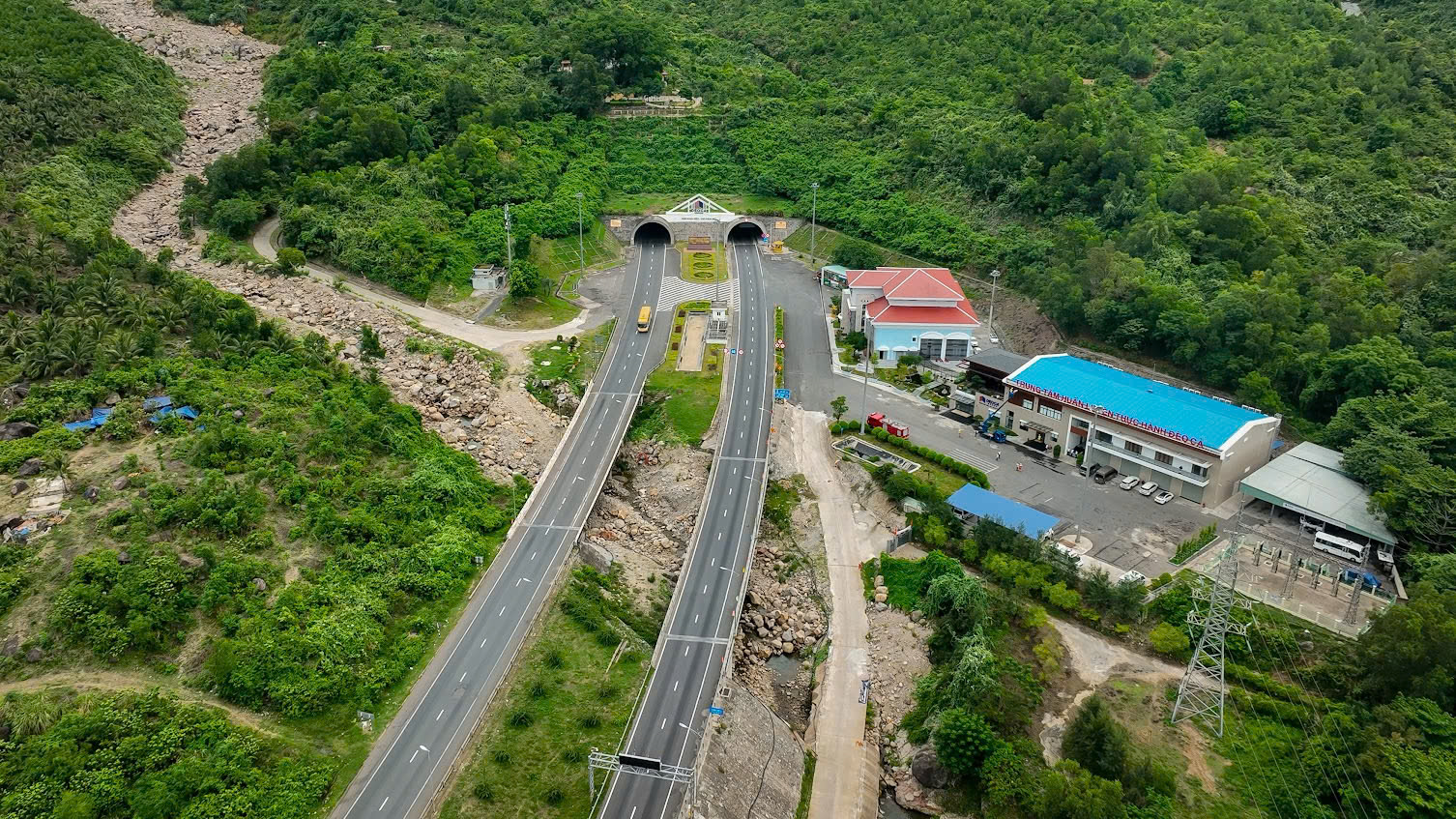
According to assessments, investors are currently not enthusiastic about raising resources through bond issuance to finance transportation infrastructure development (Illustrative image).
According to Mr. Hung, transportation infrastructure plays a crucial role in the socio-economic development of the country and is one of the three strategic breakthroughs that need to be prioritized for investment.
Given the limited state budget resources, the PPP Law enacted in 2021 is expected to help bridge the gap between infrastructure investment needs and the budget's funding capacity.
However, the implementation of PPPs in Vietnam faces many obstacles due to inconsistent policies, leading to a low number of successful projects and reluctance from the private sector. Numerous bottlenecks make PPP projects unattractive and fail to truly open the door for investors to mobilize resources for PPP investments.
Specifically, Clause 1, Article 78 of the PPP Law clearly states: "PPP project enterprises may issue and repurchase privately placed bonds that they have issued in accordance with this Law, the law on enterprises, and securities to raise capital for the implementation of PPP projects; they are not allowed to issue privately placed convertible bonds and privately placed bonds with warrants."
However, in reality, no project enterprise has yet successfully issued bonds to invest in a PPP project.
"The reason why bonds are not attractive to investors is because of their long maturity periods (20-30 years for the payback cycle)."
Furthermore, project construction typically takes 24-36 months, while bond issuance requires immediate interest payments. This results in borrowed capital being raised but not immediately invested in the project, leading to increased interest costs and reduced investment efficiency.
Furthermore, the only collateral is the project's right to collect tolls, and it is not guaranteed by the Government," a representative of Deo Ca Group stated.
To attract investors to bonds issued by PPP project enterprises, Deo Ca Group proposes that the Government issue credit guarantees and risk insurance for transportation infrastructure investment projects under the public-private partnership method.
Specifically, infrastructure investment projects under the public-private partnership (PPP) model need to be added to the scope of application as stipulated in Article 2 of Law/Decree No. 20/2017/QH14 on Public Debt Management; and enterprises with investment projects under the Law on Public-Private Partnership Investment should be added to the list of entities eligible for government guarantees as per Article 41 of Law/Decree No. 20/2017/QH14 on Public Debt Management.
"The current PPP law also does not allow PPP project companies to issue bonds to the public, limiting the target audience and capital markets that PPP project companies can access."
"The competent authority needs to study and amend the content of Article 78 of the PPP Law and the regulations in the Decree on financial management of PPP projects to allow project enterprises to issue bonds to the public, reducing pressure on budget capital and bank credit," Deo Ca Group proposed.
Further research into specific policies is needed.
According to the leaders of Deo Ca Group, currently, corporate income tax/personal income tax on investments in corporate bonds issued for the purpose of investing in transportation infrastructure projects under the PPP method is calculated at 5% (based on bond interest) for foreign contractors.
Investors are required to pay a 0.1% tax on the total transaction value when transferring/selling bonds, a centralized custody fee as stipulated, and transaction fees as specified by each securities company.
"A tax exemption/reduction policy will contribute to increasing the attractiveness of long-term bonds due to the specific nature of the transportation infrastructure investment sector, thereby promoting infrastructure investment and elevating the country's economy in general and the stock market in particular."
Furthermore, the Securities Law 2021 (Article 91 on Securities Investment Funds) allows FIIs to participate in establishing investment funds, but there is no specific infrastructure fund yet.
"Decree 174/2020/ND-CP sets out regulations to support the development of ETFs, but it has not yet applied to the transportation infrastructure sector or provided a specialized ETF for the transportation infrastructure sector," Deo Ca Group raised the issue.
"PPP project enterprises have unique characteristics compared to ordinary production and business enterprises. Therefore, authorities also need to study specific policies to unlock capital, such as: accounting mechanisms that ensure the reflection of the specific characteristics and investment efficiency of transportation infrastructure projects under the PPP model, clarifying regulations and guidelines for value-added tax refund applications for projects...", Deo Ca Group further proposed.
Source: https://www.baogiaothong.vn/cach-nao-coi-troi-cho-trai-phieu-ha-tang-giao-thong-192250329170748039.htm

























![[Photo] Prime Minister Pham Minh Chinh holds a phone call with the CEO of Russia's Rosatom Corporation.](/_next/image?url=https%3A%2F%2Fvphoto.vietnam.vn%2Fthumb%2F1200x675%2Fvietnam%2Fresource%2FIMAGE%2F2025%2F12%2F11%2F1765464552365_dsc-5295-jpg.webp&w=3840&q=75)













































Comment (0)