

According to the Ministry of Education and Training, the revised Higher Education Law recently passed by the National Assembly has institutionalized the policies and orientations for the development of higher education in the new period, such as the role and mission of public and private higher education; removing bottlenecks and obstacles regarding university autonomy, developing training programs, attracting staff, and attracting investment resources. Higher education is identified as playing a core role and being the driving force for the strong development of high-quality human resources, promoting science and technology, and national innovation.
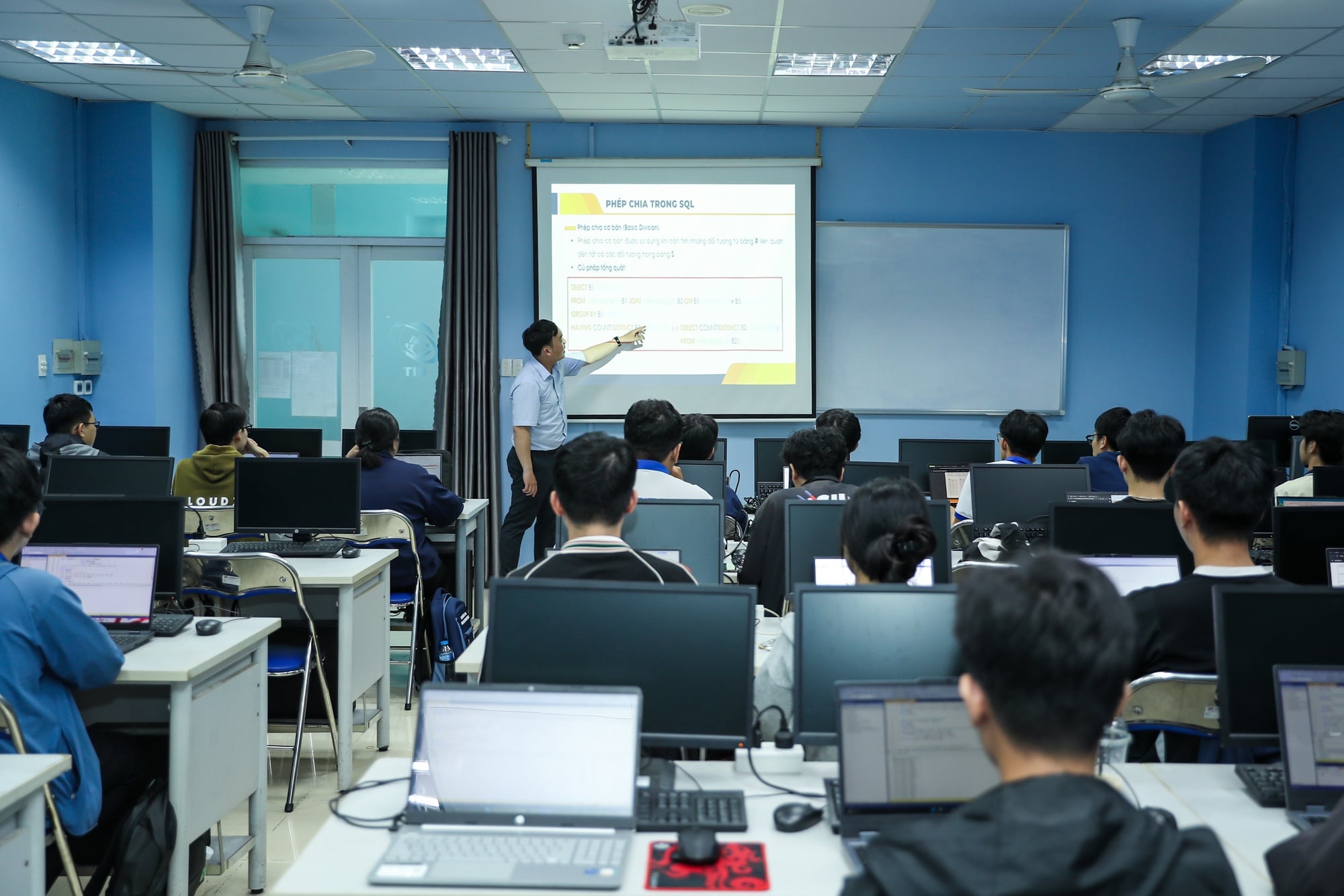
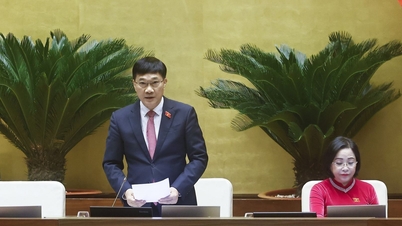
The amended Higher Education Law removes bottlenecks and obstacles related to university autonomy, curriculum development, attracting qualified personnel, and attracting investment resources.
PHOTO: NHAT THINH
The draft law fully institutionalizes the principle of "Ensuring full and comprehensive autonomy for higher education institutions regardless of the level of financial autonomy." Autonomy includes academic autonomy, organizational structure, training, scientific research, international cooperation, personnel, and finance, while affirming accountability as a mandatory legal obligation. These adjustments ensure that autonomy becomes substantive, alongside mechanisms for controlling power, guaranteeing academic integrity, transparency, and quality of operations at higher education institutions.
The draft law on higher education retains the model of regional and national universities, with the mission of fulfilling strategic tasks, fostering regional linkages, and developing the science and technology ecosystem and innovation.
Postgraduate training in the health sector is a topic that has received much attention from National Assembly representatives. The Ministry of Education and Training and the Ministry of Health have reached a high level of consensus on the general principles in the draft law. Accordingly, the Ministry of Health will guide, organize, and manage postgraduate training programs in the health sector leading to residency and specialist doctor degrees. Specifically, residency and specialist training (levels 1 and 2) are postgraduate training programs aimed at training medical personnel to become skilled doctors working in hospitals, not master's or doctoral degrees in an academic direction. The regulations in the draft law standardize the work that the Ministry of Health has been doing until now.

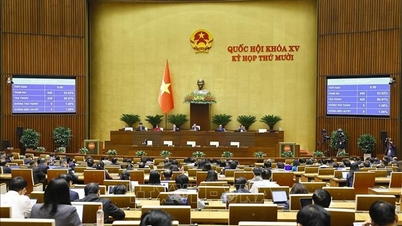
The draft of the new Higher Education Law stipulates that postgraduate advanced training programs in the health sector, leading to residency and specialist doctor degrees, will be guided, organized, and managed by the Ministry of Health.
Photo: Pham Huu
Regarding other aspects related to investment, finance, quality assurance, policies for students, and the construction of international university training centers similar to international financial centers, since the draft law already fully regulates the legal framework for international cooperation, joint training, and the establishment of educational institutions with foreign elements, new models will be considered and implemented under the authority of the Government (depending on practical conditions).
Several other aspects have also been reviewed, revised, and supplemented to enhance transparency, promote international integration, encourage the application of new technologies and artificial intelligence in higher education under controlled conditions, and create a transparent legal framework while ensuring adequate oversight mechanisms. These include: proposals to strengthen the application of advanced technologies, especially artificial intelligence and digital transformation, in governance, training, and accreditation; and to improve regulations on cooperation and linkages with foreign businesses and educational institutions. Other areas include tuition fees, student loans and support; preferential policies for ethnic minority regions; land, infrastructure, and development investment; science and technology activities and innovation; and quality accreditation and mutual recognition.
Source: https://thanhnien.vn/dam-bao-quyen-tu-chu-thuc-chat-cho-giao-duc-dai-hoc-185251210205440167.htm


























































































Comment (0)