

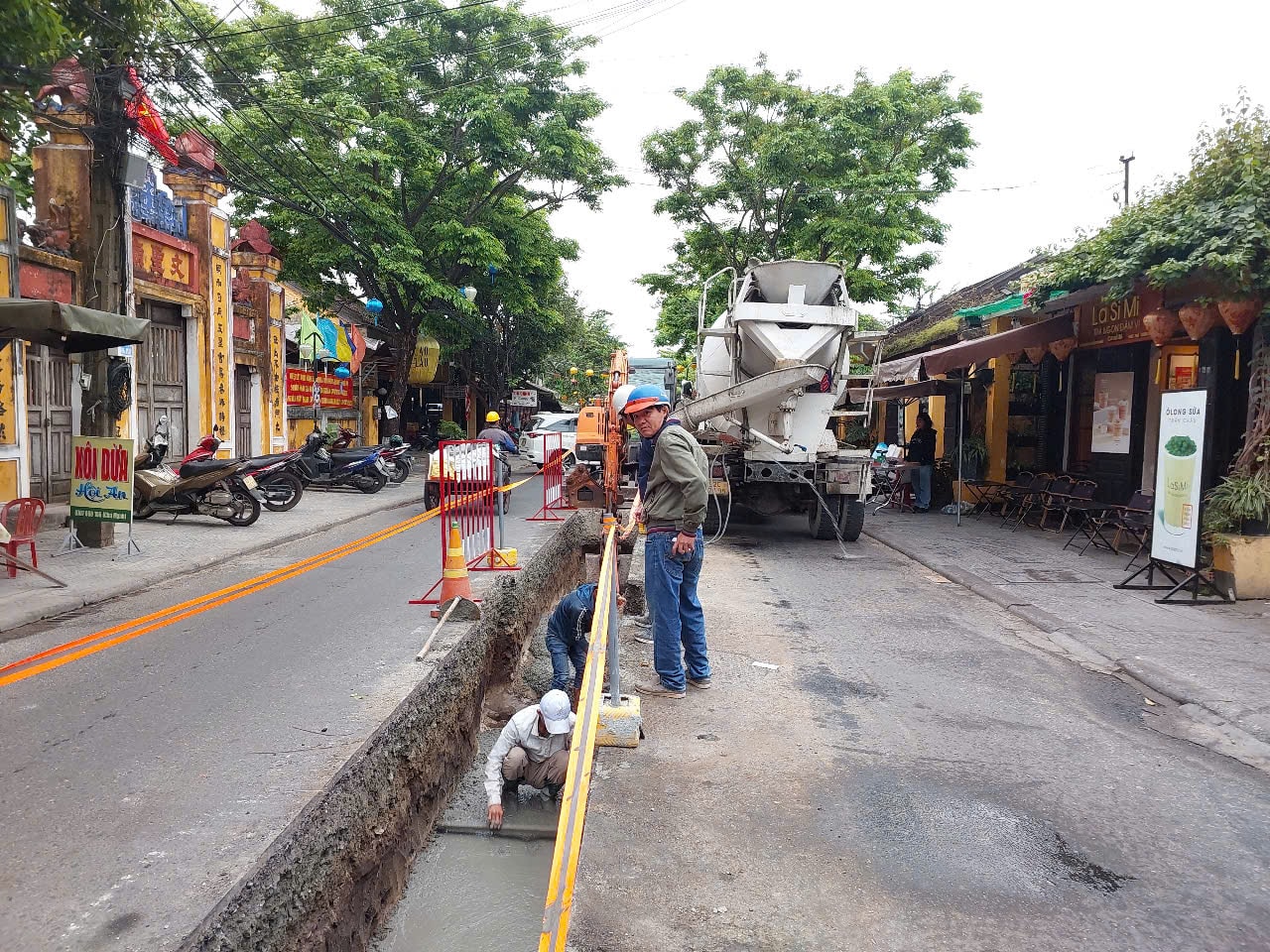
Disbursement rate is below average.
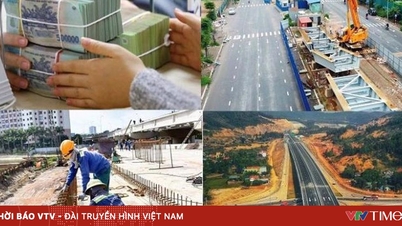
According to the Department of Finance, as of mid-March 2025, Quang Nam province had disbursed over 435/8,312 billion VND of its 2025 public investment plan, reaching 5.24% of the plan assigned by the Provincial People's Committee and 6.1% of the plan assigned by the Prime Minister (central government budget reached 5.5%, local government budget reached 5.1%).
According to Mr. Nguyen Nhu Cong, Director of the Department of Finance, the reason for the low disbursement rate is that units and localities are carrying out procedures to review and propose extending the 2024 capital plan to 2025 and focusing on completing the necessary documents for payment of completed work.
The restructuring of administrative agencies and units, leading to the transfer of project owner responsibilities, has caused difficulties in terms of personnel, project information, and project continuity. The revocation of some project owner seals has resulted in many projects and works, despite having completed work, being unable to finalize payment documents for disbursement...
According to Mr. Cong, the main reason, and the biggest bottleneck for many years, is the lack of decisiveness and thoroughness from local authorities. When implementing projects, there is a lack of coordination in resolving difficulties and obstacles related to land clearance, and a shortage of construction materials (construction sand, leveling soil).
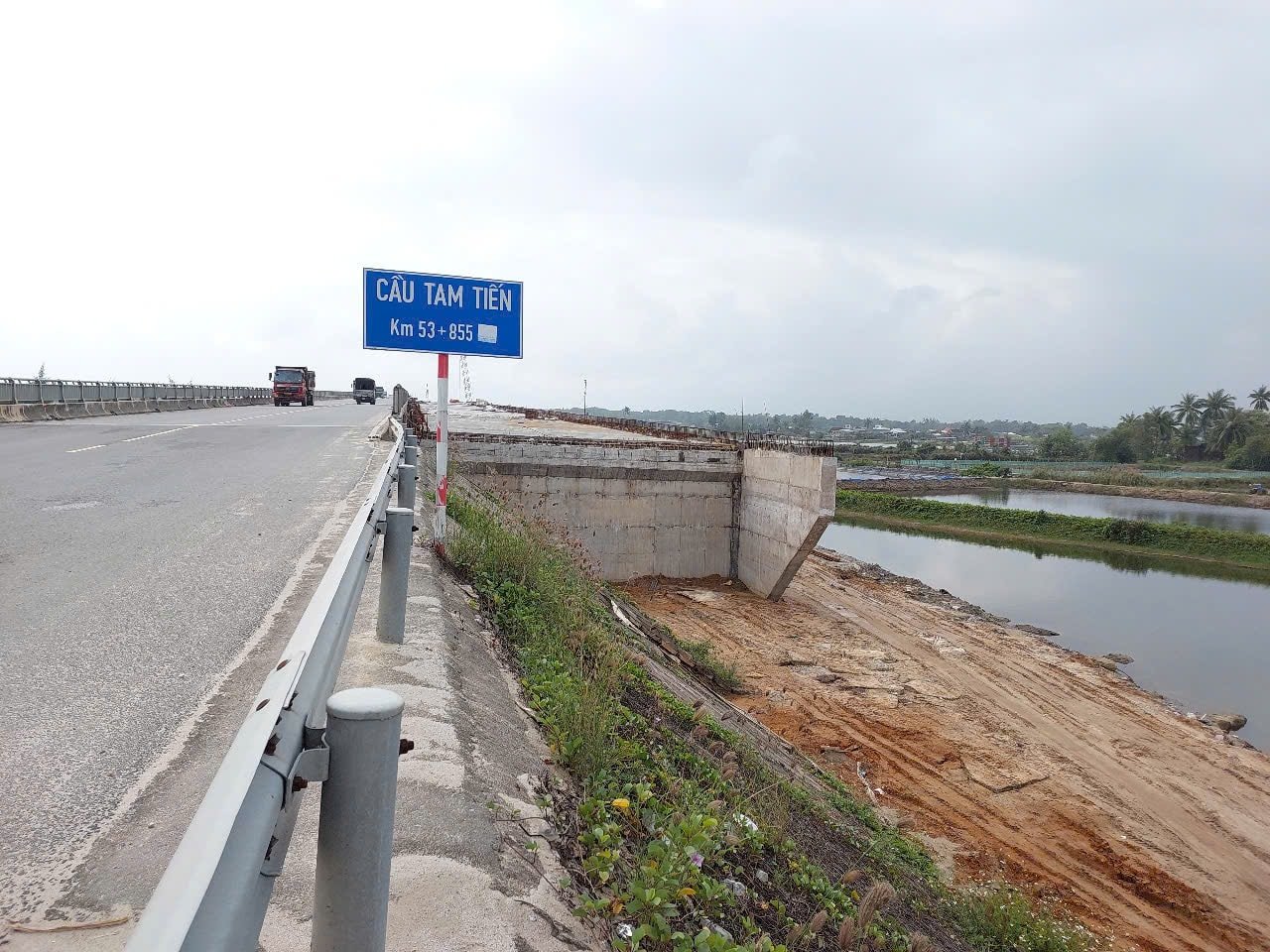
Unpredictable and complex weather conditions can disrupt construction on many projects. Projects using ODA and preferential foreign loans experience slow disbursement because the review and approval process by donors for investment procedures and withdrawal documents is often very lengthy, leading to slower disbursement compared to projects using other funding sources.
The recently announced disbursement rate is extremely low. Quang Nam is ranked among the 26 localities below the national average (the national average disbursement rate, according to the Ministry of Finance, is 7.32%).
The pressure to disburse funds as required by the Government (at least 95% by the end of 2025) has made the authorities anxious, struggling to find a balanced strategy to disburse all 8,312 billion VND of planned capital for 2025 (not including several thousand billion VND that the Central Government will supplement for investment projects on National Highways 14D and 14B).
The immense pressure to disburse funds forced the government to issue a document on March 17, 2025, requesting investors and localities to strengthen on-site inspection and supervision, and regularly assess the disbursement rate of inter-regional projects and key projects with large capital plans in order to promptly address and resolve any difficulties and obstacles that arise.
Units and localities with public investment disbursement rates below the provincial average need to step in, inspect and monitor the implementation of tasks, accelerate the disbursement progress of each project on a quarterly basis, and specify the responsibilities of the head of the unit in cases of slow disbursement!
Struggle until the last day
Investors and local authorities have committed to disbursing at least 95% of the planned public investment capital for 2025, as directed by the Prime Minister and local authorities.
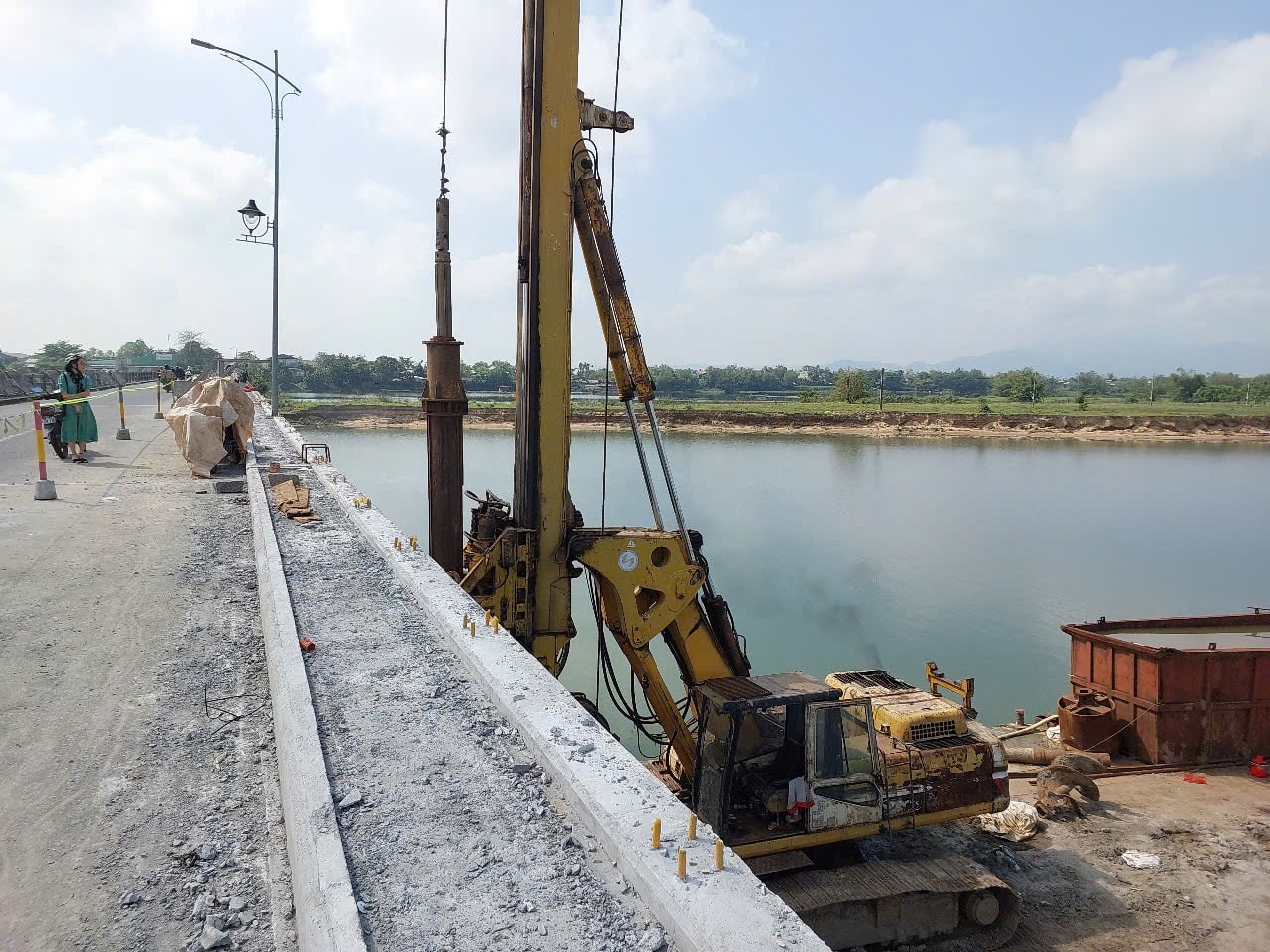
Mr. Dao To Van - Director of the Van Ly Bridge Project Management Board (a project included in the list of projects to celebrate the Provincial Party Congress) said that the capital plan for 2025 is approximately 86 billion VND (including land clearance costs).
Payment is made based on the work completed, but this is heavily dependent on the progress of land clearance. If the land is cleared, this year's construction will exceed the planned volume and budget.
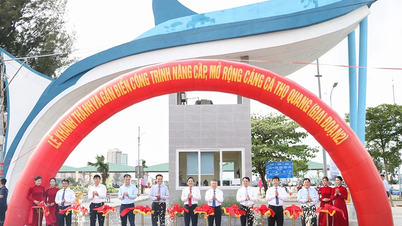
It is evident that key projects and works designated as celebrations (50th anniversary of national reunification, provincial Party congress, etc.) that must be completed in 2025 must accelerate construction progress and disburse all allocated investment capital.
Furthermore, projects are not easily "achieving their targets" as committed, as the causes and reasons for low disbursement rates seem to have persisted for many years without a solution. Changes in political life and organizational restructuring also affect the psychology of investors, the government, and the performance of officials. Contractors have a wait-and-see attitude, delaying and not accelerating the pace of construction...
Mr. Bling Mia, Secretary of the Tay Giang District Party Committee, said that the locality has disbursed 18% of the funds, mainly for projects and works with ongoing progress. A working group will be established to directly monitor the disbursement progress of each project. Any obstacles will be addressed as they arise. Payments will be made based on the completed work. If no additional capital is required, the locality will ensure the disbursement of up to 98% of the allocated capital from the beginning of the year. However, to overcome difficulties, it is necessary to supplement the supply of sand and gravel, as mountainous areas and river basins have limited sand and gravel resources, requiring a mechanism for efficient extraction.
According to Mr. Le Quang Trung, Chairman of the People's Committee of Phuoc Son district, the locality is committed to disbursing 100% of the planned capital (approximately 300 billion VND), but the projects and contractors are facing difficulties with materials. The province needs to make efforts to resolve this, allowing the opening of sand mines, auctioning them, and creating conditions to complete procedures and supply the market early.
Chairman of the Provincial People's Committee Le Van Dung requested stricter discipline in disbursing public investment funds, striving to achieve over 95%. He stated that those who create difficulties, obstacles, or delays in the disbursement process will be severely punished.
Investors and local authorities should develop detailed implementation and disbursement plans for each project, address bottlenecks in land clearance, and implement projects according to the committed schedule.
Increase the reallocation, reduction, and reassignment of capital plans from projects that are unable to disburse funds or whose disbursement is not progressing as planned, supplementing funds for projects with high disbursement rates, projects requiring additional capital to settle outstanding payments, land clearance, and projects with outstanding payments (capital reallocation should be considered and implemented promptly by June 2025 at the latest...).
The ongoing restructuring of the administrative apparatus, the merger of provinces, and the non-establishment of district-level governments should not justify officials' irresponsibility in disbursing public investment funds.
Discipline in public investment must be prioritized.
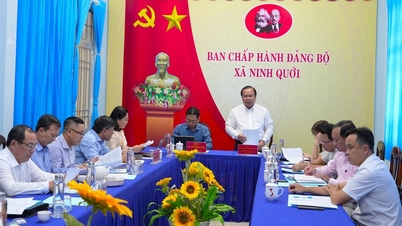
Provincial Party Secretary Luong Nguyen Minh Triet affirmed that disbursing public investment capital is the most important responsibility in the socio-economic development of the locality in the current period.
The current context presents many challenges, making it easy for people to become distracted, work half-heartedly, or even give up, avoid responsibility, and fail to address difficulties and obstacles. Therefore, it is necessary to enhance accountability in public service. Discipline in public investment must be prioritized.
We must not take things lightly just because of the restructuring of the administrative apparatus, the elimination of district-level organizations, or the merger of provinces. Otherwise, we will not be able to complete our tasks. This is a revolution in restructuring and streamlining the administrative apparatus, but it is also an opportunity and a criterion for evaluating and selecting future officials, especially if we only have the right to choose a small number of remaining officials in the new system! Those who evade responsibility, give up, or lack accountability will have no place!
Provincial Party Secretary Luong Nguyen Minh Triet requested that localities review and proactively implement all legal issues regarding public investment. When the merger is planned, the central government will certainly provide guidance on the handover of public investment projects, so the documentation must be thorough, because once the seal is revoked, there will be no time to formalize the documents and records. Once the central government and ministries provide specific guidance, localities will be fully proactive in handling public investment matters. Nothing related to past responsibilities should be left unresolved.
Source: https://baoquangnam.vn/khong-the-tri-hoan-quang-nam-quyet-liet-giai-ngan-von-dau-tu-cong-3151070.html


![[Photo] Explore the US Navy's USS Robert Smalls warship](/_next/image?url=https%3A%2F%2Fvphoto.vietnam.vn%2Fthumb%2F1200x675%2Fvietnam%2Fresource%2FIMAGE%2F2025%2F12%2F10%2F1765341533272_11212121-8303-jpg.webp&w=3840&q=75)
![[Photo] The captivating scenery of the fragrant maple forest in Quang Tri](/_next/image?url=https%3A%2F%2Fvphoto.vietnam.vn%2Fthumb%2F1200x675%2Fvietnam%2Fresource%2FIMAGE%2F2025%2F12%2F10%2F1765353233198_lan09046-jpg.webp&w=3840&q=75)
























![[Video] The craft of making Dong Ho folk paintings has been inscribed by UNESCO on the List of Crafts in Need of Urgent Safeguarding.](https://vphoto.vietnam.vn/thumb/402x226/vietnam/resource/IMAGE/2025/12/10/1765350246533_tranh-dong-ho-734-jpg.webp)


























































Comment (0)