

The difficulties persist.
According to Ms. Nguyen Thi Truc Van, Deputy Head of the General Planning Department, Ho Chi Minh City Institute of Drug Testing, in recent years, the number of drug samples tested through testing services has increased significantly, from 1,695 samples in 2022 to 2,359 samples in 2024. The number of counterfeit drug samples detected has also increased annually (5 counterfeit drug samples in 2022, 12 counterfeit drug samples in 2023, and up to 40 samples in 2024).
Furthermore, there have been recorded cases of drugs failing to meet the standards registered with the state management agency. Samples for testing are supplied from various channels such as the police, provincial testing centers, hospitals, and the general public.
Despite its effective operations, the Ho Chi Minh City Institute for Drug Testing faces many difficulties in collecting samples for testing. Ms. Nguyen Thi Truc Van explained that the institute's personnel do not have the functions and authority of quality control inspectors, so they are often refused by facilities when they request sample collection.
"Uncooperative establishments will find every reason to refuse, such as the absence of an authorized person, inability to issue invoices, refusal to sign the minutes, and refusal to accept payment immediately after sample collection. And in reality, we do not have the authority to handle this," said Ms. Nguyen Thi Truc Van.
The concern is that, despite the ever-present risk of counterfeit drugs from online sales, there are currently no clear regulations or guidelines for sampling on e-commerce platforms. As a result, specialized agencies face difficulties in properly sealing and documenting samples for testing. Furthermore, some reference standards used in drug testing are often unavailable, very expensive, and lack reliable suppliers, especially for drugs on the list of specially controlled substances. Based on this reality, the Ho Chi Minh City Institute of Drug Testing recommends a mechanism to address the difficulties in sampling, ensuring the effective management and monitoring of counterfeit pharmaceuticals on the market.
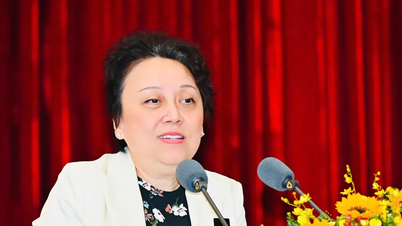
Acknowledging the difficulties in drug testing, Dr. Nguyen Hoai Nam, Deputy Director of the Ho Chi Minh City Department of Health , stated that the current number of drugs sampled for quality control is not commensurate with the number of drugs granted registration numbers for circulation. The city's drug quality monitoring is also hampered by the requirement for invoices and documentation from the sampling location when purchasing drug samples for testing, making it very difficult to detect counterfeit drugs.
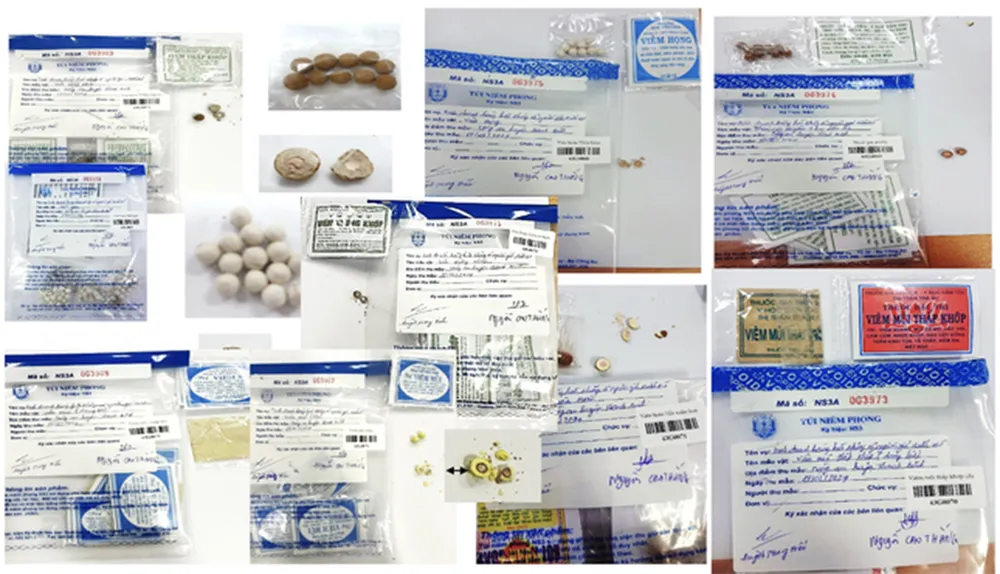
Monitoring the quality of drugs circulating outside the official distribution system (online sales, personal transactions) is limited due to a lack of appropriate management tools. Furthermore, there is currently no legal mechanism to support rapid on-site verification of suspected counterfeit drugs, hindering effective quality control of circulating drugs.
Invest in testing systems.
Many businesses have reported that, in order to obtain legally valid test results, they are required to have purchase invoices or sample collection records. This regulation can create difficulties when authorities conduct surprise inspections of food establishments found to be in violation. Meanwhile, testing costs are very high, the payment process is complicated, and in many cases, there is no basis for budget allocation.
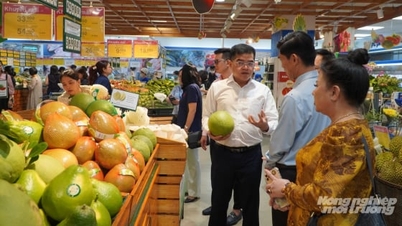
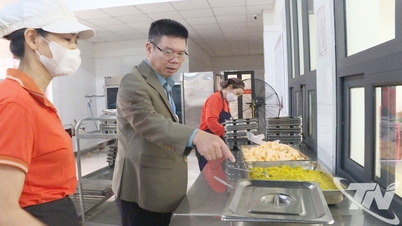
Representatives from the Ho Chi Minh City Food Safety Department shared that the facilities designated for testing to serve state management of food safety currently do not fully meet the necessary testing criteria for food products, especially milk and health supplements. Furthermore, in reality, for some types of fresh food with short shelf lives, waiting for test results often results in the food expiring or spoiling. This creates difficulties for both businesses and authorities. According to the Ho Chi Minh City Food Safety Department, many inter-agency inspection programs, including sampling, in-depth analysis, and community communication support, are not conducted regularly or continuously.
The Vietnamese pharmaceutical market currently has over 23,000 licensed drugs and more than 1,000 active ingredients. However, the national drug testing system only tests and verifies over 500 active ingredients, accounting for approximately 50% of those in circulation. Each year, testing units collect about 40,000 samples of circulating drugs for inspection and monitoring, and have detected samples that do not meet quality standards. Dr. Ta Manh Hung, Deputy Director of the Drug Administration Department, Ministry of Health , acknowledges that, given the current scale of the pharmaceutical market, collecting 40,000 drug samples for testing annually is not a significant amount.
In the context of deep integration and the strong development of e-commerce, Vietnam is facing the increasing risk of counterfeit drugs from abroad, spreading through online channels, especially on social media and cross-border e-commerce platforms.
Dr. Ta Manh Hung affirmed that the Ministry of Health will increase investment in testing systems, public awareness campaigns, and enhance coordination among relevant ministries, local authorities, and legitimate businesses to improve the effectiveness of combating counterfeit drugs.
Currently, the Ministry of Health is developing a plan to reorganize the state's drug testing system according to a two-tier model: central and local, with 34 provincial-level testing centers. This model will lay the foundation for building a modern, professional, and synchronized testing system capable of detecting and controlling counterfeit and substandard drugs, thereby ensuring public health safety.
Source: https://www.sggp.org.vn/kiem-nghiem-thuoc-va-thuc-pham-kho-du-duong-post810904.html

















































































Comment (0)