

Specifically, according to the survey "Bridging the Gaps: Public Perceptions of the Cancer Care Continuum in Southeast Asia" conducted by YouGov with over 6,000 participants in 6 Southeast Asian countries, the majority of people are well aware of the importance of early cancer detection.
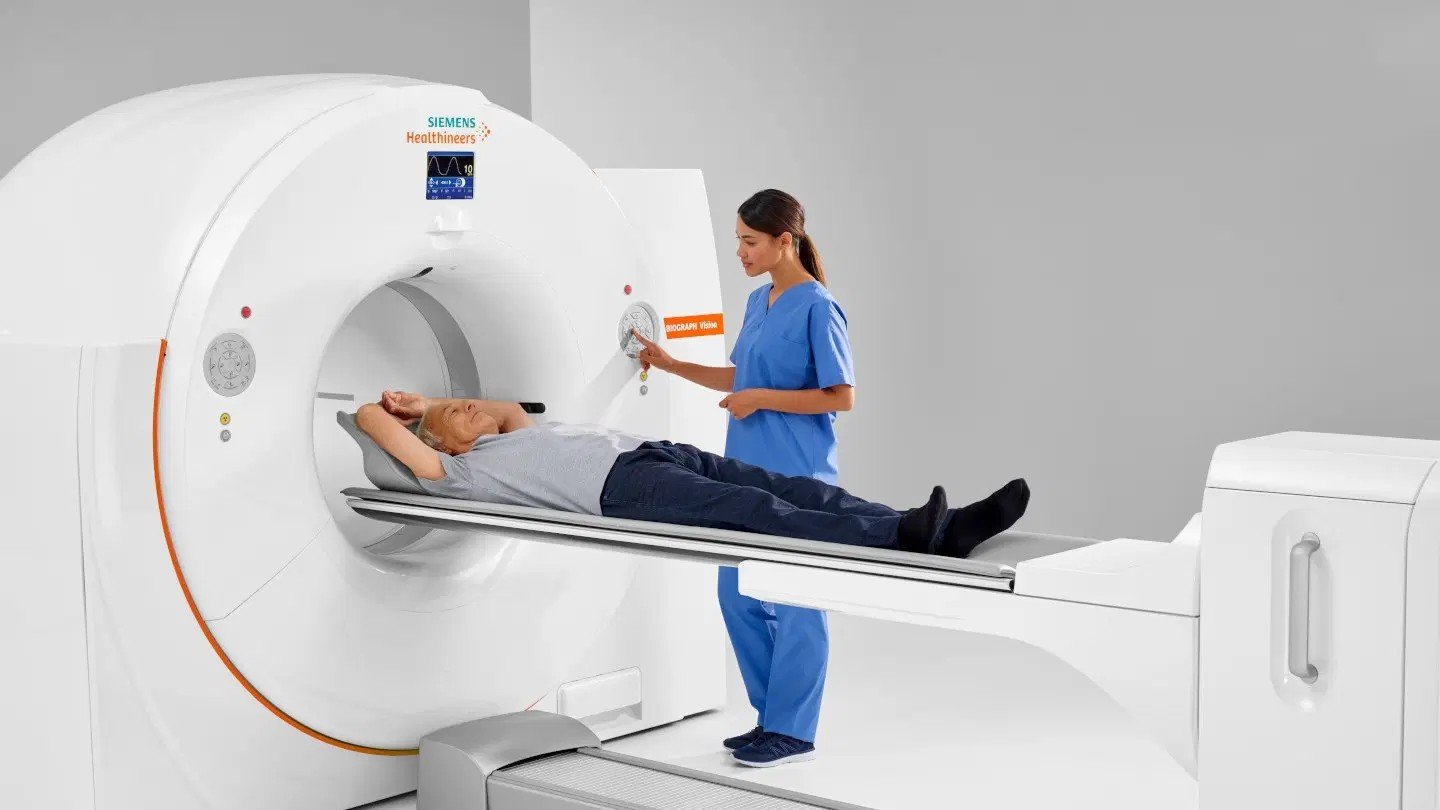
The application of technology in cancer treatment is becoming increasingly important.
Photo: TL
However, while the majority (84%) believe that early cancer detection plays a crucial role in improving treatment outcomes, only 34% of survey participants in Vietnam had ever been screened for cancer. Of these 34%, only 13% had undergone specific cancer screening tests. When asked why they hadn't been screened, more than a third (35%) said they "felt it was unnecessary"—a sentiment also prevalent in other countries in the region. Other reasons included the high cost of screening (22%) and fear of being diagnosed with cancer (22%).
Notably, compared to other countries in the region, Vietnamese respondents showed strong confidence in modern technology. Up to 54% of respondents expected the application of modern technologies such as artificial intelligence (AI), genetic testing, and real-time monitoring in healthcare processes. This is the second highest percentage in Southeast Asia, after the Philippines (58%).
Alongside the challenges, the survey also highlighted several noteworthy positive points. Nearly half of respondents (44%) indicated they would feel more confident if cancer care services were provided using a "one-stop" model (a specialized treatment center ).
In addition, many people expressed openness to the application of AI (37%) and viewed it as a promising direction (46%). More importantly, people want digital tools to support – not replace – healthcare professionals (49%).
Source: https://thanhnien.vn/ky-vong-chuyen-doi-so-trong-dieu-tri-ung-thu-185250910200344038.htm













































































Comment (0)