

According to Master's degree holder and doctor Nguyen Thi Quy, from the Traditional Medicine Dermatology and Aesthetics Clinic, University Medical Center of Ho Chi Minh City - Branch 3, people need to be vigilant and take protective measures to avoid contracting serious dermatological diseases during the rainy and flooded season.
Common skin diseases in the rainy season
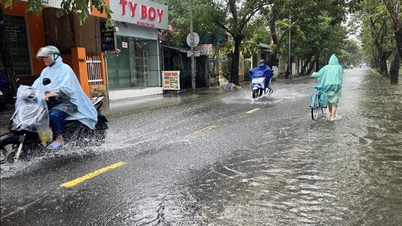
Contact dermatitis. Contact dermatitis occurs when the skin comes into contact with dirty water or irritants present in the water. Common symptoms include itching, redness, rash, blisters, and peeling skin. The condition can become more serious if left untreated, leading to infection.
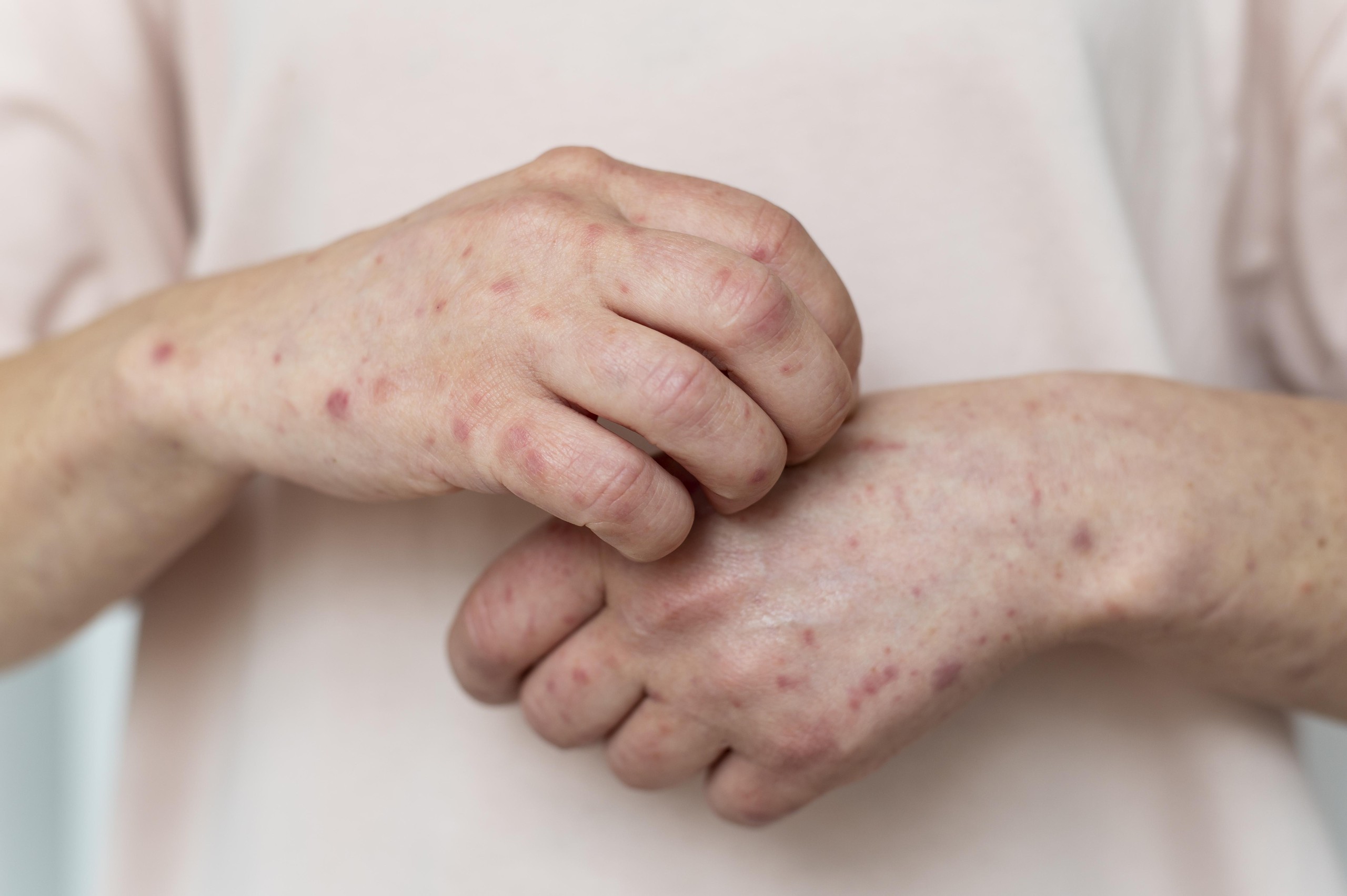
Contact dermatitis occurs when the skin comes into contact with dirty water or irritants found in the water.
Skin fungus. Long-term flooding creates a humid environment that can easily lead to fungal infections. Skin fungus can appear on the feet (tinea pedis), hands, and other moist areas of the body. Signs include red, itchy, scaly, and foul-smelling skin. This is a common condition when the feet or body are soaked in dirty water for a long time without proper hygiene.
Bacterial skin infections. When the skin is damaged by scratches or contact with sharp objects during wading, bacteria in dirty water can easily enter the body and cause infection. Small wounds can become serious if infected with bacteria such as staphylococcus aureus, streptococcus, leading to cellulitis, pustules, or even bacteremia.
Water scabies. Caused by the parasite sarcoptes scabiei when in contact with dirty water, typical symptoms are intense itching, small blisters appearing in thin skin areas such as between the fingers, groin, hips, accompanied by scabies grooves which are visible zigzag lines on the skin where scabies females dig grooves under the skin to lay eggs.
Scabies is usually not life-threatening, but if not treated promptly and properly, it can lead to serious secondary infections.
Note when cleaning during rainy and flooded season
Use protective gear : When cleaning up after heavy rain or flooding, wear boots, gloves, and protective clothing to minimize contact with dirty water and harmful substances. This helps reduce the risk of infection and skin diseases.
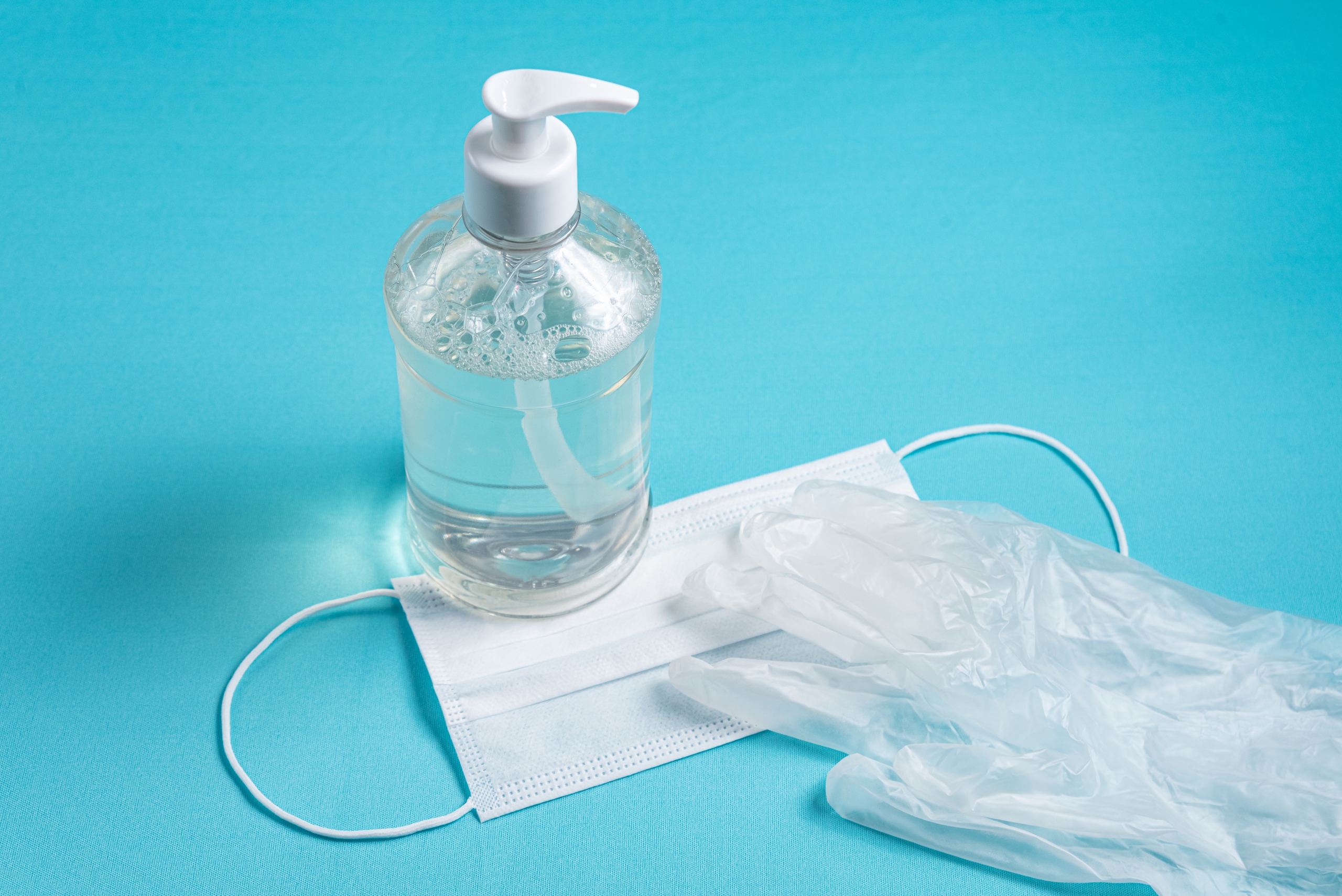
When cleaning up after heavy rain or flooding, wear boots and gloves to minimize contact with dirty water.
Wash thoroughly after contact : After contact with floodwater or cleaning, wash your hands, feet, and body with antibacterial soap to remove pathogens. Avoid leaving skin wet for extended periods.
Treat wounds immediately : If you have scratches or skin injuries, clean the wound with an antiseptic solution to prevent infection. In particular, do not soak your feet in water if you have an open wound.
Maintain personal hygiene : During rainy days with flooding and high tides, maintaining personal hygiene is extremely important. Change into dry clothes and keep your hands and feet clean and dry to prevent the growth of fungi and bacteria.
Environmental sanitation : After the floodwaters recede, it is necessary to clean the house, remove standing water and waste, and clean items that came into contact with floodwater to minimize the risk of infection.
Master - Doctor Nguyen Thi Quy said that during the period of prolonged flooding, raising awareness of preventing skin diseases is extremely important. People need to pay attention to taking care of their bodies, limit direct contact with dirty water and always maintain personal hygiene to protect their own health and that of their families.
Early detection and timely treatment of abnormal skin symptoms will help prevent the disease from progressing to a more severe stage. If there are signs of infection or the condition does not improve, people should go to medical facilities for proper advice and treatment.
Source: https://thanhnien.vn/mua-to-ngap-nuoc-bac-si-khuyen-cao-cac-benh-ngoai-da-185241019105805259.htm











































![[OFFICIAL] MISA GROUP ANNOUNCES ITS PIONEERING BRAND POSITIONING IN BUILDING AGENTIC AI FOR BUSINESSES, HOUSEHOLDS, AND THE GOVERNMENT](https://vphoto.vietnam.vn/thumb/402x226/vietnam/resource/IMAGE/2025/12/11/1765444754256_agentic-ai_postfb-scaled.png)













































Comment (0)