

- Sir, many structures around Hoan Kiem Lake are being demolished and relocated to expand cultural and recreational spaces, contributing to changing the landscape of the capital city. How do you assess this decision?
Associate Professor Bui Hoai Son: I believe this is a bold, necessary, and promising step. Hanoi has a rich history but is also facing significant challenges in its urban development. Expanding public spaces around Hoan Kiem Lake – a central area that holds many layers of cultural memories – if done correctly, will bring a positive transformation to the capital city.
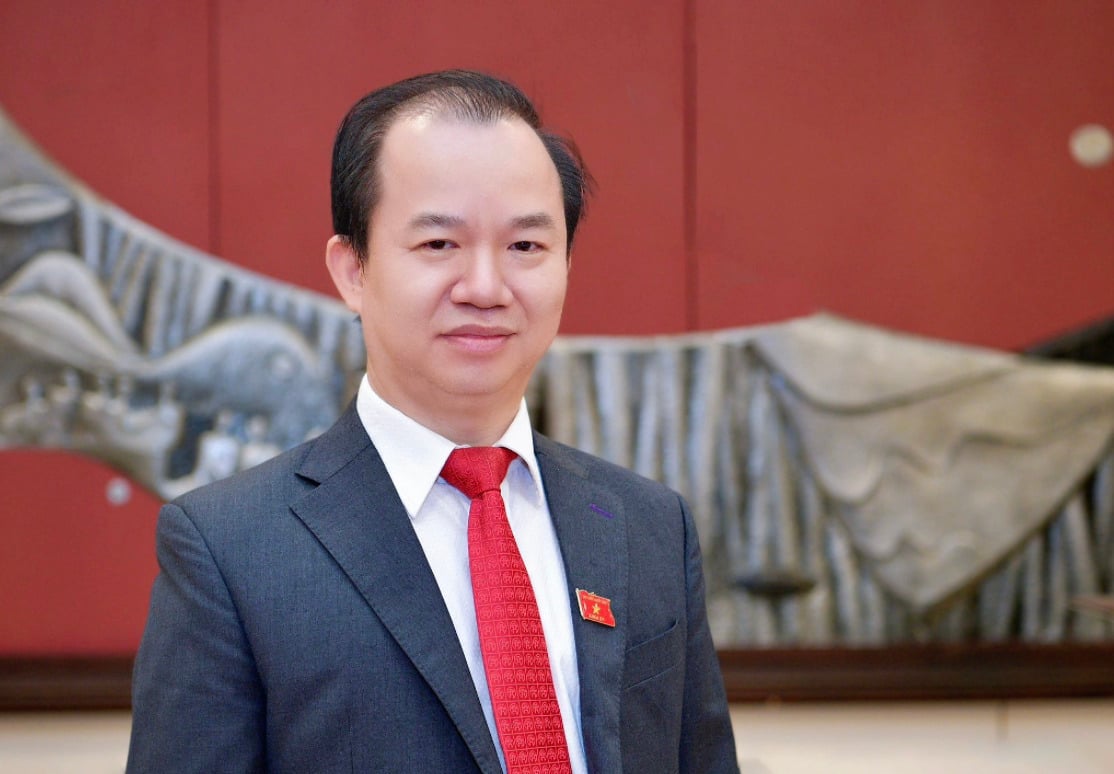
Associate Professor Bui Hoai Son, Standing Member of the National Assembly's Committee on Culture and Education . Photo: quochoi.vn
I see this as an opportunity for Hanoi to adjust aspects that are no longer in line with overall development. Some buildings, previously constructed to serve the economy , administration, and commerce, are gradually becoming out of sync with the heritage space, which requires elegance and harmony.
Of course, dismantling these structures is not simple, as each building carries certain connections with the people. But if this trade-off helps create truly meaningful cultural and recreational spaces, where people can enjoy the beauty of Hoan Kiem Lake more fully, then it is a worthwhile change.
However, it is crucial that this process is forward-looking, respects the past, and listens to the present. Buildings of architectural and cultural value need to be thoroughly reviewed to develop plans for preservation, repurposement, or creative conservation.
Expanding cultural space should not mean erasing memories, but rather finding ways for those memories to be continued in a new form, more suited to the rhythm of modern life.
- One of the most notable structures slated for demolition is the Shark's Jaw building. What are your thoughts on this decision?
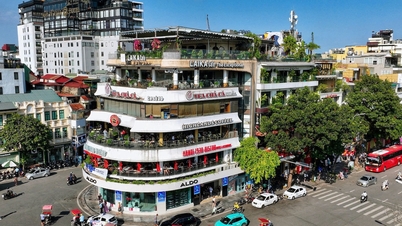
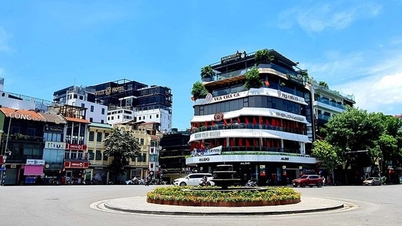
Associate Professor Bui Hoai Son: The demolition of the Shark's Jaw building will certainly evoke many emotions in the hearts of both locals and tourists. It is a familiar symbol, a place associated with the memories of many generations. I completely understand the regrets, and even the debates, surrounding this decision.
However, viewed objectively, the Shark Fin building has never truly blended with the landscape of Hoan Kiem Lake – a space that is inherently serene, ancient, and sacred. When it was built in the 1990s, it represented a new stage of development for Hanoi. But now, with the top priority being expanding public spaces and respecting heritage, the existence of this building is no longer appropriate.
I believe that dismantling doesn't mean "erasing a memory," but rather a way to renew that memory in a different way. When the space around Hoan Kiem Lake becomes more open, when the Turtle Tower can be seen completely from all directions, when people have more places to stroll, rest, and socialize – then, in that very place, memories will be continued in a different form, lighter and more familiar.
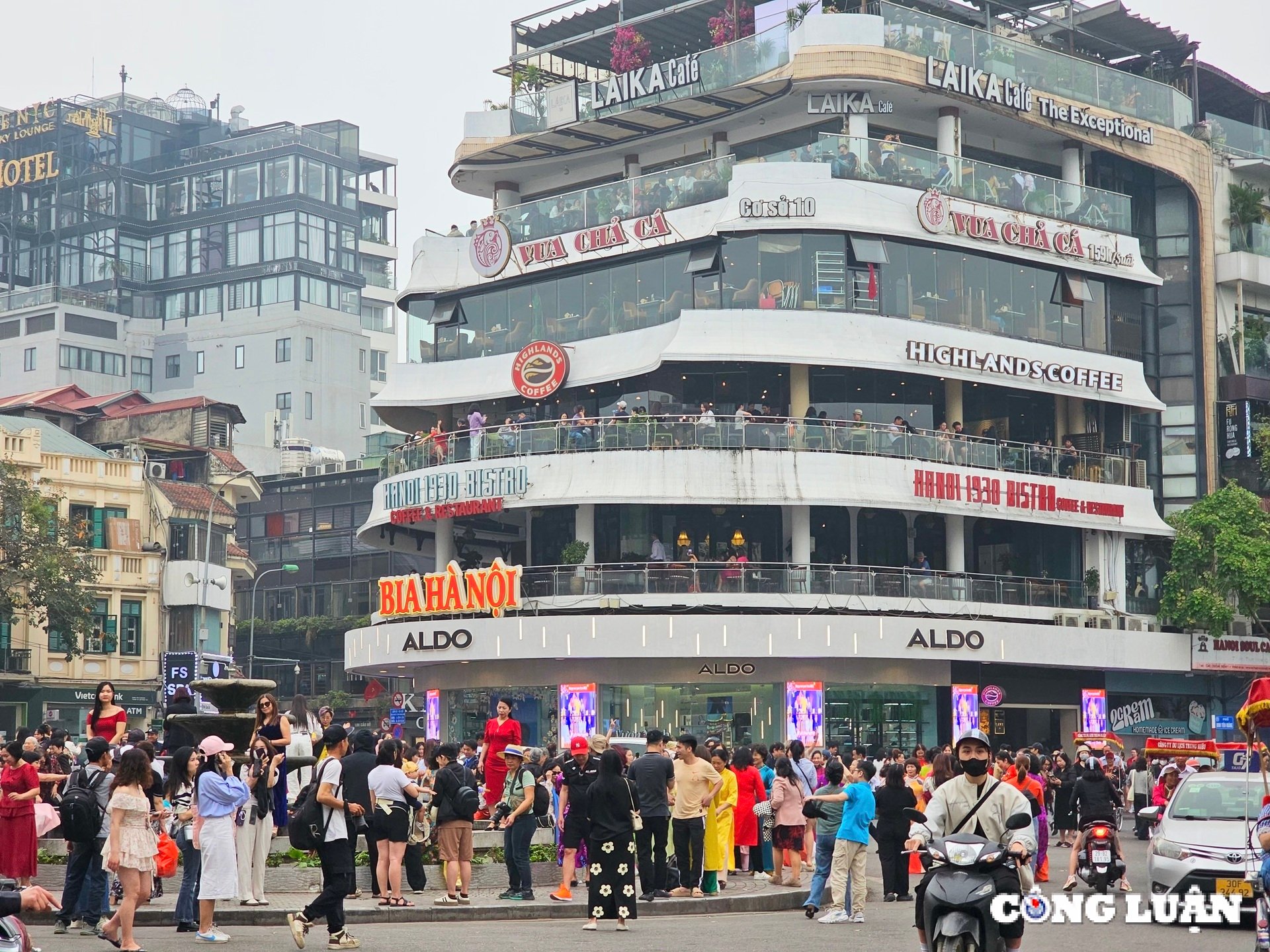
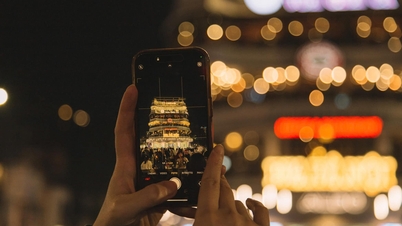
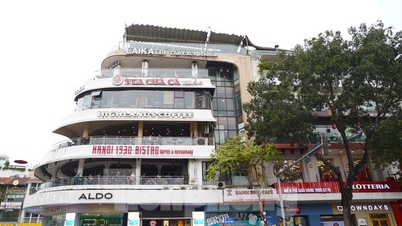
In the period before demolition, hundreds of locals and tourists flocked to the Shark's Jaw building to take pictures.
- It's not just the Shark Fin building; over 50 other structures are also slated for demolition to expand the space. In your opinion, should this be reconsidered, or are there other solutions needed?
Associate Professor Bui Hoai Son: From a cultural perspective, the demolition of numerous structures around Hoan Kiem Lake is not a simple matter. These are not just concrete blocks, but also anchors of memory, places where layers of Hanoi's history have been interwoven over generations.
I believe that the issue shouldn't be approached in an extreme way – either keeping everything or demolishing everything. Instead, a careful selection process is needed, based on specific criteria regarding architectural, historical, and cultural value, the extent of impact on the overall urban plan, and community sentiment.
Some buildings, though old, embody the soul of the city and can be renovated to suit new needs. Conversely, buildings that are no longer suitable should be demolished if replaced with humane and sustainable planning solutions.
Hanoi needs to develop its infrastructure and transportation, but it must also preserve its urban identity. A capital city with a thousand years of history and culture cannot have just wide roads and large squares; it also needs spaces that preserve memories and create the "essence of Hanoi."
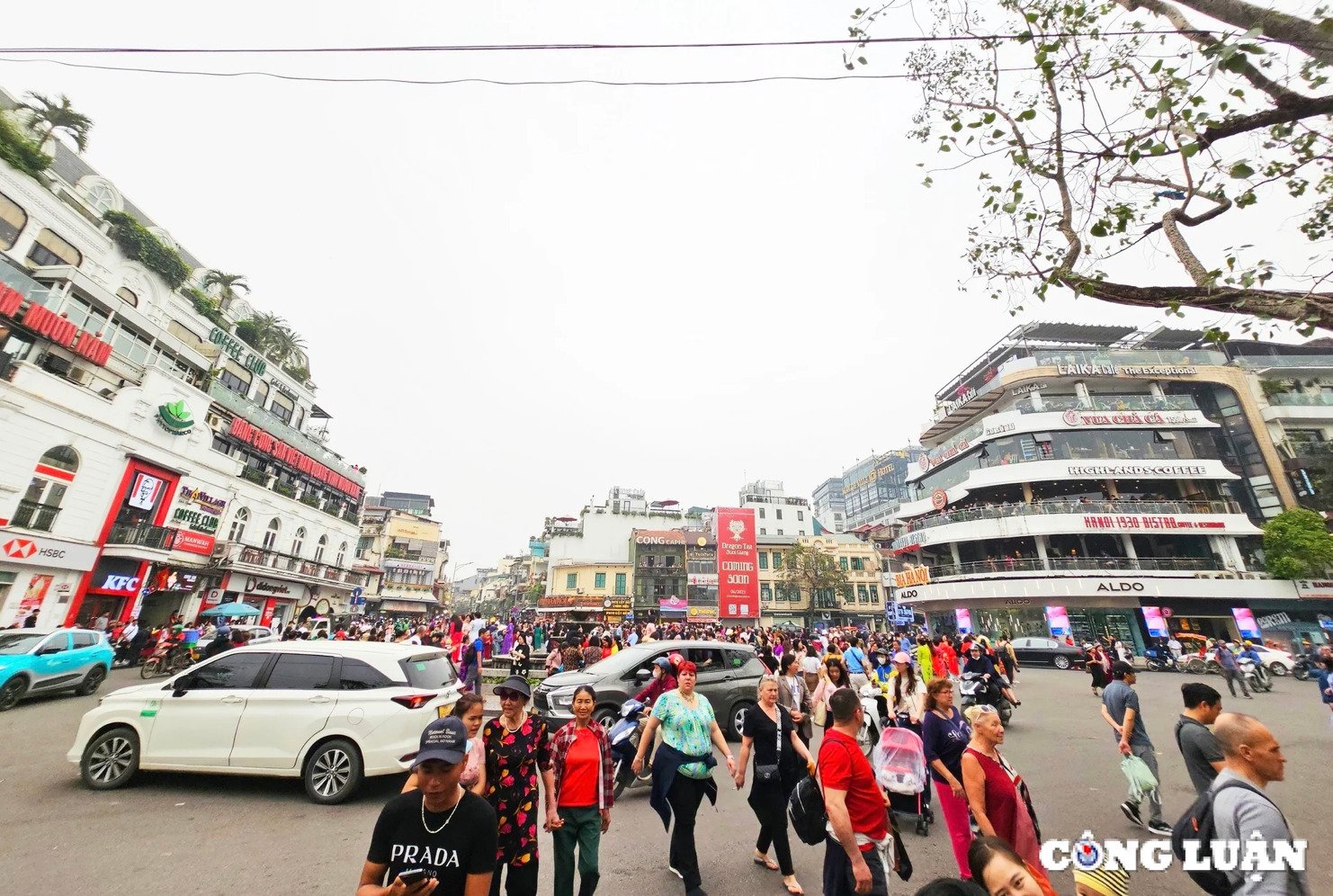
The fountain area in front of the Shark's Jaw building.
- From a personal perspective, what are your expectations for the new look of the Ho Guom area after the renovation process?
Associate Professor Bui Hoai Son: I hope that after the renovation process, Hoan Kiem Lake will truly become a model public cultural space – a place not only for sightseeing, but also an open stage for the cultural life of the capital, a place for street art activities, a space for displaying heritage, and community interaction.
If properly planned, this area could absolutely become Hanoi's cultural "calling card"—a must-visit destination for tourists, a vibrant cultural space for residents, and a symbol of a sustainably developing city built on a cultural foundation.
I believe that if this change is implemented systematically, with social consensus and a long-term vision, Hanoi will have a more beautiful, more open, and more vibrant Hoan Kiem Lake – a space truly worthy of its status as the heart of the thousand-year-old capital.
Thank you, sir!
Viet Trung (compiled)
Source: https://www.congluan.vn/pgsts-bui-hoai-son-cai-tao-khong-gian-van-hoa-o-ho-guom-la-mot-buoc-di-tao-bao-can-thiet-post340302.html

















![[Photo] Prime Minister Pham Minh Chinh holds a phone call with the CEO of Russia's Rosatom Corporation.](/_next/image?url=https%3A%2F%2Fvphoto.vietnam.vn%2Fthumb%2F1200x675%2Fvietnam%2Fresource%2FIMAGE%2F2025%2F12%2F11%2F1765464552365_dsc-5295-jpg.webp&w=3840&q=75)













































Comment (0)