

According to the Provincial Agricultural Extension Center, from the two pilot community agricultural extension teams with 10 members participating since 2022 in Hoa Binh province (formerly), there are now 19 communes in the province with expanded community agricultural extension teams, comprising 39 teams attracting 249 members. The community agricultural extension team model has created a sufficiently wide network of grassroots agricultural extension to support people in agricultural production.
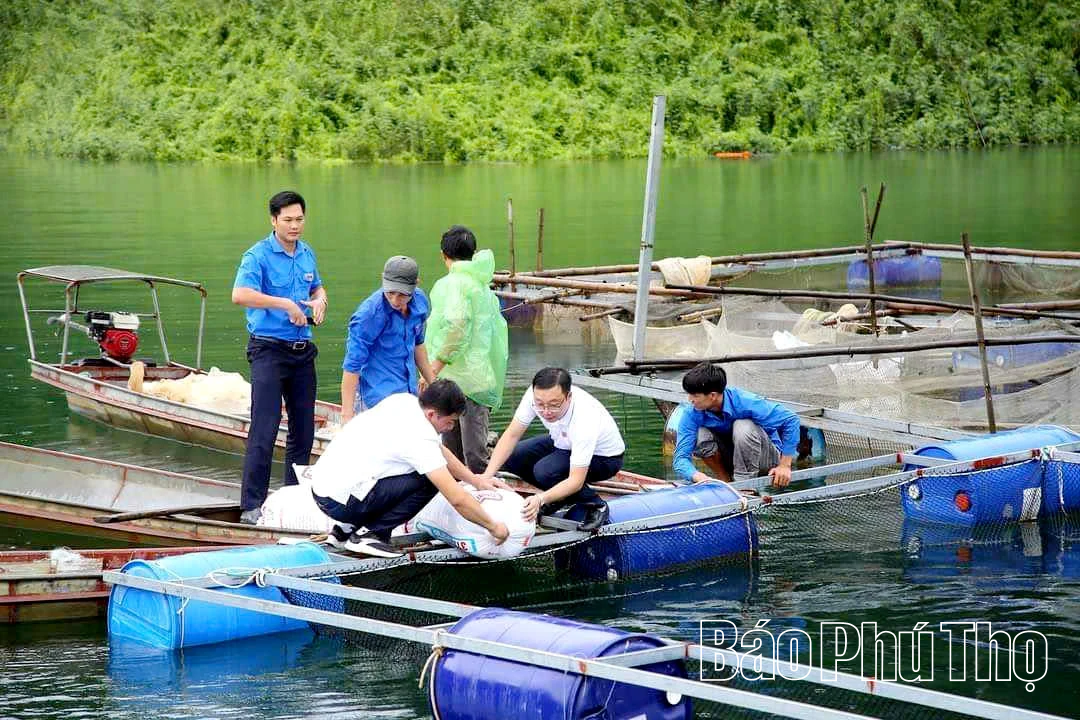
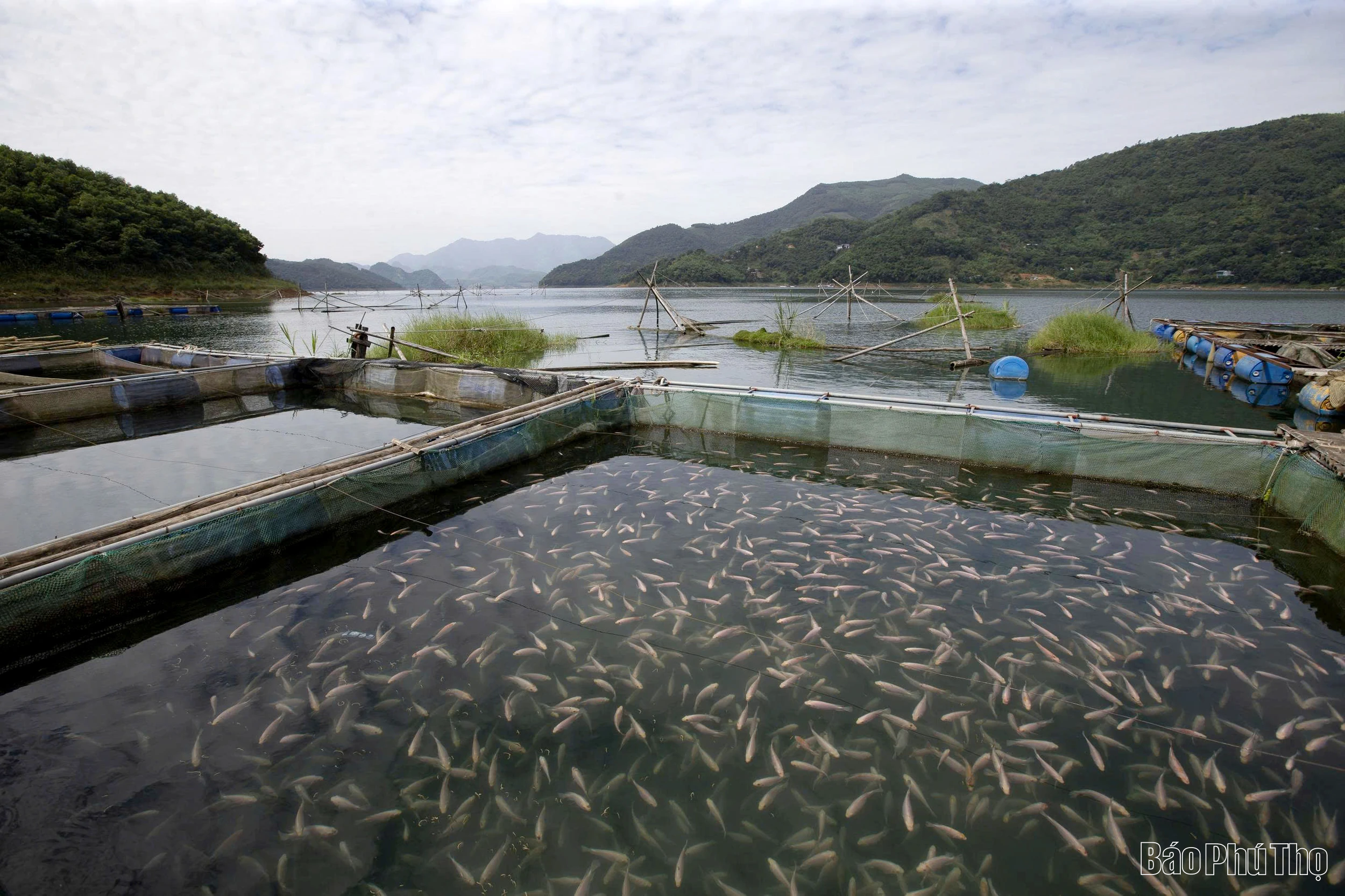
The model of "Raising snakehead fish in cages in the Son La - Hoa Binh hydroelectric reservoir according to VietGAP standards," implemented by the community agricultural extension team of Thung Nai commune (formerly) since 2023, has yielded high efficiency.
The members of the community agricultural extension teams are mainly agricultural officials, commune-level officials, and representatives of cooperatives, all of whom have a deep understanding of local production characteristics. In particular, each community agricultural extension team undertakes crucial tasks such as providing production advice, transferring technology, guiding farmers to participate in agricultural extension models, and connecting them with businesses for market access.
In recent years, community agricultural extension teams have collaborated with specialized units to organize hundreds of training courses on techniques in crop cultivation, livestock farming, forestry, aquaculture, and mechanization. Simultaneously, information on market trends, prices of supplies, pests and diseases, and new policies is regularly updated for the people. Many community agricultural extension teams have successfully connected with businesses to market their products...
One of the exemplary models is the "Raising Catfish in Cages in the Son La - Hoa Binh Hydropower Reservoir according to VietGAP standards" model, implemented in 2023 by the Community Agricultural Extension Team of Thung Nai (formerly) commune. After one year of implementation, the model was highly appreciated for its economic efficiency and its connection to ecotourism development. The success of the model affirms the role of the Community Agricultural Extension Team in bringing sustainable production standards into daily life, while also opening up a direction for the development of high-quality aquaculture in the reservoir area.
In the former Da Phuc commune, the community agricultural extension team has partnered with T9 Agricultural Products Import-Export Co., Ltd. to develop chili and passion fruit production models; connected with Tien Ngan Company to purchase purple sugarcane for export; and collaborated with a Taiwanese (China) sugarcane company to expand sugarcane juice production. In the former My Hoa commune, the community agricultural extension team has connected local cooperatives with Fusa Company in developing and purchasing chili and sweet corn production and procurement.
According to the Provincial Agricultural Extension Center, community agricultural extension teams have helped people shift their production mindset from small-scale, self-sufficient farming to a commodity-oriented approach along the value chain. These community agricultural extension teams have become an effective bridge between the government, specialized agencies, businesses, and farmers.
However, after the merger, the community agricultural extension group model is facing numerous difficulties. In some localities, the agricultural extension system is in disarray, affecting the activities of the community agricultural extension groups. Many officials have changed positions, the workforce mainly consists of part-time workers, members lack legal status, making it difficult to generate revenue to maintain operations; allowances are low, and many work on a voluntary basis. In addition, there is a lack of infrastructure; the groups do not have their own offices but share equipment with the commune People's Committee... thereby affecting the quality of consulting and technology transfer activities.
To ensure the continued effectiveness of the community-based agricultural extension model, in line with the new context, the Provincial Agricultural Extension Center is proposing various solutions and making several important recommendations for the future. Specifically, the Center recommends that the province promptly finalize mechanisms, increase allowances, and provide financial support to maintain and develop community-based agricultural extension groups. The province also needs to quickly consolidate grassroots agricultural extension organizations, stabilize personnel after mergers, and invest in infrastructure, equipment, and digital platforms to help community-based agricultural extension groups operate more effectively.
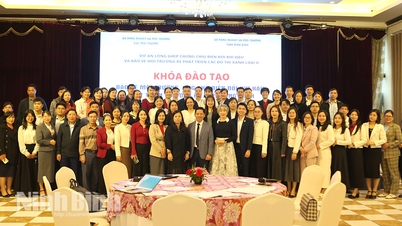
In addition, the Center will continue to organize training courses to enhance capacity and knowledge on cooperatives, digital transformation and technology application in agricultural production and traceability, as well as improve professional knowledge to better perform the functions and tasks of community agricultural extension groups. It will promote the transfer of scientific and technological advancements to farmers, cooperatives, and cooperative groups; guide farmers, cooperatives, and cooperative groups to participate in agricultural extension projects and models in raw material areas; provide advice and support for the establishment of cooperatives; and promote production and product consumption linkages.
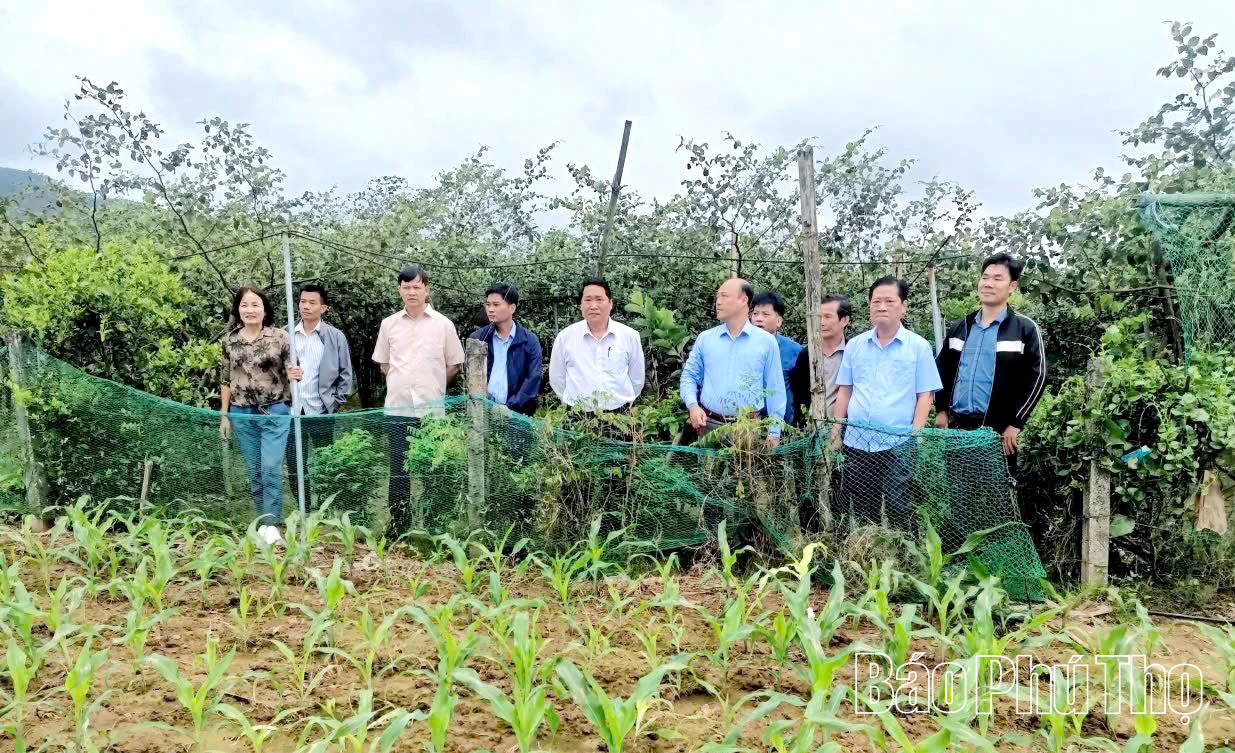
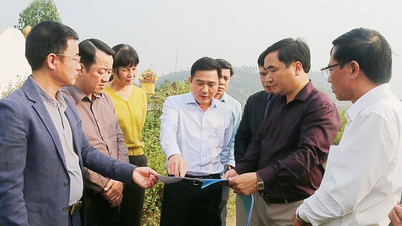
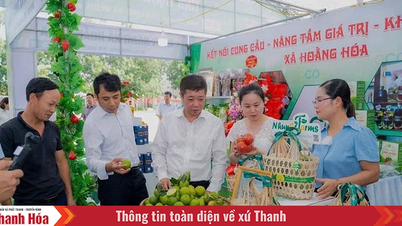
Leaders of the commune, the Economic and Agricultural Extension Department (Public Service Center) visited the apple cultivation model to develop a model for the key specialty crop, Luong Nha apples, aiming to build a 3-star OCOP product for Yen Son commune.
With the above solutions, it is hoped that the community agricultural extension team within the two-tiered local government model will play a bridging role between scientists, managers, and farmers, helping farmers access knowledge, technology, markets, and resources to become self-reliant, improve their lives, and contribute to building an efficient and sustainable agriculture towards ecological agriculture, modern rural areas, and civilized farmers.
Dinh Tu
Source: https://baophutho.vn/phat-huy-hieu-qua-mo-hinh-to-khuyen-nong-cong-dong-243979.htm




















































































Comment (0)