

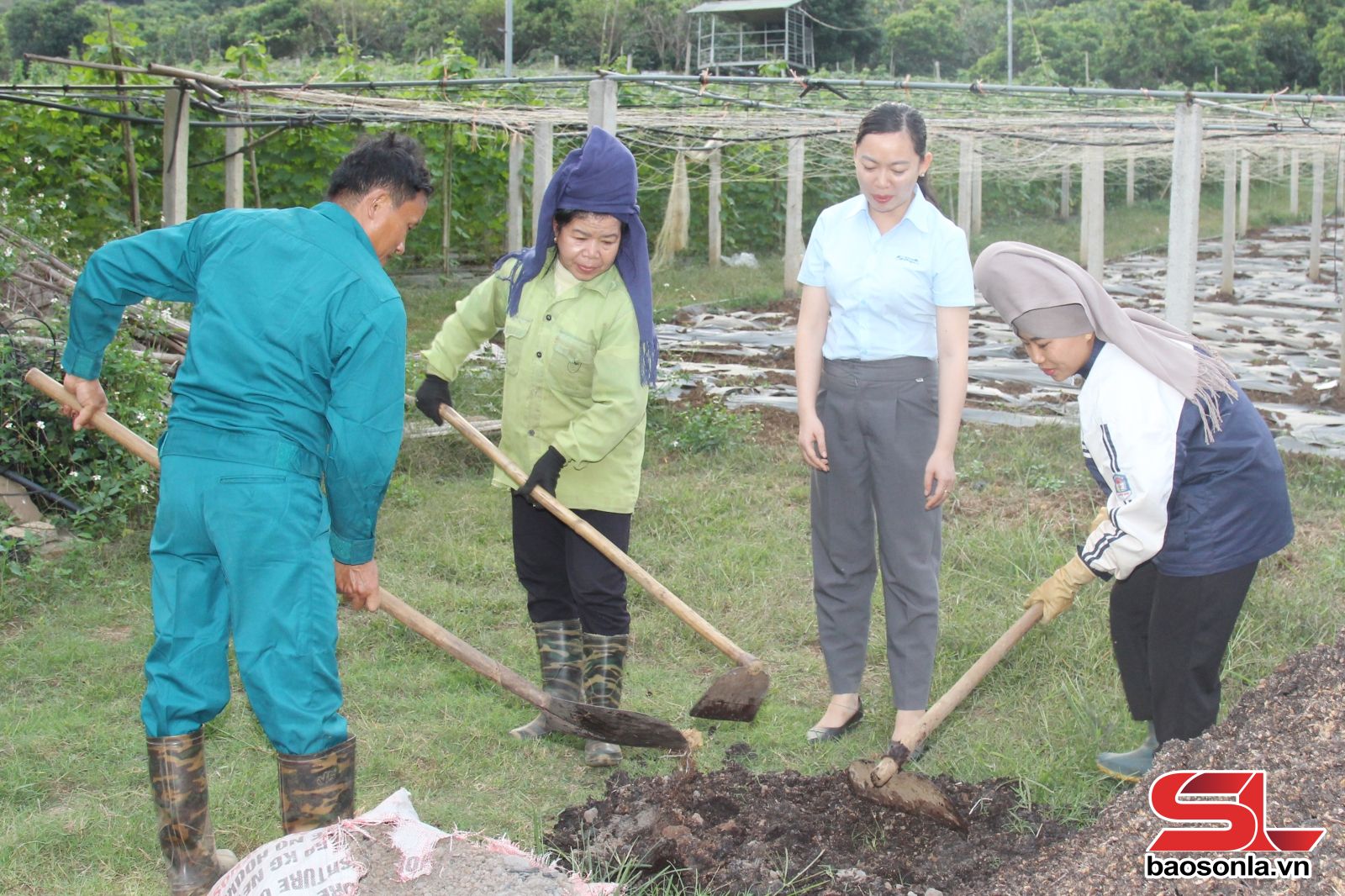
The whole province strives to grow about 25,000 hectares of vegetables by 2030, with an output of over 300,000 tons. Of which, safe, concentrated vegetables with traceable origins will reach 7,500 hectares, with an output of over 80,000 tons; over 95% of samples have been tested to ensure safety. The province has built safe vegetable production areas according to the 2021-2030 planning, attracting businesses to invest in agriculture, forming a chain from production to processing and consumption. At the same time, it supports the development of cooperatives, issues codes for growing areas, organizes training on production techniques, preliminary processing and preservation of safe vegetables for people.
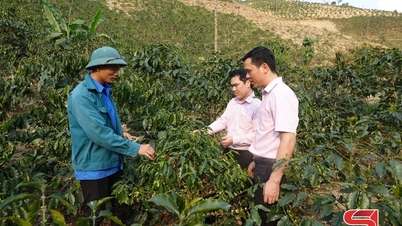
Mr. Tran Dung Tien, Deputy Director of the Department of Agriculture and Environment, said: Every year, the Department issues guidelines on structure and planting season; coordinates with the Japan International Cooperation Agency (JICA) to build a safe vegetable model, raising awareness among producers and consumers. The Department also supports certified establishments, develops raw material areas for processing, provides training on post-harvest preservation, invests in upgrading irrigation systems to ensure water supply, contributing to increasing economic value per unit area.
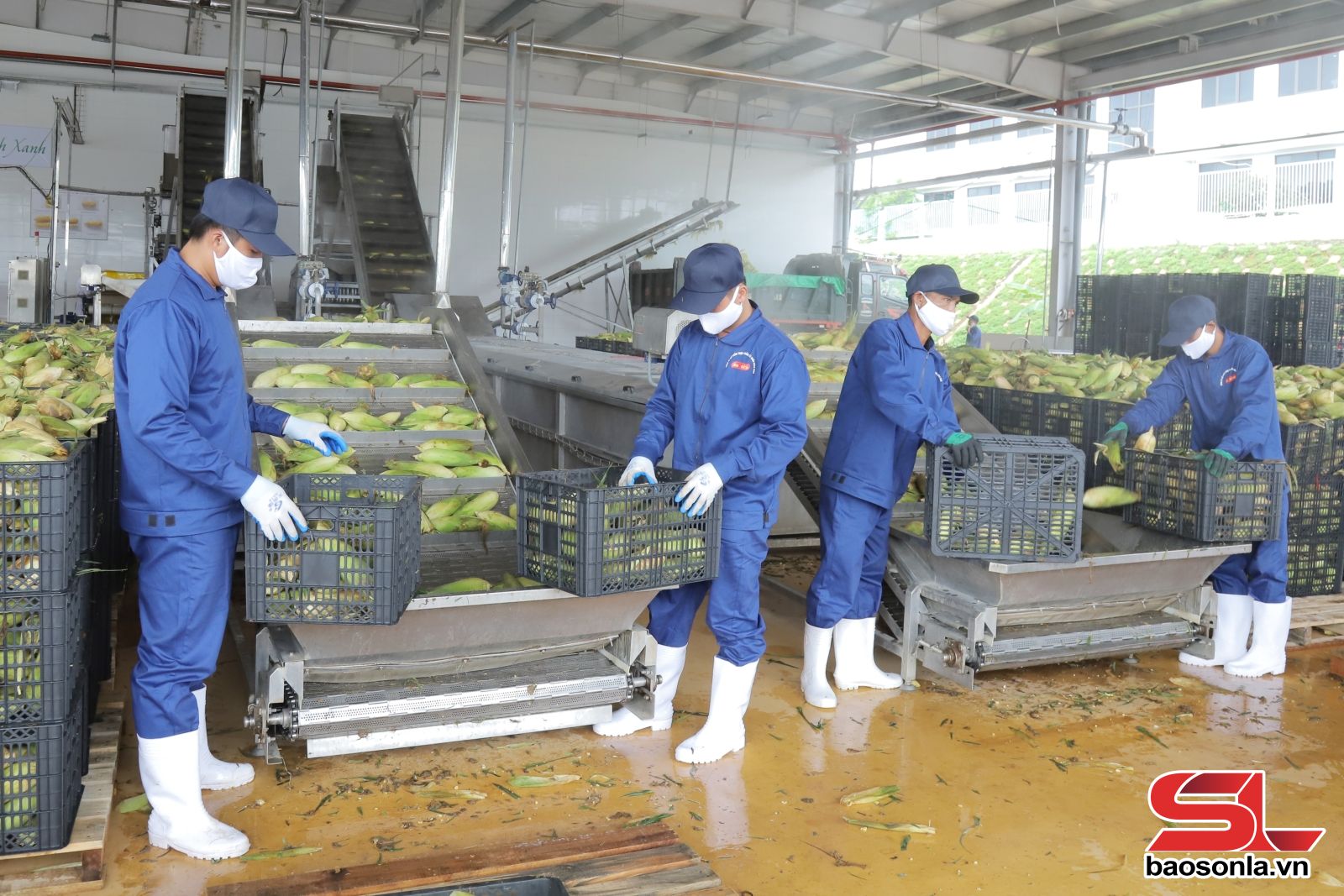
By the end of 2024, the whole province will have planted nearly 14,000 hectares of vegetables and spices, with an output of more than 195,800 tons. The area of many types of vegetables will increase: Leafy vegetables will reach 5,238 hectares, with an output of 83,200 tons; legumes will reach 1,164 hectares, with an output of 13,259 tons; fruit vegetables will reach 5,108 hectares, with an output of more than 77,000 tons. There are 11 cooperatives certified by VietGAP; maintaining 40 safe vegetable supply chains, with an output of 13,396 tons/year. In particular, the Tu Nhien Safe Vegetable Cooperative in Dong Sang commune has been certified for organic vegetable production, with an output of 145 tons/year.
Ms. Nguyen Thi Luyen, Director of the Natural Safe Vegetable Cooperative, Dong Sang Commune, shared: Organic certification creates a competitive advantage, helping the Cooperative's products easily enter supermarkets and gain customers' trust. Currently, the Cooperative requires member households and associated households to apply information technology in management, control of production processes, and affix traceability labels, ensuring quality to consumers.
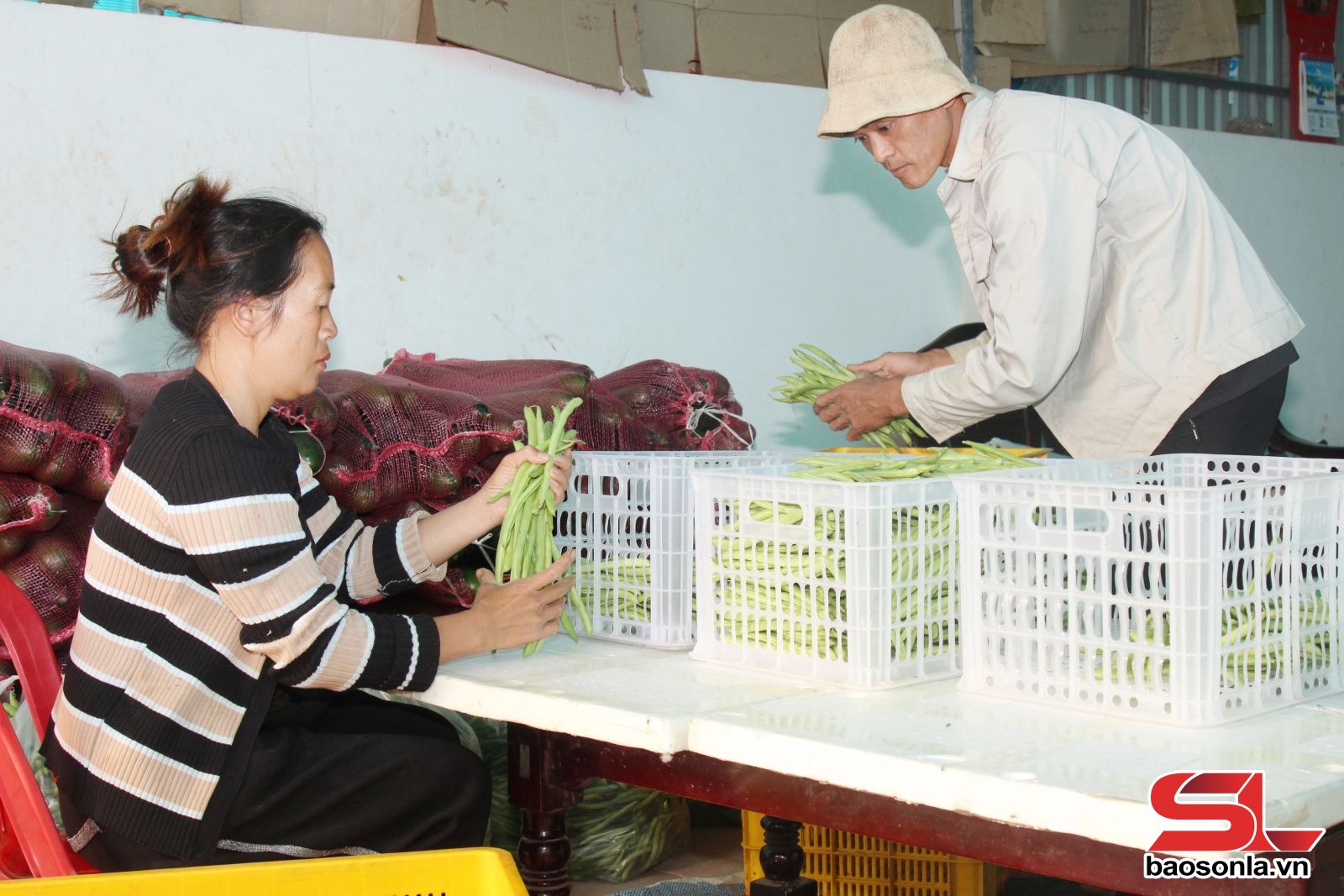
In addition, many sustainable linkage chains between farmers, cooperatives and enterprises have been formed, contributing to the development of safe vegetable production and consumption, traceability, and effective maintenance and expansion of raw material areas for processing factories. Mr. Pham Ngoc Thanh, Deputy General Director of Dong Giao Food and Export Joint Stock Company, said: Up to now, the Company has built nearly 1,500 hectares of raw material areas in Son La, of which about 50% of the area is used for growing vegetables and tubers for processing. Every year, the Company has purchased and processed more than 24,000 tons of sweet corn, soybeans and other vegetables, ensuring a stable supply for factories and sustainable output for farmers.
The plan to develop safe vegetable areas by 2030, after 2 years, has shown clear results, with expanded vegetable areas, increased output and quality, and the establishment of a linkage chain and safe production areas. This will be the basis for our province to continue to achieve its set goals, towards sustainable vegetable production, enhancing the value and position of agricultural products, and at the same time bringing stable income to farmers.
Source: https://baosonla.vn/kinh-te/phat-trien-vung-san-xuat-rau-an-toan-gan-voi-che-bien-va-tieu-thu-4I9rrj9Hg.html


![[Photo] General Secretary To Lam receives the Director of the Academy of Public Administration and National Economy under the President of the Russian Federation](/_next/image?url=https%3A%2F%2Fvphoto.vietnam.vn%2Fthumb%2F1200x675%2Fvietnam%2Fresource%2FIMAGE%2F2025%2F12%2F08%2F1765200203892_a1-bnd-0933-4198-jpg.webp&w=3840&q=75)













































































Comment (0)