

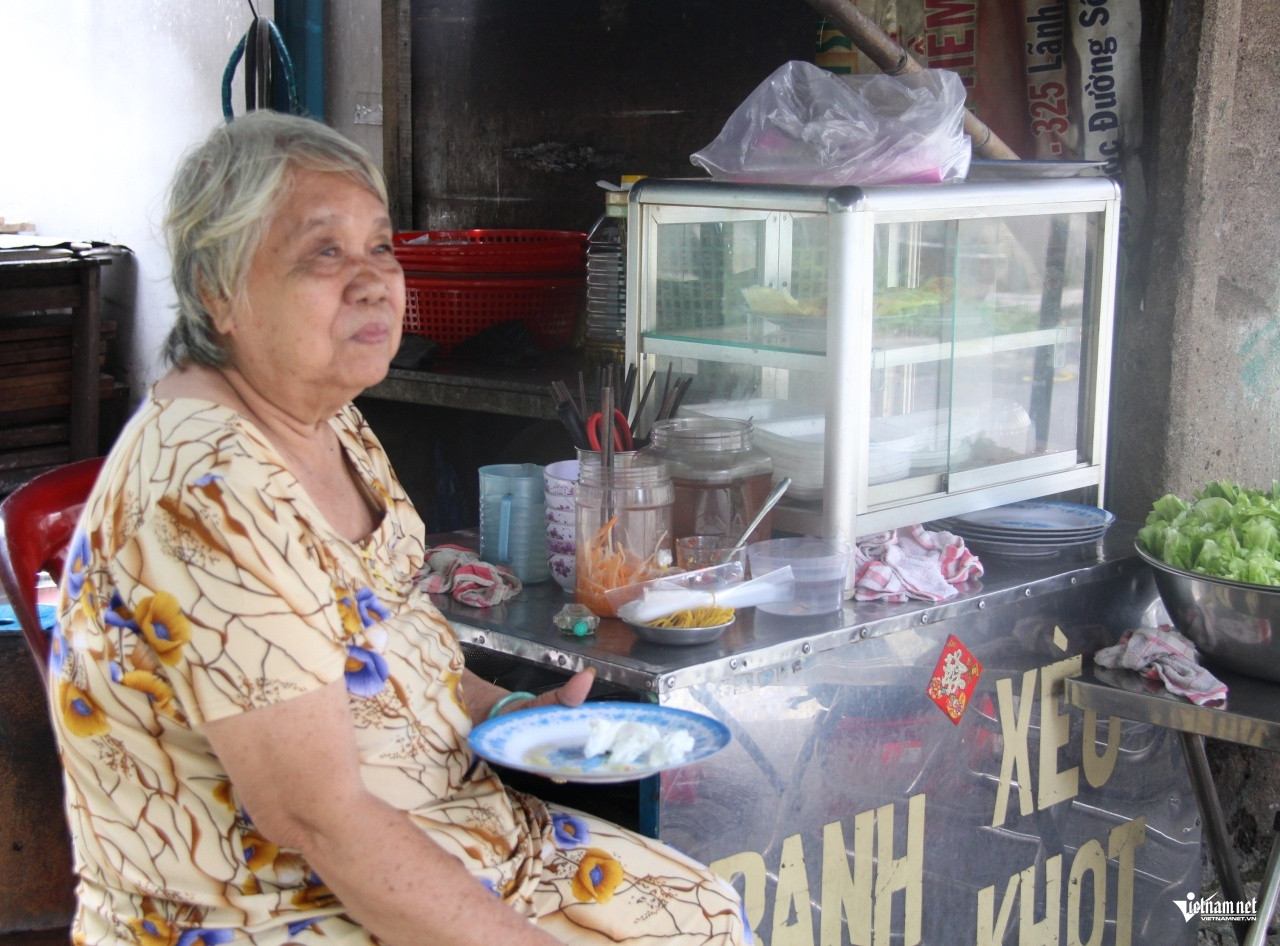
The hidden bakery in the alley.
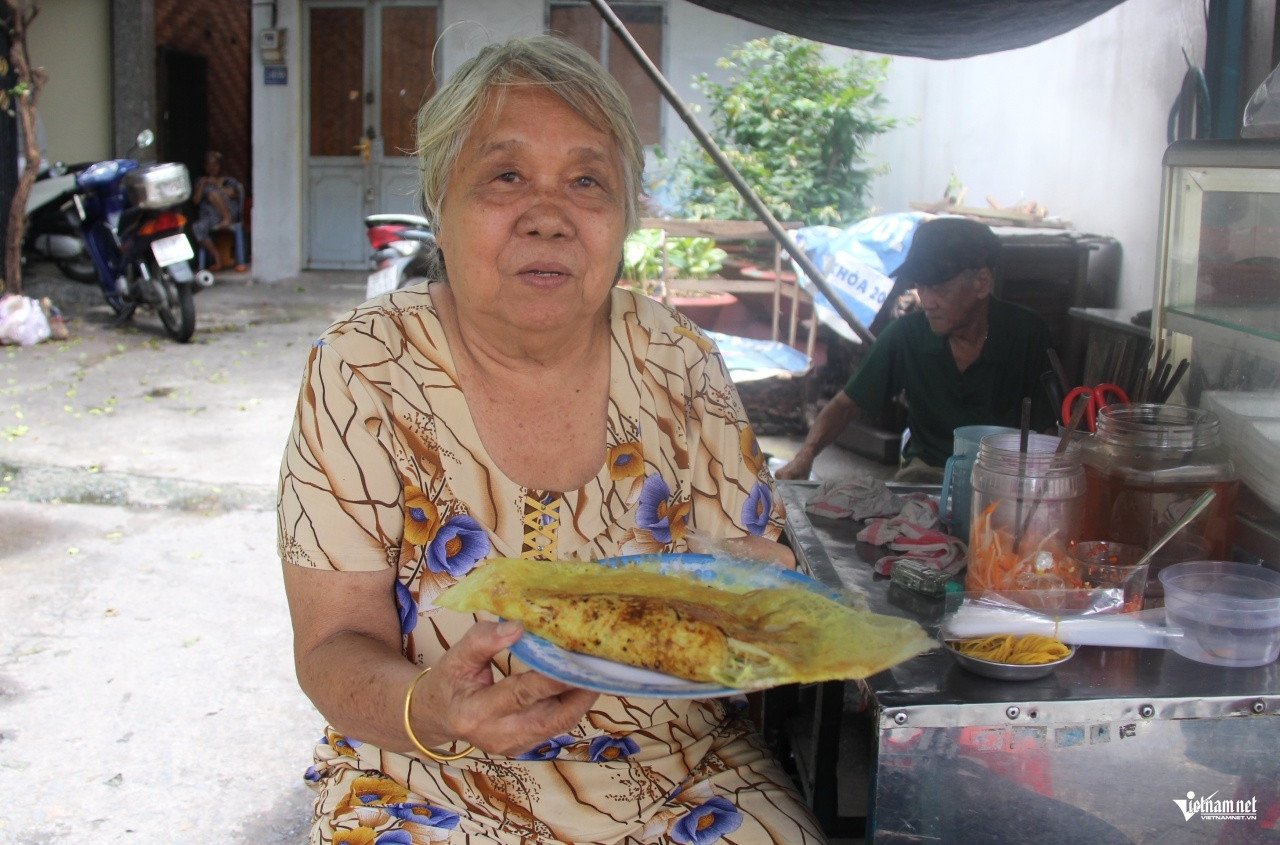
At noon, seeing customers stopping at a small pancake stall located in an alley on Han Hai Nguyen Street (Binh Thoi Ward, Ho Chi Minh City), Mrs. Nguyen Thi Diep (68 years old) quickly called out. Hearing his wife's voice, Mr. Nguyen Van Diep (72 years old) responded briefly and hurried out to light the stove.
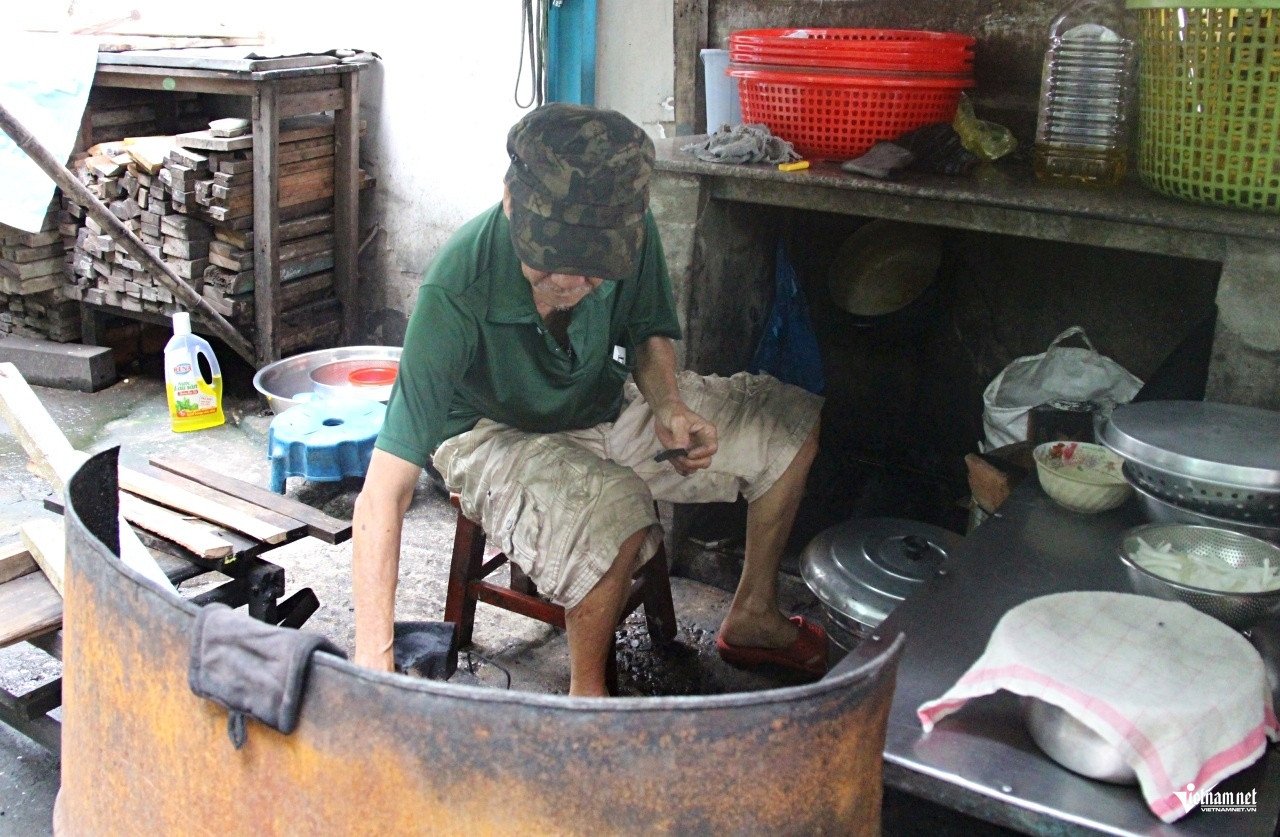
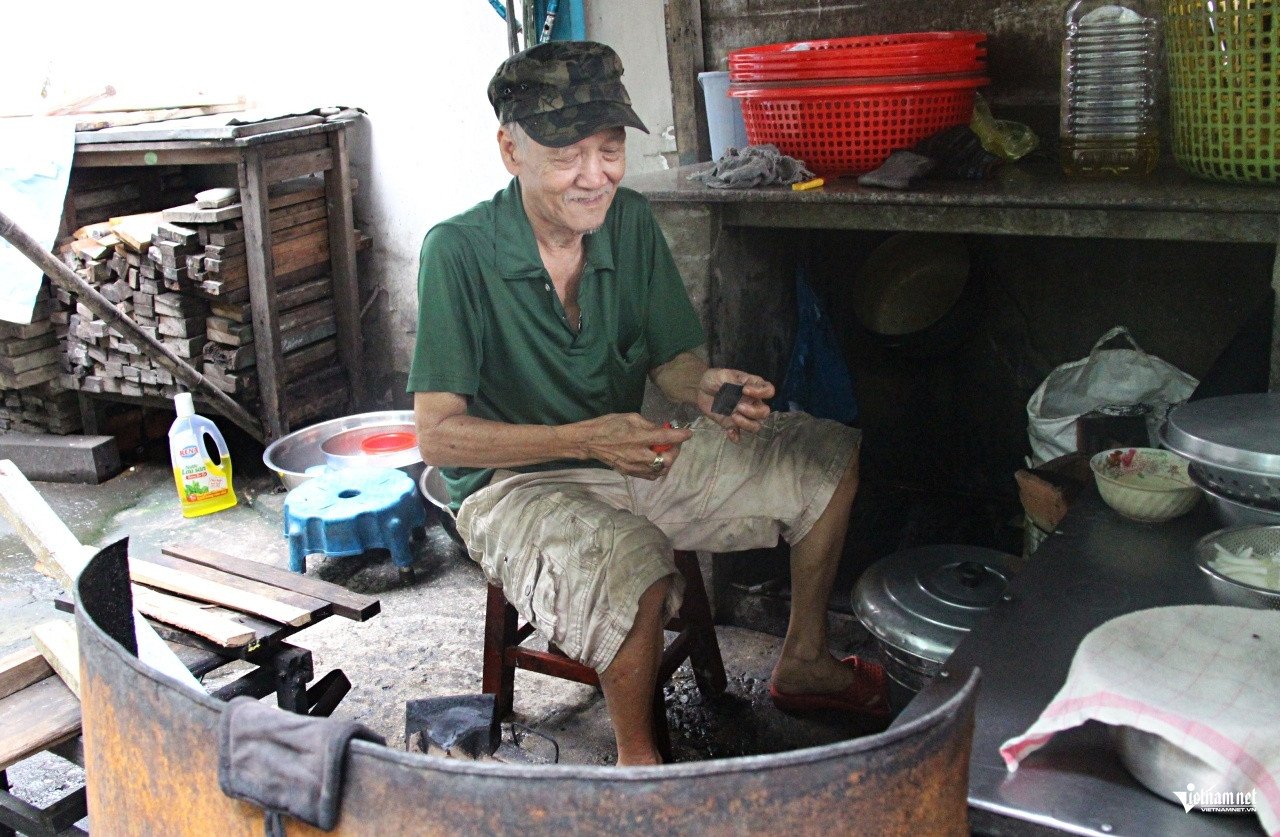
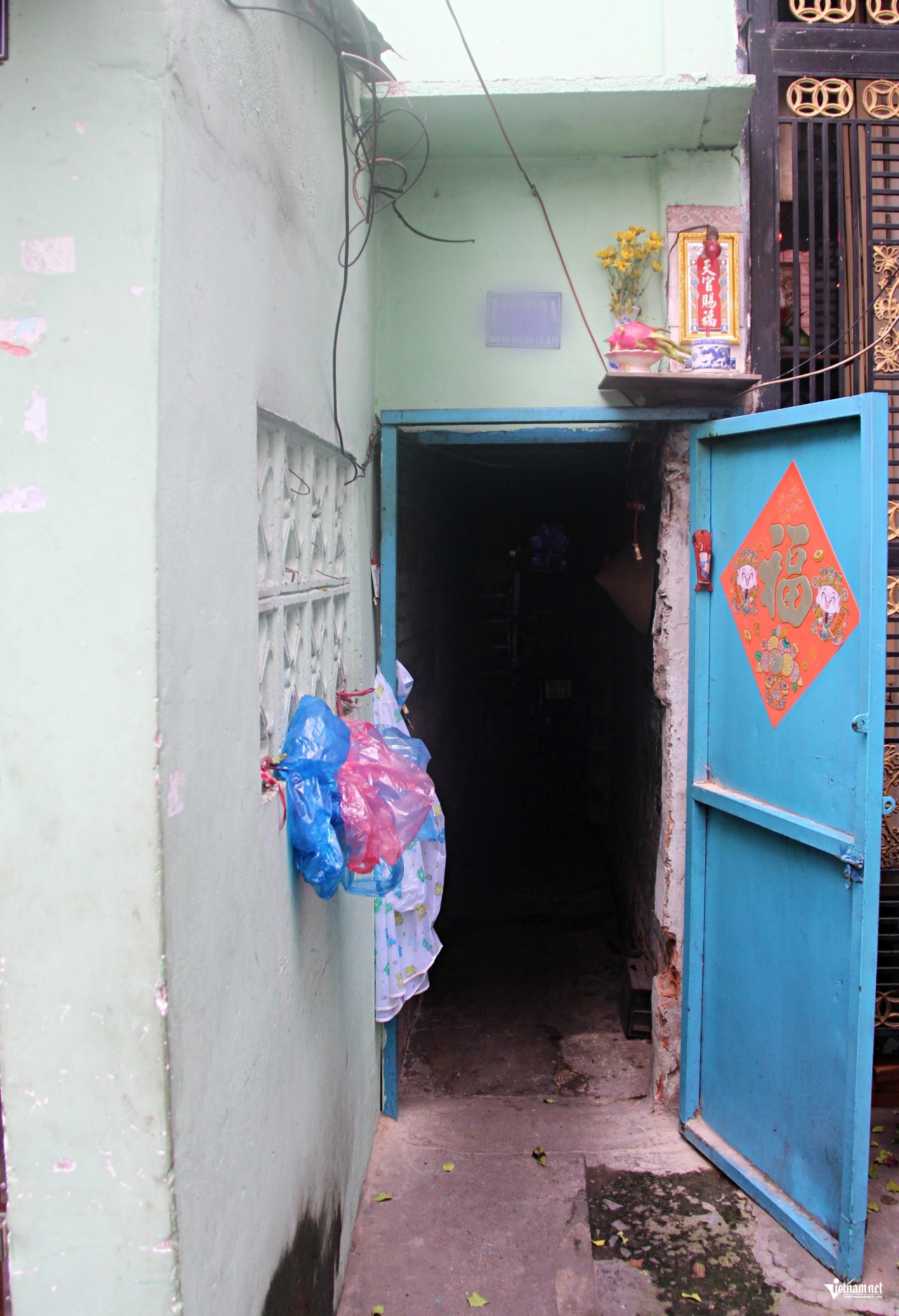
It's called a shop, but in reality, it's just a small glass display case on a stainless steel table, with only a few plastic tables and chairs in front. Behind the glass case is a wood-fired stove for frying pancakes, along with neatly stacked piles of dry firewood. Everything is tucked under a large umbrella in the corner of the alley.
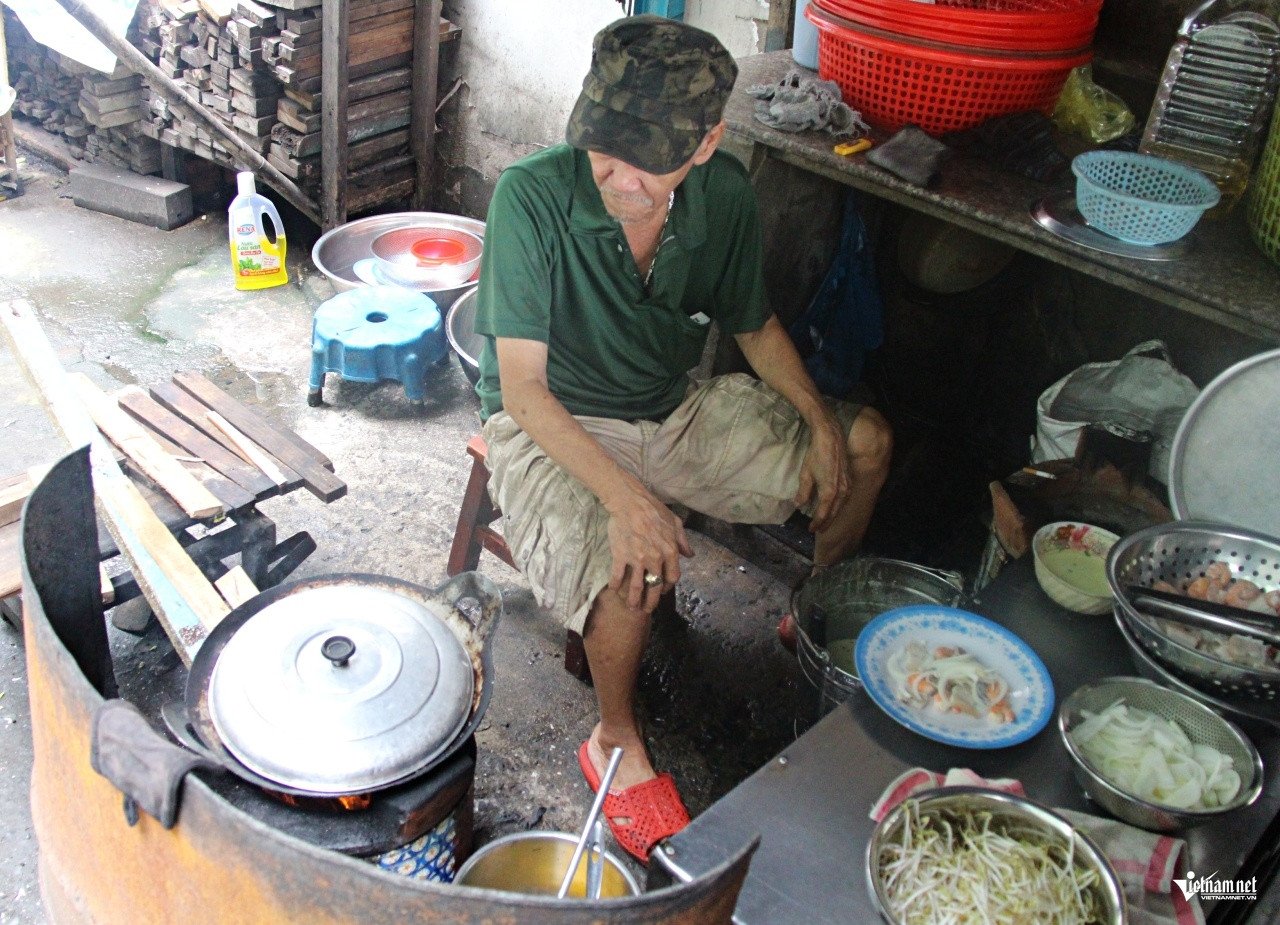
Only when he was sure there would be customers ordering pancakes did Mr. Diep carefully stack the firewood and light the old stove. While waiting for the fire to burn, Mrs. Diep prepared the accompanying vegetables and recounted the story of how the pancake dish had sustained their family for decades.
 |  |
In her younger days, lacking capital, Mrs. Diep carried scrap metal around the neighborhood because it didn't require much investment and provided immediate income. Even after having four children, she continued to struggle to make a living, while Mr. Diep worked as a cyclo driver.
Later, realizing she no longer had the strength to carry scrap metal, Mrs. Diep decided to change professions. Seeing a firewood depot near her house, she came up with the idea of buying wood chips and scraps to use as fuel for frying Vietnamese pancakes.
 |  |
She recounted, "Banh xeo (Vietnamese savory pancake) is a popular dish that almost everyone knows. So, I decided to choose good quality rice, grind it into flour, and fry pancakes to sell as a trial. I mixed the batter and made the filling according to my own ideas; no one taught me, and I didn't follow anyone's recipe."
In the early days, the cakes were sometimes crumbly, sometimes burnt; the taste was sometimes bland, sometimes excessively salty. Even so, I still had customers and received feedback from them.
Based on that feedback, I gradually adjusted and found my own recipe for mixing the batter and frying the cakes, which led to more customers. When sales stabilized, I told my husband to quit driving his cyclo and come sell cakes with me.
Before we knew it, my wife and I had been frying and selling Vietnamese savory pancakes together for over 30 years. Thanks to this work, I was able to make ends meet and raise four children."
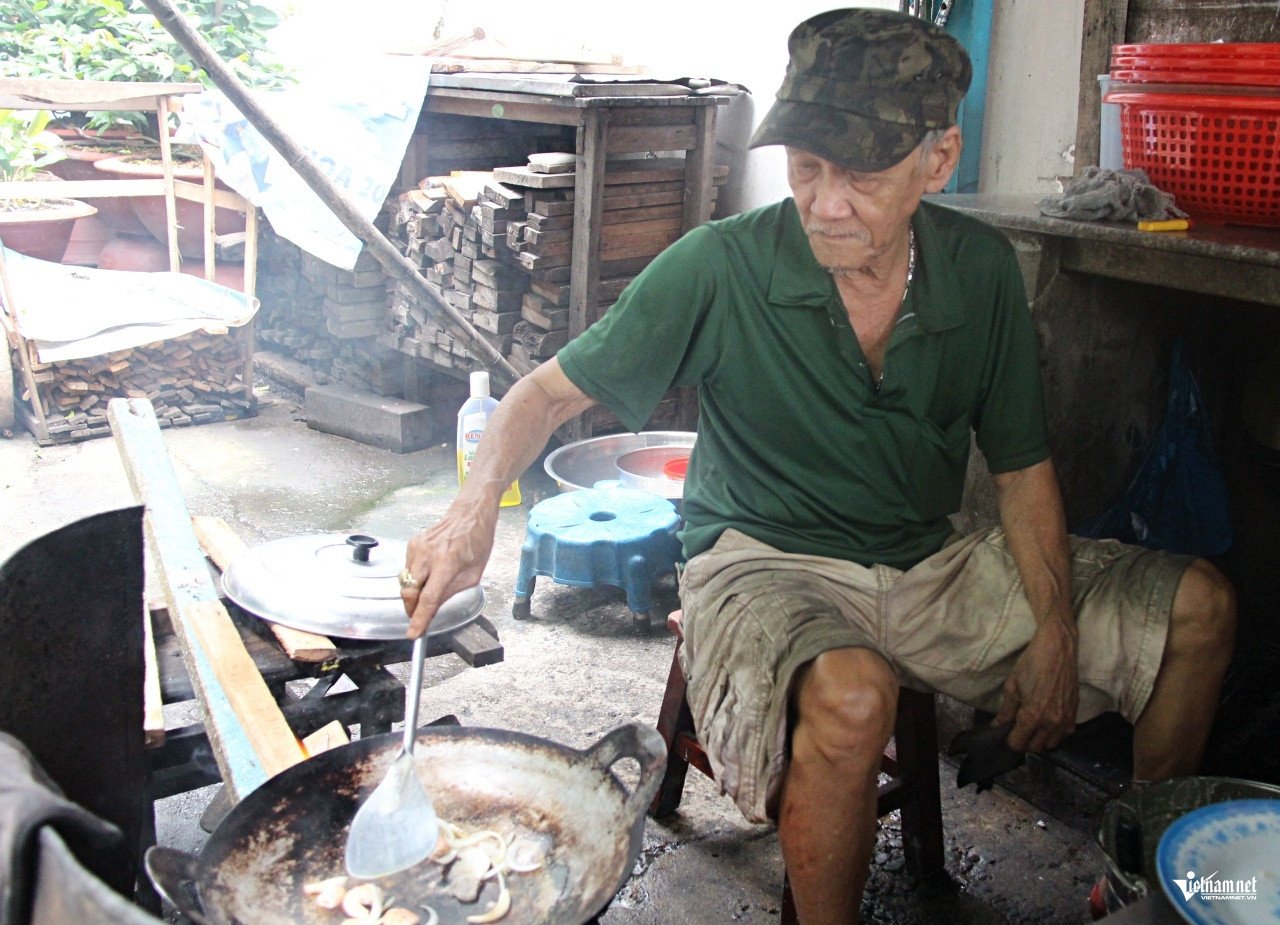
Mr. and Mrs. Diep sell banh xeo (Vietnamese savory pancakes) from the Mekong Delta. For over 30 years, they have only fried the pancakes using a wood-fired stove because, according to Mrs. Diep, this is how the pancakes taste best and retain the traditional flavor.
 | 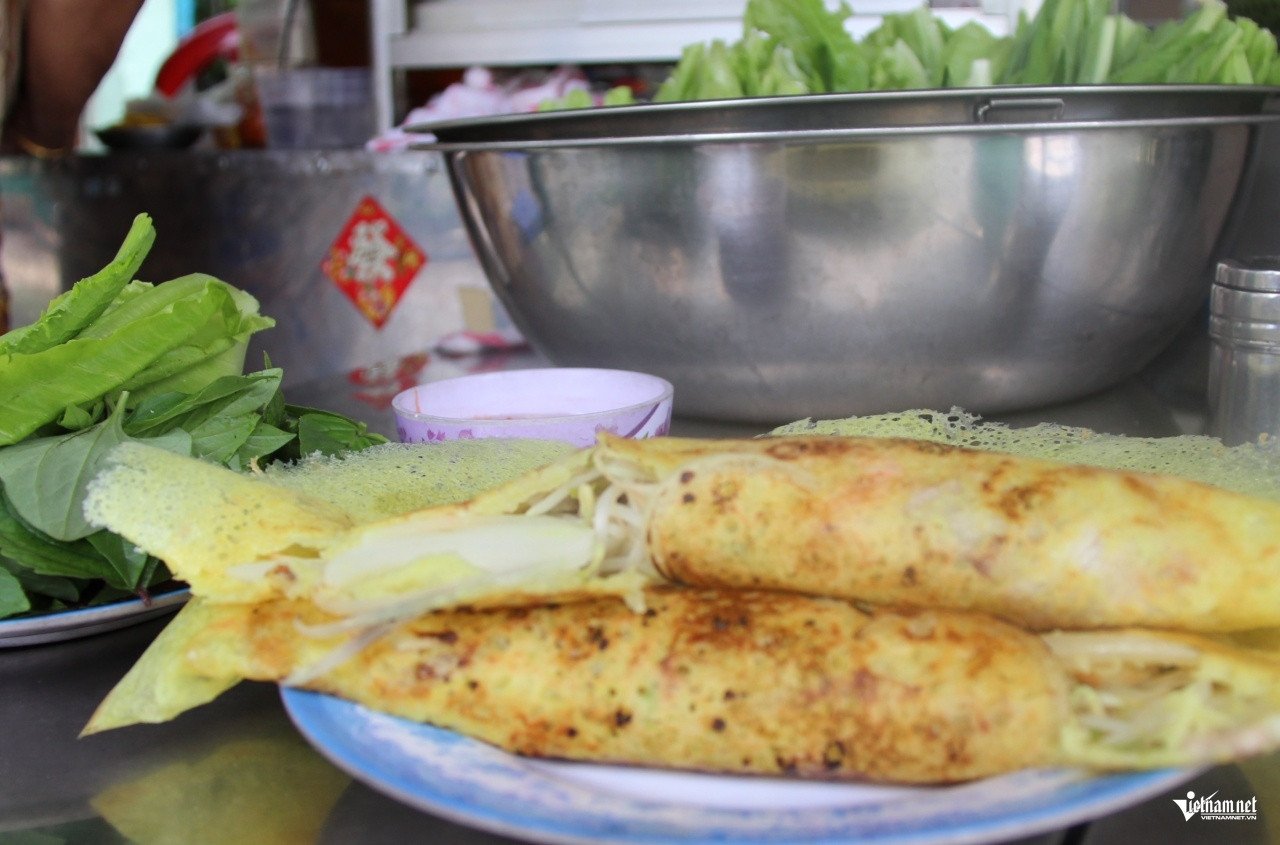 |
The batter is poured into a large pan placed over a blazing fire. The pancakes are golden brown, large and round, filled with shrimp, meat, and bean sprouts. The edges are thin and crispy. When eaten, the rich, fragrant flavor of the batter blends with the aroma of turmeric, dipped in sweet and sour fish sauce and carefully selected herbs.
When a guest arrives, the kitchen fire is lit.
Every day, the couple wakes up at 4 a.m. to set up the table, chairs, and kitchen area at the end of the alley. She goes to the market to buy meat and vegetables. He sits and picks the vegetables while she prepares the ingredients. She doesn't buy pre-mixed flour.
She chooses the best quality rice based on her experience. Early in the morning, she soaks the rice for a certain period of time before taking it to the mill to be ground into flour. She also personally mixes and stirs the pancake batter according to her own secret recipe.
The batter for the Vietnamese savory pancakes (banh xeo) is carefully preserved by the couple, only being fried when customers arrive. Mrs. Diep shared: "I don't fry the pancakes beforehand because they won't taste good, and might even spoil. If customers eat them, it will damage our reputation."
"So I only fry one pancake at a time, putting it in the refrigerator as a token. When guests arrive, I then gather firewood, light the stove, and fry the pancakes. It takes a little longer, but it ensures the pancakes are hot, delicious, and of good quality."
Recently, the restaurant has become less crowded. Currently, all four of their children have their own families and are struggling to raise young children, so they have little opportunity to help their parents. Besides sending a small amount of money to Mrs. Diep and her husband when they visit, the children can't provide much support to their parents.
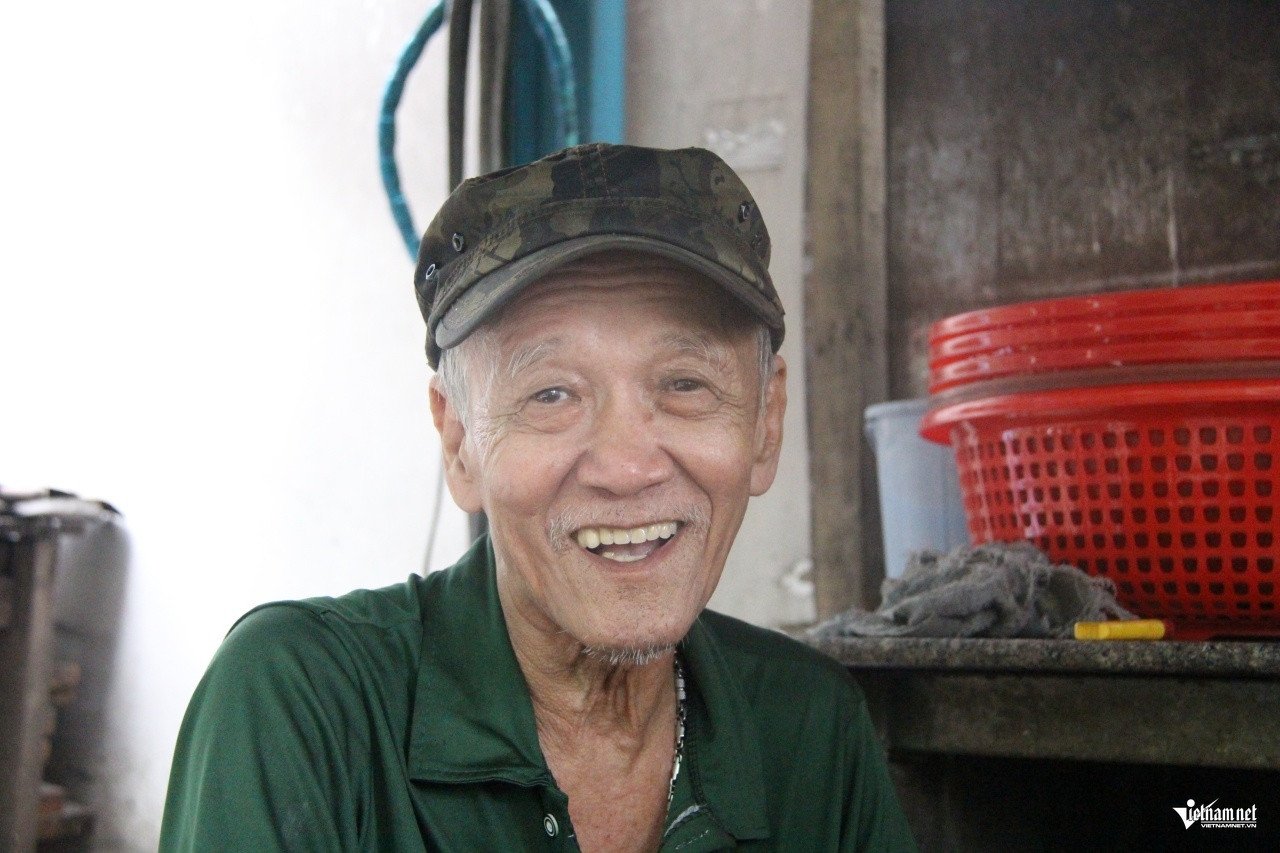 | 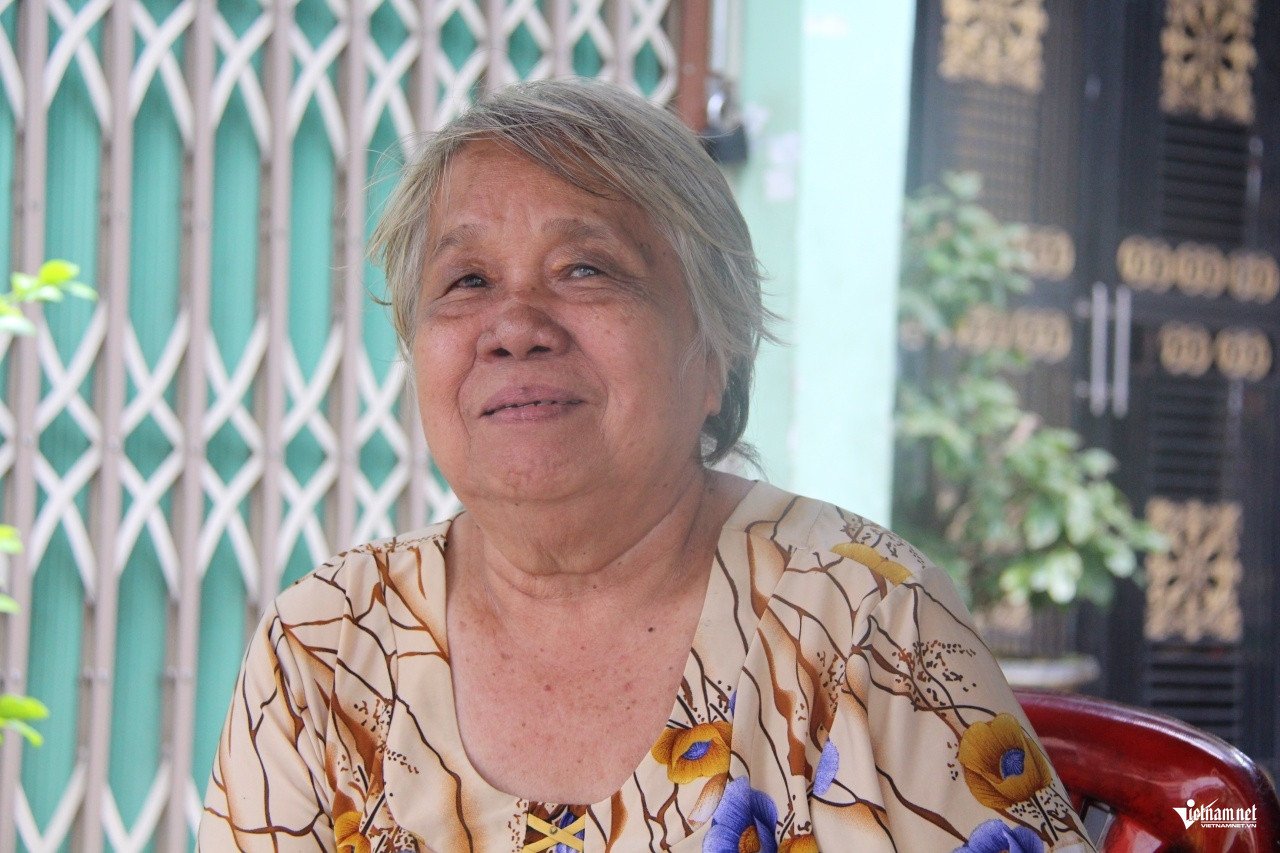 |
Therefore, the couple still stick with the trade, considering it their main source of income. Every day, they mill about 2kg of rice. On their busiest days, they sell 40 cakes. On rainy or windy days, sitting from morning until late evening, they only sell a little over 30 cakes.
Mrs. Diep confided, "Business is very slow now. We only get customers occasionally, but we still try our best. I'm used to waiting for customers, so I sit at the entrance of the alley all the time. Mr. Diep, because of his back pain, usually goes inside the house to rest."
When customers arrive, I call my husband to fry the pancakes while I set the tables. Each day, we only fry 40 pancakes; if they sell out early, we clean up early, if they sell out late, we clean up late, but we don't make more. Although it's tiring, we still enjoy selling pancakes because we love the job and get to chat with customers.
"Some people have been eating my cakes since they were students, and now, even in their 30s, they still come back to eat them. Some have gone abroad, and when they return home, they come back and praise the cakes... Hearing those words makes us very happy, and all our fatigue disappears."
Source: https://vietnamnet.vn/quan-banh-xeo-doc-la-cua-vo-chong-cung-ten-khach-muon-an-phai-cho-nhom-bep-2436501.html






























































Comment (0)