

During the discussion on the draft Law on Electricity (amended), National Assembly representative Ta Van Ha argued that if Article 61 stipulates the levels of development of a competitive electricity market as in the draft, it is unclear when a truly competitive electricity market will be achieved.
When will we finally have a truly competitive electricity market?
On the afternoon of November 7th, continuing the work program of the 8th session, the National Assembly discussed in the plenary hall the draft Law on Electricity (amended).
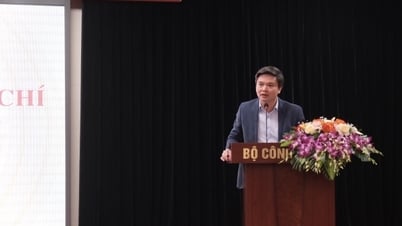
Video : National Assembly representative Ta Van Ha speaks during the discussion on the draft Law on Electricity (amended).
National Assembly representative Ta Van Ha ( Quang Nam delegation) strongly agrees on the necessity and urgency of amending and improving the legal system in this field.
According to Mr. Ha, in 2023, the Standing Committee of the National Assembly conducted a thematic supervision on the implementation of energy development policies and laws for the period 2016-2021, pointing out many bottlenecks, and we need to learn from those results.
At the same time, electricity is a special commodity; it cannot be simply stored in warehouses or packaged for later use. We must meet the needs of the economy as much as it demands. Therefore, to ensure energy security, for every 1 unit of economic growth, the demand for electricity must increase by 1.5 units.
"With the current rate of economic growth, if we don't prepare in advance, the issue of energy security will become very difficult," said delegate Ta Van Ha.
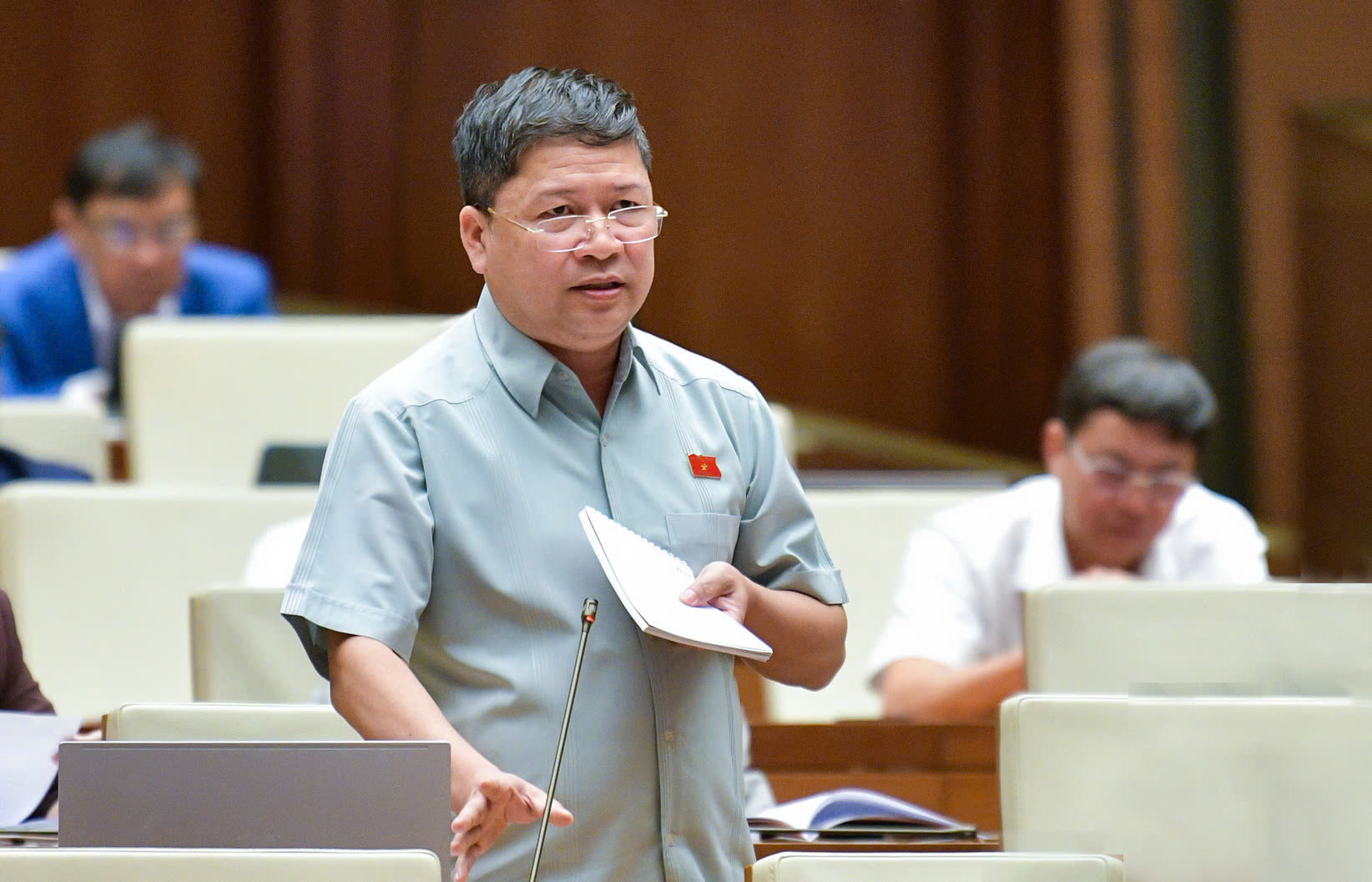
National Assembly representative Ta Van Ha (Quang Nam delegation).
Regarding the scope of the amendments, Mr. Ha suggested that a comprehensive revision is necessary, but he feared that revising and approving them in a single session might compromise quality. Therefore, he proposed considering revising them over two sessions.
"We're not in such a hurry that we have to do it in one session," Mr. Hạ said.
Regarding certain issues, such as the development of self-produced and self-consumed electricity from renewable energy sources: Article 33 stipulates that organizations and individuals installing rooftop solar panels during construction with a capacity of up to 100kW do not need to change the land use purpose. Mr. Ha argued that 100kW is a very small amount.
"A fertilizer factory has a 1MW capacity on its premises, and now you're asking them to convert the entire factory building into land for energy production? This isn't exactly encouraging," Mr. Ha said.
Article 61 outlines the levels of development of a competitive electricity market with three levels: competitive electricity generation market, competitive wholesale electricity market, and competitive retail electricity market.
Representative Ta Van Ha argued that we need regulations to suit the operational needs of different levels of competitive electricity markets.
The conditions that must be fulfilled before the operation of competitive electricity market levels include: completing the legal system, restructuring the electricity sector; electricity system and market infrastructure; reforming the electricity pricing mechanism, gradually reducing and eventually eliminating cross-subsidies between customer groups and regions.
"I think it's unclear when we'll ever have a truly competitive electricity market if regulations remain like this. I believe it will be a long time before we have a truly competitive electricity market," Mr. Ha said.
Electricity price adjustments should be made public and transparent.
National Assembly representative Thach Phuoc Binh (from Tra Vinh province) suggested that the draft law needs to supplement and clarify regulations on electricity pricing mechanisms, especially prices for different types of energy and for different regions.
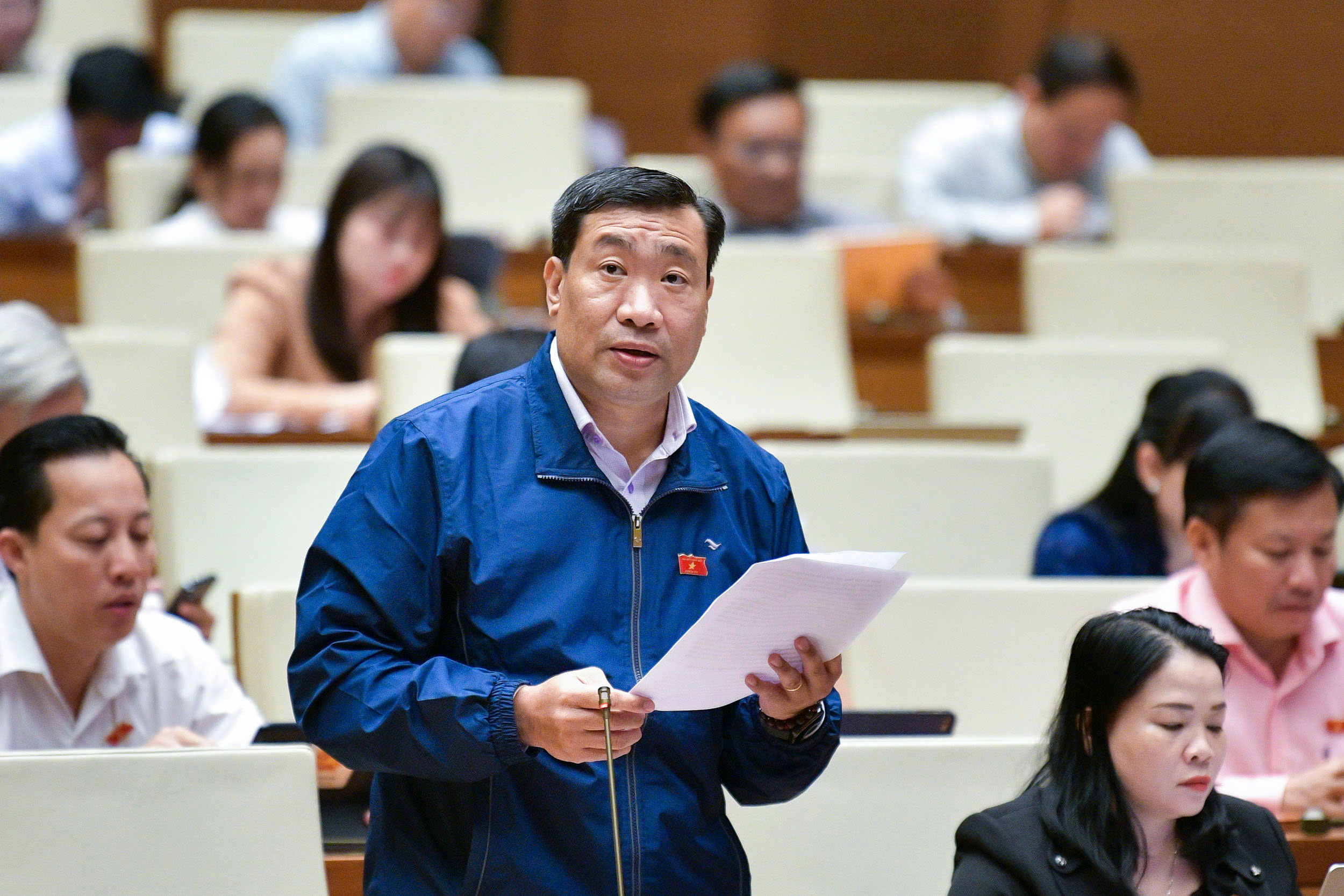
National Assembly representative Thach Phuoc Binh (Tra Vinh delegation).
Mr. Binh proposed building a flexible electricity pricing mechanism based on factors such as peak and off-peak hours, geographical conditions, and energy supply sources. This would encourage efficient and economical electricity use during off-peak hours, ensuring consumers' rights in accessing information about electricity prices and the price adjustment process.
Furthermore, adjustments to electricity prices should be public, transparent, and subject to oversight by state management agencies.
Regarding solutions for developing a competitive electricity market, this delegate also suggested that the draft law needs a clear roadmap for the transition from a privileged mechanism to a competitive electricity market.
"Specific regulations need to be added regarding the steps to open up the electricity market, including competitive wholesale and retail electricity markets, and regulations on the responsibilities of management agencies in supervising and coordinating the electricity market, in order to ensure fairness and transparency."
"In addition, regulations should be introduced to control the monopolies of large corporations in the electricity industry, in order to protect the interests of consumers and investors," Mr. Binh suggested.
Nuclear power is absolutely essential.
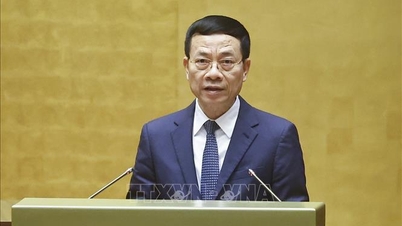
Responding to several issues raised by National Assembly deputies, Minister of Industry and Trade Nguyen Hong Dien stated that the current electricity price framework is regulated by the Law on Prices and the Law on Electricity. The Government specifically stipulates the price framework. Negotiations between parties are based on this framework, "rather than one side exploiting the other."
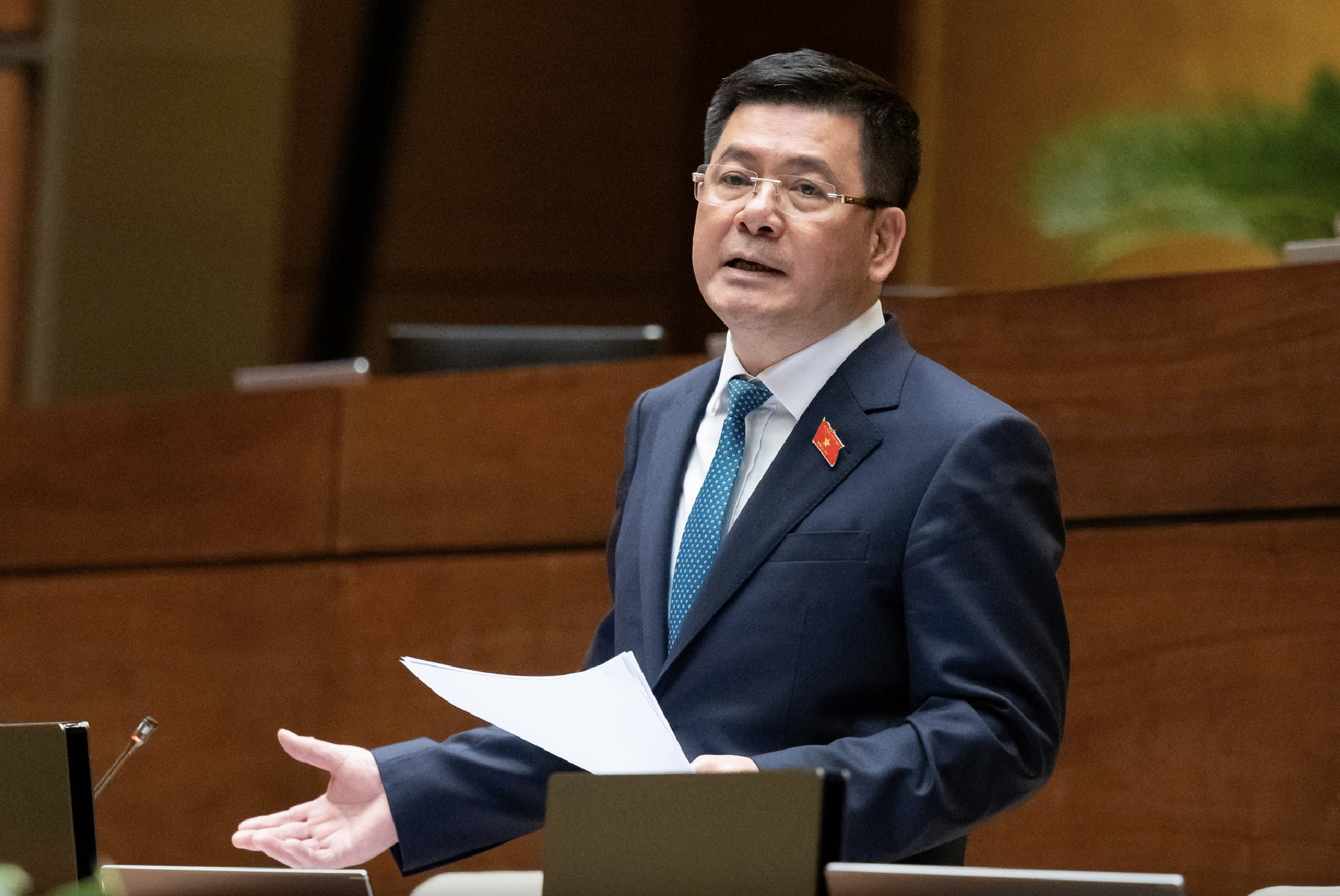
Minister of Industry and Trade Nguyen Hong Dien.
Regarding the reason for requiring negotiations within a 12-month timeframe, the Minister of Industry and Trade stated that all negotiations must be completed within this period. Otherwise, the relevant parties will find excuses to prolong the process, leading to electricity shortages.
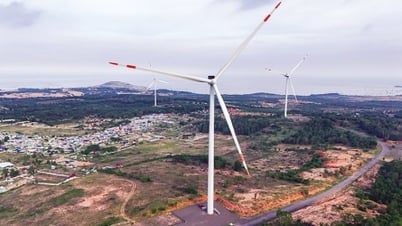
Regarding the addition of new policies to develop new energy sources, Mr. Dien pointed out that by 2030, Vietnam will need twice the current capacity. Furthermore, by 2050, the required electricity capacity will be five times the current level.
With traditional power sources having no room for growth, the Minister affirmed that nuclear power and new energy sources are absolutely necessary for the future.
Regarding the additions related to new energy, the head of the Ministry of Industry and Trade pointed out that the draft law includes provisions on the development of a competitive electricity market and the authority of the agency to decide on investment policies for urgent power projects, and the policy of revoking slow-progressing power projects...
Mr. Dien stated that, unlike industrial projects, power projects must be one step ahead. Furthermore, the electricity produced must have a specific consumer demand.
The head of the electricity sector mentioned that, in reality, there are projects that have been assigned to investors for 10 years, even 20 years now, but have not yet been implemented.
"Therefore, our electricity shortage is due to the lack of mechanisms to attract investment in previous projects. Specialized power projects, once planned, must be implemented; once assigned, they must be completed. If they cannot be implemented, the allocation must be revoked. Should the entire country just sit and wait for a few investors?", Mr. Dien stated, arguing that this issue needs clear regulations.
The urgent task is to have appropriate, synchronized, and feasible mechanisms and policies to attract domestic and foreign investors for the development of power sources and grids, especially electricity from renewable energy, new energy sources, clean energy, or inter-regional transmission grids.
Currently, Vietnam has mechanisms in place to attract investment in the power grid system. In addition, the draft amendment to the Law fundamentally opens the door for investors to invest in the transmission system.
According to the Minister, naturally, high-voltage and ultra-high-voltage systems must be state-owned. Now, the draft law is considering whether private companies should be allowed to invest in transmission systems of 220kV or below, or 110kV or below.
"If the delegates vote to approve the use of voltages of 220kV and below, allowing private investment to mobilize renewable energy sources scattered throughout the country, then we will comply," Mr. Dien said.
Source: https://www.baogiaothong.vn/dai-bieu-quoc-hoi-quy-dinh-nhu-the-nay-mua-quyt-moi-co-thi-truong-dien-canh-tranh-192241107170635672.htm












































































Comment (0)