

Walking is a simple yet effective way to maintain good health. Regular walking not only improves fitness but also reduces the risk of cardiovascular diseases. On the contrary, a sedentary lifestyle is like a time bomb, which can lead to many serious health problems.
French physical activity expert Charlotte Auché emphasizes that walking is a form of endurance training with adjustable intensity, so it should be part of everyone's weekly exercise schedule.

Walking should be part of everyone's weekly exercise schedule.
1. Is it good to only walk after age 40?
Walking has many benefits, but from age 40 onwards, age-related muscle loss and the risk of osteoporosis increase. So walking alone may not be enough to maintain muscle and bone health. While walking is good for cardiovascular health, balance, and flexibility, it often doesn’t provide enough mechanical stress to stimulate increased muscle mass or improved bone density—important factors in preventing falls and fractures later in life.
Walking can help maintain muscle mass (or prevent rapid loss), but it rarely increases muscle mass significantly in adults — especially after middle age.

Besides walking, you should add muscle exercises after age 40 such as squats.
2. How to add muscle-strengthening exercises after age 40
To maintain good muscle mass and bone density over time, experts recommend incorporating a more comprehensive exercise program — including strength training two to three times per week, in addition to daily walking exercises.
You can continue walking every day — even better if you can walk fast, walk uphill, or alternate intensities (walk fast — walk slow). To increase the impact, you can add elements like wearing a light backpack, wearing ankle weights, or walking with inclines — but more importantly, add strength training: Squats, lunges, push-ups, planks… help your muscles, bones, and joints work better.
Walking is an important, convenient, and great way to improve your cardiovascular health, balance, and overall health—especially if you’re not used to heavy exercise or have a busy schedule. But after age 40—when your body starts to lose muscle mass and bone density—walking alone is often not enough to maintain muscle and bone health. So, add in strength training a few times a week to keep your muscles, bones, and mobility strong as you age.
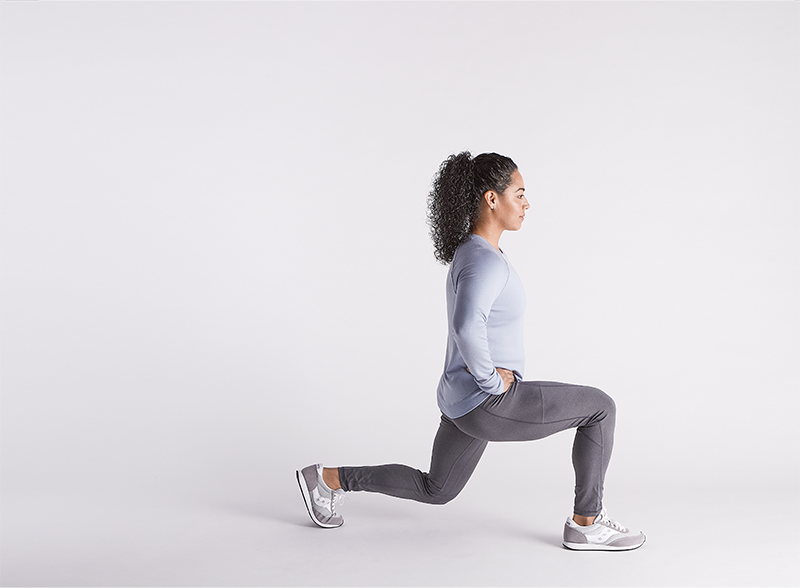
Combining walking with strength training and lunges helps maintain muscle and bone mass after age 40.
COMPARISON TABLE OF WALKING ONLY VERSUS WALKING + STRENGTH TRAINING AFTER AGE 40
Criteria | Just walk | Walking + Strength Training |
Cardiovascular | Improves cardiovascular health, reduces the risk of high blood pressure, diabetes, and heart disease. | More effective thanks to the combination of aerobic (walking) + strength to increase metabolism and control weight. |
Muscle mass | Hardly helps build muscle, especially after 40 but may slow down muscle loss but not stop it completely. | Helps increase or maintain muscle, preventing muscle loss due to age. |
Bone density | Low impact; not enough mechanical force to stimulate bone growth; less effective in preventing osteoporosis. | Strength training puts compressive force on bones, helping to increase bone density and reduce the risk of osteoporosis and fractures. |
Metabolism – weight control | Moderate energy expenditure, improves metabolism but easily "stall" when muscle mass decreases with age. | Gaining muscle increases your basal metabolic rate, which helps with better weight management. |
Fall prevention, balance maintenance | Useful, especially when hiking on different terrain. | Strength training improves core and leg muscles, which can significantly reduce the risk of falls. |
Chronic disease prevention | Reduce the risk of cardiovascular disease, diabetes, obesity. | Broader benefits: Cardiovascular + metabolic + musculoskeletal will have a more comprehensive impact. |
Flexible | Good support; increases blood circulation, reduces joint stiffness. | The combination of aerobics and strength makes the body more flexible, resilient, and responsive. |
Recommendations | Should be maintained daily but should not only practice walking if you want to optimize your health. | Combine 2 - 3 strength training sessions/week + walking 5 - 6 days/week for optimal results. |
After age 40, walking alone is good, but not enough. Walking combined with strength training is the optimal model for maintaining cardiovascular health, muscles, joints, and long-term mobility.
See more popular articles:
Source: https://suckhoedoisong.vn/sau-tuoi-40-chi-tap-di-bo-co-du-de-khoe-manh-169251201185143.htm


























![[Photo] Worshiping the Tuyet Son statue - a nearly 400-year-old treasure at Keo Pagoda](/_next/image?url=https%3A%2F%2Fvphoto.vietnam.vn%2Fthumb%2F1200x675%2Fvietnam%2Fresource%2FIMAGE%2F2025%2F12%2F02%2F1764679323086_ndo_br_tempimageomw0hi-4884-jpg.webp&w=3840&q=75)
![[Photo] Parade to celebrate the 50th anniversary of Laos' National Day](/_next/image?url=https%3A%2F%2Fvphoto.vietnam.vn%2Fthumb%2F1200x675%2Fvietnam%2Fresource%2FIMAGE%2F2025%2F12%2F02%2F1764691918289_ndo_br_0-jpg.webp&w=3840&q=75)







































































Comment (0)