

Doctors warn that improper insertion of menstrual cups can not only cause leaks but also lead to serious kidney-related complications, according to Sci Tech Daily.
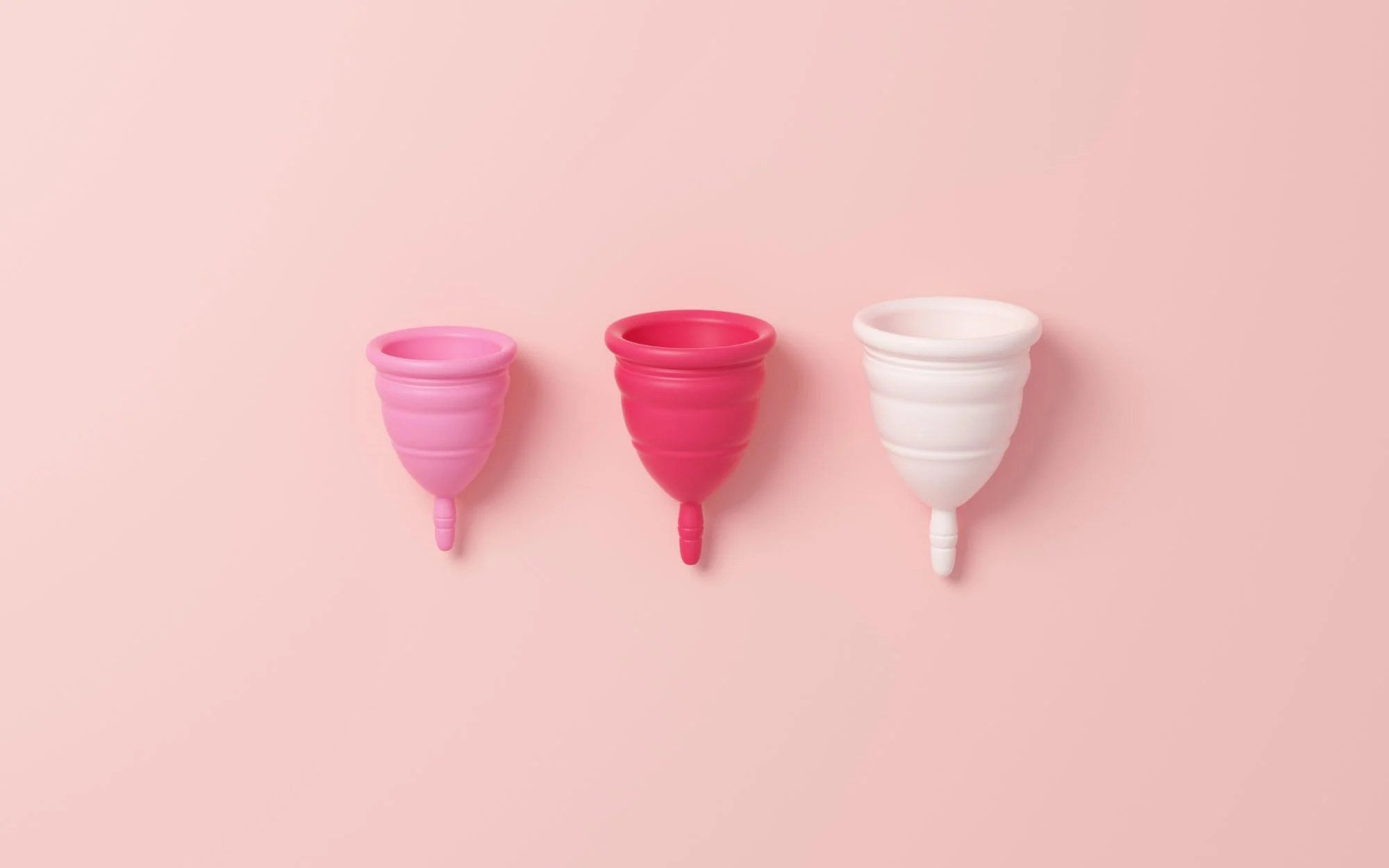
Complications from improper use of menstrual cups can include kidney swelling due to obstructed urine flow into the bladder - Photo: SCI TECH DAILY
Complications can include kidney swelling due to obstructed urine flow into the bladder. The warning comes after a report in BMJ Case Reports in which a young woman required treatment for kidney swelling.
Kidney swelling caused by using a menstrual cup.
The report highlights the increasing popularity of menstrual cups as a sustainable method for use during menstruation. While complications are rare, the authors note that potential risks include pain, vaginal injury, allergic reactions, leakage, urinary incontinence, displacement of intrauterine devices (IUDs), and infection.
Doctors treating a woman in her 30s noticed blood in her urine and had been experiencing pain in her right hip for about six months.
Three years ago, she had surgery to remove a 9mm kidney stone. She is also using a copper intrauterine device (IUD). Each month, during her heaviest periods, she uses a menstrual cup and changes it every 2-3 hours.
When the scans were taken, the doctors found no signs of kidney stones, but discovered that her right kidney and ureter were swollen. The images also showed the menstrual cup lodged right next to the ureteral opening into the bladder.
The doctor instructed her to stop using the menstrual cup during her next period and return for a follow-up appointment after one month. The results showed that the swelling had subsided, urine flow was normal, and the symptoms had completely disappeared. This led the authors to conclude that the menstrual cup had blocked the flow of urine from the right ureter.
Six months later, upon re-examination, the patient stated that she had only used the menstrual cup for 3-4 hours while swimming and did not dare use it regularly due to concerns about complications.
Research is limited.
The authors stated: "To our knowledge, only a few similar cases have been reported previously. In most cases, imaging showed a reduction in ureteral hydronephrosis."
They also noted that in three cases, patients continued using menstrual cups without symptom recurrence, with one having chosen a smaller-sized cup.
Doctors emphasize that women and healthcare professionals alike need to be provided with accurate information about how to use menstrual cups and the potential risks involved.
They explained: "The end of the ureter enters the bladder and is located near the vagina. This can affect urine drainage. Therefore, proper placement and choosing the correct size and shape of the cup are crucial to avoid negative impacts on the urinary tract."
Nowadays, menstrual cups can be purchased and used without medical advice, highlighting the importance of providing detailed and clear instructions to users.
 'Monthly magazine' is no small matter!
Source: https://tuoitre.vn/su-dung-coc-nguyet-san-sai-cach-co-the-gay-van-de-ve-than-20250209111816805.htm





































































Comment (0)