

Breaking the “Smart City” rut: Why do coastal cities need a different and more humane design mindset?
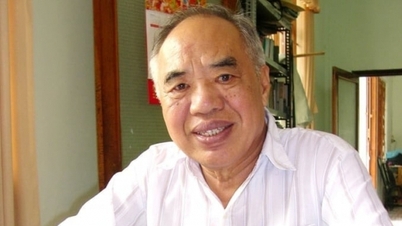
Opening the presentation session, Prof. Cho Kwanphil – Lecturer of the Department of Environmental and Spatial Systems Engineering, Handong International University (Korea) delivered a presentation with the theme “Different Design: From Smart Cities to Coastal Communities”. From international experience in sustainable urban design and parametric design, he proposed a new perspective on coastal urban development – placing local identity, community intelligence and human factors at the center, instead of considering technology as the main axis.
In the introduction, Mr. Cho pointed out a remarkable reality: many cities in the world are falling into the “epidemic of sameness”. From London, Seoul to Seattle, cities are gradually taking on a similar appearance, causing local values to fade and urban models to be mechanically copied. According to him, this trend not only reduces the attractiveness of local areas, but also contributes to pushing young people to leave their hometowns to seek dynamism in large centers, creating an imbalance in urban structure and life.
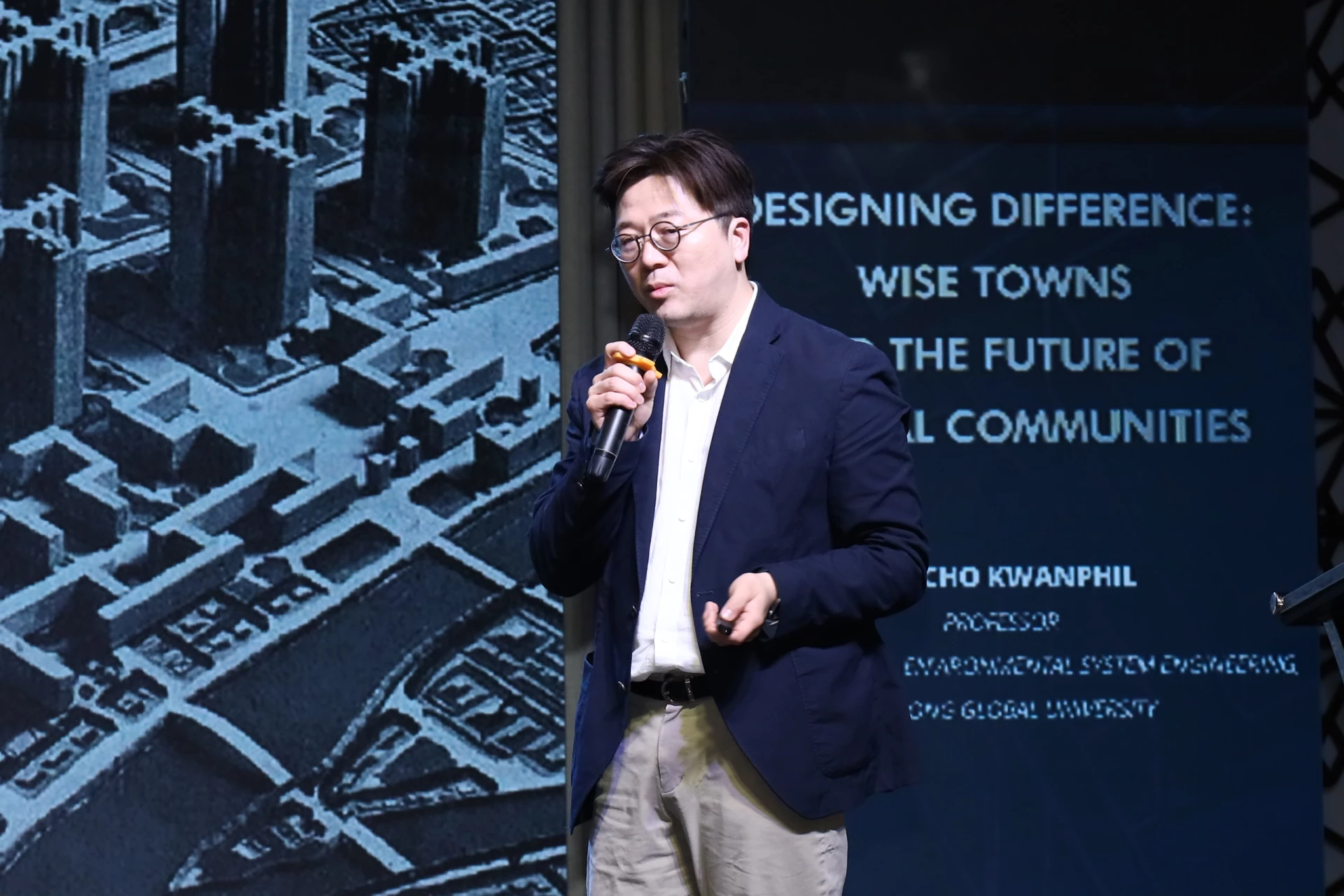 |
| Prof. Cho Kwanphil raised the issue in the opening of the discussion session. Source: UEH (ISCM, October 2025). |
Wise Town: An Urban Approach Based on Human Values and Cultural Diversity
Mr. Cho proposed a new approach: Instead of prioritizing the construction of a technology-oriented “Smart City”, localities should aim for the “Wise Town” model. While Smart City focuses on data automation and optimizing operational efficiency, Wise Town puts people at the center, promoting the identity, human values and differences of each locality. According to him, this is the “core material” that helps urban areas develop sustainably, compete healthily and nurture community life.
He emphasized that Wise Town is not just about architecture or urban design, but a comprehensive system with links between production, energy, education, and community care. This model aims to increase urban autonomy through the circular economy , reduce dependence on external resources and maintain cultural diversity. In particular, he called on cities around the world to cooperate instead of compete - together forming a network of "wise towns" that support and complement each other, instead of repeating stereotypical urban models.
Turning tetrapods into community spaces: A coastal design solution rich in identity and humanity
To illustrate the feasibility, Mr. Cho introduced a project on the east coast of Korea, where tetrapod blocks were used to protect the coastline but unintentionally isolated the community from natural space. Inspired by the basalt structure and the problem of local shell waste, he proposed to transform the coastal space into a safe, multi-functional public area that protects the shore, creates landscape and connects the community. In conclusion, he warned that the world is facing a “cityless epidemic” – the loss of identity due to stereotyped urbanization, and called on planners to change their thinking, aiming at different designs from system to space, to build sustainable, humane and truly soulful cities.
Climate change: Why do cities need to move from “fighting water” to “living with water”?
Dr. Adrian Yat Wai Lo (Thammasat University, Thailand) brings a new perspective on how cities face climate change. Instead of seeing water as a threat, he encourages the exploitation of water space as part of the urban fabric. Student projects from Thammasat and the Institute of Smart Cities and Management of UEH (ISCM – UEH) demonstrate this thinking through adaptive design models for coastal communities.
He warned that climate change has entered the “direct impact” phase. According to the WMO, the Earth has already exceeded the safety threshold set by the 2015 Paris Agreement. Rising temperatures are causing sea levels to rise rapidly – an average of 3.4 mm per year. Countries like Tuvalu are facing the risk of disappearing and forcing people to migrate – a classic example of climate migration.
In that context, 136 coastal cities are at risk of flooding (UN-Habitat), affecting hundreds of millions of residents. However, most policies still focus on reducing emissions, with little attention paid to adaptation – that is, learning how to design cities to live with water sustainably.
Urban heritage linked to water: historical evidence of the relationship between people – water – community
According to Dr. Adrian, to build a climate-resilient urban future, people need to return to the values that once defined their identity: living in harmony with water. This requires a combination of “soft” solutions such as green infrastructure, mangrove forests and natural ecosystems, along with “hard” solutions such as floating cities and semi-amphibious architecture – towards a model where people do not fight against water, but actively live with it.
Looking back at history, he points out that “living with water” is not an unfamiliar concept, but was once a part of East Asian community life. Hong Kong once had floating boat hamlets where children were tied around their waists to avoid falling into the sea; Bangkok thrived with bustling floating markets; and Saigon once had a strong cultural imprint of canals. Although many cultural features on the water have faded due to industrialization, models like the floating village of Ha Long Bay are still living proof of the vitality of “aquatic” culture – where community, livelihood and the aquatic environment exist in harmony.
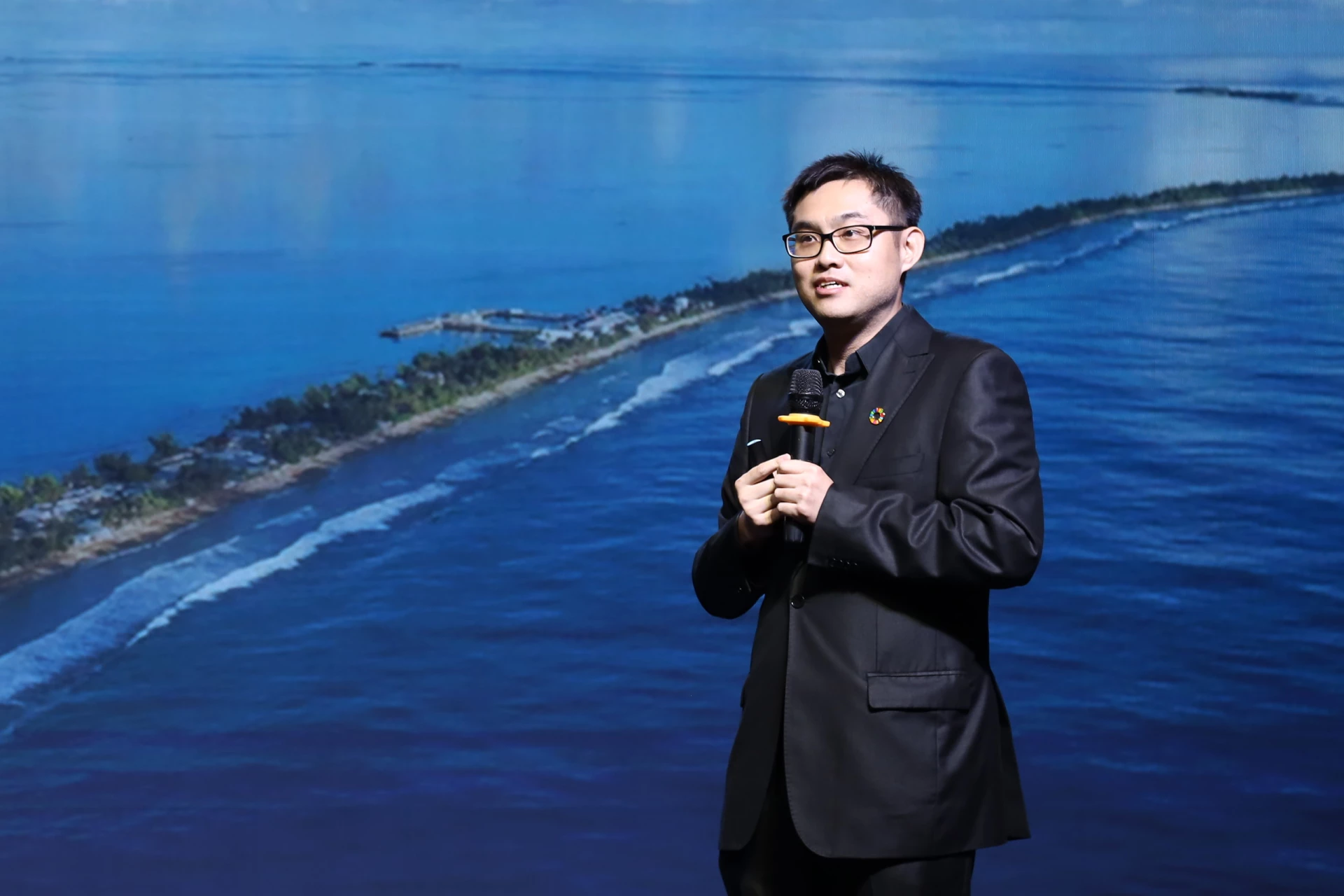 |
| Dr. Adrian Yat Wai Lo from Thammasat University, Thailand shared at the discussion session. Source: UEH (ISCM, October 2025). |
“Aquatic” urban design thinking for a climate-resilient future
From historical slices of water coexistence, Dr. Adrian moves to the present – where adaptive design thinking is being nurtured in the academic environment. He introduces floating urban design projects by Thammasat University students, with professional support from ISCM – UEH. The proposals extend urban structures to the water surface through functional modules such as agriculture , aquaculture, and commercial housing, aiming to build economically self-sufficient, sustainable and resilient communities in the face of climate change. In the process, students are exposed to the concepts of floating and amphibious structures – structures that can float with the water level – opening up potential design directions for future urban areas.
This spirit does not stop at paper models. Projects are developed in international academic playgrounds such as the Urban Beyond the Urban Summer Camp and the Transit-Oriented Development workshop jointly organized by Thammasat and UEH in the Saigon River area. Here, students practice integrated thinking between transportation - green space - local economy to create a "water-land hybrid" urban model, harmonious, adaptive and rich in identity.
Closing his presentation, Dr. Adrian emphasized: “Living with water is not only a lesson from the past, but also the path of the future – where humans do not fight against nature, but adapt, harmonize and coexist with it.”
Coastal landscapes: shaping quality of life and urban identity in the era of climate change
In a sharing session on the relationship between urban landscape and community, Mr. Ian Ralph - Head of Urban Planning and Design at Skidmore, Owings & Merrill (SOM), a company in the United States - emphasized the key role of coastal landscapes in human quality of life and urban development. He said that the context of Vietnam is rapidly urbanizing, posing an urgent requirement: Coastal cities need to adapt to climate change while seeking sustainable and distinctive development.
Based on practical experience in Hong Kong and Southeast Asian cities, where more than 70% of SOM's planning projects in the past decade focused on creating resilient cities, Ian pointed out that coastal cities possess great development potential but also face many challenges such as: flooding, saltwater intrusion, plastic waste pollution and ecosystem degradation. Faced with that reality, he called for a shift from the mindset of "ocean exploitation" to "blue ocean economy" - a development model based on conservation - regeneration - value resonance with the ocean, instead of exhausting resources.
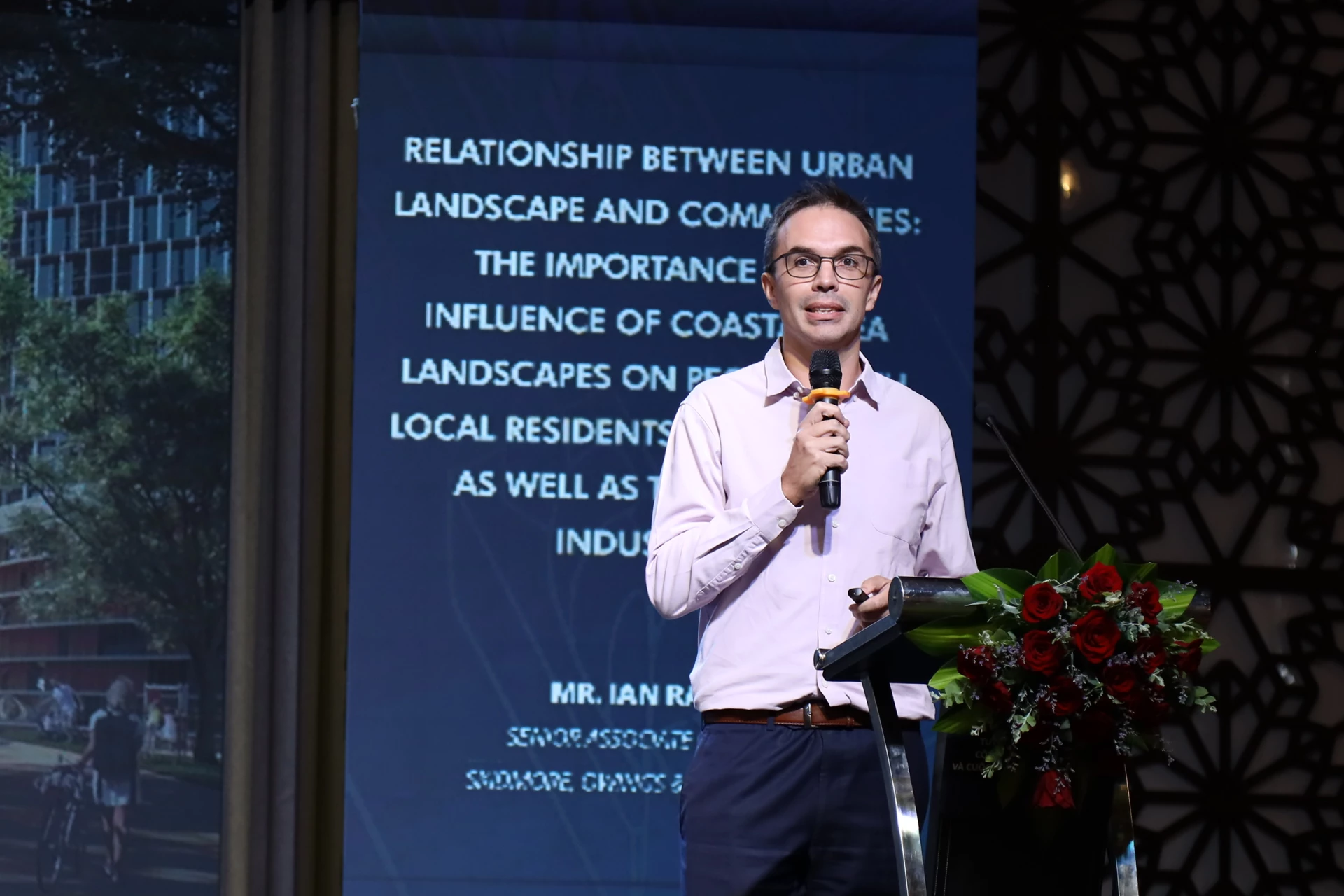 |
| Mr. Ian Ralph – Head of Urban Planning and Design at Skidmore, Owings & Merrill (SOM) – shared his views and research perspectives at the panel discussion. Source: UEH (ISCM, October 2025). |
From adaptation solutions to urban regeneration models: practical examples in Asia
After calling for a change in thinking, Mr. Ian illustrated that this approach is not only theoretical, but has been implemented by SOM in practice in many coastal cities. In Thanh Da (Ho Chi Minh City), the "living levee" solution was proposed to control water, purify the flow and at the same time open up public space along the river for the community. In Jakarta (Indonesia), the Pluit City project applies a multi-layered ecological levee model, both preventing flooding and restoring mangrove forests to create a "natural shield" instead of pure concrete infrastructure. Meanwhile, in Van Phong - Nha Trang, the planning orientation emphasizes the formation of a continuous ecological corridor from the mountains to the sea, helping to maintain water quality and limit the impact of urbanization on the natural environment.
From these evidences, Mr. Ian believes that the future of coastal cities lies in the model of “regenerative cities” – where nature is restored, public spaces are expanded, and urban systems are capable of self-regeneration. This is a development direction that helps ensure economic prosperity along with ecological sustainability, creating cities where people and nature coexist in a state of balance and harmony.
News and photos:
Institute for Smart Cities and Management (ISCM) - University of Economics Ho Chi Minh City
This article is part of a series of articles spreading research and applied knowledge with the message "Research Contribution For All - Research For The Community" implemented by UEH in collaboration with Khanh Hoa Newspaper, Radio and Television, aiming to accompany the sustainable development of Khanh Hoa province. UEH respectfully invites readers to read the scientific knowledge news in the following articles.
Source: https://baokhanhhoa.vn/ueh-nexus-nha-trang/202512/thiet-ke-do-thi-ven-bien-huong-toi-suc-khoe-cong-dong-va-ban-sac-ben-vung-bcb7abd/

![[Photo] General Secretary To Lam receives the Director of the Academy of Public Administration and National Economy under the President of the Russian Federation](/_next/image?url=https%3A%2F%2Fvphoto.vietnam.vn%2Fthumb%2F1200x675%2Fvietnam%2Fresource%2FIMAGE%2F2025%2F12%2F08%2F1765200203892_a1-bnd-0933-4198-jpg.webp&w=3840&q=75)



























































Comment (0)