

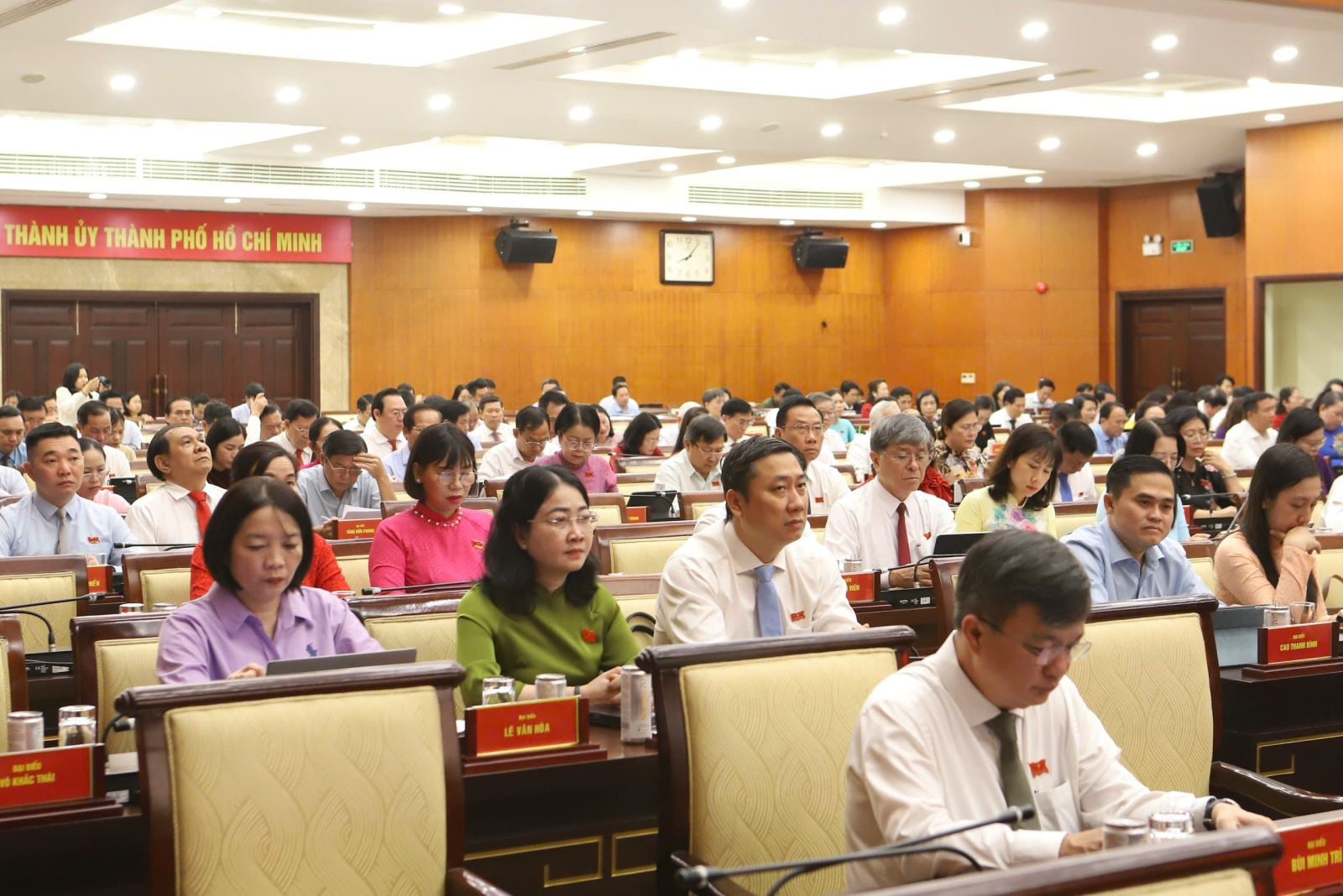
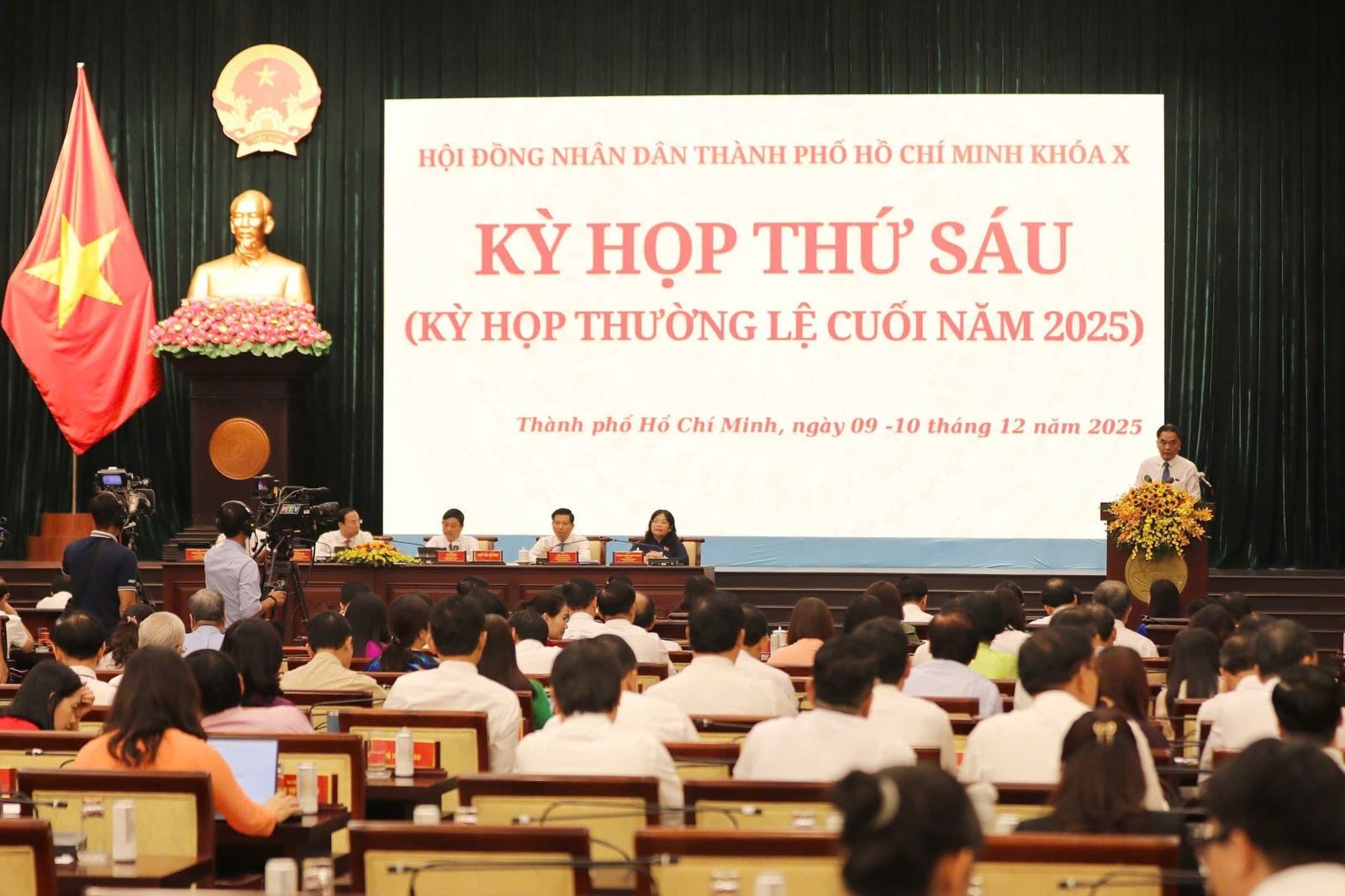
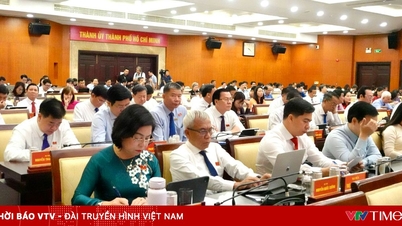
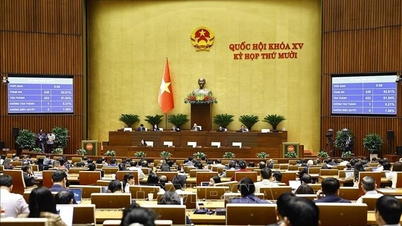
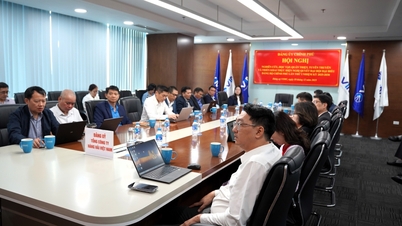
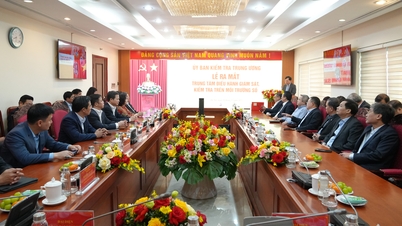
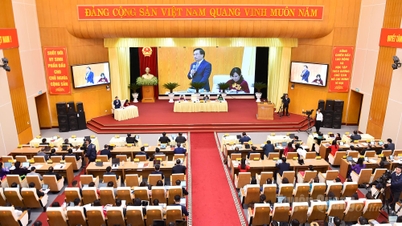
The Standing Committee of the City People's Council presented a summary report of opinions from the discussion groups, in which the majority of delegates highly appreciated the socio -economic development results in 2025, while also pointing out many issues that need to be addressed so that Ho Chi Minh City can make stronger breakthroughs in 2026.
Focus on removing bottlenecks.
During the discussion session, delegate Nguyen Thi Viet Tu raised an issue causing public concern. Specifically, many social media platforms such as TikTok and Facebook are currently flooded with information about social housing, but much of it does not come from official sources but rather from land brokers. This situation makes it easy for people, especially low-income earners and workers in industrial zones and export processing zones, to be misled and incur additional costs beyond regulations in order to access social housing.
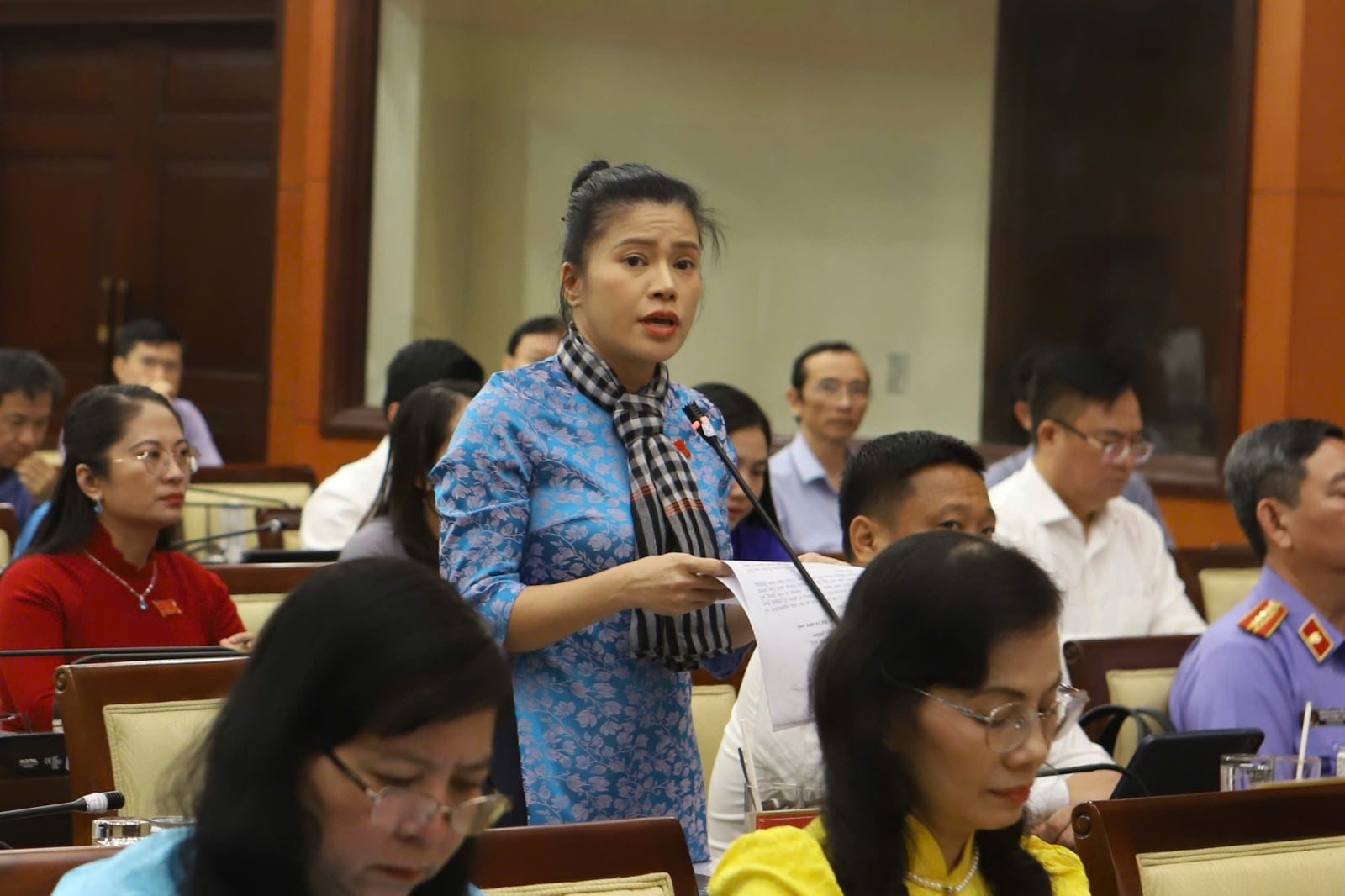
Ms. Nguyen Thi Viet Tu also raised concerns for the Department of Construction, the lead agency responsible for implementing social housing projects in the city: “To ensure social housing reaches the right target group, how has the Department coordinated with relevant agencies to guide people in registering? Why isn't official information reaching the public as quickly and clearly as information from brokers? There needs to be greater transparency so that people can access the correct procedures and avoid being exploited. Furthermore, the Department needs to provide specific, complete, and continuous information on the project list, registration criteria, and approval process to eliminate the environment for illegal brokerage activities.”
According to other members of the People's Council, the Ho Chi Minh City Department of Construction has recently identified the situation of people queuing in long lines to register for social housing, as well as the emergence of social housing brokers taking advantage of the situation. Therefore, the Department needs to quickly implement solutions to ensure transparency and prioritize the right target group, which is low-income workers, while also reorganizing the registration process to avoid creating information gaps that brokers can exploit.
Following this, a broader discussion on the bottlenecks in Ho Chi Minh City's socio-economic development also attracted the attention of delegates. At the meeting, many delegates agreed with the socio-economic report of the Ho Chi Minh City People's Committee, acknowledging the city's efforts in 2025 to maintain growth and stability in key sectors. However, most delegates felt that the level of achievement for each target, especially GRDP, labor productivity, per capita income, waste management, social housing development, traffic congestion reduction, and flood control, needs to be clarified further in order to set more realistic goals for 2026.
One of the issues highlighted was the progress in resolving legal issues related to projects. The report showed that the city still has 168 out of 838 projects that have not been definitively resolved. Delegates warned that this is a major bottleneck, and if left unresolved, it will lead to wasted land resources, reduced investment attraction effectiveness, and prolonged slow urban development. Delegates proposed that the city be determined to resolve at least 20% of the outstanding projects in a short period of time, while clearly classifying projects and determining the responsibilities of each unit to avoid the situation of "passing the buck" that causes delays over many years.
Regarding the allocation of budgets to districts and counties, many delegates also commented that the need for a detailed allocation mechanism for each sector makes it difficult for localities to be proactive and limits their ability to coordinate flexibly. On the other hand, the City should allow localities to adjust their budgets within the allocated scope, and at the same time reconsider the revenue collection targets linked to land use conversion to reduce pressure on local authorities; continue to improve regulations related to personnel, staffing quotas at the commune level, and guidelines for procurement and bidding, in order to increase the proactive role of local authorities and reduce the risk of errors in the implementation of tasks.
Addressing pressing needs
Responding to the comments of delegate Nguyen Thi Viet Tu, Director of the Ho Chi Minh City Department of Construction Tran Quang Lam stated that in 2025, the city had implemented approximately 12,000 social housing units, completing 98% of the target set by the Central Government. This is a significant effort to meet the urgent housing needs of workers. Currently, procedures and mechanisms for developing social housing have been simplified to shorten the process, creating favorable conditions for investors and making it more convenient for the people.
According to Mr. Tran Quang Lam, the Department had recognized early on the situation of people queuing in long lines to register for social housing as well as the proliferation of social housing brokers online. In response to this, the Department has developed a solution to ensure transparency in all information and registration procedures. Accordingly, all social housing projects must be publicly listed on the electronic portals of the Ho Chi Minh City People's Committee and the Department of Construction. When a project receives investment approval, the product is completed, and it meets the conditions for sale, the information is continuously updated to prevent brokers from exploiting loopholes.
One of the key measures implemented by the Department is the development of criteria for reviewing social housing applications, along with a fully online registration system. When people register, their applications are automatically prioritized, with low-income workers in industrial and export processing zones being given top priority. This solution not only eliminates the practice of intermediaries collecting applications but also limits the exploitation of policies through feigned poverty. Currently, the Department is also reviewing land near industrial zones and proposing locations for new social housing projects to meet the rapidly increasing demand of the people.
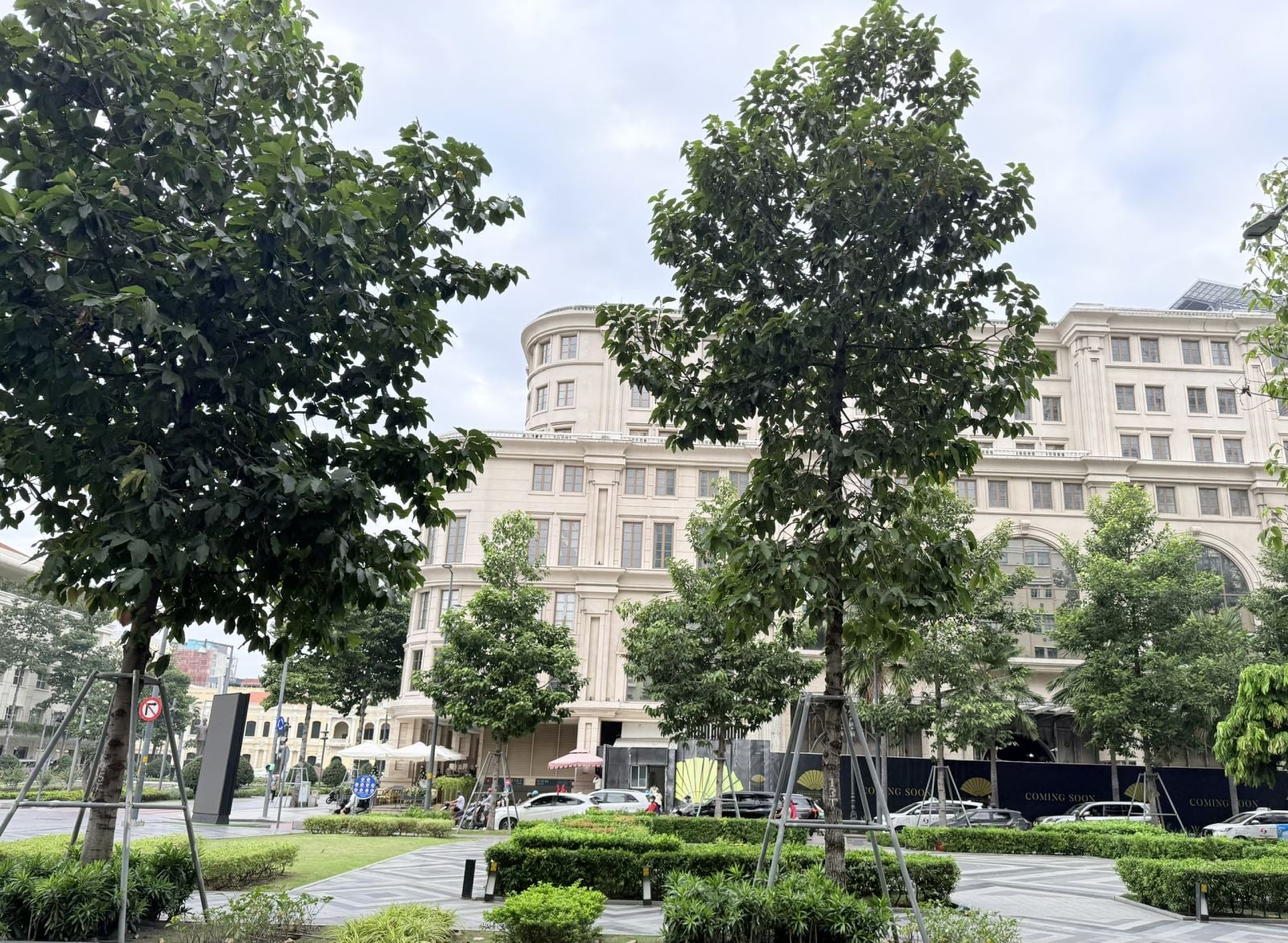
Regarding the park sector – another topic of interest to delegates – Mr. Tran Quang Lam stated that Ho Chi Minh City currently has 497 parks. Currently, the ward and commune levels are the most suitable units for direct management to promptly meet the needs of the people. According to the decentralization plan, approximately 90% of parks will be handed over to ward and commune management from 2026, while the Department will only directly manage about 40 parks with historical, unique, or inter-ward significance. Local authorities will compile needs, and the Department of Construction will synthesize and propose capital allocation plans based on urgency.
In parallel with discussions on housing and infrastructure, and related to socio-economic issues, representatives from departments and agencies of the Ho Chi Minh City People's Committee also analyzed the city's socio-economic bottlenecks over the past period and proposed various solutions to overcome them. According to Mr. Nguyen Loc Ha, Vice Chairman of the Ho Chi Minh City People's Committee, to effectively address these issues, officials must prioritize the common good over personal interests, strictly adhere to Party discipline, and maintain political integrity, remaining unwavering in the face of difficulties.
Furthermore, Ho Chi Minh City also requires improving public service ethics, preventing corruption and negative practices; building a scientific work style, daring to think, daring to act, and daring to take responsibility. In addition, internal solidarity and organizational discipline are the foundation for effectively implementing tasks, thereby contributing to removing bottlenecks and creating significant changes in urban governance and socio-economic development of Ho Chi Minh City.
Source: https://baotintuc.vn/tp-ho-chi-minh/tp-ho-chi-minh-thao-diem-nghen-tang-minh-bach-trong-mua-ban-nha-o-xa-hoi-20251210140027306.htm

![[Photo] The captivating scenery of the fragrant maple forest in Quang Tri](/_next/image?url=https%3A%2F%2Fvphoto.vietnam.vn%2Fthumb%2F1200x675%2Fvietnam%2Fresource%2FIMAGE%2F2025%2F12%2F10%2F1765353233198_lan09046-jpg.webp&w=3840&q=75)


![[Photo] Explore the US Navy's USS Robert Smalls warship](/_next/image?url=https%3A%2F%2Fvphoto.vietnam.vn%2Fthumb%2F1200x675%2Fvietnam%2Fresource%2FIMAGE%2F2025%2F12%2F10%2F1765341533272_11212121-8303-jpg.webp&w=3840&q=75)


















![[Video] The craft of making Dong Ho folk paintings has been inscribed by UNESCO on the List of Crafts in Need of Urgent Safeguarding.](https://vphoto.vietnam.vn/thumb/402x226/vietnam/resource/IMAGE/2025/12/10/1765350246533_tranh-dong-ho-734-jpg.webp)





















































Comment (0)