

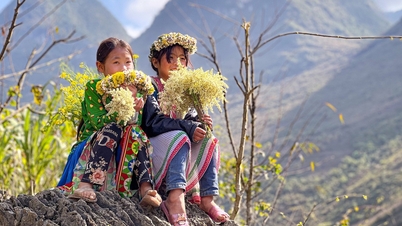
“Rough gems” hidden in layers of heritage sediments, the cultural identity of Vietnam’s ethnic minority communities is gradually being awakened. In particular, the revived spaces with dense indigenous elements in the highlands not only help tourists have more experiences with traditional values, but more importantly, create sustainable livelihoods for people from the heritage they have been passed down. And that is truly not an easy journey.
Honored by the World Tourism Organization in the book “Vietnam Tourism Story” for his dedication to the community, Director of the Asian Tourism Development Institute (ATI) Pham Hai Quynh, who has been accompanying ethnic minorities for more than 20 years, shared his journey with them to restore, preserve and promote traditional cultural identity, linking culture with sustainable tourism development in remote areas.
Community tourism "revives" heritage
- As an expert who has been closely involved in the lives and activities of ethnic minority communities in Vietnam for many years, and who regularly guides and trains people in remote areas in community tourism, economic development, and poverty reduction, do you think the work of preserving and promoting traditional cultural values in the lands you have visited has been truly effective?
Mr. Pham Hai Quynh: I assess that the work of preserving and promoting traditional cultural values in ethnic minority areas has achieved positive changes, but cannot be considered to be equally effective and sustainable everywhere.
I see that many communities have begun to realize that culture is an asset, a direct resource for economic development through tourism. The attention and investment of the State, especially in restoring festivals, has created the initial momentum.
However, preservation is still superficial and formal, focusing too much on staging and performing to serve customers, while lacking depth in maintaining and transmitting original cultural activities to the younger generation.
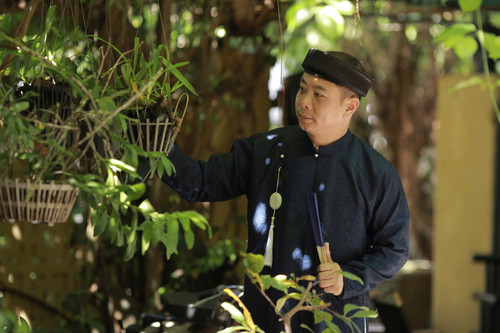
There is a lack of a strong linkage mechanism between culture, tourism, and local economic supply chains. Many heritage sites have been restored but have not created sustainable livelihoods for local people. Many places still have a phenomenon of identity “bleeding” due to commercial pressure or urbanization trends.
- Through direct contact, what do you think about the awareness and consciousness of Vietnamese ethnic minorities today in preserving and passing on traditional values?
Mr. Pham Hai Quynh: The awareness and consciousness of ethnic minorities in preserving and passing on traditional values have made important strides, especially when they see the economic benefits.
When guided to do community tourism, people realized that it is the difference and authenticity in their culture, architecture, and cuisine that tourists seek and are willing to pay for. This has created an internal motivation to preserve.
Community tourism has become the most effective means to "revive" traditional crafts and folk songs that are about to disappear, because it creates market demand for those cultural products.

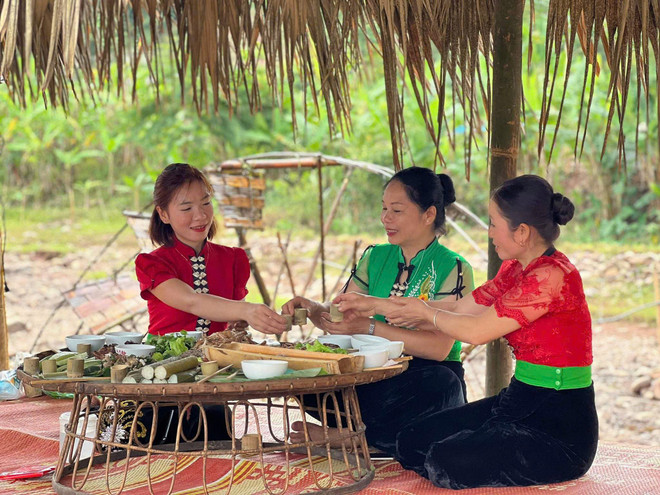
Despite the growing awareness of conservation, transmission remains difficult. Younger generations often leave their villages to find work in the cities, leading to a generation gap in the acquisition of traditional knowledge and skills such as weaving, embroidery, handicrafts, rituals, etc.
- With the nature of your job requiring you to often "stay undercover" in villages, helping people find unique values to build tourism products, what was the biggest difficulty you encountered on that journey?
Mr. Pham Hai Quynh: The biggest difficulty does not lie in the lack of resources or capital, but in changing mindsets and building initial trust in the community.
People, especially in remote areas, are often hesitant and skeptical of major changes and new economic models. It is extremely difficult to convince them to open their homes, share their culture and change their lifestyles to do tourism. It takes time to "lie in" and prove sincerity.
People lack basic skills in tourism services, food hygiene and safety, financial management and foreign languages. Infrastructure of roads, electricity and clean water are also major barriers that make it difficult for products to meet the quality standards for tourists.
It is very difficult for the community to balance between exploiting tourism to increase income and protecting the original culture from the risk of commercialization, which loses its authenticity.
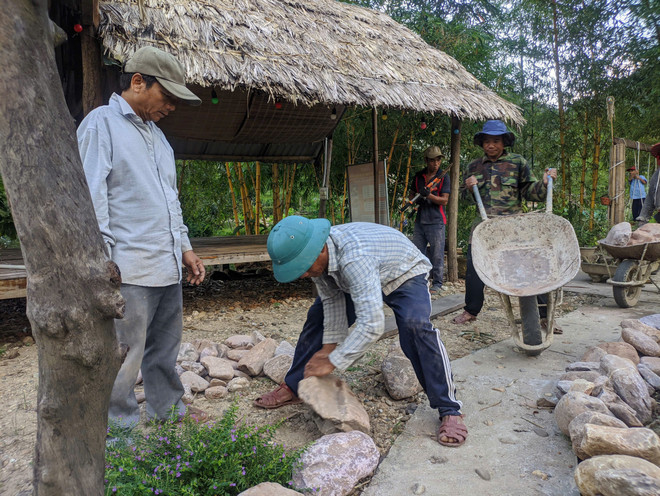
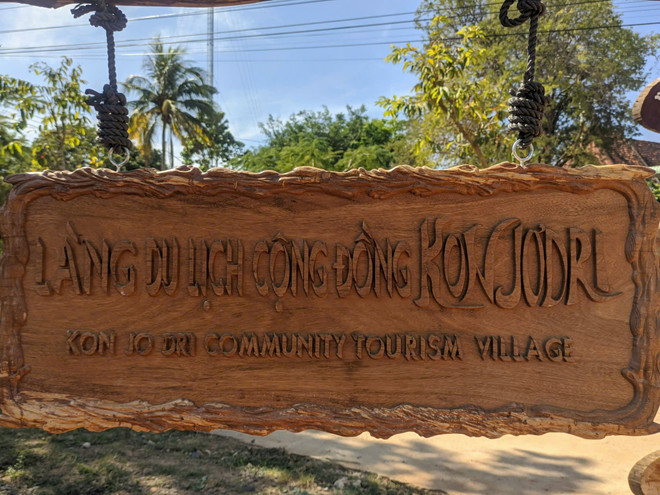
Many local management agencies still leave tourism development to the people and the community; there is no real concern and support in developing community tourism associated with local livelihoods and culture.
Awaken the "Slow Tourism" experience
- Convincing ethnic minorities in remote areas who have never done community tourism is always difficult with such barriers. However, following the activities you have implemented in many regions across the country, I see a quite positive picture. What can you share about this journey and evaluate the changes there after you left?
Mr. Pham Hai Quynh: This journey is a series of steps from personal belief to community success, and the picture after implementation always has clear positive changes.
We don’t just talk. Instead, we look for pioneering “nuclei”, usually women or influential people in the village, to support them in building small pilot models. “Seeing is hearing” is the best way to convince. When one or two households succeed and have real income, others will join.
We offer solutions to connect the community, connect the local government to join hands to build typical models. In particular, we are applying solutions to build tourism models from the community's internal strength, from 0 VND or applying the 3-price policy to turn the community participating in tourism into the owners of the tourism products and services that the community builds.
The result of applying this solution is that the income of participating households has increased, significantly reducing the poverty rate. People have more motivation to invest in home improvement and environmental sanitation.
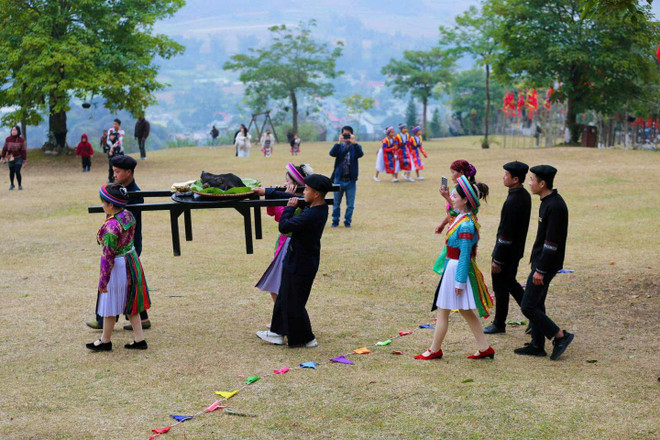
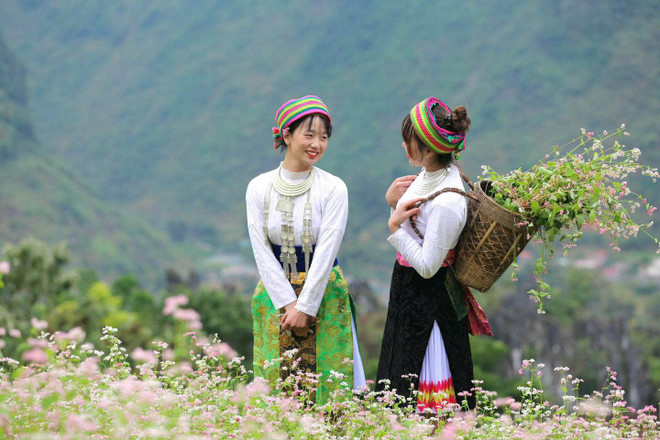
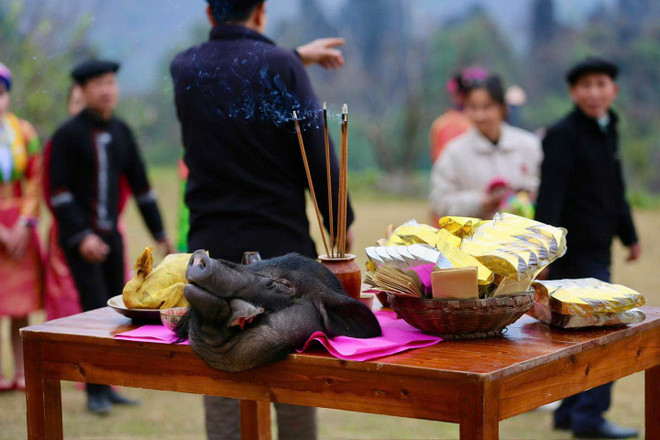
And importantly, I see national pride in the community restored. Young people have the opportunity to return to their hometowns to work in tourism, reducing the "brain drain" and young labor. Festivals and traditional crafts are held more frequently and have a higher community spirit. In particular, people are more aware of protecting the landscape and natural resources, because that is the "capital" for them to do tourism.
- Among the community tourism products that you built with ethnic minorities from their traditional cultural heritage, natural heritage..., which product do you like the most and what is the strong indigenous mark in it?
Mr. Pham Hai Quynh: I am most interested in tourism products that are deeply experiential and sustainable, where tourists become part of community life.
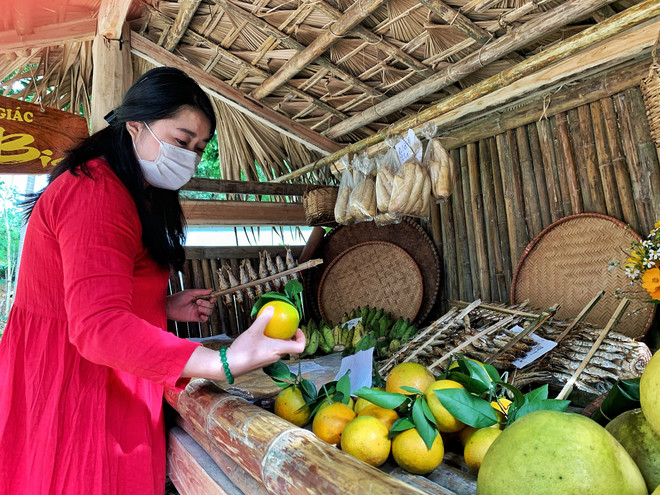
I am particularly fond of the model of agricultural tourism experience associated with the culture of the Tay, Thai, Mong, Dao ethnic groups in the Northern mountainous region. Na Su Village (Dien Bien) is a model with a very high sense of community. In addition, there are the communities of Thai Hai Village, Lan Nong Village, Lang Son, Sin Suoi Ho Mong Village, or the zero-dollar startup story of Thach Khuyen Stone Village, Lang Son...
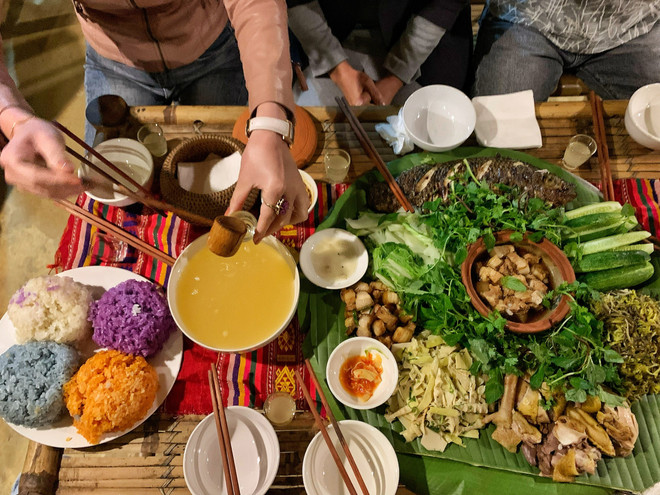
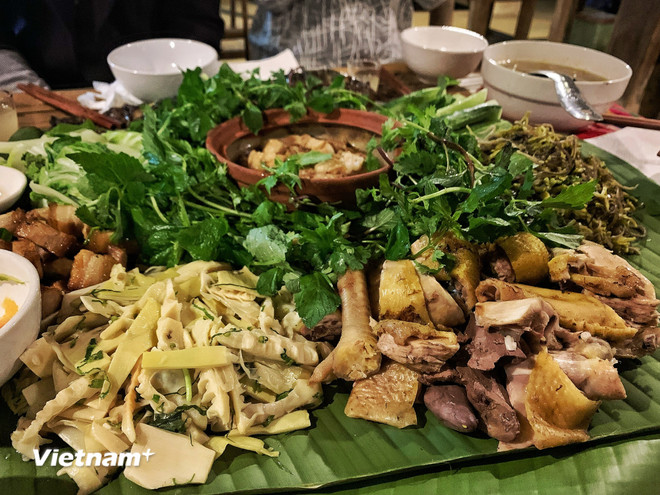
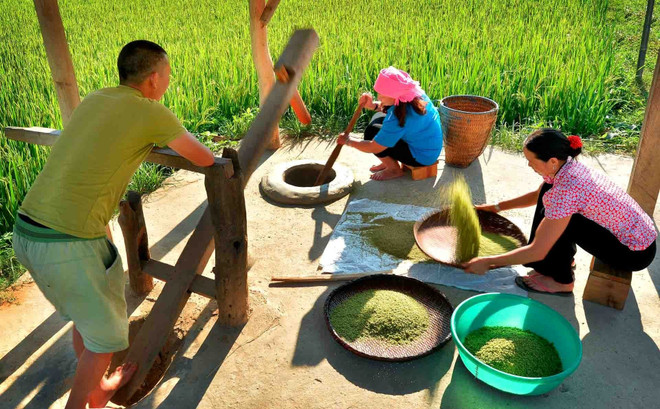
The strong indigenous imprint in these products is not just sightseeing but also the experience of "Slow Tourism" - tourists participate in the daily activities of the indigenous people, such as working with the people to plow the land, plant rice, harvest, prepare traditional cuisine; go to the forest with the Thai people, cook dishes in the old style...
In those places, people preserve and restore traditional stilt houses and old rammed earth houses to serve as homestays, instead of building modern concrete structures. Then singing and Luon singing (of the Tay people) during campfire nights are restored, not in the form of stage performances but as part of daily cultural activities, creating a genuine and cozy feeling for visitors. This helps to preserve a vibrant culture, without being "museumized."
Cultural heritage goes hand in hand with economy
- That is also the reason why the Ministry of Culture, Sports and Tourism promptly built Project 6 with the aim of restoring, preserving and promoting traditional cultural identity, linking culture with sustainable tourism development... So, according to your experience, to link the heritage of ethnic minority communities with tourism in a sustainable way, and importantly, to bring new and unique experiences to tourists, what do we need to do?
Mr. Pham Hai Quynh: To link heritage with tourism in a sustainable and unique way, we need to shift from a "visiting" approach to a "responsible and creative experience."
To develop sustainably, in my opinion, it is necessary to establish a mechanism so that most of the profits must be redistributed to the community, giving them the motivation to maintain and protect the heritage; tourism exploitation must be associated with the maintenance of original cultural activities, avoiding distortion of the heritage; it is necessary to establish a Code of Conduct for both tourists and local people.
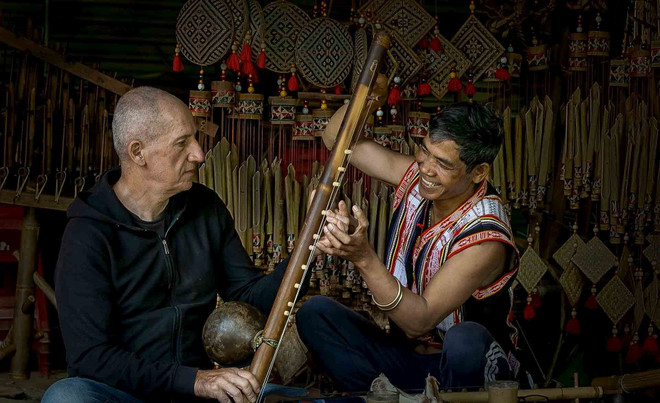
To give visitors new and unique experiences, we need to focus on telling the story of the heritage through food, crafts and rituals. For example, organizing short classes for visitors to weave a small piece of brocade by hand, thereby understanding the value of labor and the meaning of patterns.
Not only exploiting cultural heritage (festivals, costumes), we also need to link with natural heritage (forests, caves, rivers and streams) to create comprehensive ecological and cultural tourism routes; using technological tools (360-degree videos, mobile applications) to introduce heritage, helping visitors easily learn and interact before and after the trip.
- As someone who has inspired many people to do community tourism, what suggestions do you have for the management agency so that the work of preserving and promoting the traditional culture of ethnic minorities in Vietnam can be effective and truly practical for people's lives?
Mr. Pham Hai Quynh: I think we need to focus on institutionalizing the connection between culture and economy, along with investing in people. I propose to build a mechanism of tax incentives and loans for community tourism start-up projects owned by ethnic minorities or social enterprises supporting the community.
Instead of doing tourism in fragmented villages, there needs to be a comprehensive inter-regional plan so that cultural heritages do not compete with each other but complement each other, creating long-term, high-value tourism routes; transforming training programs from theory to on-site "hands-on" practice in service skills, hygiene, homestay management and tourism storytelling.
In particular, it is necessary to focus on training and fostering ethnic minority tour guides so that they can become authentic storytellers and best understand their culture; support trade promotion and build a common brand for Vietnamese community tourism, helping cultural products (brocade, agricultural products) easily access international tourism markets and large supply chains.
Thank you for sharing!
As a consultant and supporter of community tourism development for people in many localities, such as the Mong ethnic group (formerly Ha Giang province, now Tuyen Quang province), the Pa Co ethnic group (Thua Thien Hue), the Co Tu (Quang Nam)... Mr. Pham Hai Quynh is also one of 20 people working in the tourism sector in Vietnam honored by the World Tourism Organization in the book "Vietnam Tourism Story" for their dedication to the community, at the ASEAN Tourism Forum 2019 (ATF 2019).
Source: https://www.vietnamplus.vn/trai-nghiem-co-trach-nhiem-va-sang-tao-voi-di-san-cua-dong-bao-dan-toc-thieu-so-post1081637.vnp


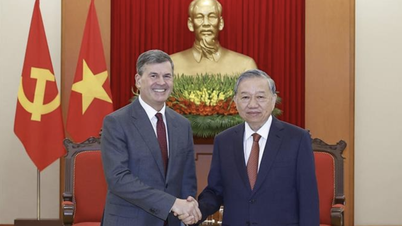
![[Photo] General Secretary To Lam receives the Director of the Academy of Public Administration and National Economy under the President of the Russian Federation](/_next/image?url=https%3A%2F%2Fvphoto.vietnam.vn%2Fthumb%2F1200x675%2Fvietnam%2Fresource%2FIMAGE%2F2025%2F12%2F08%2F1765200203892_a1-bnd-0933-4198-jpg.webp&w=3840&q=75)
































































Comment (0)